




 Chat Now
The retail landscape is a relentless battlefield for consumer attention. In an era dominated by digital stimuli, static printed posters and traditional lightboxes are increasingly struggling to cut through the noise. Enter the Slim LED Poster Display—a technological marvel that has fundamentally transformed in-store advertising, window displays, and brand communication. This overview delves into the essence of this technology, its evolution, and its pivotal role in modern retail environments.
A Slim LED Poster Display is a form of digital signage characterized by its ultra-thin profile, high-resolution output, and dynamic content capabilities. Unlike their bulky predecessors, which were often depth-heavy and complex to install, these modern displays are designed for elegance and simplicity. They seamlessly integrate into retail spaces, acting as vibrant, eye-catching digital canvases that can be updated instantly from a central computer or cloud-based platform. The core value proposition is simple yet powerful: to deliver the most compelling, engaging, and up-to-date visual messages to influence customer behavior at the critical point of sale.
The journey to these sleek displays began with the development of Light Emitting Diodes (LEDs). Early LED signs were monochromatic, low-resolution arrays used primarily for basic text and simple graphics. The breakthrough came with the invention of blue LEDs in the early 1990s, which, combined with red and green, enabled the creation of full-color RGB LED modules. This paved the way for large-format video walls. However, these were heavy, required significant depth for cooling and electronics, and generated substantial heat and noise.
The true revolution arrived with Surface-Mount Device (SMD) technology and finer pixel pitches. SMDs allowed red, green, and blue diodes to be mounted as a single chip, dramatically increasing resolution and allowing for closer viewing distances. Concurrent advancements in materials science, thermal management, and miniaturized electronics enabled manufacturers to compress the entire system—LED modules, power supplies, control systems, and cooling—into a chassis sometimes less than 35mm (1.4 inches) thick. This birthed the category of "slim" or "ultra-slim" LED displays, making them viable for interior spaces where protrusion was a major constraint.
The applications in retail are vast and transformative. In window displays, slim LED posters create mesmerizing animated campaigns that operate 24/7, captivating pedestrians day and night with a luminosity print could never match. Inside the store, they serve as dynamic point-of-sale (POS) or point-of-purchase (POP) displays, promoting daily specials, new arrivals, or brand stories with vibrant video content. They can be used for menu boards in restaurants, allowing for real-time pricing updates, showcasing high-margin items with animation, and even changing offerings based on the time of day. In fashion retail, they bring clothing to life through runway footage and style guides, enhancing the perceived value and desirability of products.
Furthermore, these displays are a cornerstone of data-driven marketing. They are not just broadcast tools; they are interactive nodes in a network. Integrated with sensors, cameras, or data feeds, they can change content based on external triggers. For instance, a display could show a refreshing iced coffee advertisement when a sensor detects high outdoor temperatures, or promote umbrellas when it's raining. This level of contextual relevance, impossible with static print, creates a deeply personalized and timely shopping experience.
From a broader perspective, the adoption of slim LED posters represents a shift from one-way communication to an immersive, two-way brand experience. They allow retailers to project an image of innovation and modernity. The ability to instantly change an entire store's promotional messaging also offers incredible operational agility. A central marketing team can control the content across hundreds of locations simultaneously, ensuring brand consistency and reacting to market trends with unprecedented speed.
In conclusion, the slim LED poster display is far more than a simple screen; it is the physical manifestation of digital marketing within the retail space. It represents the convergence of display technology, software, and data analytics to create a flexible, powerful, and engaging medium. By replacing static, one-time-use print with a dynamic, reusable, and intelligent digital canvas, retailers have unlocked a new dimension of customer engagement and operational efficiency, setting a new standard for what in-store advertising can and should be.
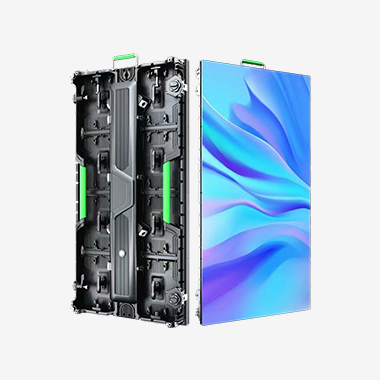
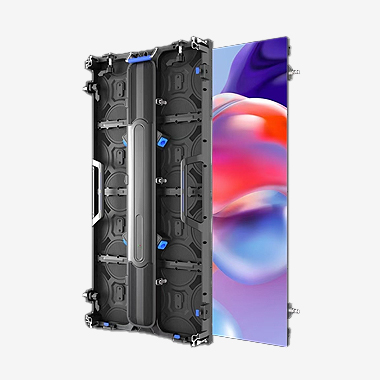
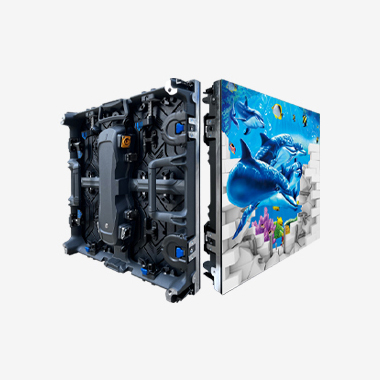
The sleek, minimalist appearance of a modern slim LED poster display belies a incredibly sophisticated and meticulously engineered interior. Achieving a profile of less than two inches while maintaining brightness, color accuracy, and reliability is a feat of modern design and construction. This section deconstructs the slim LED display, exploring the materials, components, and architectural innovations that make it possible.
The most prominent feature is, of course, the ultra-thin chassis. Traditionally, LED displays required depth to house large printed circuit boards (PCBs), bulky power supplies, and extensive cooling systems like fans and heat sinks. The slim design revolutionizes this by using advanced materials like magnesium alloy or high-strength, lightweight aluminum. These materials provide the necessary structural rigidity to support a large screen while being incredibly light and, crucially, excellent conductors of heat. This allows the chassis itself to act as a passive heat sink, dissipating thermal energy without the need for noisy fans, which is essential for the quiet environment of a retail store.
At the heart of the display are the LED modules. These are the building blocks that form the visual surface. Each module is a small PCB onto which hundreds of individual Surface-Mount Device (SMD) LEDs are precisely soldered. The key metric here is pixel pitch—the distance, in millimeters, from the center of one pixel to the center of the adjacent pixel. For indoor slim posters, pixel pitches are fine, typically ranging from P0.9 to P2.5. A smaller pitch means more pixels per unit area, resulting in higher resolution and a sharper image suitable for closer viewing distances. The modules are designed with front-serviceability in mind, allowing a technician to pop out and replace a single module from the front without needing to dismantle the entire display or access the rear—a critical feature for easy maintenance in a tight retail space.
The LEDs themselves are miniature wonders. Each SMD LED package contains three microscopic diodes (red, green, and blue) that, when combined at varying intensities, can produce millions of colors. The quality of the LEDs, particularly their brightness (measured in nits or cd/m²) and color gamut (the range of colors they can produce), is paramount. High-end displays use LEDs that can cover over 100% of the sRGB color space, ensuring vibrant and accurate colors that make products look their best.
Behind the modules lies the nervous system of the display: the control electronics. The extreme thinness is achieved by moving away from large, centralized controllers to highly distributed and miniaturized systems. Each module, or a small group of modules, has its own tiny receiver card (or driver ICs) that handles the data for its section of the screen. These are connected via ultra-thin, high-speed ribbon cables or proprietary connectors. The data originates from a single, compact sending card, which is housed in a small enclosure within the chassis. This card takes a video signal (usually HDMI or DP) from a media player and processes it, breaking it down into packets of data that are sent to each receiver card across the display.
Power delivery is another area of innovation. Instead of a few large, hot power supplies, slim displays use an array of small, highly efficient, and distributed Switching Mode Power Supplies (SMPS). These are often rated for 80 Plus Bronze or higher efficiency, meaning they waste less energy as heat. By distributing multiple smaller PSUs across the rear of the display, heat generation is spread out, making it easier to manage passively. The entire system operates on low-voltage DC power, which is safer and easier to manage within the thin confines of the cabinet.
Thermal management is the silent hero of the design. Without adequate cooling, LEDs degrade faster, and electronics can fail. The combination of the efficient, low-heat components and the use of the metal chassis as a giant heat sink is the primary cooling method. In some higher-brightness models, silent, fan-less "convection cooling" systems are employed. These use carefully designed vents to create a natural airflow (chimney effect) where hot air rises and escapes, drawing cooler air in from below, all without moving parts.
Finally, the display is finished with a bezel, which is often razor-thin or even "bezelless" to create a seamless look when multiple units are tiled together. The front surface is typically protected by a layer of anti-glare glass or a special coating to reduce reflections from ambient store lighting, ensuring perfect visibility from any angle.
In summary, the construction of a slim LED poster is a masterclass in integration and miniaturization. It is a harmonious balance of material science, electronic engineering, and thermal dynamics. Every component, from the microscopic LEDs to the magnesium alloy frame, is optimized for one purpose: to deliver a stunning, reliable, and bright visual experience in a form factor so slim it can be mounted almost anywhere, transforming any retail space into a dynamic digital gallery.
The mesmerizing dance of light and color on a slim LED poster is the result of a complex, synchronized orchestration of hardware and software. Understanding its working principles reveals the elegant process of transforming a digital video file into the physical photons that captivate customers. This process can be broken down into three core stages: Data Processing & Control, Pixel Driving & Illumination, and Content Management.
1. Data Processing & Control:
The journey begins with a content source, typically a media player—a small computer dedicated to playing video files. This player can be embedded within the display's chassis or housed externally. It stores and decodes video files (e.g., MP4, MOV) or images (e.g., JPEG, PNG), outputting a standard video signal like HDMI to the display's sending card.
The sending card is the brain of the operation. Its primary job is to take this incoming high-resolution video signal and map it to the unique, non-standard grid of the LED display. Unlike a consumer TV with a fixed 4K resolution, an LED wall is modular and can be built to almost any custom size and aspect ratio. The sending card, using proprietary software, knows the exact configuration of the display—its width and height in pixels, the pixel pitch, and the layout of the modules. It slices the input video into thousands of tiny data packets, each destined for a specific module or group of LEDs on the screen. It then serializes this data and transmits it at incredibly high speeds over a network cable (like CAT5e/6) or a specialized LVDS (Low-Voltage Differential Signaling) cable to the receiver cards mounted on the back of each LED module.
2. Pixel Driving & Illumination:
Each receiver card is a local commander for its section of the display, often controlling a 16x16 or 32x32 pixel block. It receives the data packet from the sending card, which tells it the precise color and brightness value for every single LED under its command. However, LEDs cannot be controlled by analog voltage levels; they are digital devices that require Pulse-Width Modulation (PWM).
This is where the driver IC (Integrated Circuit) comes in. The receiver card communicates the instructions to these driver chips, which are directly connected to the rows and columns of LEDs on the module. PWM is the technique used to create the perception of varying brightness and color. Instead of supplying a lower voltage to make an LED dimmer, the driver IC rapidly turns the LED on and off. For example, to achieve 50% brightness, it is on for 50% of the time and off for 50% of the time. This cycling happens thousands of times per second—faster than the human eye can detect—so the viewer simply perceives a steady, dim light. By independently applying PWM to the red, green, and blue micro-diodes within each SMD pixel, the driver IC can mix any color at any brightness level. The refresh rate (how many times per second the entire screen's data is updated) and the grayscale depth (how many levels of brightness are available, e.g., 16-bit) are crucial factors determined here that contribute to a smooth, flicker-free, and high-fidelity image.
3. Content Management & Scheduling:
The hardware's operation is meaningless without intelligent software to command it. This is managed by a Content Management System (CMS), which is almost always cloud-based. The retailer or marketing manager logs into the CMS via a web browser. This platform allows them to upload videos, images, and playlists, design layouts with zones for different content (e.g., a video loop on top, a scrolling text banner below), and most importantly, schedule it.
The user can create a weekly calendar, specifying which content plays at which time of day on which screen. For example, a coffee shop can schedule breakfast menu promotions from 7-11 AM, lunch items from 11 AM-2 PM, and afternoon specials thereafter. Once the schedule is set, the CMS communicates with the media players in each display (via the internet) and pushes the content and schedule to them. The media player then autonomously executes the playlist, ensuring the right message is shown at the right time without needing a constant internet connection. Advanced CMS platforms also offer data analytics, remote monitoring of display health (alerting if a module fails), and the ability to integrate with external data sources (like weather APIs or POS systems) for trigger-based content changes.
In essence, the working principle is a seamless flow of information: from the cloud-based CMS to the local media player, to the sending card, which distributes instructions across a high-speed network to the distributed receiver cards and driver ICs, which finally command the millions of individual LEDs to pulse with light in perfect harmony. This entire intricate process happens in milliseconds, creating the vibrant, dynamic, and compelling digital canvases that define the modern retail experience.
The decision to adopt slim LED poster displays is a significant one for any retailer. While the benefits are profound and transformative, it is crucial to understand the challenges and costs involved to make an informed investment. This section provides a balanced analysis of the advantages and hurdles associated with this technology.
Advantages:
Unmatched Dynamic Engagement: This is the core advantage. Static print is passive; digital screens are active. The ability to display full-motion video, animations, and seamless transitions captures attention far more effectively than any static image. This dynamic nature tells a richer brand story, demonstrates products in use, and creates an emotional connection that drives purchase intent.
Agility and Real-Time Updates: The cost and delay of printing, shipping, and manually replacing posters are eliminated. Content can be updated across an entire chain of stores instantly from a central location. This allows retailers to react to trends, promote flash sales, correct pricing errors, and align messaging with current events in real-time, providing a massive strategic advantage.
Operational Efficiency and Cost Savings Over Time: While the initial investment is high, the long-term Return on Investment (ROI) can be compelling. There are no recurring printing costs, shipping fees, or labor costs for changing physical signs. One digital screen replaces thousands of pieces of paper over its lifespan, reducing waste and operational overhead.
Enhanced Brand Image and Modernity: A sleek, bright LED display projects an image of innovation, technological sophistication, and modernity. It elevates the perceived value of the brand and the products within the store, making the retail environment feel more premium and contemporary.
Intelligent and Data-Driven Marketing: Slim LED displays can be integrated into a larger IoT (Internet of Things) ecosystem. They can change content based on time of day, weather, inventory levels (e.g., promote items that are overstocked), or even customer demographics detected by cameras (in an anonymized, privacy-compliant way). This transforms advertising from a broadcast into a responsive conversation with the environment.
Energy Efficiency: Modern slim LEDs are remarkably energy-efficient, especially compared to older lighting technologies like fluorescent lightboxes. Their low-voltage operation and efficient LEDs consume less power, and their long lifespan (often 100,000 hours) reduces replacement frequency. Passive cooling also means zero energy used for fans.
Challenges and Considerations:
High Initial Capital Investment: This is the most significant barrier to adoption. The upfront cost of high-quality slim LED displays, media players, installation, and content creation is substantially higher than ordering a batch of printed posters. This requires a CAPEX justification based on long-term savings and revenue generation.
Content Creation Demands: A digital screen is only as good as the content it displays. Retailers must now invest in ongoing video production, motion graphics design, and content strategy. This requires either building an in-house team or budgeting for ongoing agency fees, moving from a one-time print cost to a continuous content investment.
Technical Complexity and Reliability: Unlike a poster that simply hangs on a wall, a digital display is a complex electronic system. While reliability is high, there is a risk of technical failures: a power supply could fail, a single module might go dark, or a software glitch could cause the screen to freeze. This necessitates having a maintenance plan, a relationship with the vendor for support, and potentially spare parts.
Potential for Content Fatigue and "Digital Blindness": If content is not refreshed regularly, customers may begin to ignore it, just as they learned to ignore static posters. Poorly designed, overly flashy, or repetitive content can become annoying background noise rather than an engaging focal point. A thoughtful content strategy is essential to avoid this.
Viewing Distance Limitations: The required pixel pitch (and therefore cost) is directly tied to how close the audience will be. A screen with a P3 pitch will look pixelated and low-resolution if viewed from just a few feet away, necessitating a more expensive P1.5 or lower screen for close-proximity applications. Careful planning is needed to match the specification to the environment.
Perceived Environmental Impact: While they save paper waste, electronic displays have their own environmental footprint through manufacturing, energy consumption, and electronic waste at end-of-life. retailers must responsibly recycle old units and source from manufacturers committed to sustainable practices.
In conclusion, the advantages of slim LED posters—driven by engagement, agility, and long-term savings—are powerful drivers of modern retail. However, the challenges of cost, content, and complexity require careful planning. The successful implementation of this technology is not just a purchase; it is a strategic commitment to a dynamic, digital-first marketing strategy.
Slim LED poster displays have already found a firm foothold in retail, but their application is expanding, and the technology itself is rapidly evolving. This section explores the diverse current applications and peers into the near future to identify the trends that will define the next generation of this technology.
Current Applications:
Retail Window Displays: The primary application. They create breathtaking, cinematic storefronts that operate day and night, drawing in foot traffic with animated campaigns and brand films.
In-Store Point-of-Sale (POS): Replacing traditional shelf talkers and posters in aisles, these displays promote special offers, cross-sell products, and provide dynamic pricing.
Digital Menu Boards: Revolutionizing the QSR (Quick Service Restaurant) and café industry. They enable dayparting (changing menus from breakfast to lunch), simplify price changes, and can showcase food with tantalizing video close-ups, increasing average order value.
Brand Experience Zones: Within larger stores, brands can rent "digital real estate" to create immersive brand chapters with curated video content that tells their story and showcases product features.
Corporate and Hospitality Environments: Used in lobbies, conference centers, and hotels for wayfinding, welcoming messages, event schedules, and digital art to enhance the ambiance.
Shopping Malls and Airports: As digital directories and advertising kiosks, providing both information and premium ad space.
Future Trends:
Transparent LED Technology: This is one of the most exciting frontiers. Transparent LED displays offer a see-through effect when turned off, preserving the view into the store. When active, they float dynamic content seemingly in mid-air. This is the ultimate convergence of digital and physical space, perfect for high-end retail windows where maintaining the aesthetic is crucial.
Higher Resolution and Fine Pitch Evolution: The race for smaller pixel pitches will continue. We are already moving towards sub-pixel (e.g., P0.6) displays for extremely close viewing distances, effectively blurring the line between an LED wall and a giant 8K television, but with the modularity and scalability that LED offers.
Integration with AI and Computer Vision: Displays will become "smarter." Integrated, privacy-compliant cameras and sensors will allow displays to perform basic analytics: counting viewers, estimating demographic segments (age, gender), and measuring engagement dwell time. AI can then use this data to optimize content in real-time, showing what works best.
Hyper-Interactive Experiences: The line between display and touch interface will dissolve. Combining slim LEDs with infrared touch frames or transparent touch overlays will create massive interactive surfaces. Customers could browse entire product catalogs, customize products in real-time (e.g., designing a Nike shoe), or play games, transforming passive viewing into an active engagement.
The Metaverse and Phygital Integration: Retail displays will act as physical portals to digital worlds. Using QR codes or AR triggers on the screen, customers could be directed to unlock exclusive online content, purchase NFT versions of products, or view the store in AR. The screen becomes a bridge between the physical store and the brand's digital ecosystem.
Improved Sustainability: Future trends will focus on reducing the environmental footprint further. This includes using more recyclable materials, developing even more energy-efficient LEDs and drivers, and creating modular designs that are easier to repair and upgrade rather than replace, supporting a circular economy.
Standardization and Cloud-Native Platforms: The industry will move towards more standardized protocols and APIs, making it easier to integrate displays from different vendors into a unified network. CMS platforms will become fully cloud-native, offering more powerful data analytics, automation tools, and seamless integration with other martech stack elements like CRM and ERP systems.
The future of the slim LED poster is not just as a display, but as an intelligent, connected, and interactive node in a vast network of retail technology. It will evolve from a broadcasting tool into a conversational interface, gathering data, personalizing experiences, and seamlessly merging the physical and digital shopping journey. The stores that embrace these trends will be those that define the future of retail.
Conclusion
The journey through the world of slim LED poster displays reveals a technology that is far more than a mere incremental upgrade to the printed poster. It represents a fundamental paradigm shift in how retailers communicate, market, and connect with their customers. It is the physical embodiment of the digital age within the brick-and-mortar environment, a dynamic canvas where creativity meets commerce.
The overview established its role as a transformative tool, replacing static, one-way communication with vibrant, dynamic storytelling. The deep dive into its design and construction highlighted the remarkable engineering achievements that make this possible—miniaturization, advanced materials, and thermal management—all converging to create a tool that is both powerful and elegantly simple in its final form. Understanding its working principles demystified the complex symphony of data and light, showing the intricate process that translates a digital file into captivating physical photons.
The analysis of advantages and challenges provided a sobering but ultimately optimistic perspective. While the initial investment and content demands are significant, the long-term benefits in engagement, agility, operational savings, and data-driven capabilities present a compelling case for their adoption. The key is to view them not as an expense, but as a strategic investment in modernizing the customer experience and streamlining marketing operations.
Finally, a look at the applications and future trends underscores that this technology is not static. It is a rapidly evolving platform moving towards greater interactivity, intelligence, and integration. From transparent displays to AI-powered content optimization, the slim LED poster is poised to become the central interactive hub of the retail store, a gateway between the physical and digital realms of commerce.
In conclusion, the slim LED poster display has firmly established itself as an indispensable tool in the arsenal of modern retailers. It answers the critical need to capture consumer attention in an increasingly crowded and digital-first world. By offering unparalleled flexibility, impact, and potential for innovation, it empowers brands to create ever-more engaging and personalized experiences. For any retailer looking to thrive in the future, embracing this digital canvas is no longer a luxury; it is a necessity to remain relevant, competitive, and connected to the modern consumer. The era of static communication is over; the future of retail is dynamic, digital, and dazzlingly bright.


Copyright © 2026 Shenzhen Cogo Technology Co.,Ltd.
All Rights Reserved

 Previous article