




 Chat Now
Outdoor advertising LED display screens have revolutionized the commercial advertising landscape by offering dynamic, high-brightness, and visually engaging platforms for businesses to reach audiences in public spaces. Unlike traditional static billboards, these digital displays enable real-time content updates, interactive campaigns, and targeted messaging, making them indispensable for brands seeking to maximize visibility and ROI in high-traffic areas such as city centers, transportation hubs, stadiums, and retail districts.
The global market for outdoor LED displays is projected to grow at a CAGR of 8.5% from 2024 to 2032, driven by:
Urbanization and infrastructure development, increasing demand for digital signage in smart cities.
Advancements in LED technology, such as fine-pitch displays (P2–P6mm) for ultra-clear visuals even at close viewing distances.
Cost reductions in LED manufacturing, making large-scale deployments more affordable.
Integration with IoT, AI, and 5G, enabling smart advertising ecosystems with real-time analytics and remote management.
1.1 Key Features of Outdoor LED Displays
High Brightness (5,000–10,000 nits): Ensures visibility in direct sunlight, critical for daytime advertising.
Weather Resistance (IP65–IP67): Protects against rain, dust, and extreme temperatures (-30°C to +50°C).
Modular Design: Scalable panels (e.g., 500x500mm or 1000x500mm) allow customization of screen size and shape.
Energy Efficiency: Modern displays consume 40–60% less power than older models, reducing operational costs.
Smart Content Management: Cloud-based platforms enable remote scheduling, A/B testing, and audience analytics.
1.2 Market Drivers and Trends
Programmatic Advertising: Automated ad buying and placement based on real-time data (e.g., traffic patterns, weather, events).
Interactive Displays: Touchscreens, gesture control, and AR integration enhance audience engagement.
Sustainability: Solar-powered displays and recyclable materials align with corporate ESG goals.
Hybrid Media Formats: Combining LED screens with audio systems, scent diffusers, or haptic feedback for multisensory campaigns.
For example, Coca-Cola’s 2023 campaign in Times Square used a P3.9mm LED wall with 8K resolution and AI-driven facial recognition to display personalized ads to passersby, boosting engagement by 35%. Similarly, Nike’s flagship store in Shanghai deployed a curved P4.8mm LED façade that synchronized with live sports events, driving foot traffic by 50%.
2.1 Structural Framework
Outdoor LED displays are engineered for durability, portability, and aesthetic integration with urban environments. Key design elements include:
2.1.1 Cabinet Design
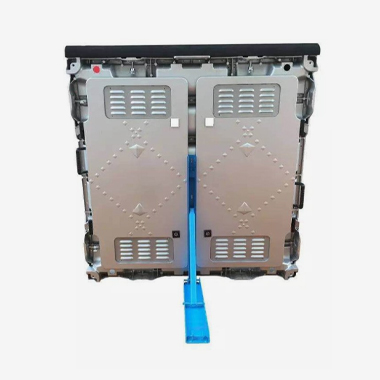
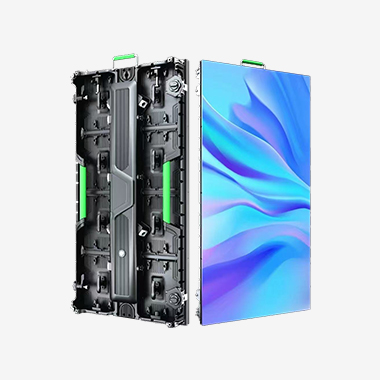
Material: Die-cast aluminum or stainless steel for corrosion resistance and lightweight strength.
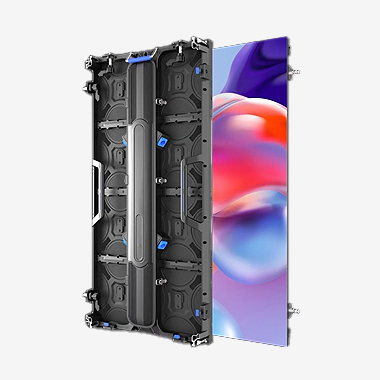
Modularity: Panels feature quick-lock mechanisms and gap-free alignment for seamless tiling.
Ventilation: Heat-dissipating fins and dust-filtered air intakes prevent overheating without compromising IP ratings.
Accessibility: Front-serviceable modules allow technicians to replace faulty LEDs or drivers without dismantling the entire screen.
2.1.2 Mounting Systems
Fixed Installations: Wall-mounted, pole-mounted, or roof-mounted brackets for permanent setups (e.g., highway billboards).
Mobile Solutions: Trailer-mounted LED trucks (e.g., Absen’s Mobile LED Series) enable guerrilla marketing campaigns in multiple locations.
Curved and Flexible Displays: 360° cylindrical screens or concave/convex designs for architectural integration (e.g., stadium façades).
2.2 Thermal Management
Efficient cooling is critical for 24/7 operation in extreme weather. Advanced systems include:
Passive Cooling: Graphite thermal pads and vapor chambers conduct heat away from LED modules.
Active Cooling: Low-noise axial fans with auto-adjustable speeds based on temperature sensors.
Liquid Cooling: In ultra-high-brightness displays (e.g., 10,000+ nits), closed-loop glycol systems maintain optimal temperatures.
For instance, Leyard’s VClear Series uses microchannel heat sinks to reduce thermal resistance by 30%, extending component lifespan to 100,000+ hours.
2.3 Power and Signal Distribution
Power Supplies: Redundant hot-swappable modules ensure uninterrupted operation if one unit fails.
Signal Transmission: Fiber-optic cables support 8K@60Hz with <1ms latency, ideal for live video feeds.
Control Systems: Novastar MCTRL X6 or Brompton Tessera SX40 processors enable real-time calibration, HDR10+ support, and multi-screen synchronization.
2.4 Protection and Durability
IP Ratings: IP65 (dust-tight and water-resistant) or IP67 (submersible) enclosures protect against storms and flooding.
Impact Resistance: Tempered glass or polycarbonate shields withstand hail, vandalism, and accidental impacts.
Anti-glare Coatings: Matte finishes reduce reflections in bright sunlight, improving readability.
3.1 Pixel Architecture and Emission
Each pixel consists of red, green, and blue (RGB) LED chips encapsulated in SMD (Surface-Mount Device) packages. Fine-pitch displays (e.g., P3mm) use 0606-sized LEDs, achieving pixel densities of 111,111 dots/m² for crisp text and graphics even at close range.
3.2 Signal Processing and Synchronization
Input Reception: Displays accept HDMI, DisplayPort, SDI, or H.265/H.264 streams from media players, cameras, or live feeds.
Frame Buffering: Onboard memory stores frames to prevent tearing during fast-motion content (e.g., sports ads).
Genlock Synchronization: Ensures pixel-perfect alignment across multiple screens in large video walls.
HDR10+ Support: Reproduces 1.07 billion colors with 10-bit depth per channel, enhancing contrast in dark scenes.
3.3 Brightness and Color Calibration
Automatic Brightness Adjustment: Ambient light sensors dynamically modify output (e.g., 5,000 nits in daylight vs. 1,500 nits at night).
Factory-Calibrated Uniformity: Delta E (ΔE) values <1.5 ensure consistent hues across all panels, critical for brand color accuracy.
Real-time Correction: AI-driven algorithms compensate for LED degradation over time, maintaining brightness and color fidelity.
3.4 Power Efficiency
Modern LED displays consume 300–500W/m², significantly lower than 1,200–1,800W/m² for traditional LCD billboards. A 20m² P5 display operating 12 hours/day uses 72 kWh, costing
10.80/day∗∗at0.15/kWh—60% cheaper than equivalent LCD setups.
4.1 Advantages
Unmatched Visibility
160° viewing angles eliminate color shift, even at extreme angles.
20,000:1 contrast ratios enhance depth perception in product demos.
Dynamic Content Flexibility
Ads can be updated instantly via cloud platforms, enabling time-sensitive promotions (e.g., flash sales, event countdowns).
Multi-zone displays show different content simultaneously (e.g., ads + live news + social media feeds).
Audience Engagement
Interactive touchscreens allow users to browse products or play games.
AR integration overlays digital content onto physical environments (e.g., virtual try-ons for fashion brands).
Cost Efficiency at Scale
A P6 LED billboard costs
15–25/day to operate, compared to
50–100/day for printed alternatives (including printing, installation, and disposal).
4.2 Challenges
High Initial Investment
A 10m² P4 LED screen costs
50,000–80,000, limiting access for small businesses.
Regulatory Compliance
Light pollution laws in some cities restrict brightness levels or operational hours.
Zoning permits may be required for pole-mounted or freestanding displays.
Technical Maintenance
Regular cleaning is needed to prevent dust buildup on ventilation systems.
LED replacement can be costly if multiple pixels fail simultaneously.
Content Creation Complexity
High-resolution ads require professional designers and 4K/8K video production, adding to campaign costs.
5.1 Current Applications
Transportation Hubs
Airports and train stations use LED displays for real-time flight/train schedules, retail ads, and safety announcements.
Example: Dubai International Airport’s P5 LED wall spans 1,200m² and generates $2M/month in ad revenue.
Retail and Shopping Malls
Façade displays attract shoppers with dynamic promotions (e.g., "50% Off Today Only!").
Interactive directories guide visitors to stores using touchscreens or QR codes.
Sports and Entertainment Venues
Stadiums deploy 360° LED rings for instant replays, sponsor ads, and fan engagement (e.g., "Wave Your Phone to Appear on Screen!").
Street Furniture and Transit Shelters
Smart bus stops in cities like London and Seoul feature P6 LED panels displaying bus arrivals, weather, and local ads.
5.2 Future Trends
MicroLED and Mini-LED Adoption
By 2027, 0.5mm pixel pitch MicroLED displays will offer 15,000 nits brightness and 24-bit color depth, replacing traditional billboards in luxury markets.
AI-Driven Personalization
Cameras and facial recognition will tailor ads in real time (e.g., displaying luxury car ads to high-income audiences).
Sustainability Innovations
Solar-powered displays with battery storage will reduce reliance on grid electricity.
Biodegradable LED components will minimize e-waste.
Extended Reality (XR) Integration
LED volumes (e.g., Unreal Engine’s LED stage) will enable virtual product launches with lifelike 3D models.
Conclusion
Outdoor advertising LED display screens have transformed how businesses engage with audiences in public spaces, offering unparalleled visibility, flexibility, and interactivity. While challenges like high upfront costs and regulatory hurdles persist, advancements in MicroLED, AI, and sustainability promise to unlock new creative and operational efficiencies.
As cities become smarter and consumer expectations evolve, LED displays will remain at the forefront of outdoor advertising, delivering hyper-targeted, immersive campaigns that drive brand awareness and sales. By embracing these innovations, businesses can ensure their messaging stands out in an increasingly crowded and digitized urban landscape.
The future lies in smarter, greener, and more adaptive displays that seamlessly blend physical and digital experiences, redefining the boundaries of outdoor advertising for decades to come.


Copyright © 2026 Shenzhen Cogo Technology Co.,Ltd.
All Rights Reserved

 Previous article