




 Chat Now
In the relentless competition for consumer attention, outdoor and retail advertising has undergone a seismic shift from static to dynamic media. At the forefront of this revolution is the Advertising LED Display Screen. These are not merely digital versions of billboards; they are sophisticated, high-impact communication systems that have transformed urban landscapes, retail environments, and public spaces into dynamic, captivating digital canvases. An advertising LED display is a modular assembly of light-emitting diode (LED) panels that form a single, seamless video wall designed to broadcast high-resolution video, images, and text to a target audience. Their primary purpose is to engage, inform, and persuade with a vitality and flexibility that static signage could never achieve.
The evolution of this technology mirrors the broader digital transformation of society. Early monochromatic LED signs, capable of scrolling text and simple animations, were precursors to the full-color, high-definition behemoths we see today. This progression was driven by advancements in LED technology, data processing, and manufacturing, enabling brighter, more efficient, and more reliable displays capable of operating 24/7 in all weather conditions. The fundamental value proposition of an advertising LED screen is its ability to command attention through motion and change. In a world saturated with visual stimuli, a dynamic, brightly lit video display has a profound advantage in cutting through the noise and making a memorable impression.
The scope of advertising LED displays is vast, encompassing a wide range of formats and applications:
Outdoor Digital Billboards: Large-scale installations along highways, atop buildings, and in major urban centers. These are engineered for extreme brightness to overcome direct sunlight and for durability to withstand years of exposure to rain, wind, dust, and temperature fluctuations.
Retail and Point-of-Sale (POS) Displays: Smaller, finer-pitch screens inside shopping malls, department stores, airports, and showrooms. They are used for brand advertising, product promotions, and enhancing the in-store experience, often requiring higher resolutions due to closer viewer proximity.
Digital Signage Networks: Coordinated arrays of LED displays across a city or within a chain of stores, all managed from a central location. This allows for real-time updating of content, dayparting (showing different content at different times of day), and targeted messaging responsive to audience demographics or even current events.
Stadium and Arena Displays: Massive screens and ribbon boards that provide advertising, game information, replays, and fan engagement activities to large crowds. They are integral to the modern sports entertainment experience.
Transparent LED Screens: Innovative displays installed in storefront windows that allow viewers to see both the digital advertisement and the products inside the store, blending the digital and physical retail worlds.
The impact of LED advertising is quantifiable. It offers advertisers unparalleled flexibility: a single physical space can be sold to multiple advertisers, with content rotating every few seconds. Campaigns can be launched, updated, or halted instantly from a remote computer, eliminating the cost and delay of printing and installing physical posters. This dynamism enables timely, relevant, and context-aware advertising that can react to the weather, traffic, time of day, or live social media feeds.
Furthermore, the industry is increasingly leveraging data analytics and connectivity. Modern LED displays are often part of the Internet of Things (IoT), equipped with sensors and network connectivity. This allows for performance monitoring, automated brightness adjustment based on ambient light, and even the potential for integration with audience measurement technologies (e.g., cameras with anonymous facial recognition to gauge viewer demographics and engagement).
In essence, the advertising LED display is more than a sign; it is a powerful, networked media channel. It represents the maturation of out-of-home (OOH) advertising into a digital, data-driven, and highly engaging medium that rivals online and television advertising in its ability to tell compelling brand stories and drive consumer action. As we delve into its construction, workings, and applications, it becomes clear that these screens are a dominant and enduring force in the media landscape.
The design and construction of an advertising LED display are a masterclass in industrial engineering, balancing the demanding requirements of image quality, 24/7 operational reliability, and resilience against harsh environmental elements. Unlike indoor screens or rental event panels, permanent outdoor advertising displays are built to be workhorses, operating flawlessly for years with minimal maintenance in some of the most challenging conditions imaginable.
The Core Building Block: The LED Module and Cabinet
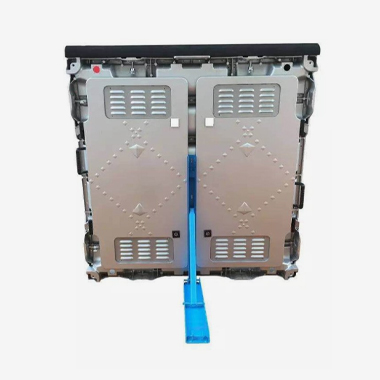
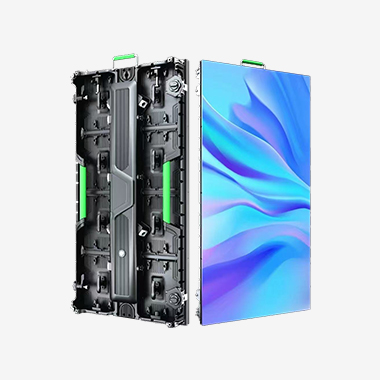
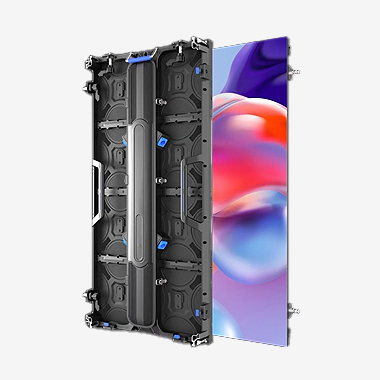
The fundamental unit of any large-scale LED display is the cabinet. This is a heavy-duty, often die-cast aluminum frame that houses a series of LED modules, the power supplies, and the control electronics.
LED Modules: These are smaller, removable subunits that populate the face of the cabinet. Each module consists of a printed circuit board (PCB) onto which the LEDs are mounted. The density and type of these LEDs define the screen's character.
Pixels and LED Configuration: A single pixel is made of multiple LED chips—typically a combination of red, green, and blue (RGB). In high-end displays, a fourth color, such as amber or white, is sometimes added to achieve a wider color gamut and more realistic imagery. The LEDs can be arranged in various package types:
DIP (Dual In-line Package): Older technology where each LED is a separate, bulb-like component. Very robust and bright, but limited in resolution.
SMD (Surface-Mount Device): The current industry standard. Red, green, and blue LED chips are mounted together as a single unit on a substrate, allowing for much smaller pixel pitches and higher resolutions. This provides better color mixing and wider viewing angles.
GOB (Glue on Board): A protective layer of transparent epoxy is applied over the SMD modules, making them highly resistant to moisture, dust, and physical impact. This is increasingly popular for outdoor and high-traffic applications.
COB (Chip on Board): LED chips are mounted directly onto the PCB and then encapsulated, offering even greater protection and reliability than GOB, paving the way for the finest outdoor pixel pitches.
Pixel Pitch (P): This is the center-to-center distance between two pixels, measured in millimeters. It is the most critical factor determining the required viewing distance. A large billboard on a highway might use a P20 or P25 pitch, viewable from hundreds of feet away. A screen in a shopping mall might require a P4 or P6 pitch for viewers who are only a few meters away. The choice of pitch is a direct trade-off between resolution, cost, and viewing distance.
Environmental Hardening:
Outdoor displays are engineered to meet specific Ingress Protection (IP) ratings, such as IP65 or IP66. This means they are:
Dust-Tight (6): No ingress of dust; complete protection.
Protected against powerful water jets (5) or heavy seas (6): Can withstand rain, snow, and cleaning with high-pressure hoses.
This is achieved through robust gasketing, sealed cabinets, and conformal coatings on PCBs. They are also built to handle vast temperature swings, often incorporating heating and cooling systems (fans, air-conditioning units) inside the cabinet structure to prevent overheating in summer and to de-mist and operate in sub-zero winter conditions.
Structural and Electrical Design:
Frame and Rigging: The cabinets are designed to lock together into a rigid, unified structure. They are mounted onto a heavy-duty steel framework that is engineered to withstand high wind loads, seismic activity, and its own immense weight.
Power Supplies and Distribution: These displays consume significant electricity. They use industrial-grade, redundant, and hot-swappable power supplies to ensure maximum uptime. Power is distributed efficiently throughout the cabinet array.
Control System: Each cabinet contains receiving cards that take the video signal from the master controller and drive the LEDs on their modules. These are designed for high reliability and easy replacement.
Brightness and Calibration:
Outdoor screens must be incredibly bright, typically ranging from 5,000 to 8,000 nits or even higher, to remain visible in direct sunlight. However, operating at full brightness at night is wasteful and creates light pollution. Therefore, all modern displays are equipped with ambient light sensors that automatically adjust the screen's brightness to the optimal level for the time of day and weather conditions. Furthermore, at the factory, each module undergoes precise color calibration to ensure every pixel across the entire massive display produces the exact same color and brightness, guaranteeing a uniform and consistent image without patches or color shifts.
In summary, the construction of an advertising LED screen is a feat of multidisciplinary engineering. It combines optical science, thermal management, structural engineering, electrical engineering, and software control to create a visually stunning and relentlessly reliable media platform that is built to perform day and night, in sun and storm, for years on end.
The mesmerizing visuals on a giant digital billboard are the end result of a sophisticated and highly reliable data processing chain. The working principle of an advertising LED display is a seamless orchestration of content management, signal transmission, and precise electronic control, all designed for automated, unattended operation.
1. Content Creation and Management (The Brain):
The process begins with the content. This can be a video file, a dynamic HTML5 animation, a series of images, or a real-time data feed (like news or weather). For networked displays, a Content Management System (CMS) is the central hub. This is a software platform, often cloud-based, that allows operators to:
Schedule Content: Create playlists that determine what content plays at specific times of day (dayparting). An ad for coffee might run in the morning, while an ad for a restaurant runs in the evening.
Remote Deployment: Push new content and schedules to one or thousands of displays across a network instantly from a central office.
Monitor Status: Receive alerts for failures, such as a malfunctioning module, power supply issue, or temperature anomaly.
The CMS outputs a video signal, which is typically encoded into a standard format like H.264 or H.265 for efficient transmission over networks.
2. Signal Transmission and Processing (The Nervous System):
The video signal must travel from the CMS to the physical display, which can be miles away. This is achieved via internet connectivity (fibre, 4G/5G). At the display site, a dedicated LED video processor acts as the local brain. Its critical functions include:
Input Accepting: It takes the input signal from the network player or a direct video feed.
Scaling and Resolution Matching: It scales the input video source to the native resolution of the entire LED wall. This is a crucial step. Unlike a TV with a fixed resolution (e.g., 4K), an LED wall's resolution is determined by its physical dimensions and pixel pitch (e.g., 200 pixels wide x 100 pixels tall). The processor must intelligently scale the source material to fit this custom canvas without looking distorted or stretched.
Color Depth and Grayscale Processing: It processes the color information to maximize the display's color performance, ensuring smooth gradients and accurate color reproduction.
Multiple Zone Management: For complex displays like a stadium ribbon board that might show a video on one section and live scores on another, the processor can handle multiple input sources and assign them to different zones on the screen.
3. Data Distribution and Control (The Peripheral Nerves):
The processed video signal from the master processor is a complete digital image. This data must be divided and sent to the individual cabinets that make up the wall. The processor has multiple output ports, each carrying data for a specific section of the display.
Distribution: The most common standard for this is HDBaseT, which transmits uncompressed high-definition video, audio, power, and control signals over long distances (up to 100m) using a single CAT5e/6 cable. This simplifies wiring and improves reliability. For very large displays, fiber optic cables are used for their immunity to electrical interference and ability to cover longer distances.
Cabinet-Level Control: Each LED cabinet contains one or more receiving cards. These cards accept the data stream dedicated to their cabinet. They are responsible for further distributing the commands to the myriad of driver ICs on the individual modules.
4. Pixel Illumination: Pulse-Width Modulation (PWM) - (The Muscle):
At the most fundamental level, each sub-pixel (red, green, blue) is an LED that is digitally controlled. An LED is a binary device; it's either on or off. To create the illusion of varying brightness levels, it is switched on and off at an extremely high speed—a technique called Pulse-Width Modulation (PWM).
The driver IC sends a rapid series of electrical pulses to each LED.
The duty cycle (the ratio of "on" time to "off" time within each cycle) determines the perceived brightness. A long "on" pulse within the cycle makes the LED appear very bright; a short "on" pulse makes it appear dim.
By independently and precisely controlling the PWM for the red, green, and blue LEDs in a pixel, the system can mix any color at any desired intensity.
The refresh rate (how many times per second the image is redrawn) is tied to this process. A high refresh rate (e.g., 3840Hz or higher) is essential to eliminate flickering, which is especially important when the screen is viewed through cameras (e.g., by passengers in cars).
This entire pipeline—from cloud-based CMS to the nanosecond switching of millions of LEDs—operates automatically 24/7. It is a robust, engineered system designed for maximum uptime, ensuring that the advertising message is always on, always bright, and always captivating.
The adoption of LED technology for advertising offers a compelling array of benefits that have driven its massive growth. However, these advantages are counterbalanced by significant challenges that advertisers, media owners, and municipalities must carefully manage.
Advantages:
Unparalleled Impact and Attention: Dynamic motion and vibrant video are inherently more attention-grabbing than static imagery. The ability to tell a short story or showcase a product in action leads to higher recall rates and greater emotional engagement from the audience. Studies consistently show that digital OOH (DOOH) campaigns boost brand awareness and purchase intent more effectively than static campaigns.
Unmatched Flexibility and Timeliness: This is the killer feature. Content can be changed instantly across an entire network of screens. This allows for:
Dayparting: Targeting commuters in the morning, shoppers in the afternoon, and entertainment seekers in the evening with tailored messages.
Real-Time Relevance: Advertising can react to current events, weather (e.g., promoting umbrellas or sunscreen), traffic conditions, or even live sports scores. A fast-food chain can promote coffee on a cold morning and ice cream on a hot afternoon.
A/B Testing: Different creative versions can be tested and optimized in real-time based on performance metrics.
Operational Efficiency and Revenue Maximization: For media owners, a single digital display can replace multiple static billboards. One physical location can be sold to multiple advertisers, with ads rotating every 8-12 seconds, dramatically increasing revenue potential. It eliminates the costs and environmental waste associated with printing, shipping, and installing physical vinyl posters.
Enhanced Creativity and Brand Storytelling: The canvas is no longer static. Brands can use high-quality video, animation, and interactive elements to create immersive and memorable narratives. The medium allows for more sophisticated and creative advertising that can better convey a brand's personality and value proposition.
Measurability and Integration: Digital displays are increasingly connected devices. They can be integrated with data feeds, mobile geo-fencing, and other digital channels. While precise audience measurement is still evolving, technologies like anonymous camera analytics can provide insights into viewer demographics (age, gender), dwell time, and overall reach, moving DOOH closer to the accountability of online advertising.
Challenges and Considerations:
High Capital and Operational Expenditure: The initial investment for a high-quality outdoor LED display is substantial, often running into hundreds of thousands of dollars. Operational costs, primarily electricity consumption, are also significant. While revenue potential is higher, the financial barrier to entry is steep.
Technical Complexity and Maintenance: These are complex electronic systems exposed to the elements. They require specialized technicians for installation and maintenance. While individual module failures may not blank the entire screen, they create dark spots that require prompt repair to maintain professional appearance and brightness uniformity. Proactive maintenance is essential to prevent costly downtime.
Regulatory and Permitting Hurdles: Municipalities often have strict zoning laws and sign codes that govern the size, brightness, location, and even content of digital signs. Obtaining permits can be a lengthy, expensive, and uncertain process. Concerns about light pollution, driver distraction, and aesthetic impact on communities are significant hurdles that must be addressed.
Public Perception and "Light Pollution": Brightly lit screens in urban or natural environments can be a source of controversy. Concerns about visual clutter, light pollution affecting astronomers or wildlife, and potential driver distraction are serious issues. The industry must responsibly address these concerns through self-regulation, such as implementing mandatory brightness dimming protocols at night and engaging with communities during the planning process.
Content Management and "Digital Graffiti": The networked nature of displays presents a security risk. A robust cybersecurity protocol is essential to prevent hackers from taking over a display to broadcast inappropriate content—a phenomenon known as "digital graffiti." This requires secure networks, encrypted communications, and hardened hardware.
Dependence on Connectivity: The core advantage of remote content management is entirely dependent on a stable and secure internet connection. Any network outage can disrupt content scheduling and updates, though most systems have fallback mechanisms to continue playing cached content.
In conclusion, the advantages of advertising LED displays are transformative, offering dynamic engagement and operational flexibility that static media cannot match. However, reaping these rewards requires navigating a landscape of high costs, technical challenges, regulatory scrutiny, and public relations considerations. Success in this field depends not just on technology, but on careful planning, responsible management, and a commitment to being a good community stakeholder.
The application of LED technology in advertising has expanded from simple roadside billboards to a pervasive and intelligent medium that interacts with its environment and audience. Concurrently, emerging trends are set to make these displays more integrated, interactive, and impactful than ever before.
Diverse Applications:
Out-of-Home (OOH) Advertising: This remains the core application.
Digital Billboards: Dominating highways and urban centers, these are the workhorses of DOOH, offering high-impact, broad-reach advertising.
Urban Street Furniture: Bus shelters, kiosks, and information pylons are increasingly incorporating digital LED screens, providing hyper-local advertising opportunities and public information.
Transportation Hubs: Airports, train stations, and subways feature large-format LED displays and digital networks that capture the attention of a captive, high-traffic audience.
Retail and Point-of-Sale:
In-Store Networks: LED screens in aisles, at checkouts, and on endcaps promote products, showcase recipes, and create an engaging atmosphere.
Window Displays: Transparent LED technology allows retailers to turn their storefront windows into dynamic advertising spaces without completely blocking the view into the store.
Digital Menu Boards: Fast-food restaurants and cafes have universally adopted LED menus for their flexibility, allowing for easy price changes, dayparting of items, and vibrant food imagery.
Corporate and Institutional Branding: Large corporations install high-resolution LED walls in their headquarters lobbies to impress visitors, communicate company values, and display real-time data. Universities and hospitals use them for wayfinding and information dissemination.
Sports and Entertainment Venues: Beyond the main scoreboard, LED technology is used on fascia ribbons, courtside displays, and even on the playing surface itself (e.g., hockey rink dasher boards). This creates a 360-degree immersive advertising and fan experience.
Architectural Integration: Entire buildings are being turned into advertising canvases through "media facades," where LED elements are integrated into the architecture itself, creating breathtaking large-scale animations that become city landmarks.
Future Trends:
Fine Pitch for Proximity: The relentless drive for smaller pixel pitches (P2.5 and below) will continue. This will enable high-definition video on billboards intended for closer viewing in pedestrian-heavy urban areas, blurring the line between traditional OOH and high-end indoor signage.
Interactivity and Personalization: Displays will become more interactive. Using cameras (with privacy-conscious anonymous analytics) and sensors, screens could react to the presence of an audience, changing content as people approach. Integration with mobile devices will allow for personalized messaging; for example, a user who has looked at a car online might see an ad for that specific model on a digital billboard they walk past.
Programmatic DOOH (pDOOH): This is the automation of the ad buying process. Advertisers will be able to purchase display time on digital screens in real-time through automated auctions, much like online advertising. This will allow for hyper-targeted campaigns based on time, location, audience data, and external triggers like weather or inventory levels.
Advanced Analytics and Attribution: The integration of more sophisticated sensors and AI will provide better metrics on audience reach, attention, and engagement. Furthermore, by linking exposure to a DOOH ad with subsequent online activity or foot traffic into a store (via mobile data), the industry will finally crack the code on attribution, proving the direct ROI of campaigns.
Sustainability Focus: The industry will prioritize energy efficiency. This will be achieved through the development of lower-power LED chips, more efficient power supplies and drivers, and smarter management systems that minimize power consumption without compromising visibility. The use of recyclable materials in construction will also become a standard.
Transparent and Flexible Displays: These technologies will move from niche to mainstream. Transparent LED will become a standard for retail windows, while flexible LED will enable curved, rounded, and unconventional screen shapes, further integrating advertising into the built environment in aesthetically pleasing ways.
The future of advertising LED displays is not just about showing ads; it's about creating contextually relevant, data-driven, and interactive experiences. They are evolving into intelligent nodes in a connected urban network, capable of delivering the right message to the right person at the right time, all while becoming more visually seamless and energy-conscious. The digital canvas is becoming a living, breathing part of the city itself.
Conclusion
The advertising LED display screen has firmly established itself as a transformative and dominant force in the media landscape. Its journey from a novel technological curiosity to an indispensable tool for brands and media owners is a story of overcoming immense technical and societal challenges to deliver unparalleled value. It represents the successful maturation of out-of-home advertising into the digital age, a sector now characterized by dynamism, flexibility, and measurability.
The core of its success lies in its fundamental superiority over static media. The ability to command attention through motion and light, to change messaging in an instant, and to manage vast networks from a central location provides a compelling advantage in a world where consumer attention is the ultimate currency. The economic model—maximizing revenue from a single physical asset through rotational advertising—has proven to be immensely powerful for media owners, fueling continued investment and innovation in the technology.
However, as we have seen, this power brings responsibility. The industry's long-term sustainability depends on its ability to address valid concerns regarding energy consumption, light pollution, and visual clutter. The path forward requires a commitment to ethical practices: adhering to strict brightness regulations, engaging transparently with communities, and designing displays that enhance rather than detract from the urban environment. The focus on sustainability, through more efficient hardware and smarter software, is not just a trend but a necessity for continued growth.
Looking ahead, the future of advertising LED screens is one of intelligence and integration. They are evolving from passive broadcast mediums into interactive, data-aware platforms. The convergence of programmatic buying, real-time data feeds, and anonymous audience analytics will usher in an era of hyper-relevant, context-driven advertising that bridges the gap between the physical and digital worlds. The screen will become a touchpoint in an omnichannel strategy, capable of triggering immediate online engagement or driving foot traffic to a physical location.
In conclusion, the advertising LED display is more than a piece of technology; it is a vibrant and evolving medium that reflects the pace of modern life. It has redefined what is possible in outdoor and retail advertising, offering a blend of creative spectacle and operational efficiency that is unmatched. While challenges remain, the trajectory is clear. Through continued innovation and responsible stewardship, the LED display will remain the vanguard of out-of-home advertising for years to come, continuing to shape city skylines and consumer minds with its brilliant, dynamic light.


Copyright © 2026 Shenzhen Cogo Technology Co.,Ltd.
All Rights Reserved

 Previous article