




 Chat Now
Outdoor LED hire display panels for advertising represent a dynamic and high-impact segment of the Out-of-Home (OOH) advertising industry. Unlike static billboards or fixed digital displays, these are modular, high-brightness LED screens designed for temporary rental to create maximum audience engagement for time-bound campaigns, brand launches, sporting events, festivals, and seasonal promotions. This model combines the unparalleled visual power of digital large-format advertising with the flexibility and cost-effectiveness of a short-term rental strategy, allowing brands to command attention in high-traffic locations without the long-term commitment and colossal capital expenditure of a permanent installation.
The core value proposition is strategic agility. An advertiser can secure a prime, high-visibility location for a specific campaign period—be it a few weeks for a product launch, a weekend for a music festival, or even just one day for a major sporting event. This enables hyper-targeted, timely advertising that can be updated or changed instantly to reflect real-time offers, social media trends, or event-based messaging. The rental company provides a turnkey solution: they own the advanced, weatherproof technology, handle the complex logistics and installation, ensure regulatory compliance, and guarantee the screen's operational performance for the duration of the hire.
The market for outdoor LED hire is driven by brands and agencies seeking to break through the clutter of traditional media. In an age of digital advertising fatigue, a massive, vibrant, moving image in a public space is virtually impossible to ignore. This delivers exceptional recall rates and amplifies campaign messaging like no other medium. Furthermore, the ability to measure footfall and engagement through integrated technologies provides advertisers with valuable data and insights, moving OOH advertising from a spray-and-pray model to a more measurable and accountable one.
A critical differentiator from indoor rental is the relentless focus on durability and performance under environmental duress. These panels are engineered to not only survive but thrive in harsh outdoor conditions, including direct sunlight, rain, wind, dust, and extreme temperature fluctuations. They must achieve a minimum protection rating of IP65, signifying complete protection against dust ingress and low-pressure water jets from any direction, ensuring uninterrupted operation regardless of the weather.
In summary, outdoor LED hire panels are the ultimate tool for creating advertising spectacle. They transform urban landscapes into dynamic digital canvases, offering brands the flexibility to execute large-scale, temporary advertising campaigns with cinematic impact. The hire model democratizes access to this premium advertising real estate, making it a strategic weapon for any marketer looking to generate mass awareness and excitement within a defined timeframe and budget.
The design and construction of an outdoor LED panel destined for the hire and rental market is a rigorous exercise in balancing extreme durability with modular portability. Every component must be engineered to withstand the triple threat of harsh weather, frequent transportation, and rapid assembly by crews on tight deadlines.
A. Core Design Philosophy: Rugged Portability
The design brief is deceptively simple: create a panel that is as tough as a permanent outdoor installation but as quick to deploy as an indoor rental panel. This necessitates:
Maximum Environmental Protection: A minimum IP65 rating is non-negotiable. This dictates every seal, gasket, and connector choice.
Structural Integrity: The panel must resist high wind loads, potential impact, and the physical stresses of being lifted and rigged.
Weight Optimization: It must be as light as possible to facilitate handling and reduce rigging demands, without compromising on strength or cooling.
Setup Speed: Tool-less, quick-connect systems are essential to minimize on-site labor time, which is often in expensive and logistically complex urban environments.
B. Key Components and Materials:
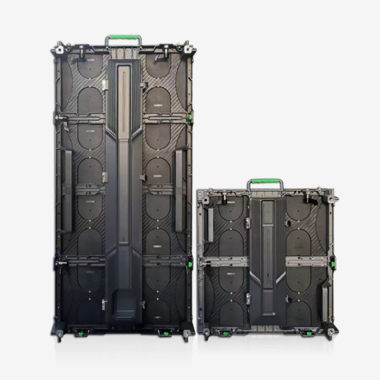
Cabinet Frame: The foundation of the system.
Material: Heavy-duty aluminum alloy is standard. It provides an excellent strength-to-weight ratio and, crucially, acts as a massive heat sink for thermal management. Magnesium alloy is sometimes used for high-end products where weight is a critical factor.
Sealing: Silicone gaskets line every seam between panels and on access doors. These create a watertight and dustproof seal when the panels are locked together.
Locking Mechanism: Heavy-duty, tool-less locks (e.g., reinforced versions of NDI® or custom designs) are used. They must be able to withstand wind vibration and maintain a perfectly aligned and sealed display surface.
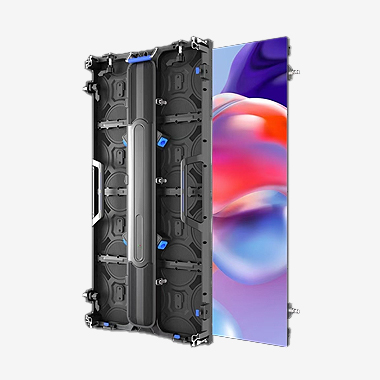
LED Modules: The image-generating surface.
LED Type: High-brightness SMD (Surface-Mount Device) LEDs are used, typically in a -in-1 configuration. These are specifically chosen for their ability to output the intense light required for sunlight readability (often 6,000 to 8,000 nits).
Protection: Unlike indoor panels, outdoor modules are potted. This process involves filling the entire module with a transparent epoxy or silicone resin. This encapsulates the LEDs, driver ICs, and circuitry, protecting them from moisture, corrosion, thermal stress, and physical shock. A dark face mask is used to enhance contrast in high-ambient light.
Thermal Management: This is a paramount concern.
Active Cooling: Passive cooling is insufficient for the heat generated by high-brightness LEDs in an enclosed, sun-exposed cabinet. Therefore, outdoor rental cabinets incorporate active cooling systems.
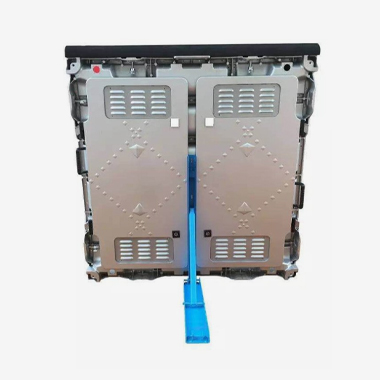
IP-Rated Fans: High-capacity, IP65-rated exhaust fans are installed at the top of the cabinet to expel hot air. IP-rated intake vents with dust filters are placed at the bottom, creating a constant convective airflow.
Heaters: Thermostatically controlled heaters are installed to prevent condensation inside the cabinet during cold or humid conditions, which is a critical failure point for electronics.
Connectivity:
Power: Industrial-grade, locking power connectors (e.g., PowerCON TRUE1) are used for safe and secure daisy-chaining.
Data: Robust, waterproof data connectors (e.g., IP67-rated Harting or Fischer) ensure the signal network remains intact in wet conditions.
C. The Supporting Ecosystem:
Transportation: Custom-built, heavy-duty ATA flight cases with shock-absorbent foam are essential. These cases are often wheeled and designed for rough handling.
Rigging System: A dedicated, engineer-certified flying frame is used. The cabinets bolt securely to this frame, which is then lifted as a single unit by chain hoists onto a trailer or a permanent support structure. Safety is the absolute priority.
The construction of an outdoor hire panel is a masterclass in over-engineering for reliability. It is built to be unyielding in the face of nature and forgiving of the demands of a fast-paced rental schedule.
The fundamental working principle of an outdoor hire LED panel revolves around generating supremely bright light visible in direct sunlight and managing the complex system reliably in an unpredictable environment. It's a continuous battle against nature, fought with precision electronics and robust engineering.
A. Image Formation: High-Intensity Electroluminescence
At its core, each pixel operates on the principle of electroluminescence, where electrons recombine with electron holes within a semiconductor, releasing energy as photons (light). For outdoor advertising, the intensity of this light is everything.
High-Brightness LEDs: The LEDs themselves are manufactured with materials and structures optimized for maximum luminous efficacy, producing a much higher light output per watt than indoor LEDs.
Pulse-Width Modulation (PWM): The intensity of each red, green, and blue LED is controlled via PWM. The driver ICs rapidly switch the LEDs on and off. The human eye integrates this flickering over time, perceiving a longer "on" pulse as a brighter light. This allows for precise control over the grayscale and colour of each pixel, even at these extreme brightness levels.
B. The Battle for Visibility: Brightness and Contrast
The primary operational challenge is overcoming ambient sunlight.
High Nit Rating: These displays boast brightness levels of 6,000 to 10,000 nits or more. A "nit" is a unit of luminance equivalent to one candela per square meter. This immense output ensures the content remains vibrant and readable even under the peak midday sun.
Automatic Brightness Control (ABC): A crucial intelligent feature. An ambient light sensor continuously monitors the sunlight falling on the screen. The control system automatically adjusts the LED's power output throughout the day. It will run at full brightness at noon and gradually dim in the evening and night. This not only ensures optimal visibility but also conserves significant energy and reduces light pollution, ensuring compliance with local regulations.
C. Environmental Management and System Control
Thermal Regulation: Temperature sensors inside each cabinet feed data to the main controller. If the internal temperature exceeds a set threshold (e.g., from solar loading and LED heat), the IP-rated cooling fans are activated. If the temperature drops too low or humidity rises, the heaters engage to prevent condensation. This active climate control is non-negotiable for longevity.
The Signal Chain:
Content Source: Managed from a remote location, content is scheduled and played out from a media server or cloud-based content management system (CMS).
Processing and Transmission: The video signal is processed and distributed. For large or remote installations, fibre optic cables are often used to transmit data over long distances without signal degradation to the site.
On-Site Control: A weatherproofed sending controller and network switch are housed in an on-site cabinet. It receives the signal, processes it for the specific panel configuration, and distributes it to the receiving cards in each LED cabinet via a robust, daisy-chained data network.
The "working" of an outdoor hire display is an automated, intelligent process. It's a system that constantly self-monitors and self-regulates, adjusting its output and internal environment to guarantee that the advertiser's message is delivered with brilliant clarity, 24 hours a day, regardless of what nature dictates.
The use of hire-based outdoor LED displays offers a powerful set of advantages for advertisers, but it also introduces a distinct set of challenges that must be carefully managed by both the rental company and the client.
Advantages:
Unmatched Impact and Visibility: The combination of massive size, high brightness, and dynamic video content creates an advertising medium that is virtually impossible to ignore. It commands attention in high-traffic areas, generating immense brand exposure and recall.
Campaign Flexibility and Timeliness: Advertisers can launch time-sensitive campaigns aligned with product launches, events, or seasons. Content can be changed instantly and remotely across multiple locations, allowing for dayparting (showing different ads at different times), promoting flash sales, or reacting to real-world events.
High Return on Investment (ROI) for Short-Term Needs: Renting eliminates the multi-million-dollar capital outlay for a permanent display. Brands can access prime advertising real estate for a fraction of the cost, paying only for the duration of their campaign. This makes it viable for shorter, more focused marketing pushes.
Measurability and Integration: Modern digital displays can be integrated with data analytics. While privacy-compliant, they can use sensors to measure anonymized audience demographics, dwell time, and even interact with mobile devices via Bluetooth or Wi-Fi, providing valuable metrics for campaign effectiveness.
Superior Brand Image and Modernity: Utilizing a high-tech, dynamic display projects an image of innovation, affluence, and brand strength. It positions the advertiser as a modern, cutting-edge leader in their field.
Challenges:
Logistical Complexity and Cost: Transporting, installing, and de-rigging large, heavy panels in urban environments is a major operation. It requires road closures, cranes, certified riggers, and complex traffic management plans. This logistics overhead is a significant part of the total rental cost.
Regulatory and Permitting Hurdles: Securing permits for a temporary structure can be a lengthy and complex process involving local councils, transportation departments, and safety agencies. Regulations concerning size, brightness (especially at night), duration, and content can be strict and vary by municipality.
Weather Dependency and Risk: While the panels are weatherproof, extreme weather events like hurricanes, lightning storms, or exceptionally high winds can delay installation, damage equipment, or force the shutdown of a campaign, posing a financial risk.
Content Production Demands: The effectiveness of the medium is entirely dependent on high-quality content. Video ads must be produced specifically for the large, vertical format of most billboards and be designed to grab attention within a few seconds. This adds to the overall campaign cost.
Limited Prime Locations and Availability: The best advertising locations are highly sought after. Availability for short-term hires may be limited, and costs for these prime spots are consequently very high, requiring long-term planning and negotiation.
In conclusion, the advantages of impact, flexibility, and measurability are profound. However, a successful campaign requires a skilled rental partner who can expertly navigate the significant challenges of logistics, regulation, and technology to ensure the message is seen brilliantly and without interruption.
The application of hired outdoor LED displays is focused on high-impact, temporary advertising campaigns, while future trends are poised to make them more interactive, intelligent, and integrated into the urban fabric.
Applications:
Major Product Launches and Brand Campaigns: Automobile companies, tech firms, and fashion brands use temporary LED walls to create a massive buzz for a new product. A prime example is the use of screens in Times Square or Piccadilly Circus for a limited-time reveal.
Sporting Events: Temporary screens are installed around stadiums or in fan zones for major tournaments (like the Olympics or the FIFA World Cup) to show live action, replays, and sponsor messages, enhancing the experience for crowds outside the main venue.
Music Festivals and Cultural Events: Festivals use large rental displays as stage backdrops and to show performances to large crowds. Sponsors leverage this for branding, and the screens are dismantled after the event, leaving no permanent footprint on the landscape.
Seasonal and Holiday Advertising: Retailers hire screens during peak shopping periods like Christmas or Black Friday to promote special offers and drive footfall to specific stores or malls.
Political Campaigning and Public Awareness: Temporary digital billboards are used intensively in the final stages of election campaigns for last-minute messaging. They are also used for government-led public health or safety awareness campaigns.
Future Trends:
Integration with Augmented Reality (AR): Screens will act as a trigger for AR experiences on smartphones. A person viewing the ad could point their phone at it to unlock interactive games, additional product information, or special offers, bridging the gap between OOH and mobile marketing.
Programmatic Buying and Real-Time Content: The adoption of programmatic platforms for outdoor advertising will grow. This will allow advertisers to buy screen time automatically based on specific data triggers, such as weather conditions (e.g., showing sunscreen ads on hot days), traffic flow, or even sports scores, making advertising contextually relevant in real-time.
Enhanced Sustainability: Energy consumption is a major focus. Future trends will include:
More Efficient LEDs: Development of LEDs that provide more lumens per watt, reducing the power needed for high brightness.
Integrated Solar Panels: Exploring the use of transparent solar panels or solar canopies above installations to offset energy use.
Smart Power Management: Advanced systems that deeply dim screens during low-traffic hours or when no one is detected nearby.
Hyper-Localized and Data-Driven Content: Using anonymized data from mobile networks or IoT sensors, screens will deliver incredibly localized advertising. A screen could show ads for a coffee shop to pedestrians in the morning and a restaurant to drivers in the evening, based on real-time audience composition.
Improved Form Factors and Transparency: The development of lighter, thinner, and even transparent outdoor panels will open up new applications. Transparent LED could be hired for storefront windows during a sale, allowing the product and the digital ad to be seen simultaneously, without a bulky traditional screen blocking the view.
The future of outdoor LED hire is moving towards a more connected, responsive, and sustainable model. It will evolve from a one-way broadcast medium into an interactive, data-informed touchpoint within the smart city ecosystem.
6. Conclusion: The Dynamic Vanguard of Modern Advertising
Outdoor LED hire display panels have cemented their role as the dynamic vanguard of modern advertising. They offer an unparalleled combination of sheer spectacle, strategic flexibility, and measurable impact that static billboards and many digital mediums cannot match. The rental model has democratized access to this premium advertising channel, transforming it from a capital-intensive permanent fixture into an agile, on-demand tool for marketers. This allows brands of all sizes to execute grandiose, temporary campaigns that generate massive public awareness and define cultural moments.
The success of this medium is a testament to remarkable engineering achievements. The ability to package such resilient, high-performance technology into a modular, transportable, and rapidly deployable format is nothing short of extraordinary. These panels are built to defy the elements and the rigors of the road, all while delivering broadcast-quality imagery that captivates audiences in broad daylight. This technical reliability is the foundation upon which the entire hire industry is built.
However, the technology itself is only part of the equation. The true value is delivered by the expertise of the rental companies—their project managers who navigate complex permits, their engineers who design safe and effective installations, and their technicians who bring these digital spectacles to life under tight deadlines. They transform hardware into impact.
Looking ahead, the convergence of this physical medium with digital data and interactive technology is its future. The shift from passive broadcast to responsive, engaging, and context-aware communication will deepen its value for advertisers. As trends like programmatic buying, AR integration, and sustainability advance, outdoor LED hire will become an even smarter, more efficient, and more integrated component of the marketing mix.
In conclusion, outdoor LED hire panels are more than just advertising space; they are a service for creating public spectacle. They provide the flexibility to amplify messages when and where it matters most, making them an indispensable tool for building brand presence in the physical world. In the ongoing battle for consumer attention, they remain one of the most powerful and persuasive weapons available.


Copyright © 2026 Shenzhen Cogo Technology Co.,Ltd.
All Rights Reserved

 Previous article