




 Chat Now
The open highway, a symbol of movement and freedom, has long been flanked by advertising billboards. For decades, these were static, printed structures, their messages fixed for weeks or months at a time. The digital revolution transformed this landscape, literally and figuratively, with the advent of the outdoor LED display billboard. These colossal, dynamic screens have become the digital sentinels of the roadway, capturing the attention of millions of motorists daily with bright, moving, and changeable content. An outdoor LED billboard for highway applications is not merely a large television; it is a highly specialized piece of engineering designed to withstand the elements, deliver unparalleled visibility, and operate reliably 24/7 in one of the most demanding environments imaginable. This overview explores the essence of these digital giants, their evolution, core purpose, and their transformative impact on the out-of-home (OOH) advertising industry and the highway ecosystem.
The genesis of the digital highway billboard lies in the convergence of advancing LED technology and the advertising industry's need for greater flexibility and impact. Early attempts at electronic signs were simple monochromatic message boards or low-resolution dot-matrix displays used for public information. The breakthrough came with the development of high-brightness Light Emitting Diodes (LEDs) and, crucially, the innovation of surface-mount device (SMD) technology. This allowed for the creation of robust, full-color pixels that could be assembled into modules and scaled to the massive sizes required for long-distance viewing. The first digital billboards were primitive by today's standards—low resolution, expensive, and prone to failure. However, they demonstrated an undeniable power: the ability to change messages remotely and without the physical labor and waste associated with printed vinyl.
The core function of a highway LED billboard is audience engagement. The audience, however, is unique: they are drivers and passengers traveling at high speeds (often 65+ mph or 100+ km/h), with a limited field of view and attention span measured in mere seconds. This fundamental constraint dictates every aspect of the billboard's design, from its size and brightness to its content strategy. The billboard must deliver a message that is comprehended almost instantly. This has given rise to the "6-word, 3-second" rule of thumb in the industry, emphasizing ultra-short, visually driven messages.
The business model behind these billboards revolutionized the OOH advertising industry. A single digital structure can host multiple advertisers, cycling through 6-10 messages every minute. This "dayparting" allows advertisers to target specific times of day (e.g., breakfast ads in the morning, dinner specials in the evening) and dramatically increases the revenue potential of the physical sign structure for its owner. Ad campaigns can be uploaded, scheduled, and changed instantly from a central office anywhere in the world, providing an agility that static billboards could never offer. This dynamism also makes the medium ideal for real-time or context-aware messaging, such as amber alerts, traffic conditions, or weather warnings, adding a layer of public service functionality.
The placement of these billboards is also a matter of intense study and regulation. They are strategically located in high-traffic-volume areas, on key commuter routes, and near decision points (e.g., before highway exits with gas, food, and lodging options). Their value is calculated based on metrics like Daily Effective Circulation (DEC)—the number of people likely to see the sign—which is influenced by traffic speed, number of lanes, and proximity to the road.
However, the proliferation of digital billboards has not been without controversy. Concerns regarding driver distraction and potential impacts on road safety have been the subject of numerous studies and debates. Regulatory bodies in different countries and states have established strict guidelines governing their brightness, particularly at night, message change rates (mandating static display times to prevent overly flashy transitions), and minimum spacing between structures to prevent "driver overload."
In essence, the outdoor LED highway billboard is a masterpiece of applied technology. It is a fusion of high-value commercial real estate, advanced electrical engineering, sophisticated software management, and strategic advertising. It represents a shift from passive, long-term brand building to active, short-term call-to-action messaging aimed at a captive, mobile audience. As we delve into its design, principles, and applications, it becomes clear that these luminous giants are far more than just signs; they are powerful communication nodes in the network of modern transportation, permanently altering the visual and commercial grammar of the highway.
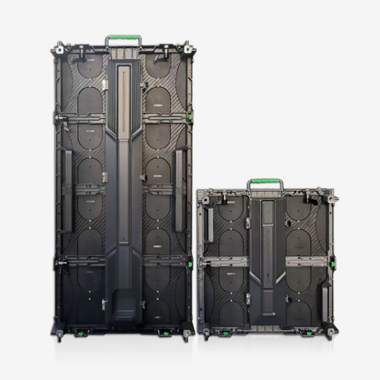
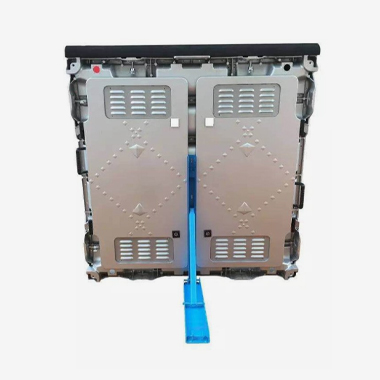
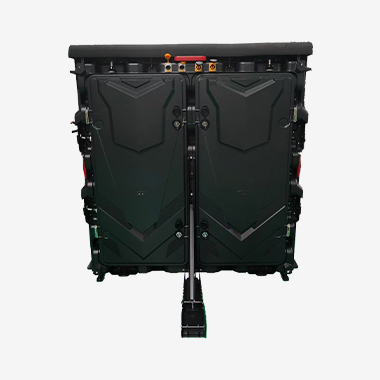
The design and construction of LED display video wall signage focus on seamless integration, durability, and performance optimization. At its core are modular LED panels—the building blocks, typically 500x500mm or 600x600mm, with edge-to-edge design to minimize visible gaps (bezels) between panels (often as narrow as 0.5mm for "seamless" effects). Each panel contains RGB LED diodes, driver ICs, and a lightweight circuit board; panel materials vary by use: indoor models use plastic or thin aluminum frames for slimness, while outdoor versions adopt corrosion-resistant aluminum alloy for weather protection.
Pixel pitch is a critical design factor: smaller pitches (0.9–2.5mm) suit indoor close-viewing (e.g., corporate lobbies), while larger pitches (3–10mm) work for outdoor or long-distance viewing (e.g., stadiums). The support structure depends on installation: wall-mounted video walls use rail systems for precise panel alignment; floor-standing setups use sturdy frames for stability; and curved video walls require flexible panels that bend to specific radii.
Outdoor video walls add protective features: IP65/IP67 waterproof ratings, anti-UV coatings to prevent color fading, and temperature control systems (fans or heat sinks) for extreme climates. The control system includes a sending card (connecting to a content source), receiving cards (per panel/group), and software (e.g., NovaLCT) for calibration—ensuring uniform brightness/color across all panels. Together, these elements create a cohesive, high-performance video wall tailored to specific environment needs.
The operation of a highway LED billboard is a high-stakes ballet of data and light, orchestrated to capture and communicate within an impossibly short window of opportunity. The working principles are engineered around a single, overriding constraint: the viewer is a driver traveling at high speed, with a typical "dwell time" of only 3 to 5 seconds. The technology must therefore be optimized not for leisurely viewing, but for instantaneous visual comprehension and impact. This involves a streamlined chain of command from content creation to photon emission, with robustness and simplicity at its core.
The process initiates with Content Creation and Management. Unlike broadcast content, billboard messaging is designed for ultra-rapid consumption. This involves bold, simple visuals, minimal text (often just a logo, website, and a compelling image), and high-contrast colors. This content is created on standard computers but is meticulously tailored to the specific dimensions and resolution of the target billboard. The content is then uploaded to a Content Management System (CMS), a cloud-based software platform that allows advertisers and billboard operators to schedule campaigns across multiple signs from a central location. Schedules are created, specifying which ads run at what times of day and for what duration.
The next step is Data Transmission and The Video Controller. The scheduled content is pushed from the CMS to the Outdoor Video Controller located on-site at the billboard. This transfer can happen via various means: wired internet fiber, cellular networks (4G/5G), or satellite link. The controller is the dedicated brain of the billboard. Its first job is to store the scheduled playlists. Its second, more complex job is to process the video signal for display. It takes the source content and maps it to the exact pixel grid of the billboard, which rarely matches a standard video resolution. It also performs critical color calibration to ensure brand colors are reproduced accurately across the entire display.
A paramount function of the controller is Automatic Brightness Regulation. It continuously receives input from the ambient light sensor mounted on the billboard. Using this data, it dynamically adjusts the output intensity of the LEDs in real-time. On a brilliant sunny afternoon, it will drive the LEDs at full power (e.g., 8,000 nits). As the sun sets, it will progressively dim the display. Late at night, it may operate at only 10-20% of its maximum brightness. This is not just a regulatory requirement; it is crucial for preventing driver discomfort and glare, which constitutes a safety hazard.
From the controller, the processed video data is sent to the LED Cabinets via robust, daisy-chained data cables. Inside each cabinet, receiver cards take the portion of the data intended for that cabinet and pass the rest along. The data then travels to the LED Modules.
On the module, the data reaches its final destination: the Driver Integrated Circuits (ICs). These chips are the unsung heroes of the display, responsible for the precise control of each individual LED. They use a technique called Pulse Width Modulation (PWM) to control brightness. Instead of varying the analog current to an LED (which would alter its color and efficiency), PWM works by switching the LED on and off at a very high frequency that is imperceptible to the human eye.
The perceived brightness is determined by the duty cycle—the percentage of time the LED is in the "on" state within each rapid cycle. A 50% duty cycle results in 50% perceived brightness; a 10% duty cycle results in 10% brightness. The driver IC independently controls the PWM for the red, green, and blue sub-pixels within a single pixel. By mixing these three colors at thousands of different intensity levels, millions of colors can be produced. The refresh rate (the speed at which the entire screen is redrawn) must be very high to avoid flicker, which can be especially problematic when the display is recorded by vehicle cameras or seen through smartphone cameras.
For highway billboards, the driving current is particularly high to achieve the necessary luminous intensity. This is a carefully balanced act; driving the LEDs harder increases brightness but also generates more heat and can reduce their operational lifespan. This is why the thermal management systems discussed in the design section are so critical—they allow the LEDs to be driven at these high currents without overheating.
The entire system is designed for redundancy and remote monitoring. Operators can typically check the status of every billboard in their network from a central office. They receive alerts for any faults, such as a power supply failure, a module going dark, or a temperature exceeding safe limits. This allows for proactive maintenance, which is essential for minimizing downtime on such a high-value asset.
In essence, the working principle of a highway LED billboard is a masterclass in efficient, reliable communication. It takes a simple, potent message, ensures it is delivered with blinding clarity regardless of the weather, manages its power to be safe and compliant, and does so with a robustness that requires minimal human intervention. It is a system where every millisecond and milliampere are optimized for one purpose: to make an indelible impression in the fleeting moment it has with its audience.
The adoption of LED technology for highway billboards represents a seismic shift from static to dynamic media, offering profound advantages for advertisers, operators, and even the public. However, this powerful medium exists within a complex web of technical, economic, and social challenges. A clear assessment of both sides is crucial for understanding its role in the modern world.
Advantages:
Unrivaled Impact and Visibility: The primary advantage is sheer dominance of the visual field. The extreme brightness and large format ensure the message is seen, day or night, cutting through visual clutter and environmental conditions that would render other media invisible. The use of motion and video is inherently attention-grabbing, leading to significantly higher recall rates compared to static billboards.
Unprecedented Flexibility and Agility: This is the game-changer for the advertising industry. Ad campaigns can be updated instantly and remotely from anywhere in the world. This allows for:
Dayparting: Running breakfast ads in the morning, lunch specials at noon, and entertainment ads in the evening.
Real-Time Marketing: Changing messages based on live events, weather (e.g., promoting umbrellas or sunscreen), or traffic conditions.
A/B Testing: Quickly testing different creative versions to see which performs best.
Elimination of Physical Labor and Waste: No need for crews to manually change vinyl, reducing costs and eliminating the waste from printed materials.
Enhanced Revenue Potential for Operators: A single digital structure can host 6, 8, or even 10 different advertisers, cycling through their messages every minute. This multiplies the revenue-generating potential of the physical land parcel many times over compared to a static billboard that hosts one advertiser for a month.
Public Service and Emergency Functionality: Digital billboards can be integrated into public alert systems. They can instantly broadcast Amber Alerts for missing children, Silver Alerts for missing seniors, critical weather warnings (tornadoes, flash floods), and important traffic information (major accidents, road closures). This transforms them from purely commercial entities into valuable community assets that can save lives and protect property.
Measurability and Accountability: Unlike static billboards, whose audience is estimated through traffic models, digital billboards can be integrated with more precise metrics. While they don't track individuals, operators can provide advertisers with verified data on when their ads ran, for how long, and how many cycles they completed, offering a greater level of accountability for the advertising spend.
Challenges and Considerations:
Driver Distraction and Safety Concerns: This is the most significant and debated challenge. The fundamental purpose of the billboard is to attract driver attention, which inherently creates a potential distraction. The question of whether this distraction leads to an increase in traffic accidents has been the subject of numerous studies, with often conflicting results. Regulators walk a fine line, implementing rules on brightness, minimum display times (to prevent overly frantic animation), and transition effects (banning quick fades or flashes that could mimic emergency vehicles) to mitigate risk.
Substantial Initial Investment and Operating Costs: The capital expenditure (CAPEX) for a digital billboard is enormous. Costs include the steel structure, the LED display system, the video controller, the installation, and the necessary electrical work. Operating costs are also high, dominated by significant electricity consumption to power the LEDs and cooling systems, as well as ongoing maintenance and lease costs for the land.
Technical Maintenance and Reliability: Operating 24/7 in harsh conditions takes a toll. While LEDs are long-lasting, other components like power supplies, fans, and controllers can fail. A single dead module can create a visible dark spot, degrading the image. Maintenance requires specialized technicians who can work at height, often requiring a bucket truck. Downtime is extremely costly, so proactive monitoring and quick repair response are essential.
Regulatory and Zoning Hurdles: The placement and operation of digital billboards are heavily regulated. Municipalities have strict codes governing their size, height, spacing, brightness, and placement (e.g., proximity to residential areas or scenic highways). Obtaining the necessary permits can be a long, expensive, and uncertain process. There is also ongoing opposition from community groups concerned about "visual pollution" and the commercialization of public spaces.
Content Liability and Community Standards: The ability to change content instantly carries the risk of inappropriate or offensive material being displayed, either through error or malice. Operators must have robust content review processes and security protocols to prevent hacking. They must also navigate community standards, as a highly visible billboard can become a flashpoint for public controversy if the content is deemed unsuitable.
Light Pollution and Environmental Impact: The intense light output contributes to skyglow, particularly in urban areas, which is a growing concern for astronomers and environmentalists. The high energy consumption also contributes to the carbon footprint of the advertising operation, though this is being mitigated by more efficient LED technology and the use of renewable energy sources by some operators.
In conclusion, the digital highway billboard is a high-value, high-impact tool whose advantages are transformative for the advertising industry and public communication. However, its power is matched by significant responsibilities and challenges. Its sustainable future depends on a careful balance: leveraging its flexibility and reach while rigorously addressing concerns around safety, community impact, and energy use through responsible practices, smart technology, and thoughtful regulation.
While commercial advertising is the primary economic engine driving the deployment of highway LED billboards, their application set is expanding. Their unique attributes—large format, high visibility, remote manageability, and strategic placement—make them ideal platforms for a variety of uses beyond brand promotion. Concurrently, technological and societal trends are shaping the future evolution of this medium, pushing it towards greater intelligence, integration, and functionality.
Current and Expanding Applications:
Dynamic Roadway Information and Traffic Management: This is a critical public-service application. Billboards are increasingly used by transportation departments to display real-time traffic information. This includes:
Congestion Warnings: Alerting drivers to delays ahead and suggesting alternative routes.
Travel Times: Providing estimated drive times to key destinations or interchanges.
Incident Alerts: Informing drivers of accidents, roadwork, or lane closures ahead, allowing them to slow down or reroute proactively.
Safety Messages: Reminding drivers to wear seatbelts, avoid distractions, or check their speed. This application turns the billboard into an intelligent tool for improving traffic flow and enhancing roadway safety.
Emergency and Public Safety Broadcasts: As part of integrated public warning systems, digital billboards are invaluable. Authorities can instantly override commercial content to broadcast:
AMBER/Silver Alerts: Disseminating details of missing persons to a vast mobile audience.
Weather Emergencies: Warning of imminent tornadoes, hurricanes, or flash floods, often with instructions to seek shelter.
Evacuation Orders: Directing residents during wildfires, floods, or chemical spills.
Homeland Security Messages: In rare cases,用于发布有关安全威胁的 information.
Hyper-Localized and Contextual Advertising: The "spray and pray" model of advertising is giving way to hyper-targeting. Using data feeds, billboards can change messages based on:
Time and Day: Promoting breakfast, lunch, or dinner.
Weather: Advertising hot coffee on cold days, cold drinks on hot days, or umbrellas during rain.
Traffic Conditions: Promoting a nearby restaurant's drive-thru when the highway is congested.
Integration with Mobile Data: While privacy-centric, aggregated and anonymized data from mobile devices can indicate the demographics of the current traffic flow, allowing for more tailored messaging.
Community and Civic Messaging: Local governments and non-profits can use these platforms to promote community events, public health campaigns (e.g., vaccination drives, blood donation appeals), and cultural initiatives, fostering a greater sense of community.
Future Trends:
Integration with Intelligent Transportation Systems (ITS) and V2I: The future lies in the billboard becoming a node in a connected transportation ecosystem. Vehicle-to-Infrastructure (V2I) communication will allow billboards to receive anonymous data from connected vehicles about traffic speed, density, and conditions. They could then display highly personalized and relevant warnings, such as "Icy Bridge Ahead" or "Slow Traffic - 1/2 Mile," with unparalleled accuracy. They could even communicate directly with autonomous vehicles, providing data that the car's sensors cannot yet see.
Advanced Audience Measurement and Analytics: Future systems will move beyond simple traffic counts. Computer vision (with strict privacy safeguards, e.g., anonymized blob detection instead of facial recognition) could be used to analyze audience demographics (estimating age and gender of occupants) and engagement (measuring dwell time and gaze direction). This would provide advertisers with metrics akin to digital online advertising, offering proven audience reach and engagement data.
Increased Resolution and High Dynamic Range (HDR): As LED technology advances and costs decrease, finer pixel pitches will become economical for highway use. This will enable higher-resolution content with more detail. Coupled with HDR technology, which expands the range of contrast and color, billboards will produce imagery with stunning realism and depth, further enhancing their impact.
Enhanced Sustainability: The industry will continue to focus on reducing its environmental footprint. This will involve:
More Efficient LEDs: Ongoing improvements in lumens-per-watt output.
Solar Power Integration: Mounting solar panels on the billboard structure or purchasing renewable energy to offset power consumption.
Improved Thermal Design: Reducing the need for active cooling, thus lowering energy use.
Recyclable Materials: Designing cabinets and components for easier disassembly and recycling at end-of-life.
Augmented Reality (AR) Convergence: While the billboard itself is a physical object, it can serve as a trigger or anchor point for AR experiences. A driver or passenger could point their smartphone at a billboard and see an augmented overlay—for example, seeing a car model drive out of the billboard or getting a coupon code. This blends the mass reach of OOH with the engagement of mobile digital media.
In essence, the future of the highway LED billboard is not just as a brighter or sharper screen, but as a smarter, connected, and more responsible public interface. Its evolution will be marked by a shift from a one-way broadcast medium to an interactive component of the smart city and intelligent transportation infrastructure, serving commercial, public safety, and informational purposes in a seamless and dynamic manner.
6. Conclusion: A Luminous Legacy and a Connected Future
The outdoor LED display billboard for highways is a quintessential technology of the 21st century. It is a powerful synthesis of light, data, and steel that has fundamentally reshaped the economics of outdoor advertising, the visual vocabulary of our roadways, and the potential for public communication. Its journey from a novel curiosity to an industry standard is a story of relentless technological innovation meeting a clear market need for agility and impact.
The conclusions drawn from examining this technology are multifaceted. From a technical standpoint, these billboards are marvels of ruggedized engineering, designed to perform flawlessly in an environment that is actively hostile to electronics. Their success hinges on the precise orchestration of high-brightness LEDs, robust thermal management, intelligent software control, and an overbuilt physical structure—all working in concert to command attention in a glance.
From an economic and industrial perspective, the LED billboard has been transformative. It has created a new, high-value asset class for media companies, multiplied the revenue potential of advertising real estate, and provided brands with an unprecedented level of flexibility and measurability in their outdoor campaigns. It has shifted the industry from a slow, physical labor model to a dynamic, software-driven one.
However, this power comes with significant social and ethical responsibilities. The industry operates under a social license that is contingent on its ability to demonstrably mitigate risks, particularly concerning driver safety and light pollution. The ongoing dialogue between advertisers, operators, regulators, and community groups is not a hindrance but a necessary process for the sustainable and responsible integration of this powerful medium into our shared environment.
Looking forward, the role of the highway LED billboard is poised to evolve beyond commercial messaging. Its future is inextricably linked to the concepts of connectivity and intelligence. As a key node in the emerging Internet of Things (IoT) and Intelligent Transportation Systems (ITS), the billboard will transition from a broadcast tower to a communication hub. It will provide critical, real-time data to drivers and automated vehicles, enhance public safety through integrated alert systems, and serve as a community noticeboard, all while continuing to deliver targeted commercial messages.
The enduring legacy of the digital billboard is that it proved static media could be made dynamic on a grand scale. It demonstrated that the physical world could be infused with the flexibility of the digital one. The challenge and opportunity that lie ahead are to ensure that this luminous technology continues to brighten not just the landscape, but also the safety, efficiency, and connectedness of the journeys we take upon it. It is no longer just a sign; it is becoming an intelligent guide on the modern highway.


Copyright © 2026 Shenzhen Cogo Technology Co.,Ltd.
All Rights Reserved

 Previous article