




 Chat Now
In the dynamic realm of stage performances, LED display stage signage has emerged as a revolutionary and indispensable element, redefining the visual landscape of theaters, concert halls, and event venues. These displays, composed of multiple LED panels, offer a versatile and impactful means of enhancing the overall stage experience for both performers and audiences.
The primary significance of LED display stage signage lies in its ability to create immersive visual environments that complement and elevate the performance. Unlike traditional static stage backdrops or simple lighting setups, LED displays can showcase a vast array of dynamic content, from high - definition videos and vivid images to intricate animations and real - time data visualizations. This flexibility allows stage directors and designers to craft unique and engaging visual narratives that align perfectly with the theme, mood, and storyline of the performance, whether it's a dramatic play, a musical concert, or a contemporary dance show.
One of the key advantages of LED display stage signage is its high - resolution and bright display capabilities. With advancements in LED technology, modern stage displays can achieve extremely fine pixel pitches, ensuring sharp and detailed visuals even when viewed from close distances. The high brightness levels of these displays make them visible even in well - lit stages, and they can produce a wide range of colors with excellent accuracy, bringing the on - stage visuals to life. This high - quality visual output not only captivates the audience but also provides performers with a more inspiring and immersive environment to interact with.
Another notable benefit is the interactivity that LED display stage signage can introduce to the stage. Through integration with various sensors, control systems, and real - time data sources, these displays can respond dynamically to the actions of performers, the rhythm of the music, or even the behavior of the audience. For example, in a concert, the LED display can change colors and patterns in sync with the beats of the music, or in a theater production, it can display real - time subtitles or interactive graphics that enhance the storytelling process. This interactivity adds an extra layer of engagement and excitement to the stage performance, blurring the boundaries between the performers and the audience.
LED display stage signage also offers practical advantages in terms of flexibility and ease of use. Content on these displays can be easily updated and customized for different performances, eliminating the need for costly and time - consuming physical set changes. Stage crews can simply load new digital content onto the display system, allowing for quick adaptations to different shows or even changes within a single performance. Additionally, the modular design of many LED displays makes them easy to install, dismantle, and transport, making them suitable for a wide range of venues and touring productions.
In summary, LED display stage signage has become a cornerstone of modern stage design, combining high - quality visuals, interactivity, flexibility, and practicality to create unforgettable stage experiences that leave a lasting impression on audiences around the world.
The design and construction of LED display stage signage involve a meticulous process that combines advanced technology, engineering expertise, and creative design to meet the specific requirements of stage performances.
Component Selection
At the heart of LED display stage signage are the LED panels. The selection of LED panels is crucial as it directly impacts the visual quality, durability, and performance of the display. High - quality LED chips are the foundation of these panels. They are chosen based on factors such as brightness, color accuracy, viewing angle, and lifespan. For stage applications, LED chips with high - brightness ratings are preferred to ensure visibility even under bright stage lighting. Additionally, chips that offer a wide color gamut and excellent color - rendering index (CRI) are selected to accurately reproduce the rich colors of costumes, sets, and visual effects.
The pixel pitch of the LED panels is another critical consideration. The pixel pitch determines the resolution of the display, with smaller pixel pitches offering higher resolution and more detailed visuals. In stage settings, where the audience may be seated at varying distances from the display, a pixel pitch that balances between image clarity and cost - effectiveness is chosen. For close - up viewing areas, such as in small theaters or intimate performance spaces, LED panels with pixel pitches ranging from 1.2mm to 3mm are commonly used. In larger venues with greater viewing distances, panels with slightly larger pixel pitches, such as 3mm to 6mm, may be sufficient.
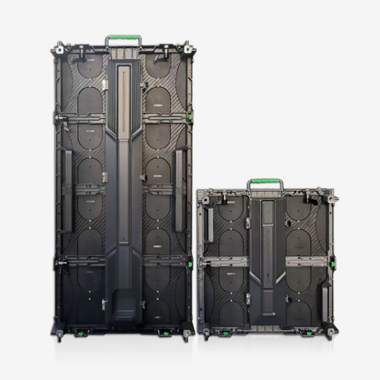
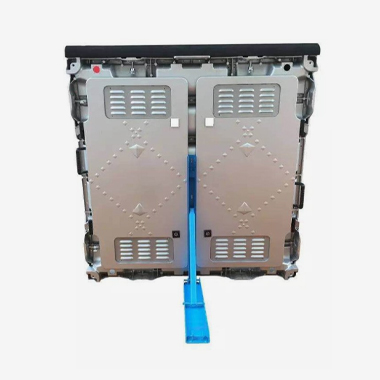
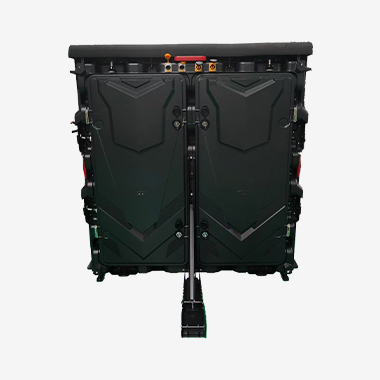
The enclosure of the LED panels is designed to protect the internal components from the rigors of stage use, including dust, moisture, and physical impacts. Materials such as aluminum alloy are often used due to their lightweight yet sturdy nature, as well as their resistance to corrosion. The enclosures are sealed tightly to prevent the ingress of dust and moisture, and they may feature shock - absorbing designs to withstand accidental bumps and vibrations during stage setups and performances.
The control system of the LED display stage signage is a complex and sophisticated component. It includes a video processor, a controller, and signal transmission devices. The video processor is responsible for receiving, processing, and optimizing the input video signals from various sources, such as media servers, cameras, or live streaming platforms. It can perform functions like scaling, cropping, and color correction to ensure that the content is displayed in the best possible quality on the LED panels. The controller manages the communication between the video processor and the LED panels, sending precise control signals to adjust the brightness, color, and refresh rate of each individual LED. High - speed and reliable signal transmission cables, such as HDMI, SDI, or fiber - optic cables, are used to transmit the video and control signals, minimizing signal loss and interference.
Assembly and Integration
The assembly process of LED display stage signage begins with the installation of the individual LED panels. These panels are typically mounted on a sturdy frame or structure, which can be customized to fit the specific dimensions and layout of the stage. Specialized mounting brackets and fixtures are used to ensure a secure and stable installation, while also allowing for precise alignment of the panels to create a seamless display surface. In some cases, the LED panels may be integrated into the stage set itself, becoming an integral part of the stage design.
Once the LED panels are installed, the control system is integrated. The video processor and controller are usually placed in a dedicated control rack or cabinet, which is located near the stage for easy access and maintenance. The signal transmission cables are carefully connected between the source devices, the control system, and the LED panels. Rigorous testing is conducted at this stage to ensure that all connections are secure and that the display can operate smoothly without any signal issues, such as lag, distortion, or dropped frames.
In addition to the LED panels and control system, LED display stage signage may also incorporate other components, such as audio systems, lighting control interfaces, and environmental sensors. Integration of these additional components requires careful planning and coordination to ensure seamless operation and a cohesive stage experience. For example, the LED display can be synchronized with the stage lighting system to create a more immersive visual and auditory experience, or environmental sensors can be used to adjust the brightness of the display automatically based on the ambient light conditions in the venue.
Customization
LED display stage signage can be highly customized to meet the unique requirements of different stage performances. Customization options include the size and shape of the display. Displays can be designed in various shapes, such as rectangular, square, circular, or irregular shapes, to fit the stage design and enhance the overall aesthetic of the performance. The size of the display can range from a small - scale installation for intimate performances to a large - scale setup that covers an entire stage backdrop or even multiple surfaces of the stage.
The content displayed on the LED signage can also be fully customized. Stage designers and directors can work with graphic designers, video producers, and visual artists to create unique and engaging visual content that complements the theme and storyline of the performance. This can include custom - made animations, 3D models, live video feeds, and real - time data visualizations. Additionally, the display can be integrated with other stage elements, such as projection mapping, fog machines, or pyrotechnics, to create a more spectacular and immersive stage experience.
The operation of LED display stage signage is based on a combination of electrical, optical, and digital signal processing principles, which work in harmony to deliver high - quality, dynamic visual content that enhances the stage performance.
LED Operation and Light Emission
LED display stage signage operates on the principle of electroluminescence. When an electric current is applied to the LED chips within the display panels, electrons and holes in the semiconductor material of the LED recombine. This recombination process releases energy in the form of photons, resulting in the emission of light.
For full - color displays, each pixel in the LED panel typically consists of multiple LED chips, usually red, green, and blue (RGB) LEDs. By precisely controlling the intensity of each color LED, a vast range of colors and shades can be created. The color of the emitted light depends on the energy bandgap of the semiconductor material used in the LED chip. Different semiconductor materials produce different colors, and through careful calibration and control of the LED driver circuits, the display can achieve accurate color reproduction and a wide color gamut, ensuring that the visuals displayed on the stage are vivid and true - to - life.
Image Generation and Display
To generate an image on an LED display stage signage, digital video or data signals are first received by the display's control system. These signals can come from various sources, such as pre - recorded video files stored on a media server, live video feeds from cameras positioned around the stage, or real - time data from visual effects generators. The video processor within the control system decodes and processes these signals.
The video processor converts the input signals into a format that can be understood by the LED driver circuits of the individual panels. It divides the image or video into individual pixels and determines the intensity values for each color LED in each pixel. The LED driver circuits then control the current flowing through each LED chip in the display panels. By precisely adjusting the current, the brightness of each LED can be regulated, and the desired image or video is displayed on the stage signage.
The LED panels in the display are arranged in a matrix pattern. The control system scans through each row and column of this matrix at high speeds to update the state of each LED in real - time. This rapid scanning, combined with the fast - switching capabilities of the LEDs, enables the display of smooth videos and dynamic animations without any noticeable flicker or lag. The high refresh rate of the LED panels ensures that the images remain sharp and stable, even when displaying fast - moving stage actions, such as dance performances or quick - paced scene changes.
Signal Transmission and Control
The control system of the LED display stage signage also manages the signal transmission between the input source and the LED panels. High - speed data cables, such as HDMI, SDI, or fiber - optic cables, are used to transmit the digital signals from the source devices to the video processor and then to the LED panels. These cables are designed to minimize signal loss and interference, ensuring that the video and control signals are transmitted accurately and in real - time, even over relatively long distances within the stage setup.
Standard communication protocols, such as SPI (Serial Peripheral Interface), DMX (Digital Multiplex), or proprietary LED control protocols, are used to ensure accurate and synchronized display of the content. These protocols define the format and timing of the data transmission, allowing the control system to precisely control the state of each LED in the display, including its brightness, color, and switching frequency.
In addition, modern LED display stage signage often incorporates wireless control capabilities. This allows stage technicians and directors to remotely manage and update the display content, adjust the display settings (such as brightness, contrast, and color temperature), and monitor the performance of the signage from a central location, such as the stage control booth. Wireless control technologies, such as Wi - Fi, Bluetooth, or 5G, provide a convenient and efficient way to manage the display during rehearsals and performances, enabling quick adjustments and seamless integration with other stage systems.
Advantages
One of the most significant advantages of LED display stage signage is its ability to enhance the visual appeal of stage performances. The high - resolution, bright, and colorful displays can transform the stage into a captivating visual spectacle, immersing the audience in the performance and creating a more engaging and memorable experience. Whether it's a historical drama with detailed period backdrops or a modern concert with flashy visual effects, the LED signage can bring the creative vision of the stage designers to life.
The flexibility in content presentation is another major benefit. Stage productions can easily change the visuals displayed on the LED signage to match different scenes, moods, or storylines within a performance. This eliminates the need for elaborate and time - consuming physical set changes, allowing for smoother transitions between scenes and a more dynamic flow of the performance. For example, in a musical, the LED display can quickly change from a sunny meadow scene to a dark and stormy night with just a few clicks, enhancing the storytelling process.
LED display stage signage also offers excellent interactivity. It can be integrated with various sensors and control systems to respond to the actions of performers or the input from the audience. This interactivity adds a new dimension to the stage performance, making it more engaging and interactive. For instance, in an experimental theater production, the LED display could react to the movements of the actors, creating a unique and ever - changing visual experience for the audience.
In terms of cost - effectiveness in the long run, although the initial investment in LED display stage signage can be high, the long lifespan of LED components and the reduced need for frequent replacements of physical set elements result in overall cost savings over time. Additionally, the energy - efficiency of LED technology compared to traditional lighting and display methods helps to lower electricity costs during performances.
Challenges
Despite their many advantages, LED display stage signage also faces several challenges. One of the primary challenges is the high initial cost. The purchase of high - quality LED panels, control systems, installation equipment, and professional installation services can be prohibitively expensive, especially for smaller theater companies, independent performance groups, or community - based stage productions with limited budgets.
Technical complexity is another significant issue. Installing and maintaining LED display stage signage requires a high level of technical expertise. Ensuring proper electrical connections, signal transmission, and calibration of the LED panels is crucial for achieving optimal visual quality. Any technical issues, such as pixel failures, signal dropouts, or color calibration problems, need to be addressed promptly by trained technicians, which can be time - consuming and costly, especially during the tight schedules of rehearsals and performances.
Another challenge is the compatibility with existing stage equipment and systems. Stage productions often have a complex setup of lighting, audio, and other technical equipment. Integrating the LED display signage with these existing systems can be a difficult task, requiring careful planning and coordination to ensure seamless operation and avoid any technical glitches or interference.
Content creation for LED display stage signage also poses a challenge. Creating high - quality, engaging visual content that complements the stage performance requires specialized skills in video production, graphic design, and digital content management. Stage productions may need to invest in hiring professional content creators or training their staff to produce effective content, which adds to the overall cost and complexity of using LED display stage signage.
Applications
LED display stage signage has a wide range of applications in the performing arts industry. In theater productions, it can be used to create detailed and dynamic backdrops that enhance the storytelling process. For example, in a Shakespearean play, the LED display can depict different historical settings, from the grand halls of royalty to the humble cottages of peasants, transporting the audience to different times and places. It can also be used to display subtitles or translations, making the performance more accessible to a diverse audience.
In musical concerts, LED display stage signage is often used to create a visually stunning atmosphere. It can display music videos, artist images, and dynamic graphics that synchronize with the music, enhancing the overall concert experience for the audience. Additionally, it can be used to display real - time information, such as song titles, lyrics, and social media interactions, increasing audience engagement.
For dance performances, the LED display can serve as a dynamic canvas that complements the movements of the dancers. It can display abstract patterns, colors, and shapes that respond to the rhythm and style of the dance, creating a more immersive and visually captivating experience. In contemporary dance, the LED signage can be used to explore new forms of visual expression, blurring the boundaries between dance and digital art.
LED display stage signage is also widely used in corporate events, award shows, and conferences. It can be used to display event branding, presentations, and live video feeds, enhancing the professional and engaging atmosphere of these events.
Future Trends
The future of LED display stage signage looks promising, with several emerging trends likely to shape its development. One of the major trends is the continuous improvement in image quality. As technology advances, we can expect to see even higher pixel densities, better contrast ratios, and more accurate color reproduction in LED panels. This will enable the display of ultra - high - definition (UHD) and 8K content, providing an even more immersive and detailed visual experience for the audience.
The integration of augmented reality (AR) and virtual reality (VR) technologies with LED display stage signage is another exciting trend. AR and VR can be used to create truly immersive stage experiences, allowing the audience to interact with virtual elements on the stage or even enter a virtual world related to the performance. For example, in a fantasy - themed play, the audience could use AR - enabled devices to see virtual creatures and magical landscapes overlaid on the real - world stage, enhancing the sense of wonder and immersion.
The development of more intelligent and automated control systems is also on the horizon. These systems will be able to automatically adjust the display settings, such as brightness, contrast, and color, based on the ambient lighting conditions, the type of performance, and the preferences of the stage director. They will also be able to integrate more seamlessly with other stage equipment, such as lighting consoles, audio systems, and stage automation devices, enabling more complex and coordinated stage productions with minimal human intervention.
In addition, there is a growing trend towards more sustainable and eco - friendly LED display technologies. Future LED display stage signage is likely to be made from more environmentally friendly materials, and their energy efficiency is expected to improve further, reducing the environmental impact of stage productions. For example, manufacturers may develop LED panels that use less power and have a longer lifespan, or incorporate renewable energy sources, such as solar power, into the display systems.
Conclusion
LED display stage signage has emerged as a transformative force in the world of stage performances, offering a wealth of benefits that enhance the visual appeal, flexibility, and interactivity of stage shows. Despite the challenges associated with high initial costs, technical complexity, compatibility issues, and content creation, its numerous advantages have made it an increasingly popular choice for a wide range of stage productions.
As technology continues to evolve, the future of LED display stage signage is filled with exciting possibilities. Advancements in image quality, the integration of emerging technologies like AR and VR, the development of intelligent control systems, and the focus on sustainability will further revolutionize
the stage performance landscape. With UHD and 8K resolutions becoming the norm, audiences will be able to appreciate every minute detail of the on - stage visuals, from the intricate patterns on costumes to the subtlest expressions of performers. This enhanced image quality will not only elevate the aesthetic appeal of performances but also enable more nuanced storytelling through visual elements.
The integration of AR and VR technologies will break down the barriers between the physical stage and virtual worlds. Imagine a historical drama where the audience, equipped with AR glasses, can see virtual characters from the era interacting with the live actors on the LED - adorned stage. Or in a music concert, fans using VR headsets could be virtually transported to the front row, surrounded by a 360 - degree immersive visual and auditory experience, regardless of their actual seat location. These technological fusions will redefine audience engagement, making stage performances more interactive and personalized.
Intelligent and automated control systems will streamline the production process significantly. Stage technicians will no longer have to manually adjust the LED display settings for each scene; instead, the system will analyze the ambient light, the mood of the performance, and the director's pre - set preferences to make real - time optimizations. This will free up resources and allow for more complex and synchronized productions, where the LED display, lighting, audio, and stage movements work in perfect harmony with minimal human error.
The push towards sustainability will also have a far - reaching impact. As LED display stage signage becomes more energy - efficient and eco - friendly, it will reduce the carbon footprint of stage productions. Smaller theater groups and community - based events, which are often more environmentally conscious, will be more inclined to adopt this technology. Moreover, the use of sustainable materials in manufacturing will contribute to a circular economy within the entertainment industry, minimizing waste and promoting more responsible production practices.
In conclusion, LED display stage signage will continue to be at the forefront of innovation in stage design and performance. It will not only adapt to the evolving needs of artists, directors, and audiences but also drive the industry forward, creating more immersive, efficient, and sustainable stage experiences. As these trends unfold, the future of stage performances holds endless potential, with LED display stage signage serving as a key catalyst for change and creativity.


Copyright © 2026 Shenzhen Cogo Technology Co.,Ltd.
All Rights Reserved

 Previous article