




 Chat Now
In the dynamic realm of outdoor events, such as large - scale music festivals, open - air concerts, and outdoor theatrical performances, outdoor LED stage lighting signage with high brightness has emerged as a game - changing element. Unlike indoor settings, outdoor events are exposed to a variety of environmental factors, including direct sunlight, bright daylight, and varying weather conditions, which pose significant challenges to traditional lighting and signage solutions. High - brightness LED stage lighting signage is specifically designed to overcome these challenges, ensuring that the stage is vividly illuminated and that important information is clearly visible to the audience, regardless of the ambient light conditions.
High - brightness LEDs are the cornerstone of this technology. These LEDs are engineered to emit a significantly higher amount of luminous flux compared to standard LEDs, enabling them to produce intense and vibrant lighting effects that can cut through the glare of sunlight and stand out in broad daylight. When integrated into stage lighting and signage systems, high - brightness LEDs can create a visually stunning spectacle, transforming the outdoor stage into a focal point that captures the attention of the audience from afar.
The increasing popularity of outdoor LED stage lighting signage with high brightness can be attributed to several factors. Firstly, the growing trend of outdoor events has led to a higher demand for lighting and signage solutions that can perform optimally in outdoor environments. As more and more large - scale outdoor events are being organized around the world, there is a need for reliable and high - performance lighting and signage systems that can enhance the overall experience of the attendees.
Secondly, advancements in LED technology have made high - brightness LEDs more efficient, durable, and cost - effective. Through continuous research and development, manufacturers have been able to improve the luminous efficacy of LEDs, reduce power consumption, and extend their lifespan. These improvements have not only made high - brightness LED stage lighting signage more accessible to event organizers but also more sustainable in the long run.
Moreover, the creative possibilities offered by high - brightness LED stage lighting signage are endless. Event producers and lighting designers can use these systems to create a wide range of lighting effects, from bold and dramatic spotlights to soft and ambient washes. The signage aspect of these systems can also display various types of content, such as event schedules, artist names, and promotional messages, in a clear and eye - catching manner, enhancing the overall organization and marketing of the event.
The design and construction of outdoor LED stage lighting signage with high brightness are meticulous processes that require careful consideration of multiple factors to ensure optimal performance, durability, and visual impact in outdoor environments. The design process begins with a comprehensive assessment of the event's requirements, including the type of event, the expected audience size, the venue layout, and the specific time of day when the event will take place. This information is crucial for determining the appropriate brightness levels, the layout of the lighting and signage elements, and the overall design aesthetic.
One of the key design considerations is the brightness level of the LEDs. For outdoor applications, especially during the daytime, high - brightness LEDs with a luminous intensity of several thousand candelas are often required to ensure that the lighting effects and signage are visible. The brightness level also needs to be carefully balanced to avoid causing discomfort or glare to the audience. Additionally, the color temperature of the LEDs is an important factor, as it can affect the mood and atmosphere of the stage. Cool - white LEDs are often preferred for a more modern and energetic look, while warm - white LEDs can create a more cozy and inviting ambiance.
The layout of the lighting and signage elements is another critical aspect of the design. In outdoor stages, the lighting fixtures need to be strategically placed to cover the entire stage area evenly and to highlight key performers and areas of interest. High - brightness LED floodlights can be used to illuminate the stage backdrop and create a vibrant background, while moving - head LED lights can be used to create dynamic lighting effects and spotlights. For the signage, large - scale LED displays are often used, and their placement should ensure maximum visibility from different angles of the audience area.
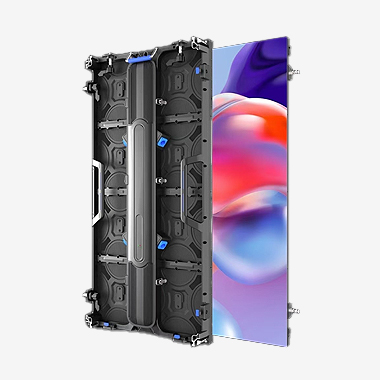
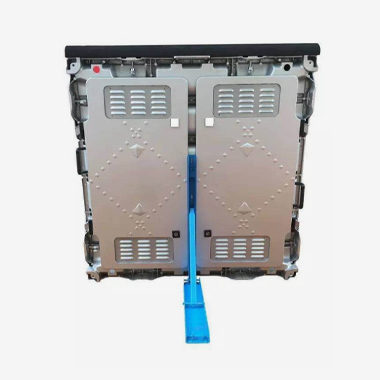
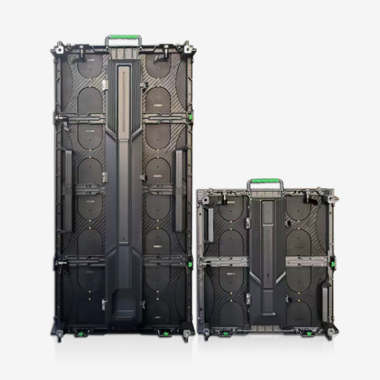
In terms of construction, outdoor LED stage lighting signage is built to withstand the harsh outdoor environment. The enclosures of the lighting fixtures and signage are typically made from rugged materials such as aluminum alloy or stainless steel, which offer excellent protection against water, dust, impact, and corrosion. Special sealing techniques are employed to ensure that the internal components are well - protected from moisture and debris. Additionally, efficient cooling systems, such as heat sinks and fans, are integrated into the design to dissipate the heat generated by the high - brightness LEDs, preventing overheating and ensuring their long - term reliability.
The modular design is commonly adopted in outdoor LED stage lighting signage, allowing for easy installation, maintenance, and customization. Individual LED modules can be easily replaced or rearranged, providing flexibility in adapting the system to different event setups. Moreover, the use of advanced control systems enables seamless integration of the lighting and signage elements, allowing for synchronized operation and real - time control of the visual effects.
The working principles of outdoor LED stage lighting signage with high brightness are based on the fundamental properties of high - brightness LEDs and sophisticated control systems. High - brightness LEDs operate on the same principle as standard LEDs, which is the emission of light when an electric current passes through a semiconductor material. However, high - brightness LEDs are designed with enhanced semiconductor structures and materials to achieve a higher luminous output.
In stage lighting, the process starts with the input of control signals from a lighting console or a media server. These control signals can be in the form of digital data that specifies the desired lighting effects, such as color, intensity, and movement. The control system then processes these signals and converts them into electrical signals that are used to drive the individual high - brightness LEDs. Pulse - width modulation (PWM) is a commonly used technique in LED lighting control, which varies the duration for which the LEDs are on to control their brightness. By rapidly switching the LEDs on and off at a high frequency and adjusting the duty cycle, the control system can create smooth and seamless lighting transitions, as well as a wide range of brightness levels.
For the signage aspect, digital images, videos, or text are first processed by a media server, which converts them into a format that can be understood by the LED signage. The control system then sends the appropriate electrical signals to the high - brightness LEDs in the signage to display the content. Each LED in the signage is addressed individually, allowing for precise control over the display of each pixel. The high - brightness of the LEDs ensures that the text and images are clearly visible even in bright outdoor conditions.
The control systems for outdoor LED stage lighting signage also enable synchronization with other elements of the event, such as the music, sound effects, and stage movements. This synchronization is achieved through the use of time - code or network - based protocols, which ensure that the lighting and signage effects are perfectly coordinated with the overall performance, creating a more immersive and engaging experience for the audience.
Outdoor LED stage lighting signage with high brightness offers a plethora of advantages that have made it the preferred choice for outdoor event organizers and lighting designers. One of the most significant advantages is its superior visibility in outdoor environments. The high - brightness LEDs can easily cut through the ambient light, ensuring that the stage lighting and signage are clearly visible to the audience, even during the daytime or in bright sunlight. This high visibility not only enhances the overall visual appeal of the event but also helps in effectively communicating important information to the attendees.
Another major advantage is its energy efficiency. Despite their high brightness, modern high - brightness LEDs are designed to be highly energy - efficient. They consume significantly less power compared to traditional high - intensity lighting sources, such as metal - halide lamps or xenon lamps. This energy efficiency not only reduces the overall energy costs of the event but also makes the lighting and signage systems more environmentally friendly.
The versatility of outdoor LED stage lighting signage with high brightness is also a key advantage. It can be used to create a wide variety of lighting effects, from subtle and ambient lighting to bold and dynamic spotlights. The signage can display different types of content, including live event information, advertisements, and interactive elements. Additionally, the color - changing capabilities of high - brightness LEDs allow for the creation of diverse visual atmospheres that can match the theme and mood of the event.
However, outdoor LED stage lighting signage with high brightness also faces several challenges. One of the main challenges is the high initial cost. The development and manufacturing of high - brightness LEDs, along with the sophisticated control systems and durable enclosures required for outdoor use, make these systems relatively expensive. The purchase, installation, and setup of high - brightness LED stage lighting signage can be a significant investment, which may pose a barrier for some event organizers, especially those with limited budgets.
Another challenge is the heat management. High - brightness LEDs generate a significant amount of heat during operation, and if not properly managed, this heat can affect their performance and lifespan. Efficient cooling systems need to be integrated into the design, which adds to the complexity and cost of the systems. Moreover, the outdoor environment, with its varying temperatures and weather conditions, can further complicate the heat - management issue.
The integration of outdoor LED stage lighting signage with other event systems, such as sound systems and stage machinery, can also be a challenge. Ensuring seamless synchronization and compatibility between different systems requires careful planning and coordination during the design and setup phases. Additionally, the outdoor environment may also pose challenges in terms of signal transmission and interference, which need to be addressed to ensure the reliable operation of the lighting and signage systems.
Outdoor LED stage lighting signage with high brightness has a wide range of applications in outdoor events. In music festivals, it is commonly used to create a visually stunning stage setup. Large - scale LED video walls with high - brightness LEDs serve as the main backdrop, displaying high - resolution images, videos, and animations that enhance the performances of the artists. High - brightness LED lighting fixtures are used to illuminate the stage, the audience, and the surrounding areas, creating a vibrant and energetic atmosphere. The signage can be used to display the festival schedule, artist names, and promotional messages, helping attendees navigate the event and stay informed.
For open - air concerts, high - brightness LED stage lighting signage plays a crucial role in enhancing the visual experience of the audience. The lighting can be used to create different moods and atmospheres, from soft and romantic for ballads to bright and dynamic for up - tempo songs. The signage can display real - time song lyrics, upcoming act information, and advertisements, adding an extra layer of engagement to the concert.
In outdoor theatrical performances, high - brightness LED stage lighting signage can be used to create immersive sets and backdrops. The precise control over the lighting effects allows for the creation of different scenes and moods, enhancing the storytelling aspect of the performance. The signage can be used to display program information, cast names, and other relevant details to the audience.
Looking to the future, several trends are expected to shape the development of outdoor LED stage lighting signage with high brightness. One trend is the further improvement of LED technology. Researchers are constantly working on developing new materials and manufacturing processes to increase the luminous efficacy of high - brightness LEDs, reduce power consumption, and extend their lifespan. This will make these systems even more energy - efficient and cost - effective in the long run.
Another trend is the integration of smart technologies. The use of Internet of Things (IoT) devices, artificial intelligence (AI), and machine learning (ML) in outdoor LED stage lighting signage will enable more intelligent and automated control. For example, AI and ML algorithms can analyze the ambient light conditions, the music, and the audience's reactions in real - time and automatically adjust the lighting and signage effects accordingly.
The integration of augmented reality (AR) and virtual reality (VR) technologies with outdoor LED stage lighting signage is also a promising area of development. AR - enabled signage could overlay digital content onto the real - world stage environment, creating unique and interactive experiences for the audience. VR - compatible LED systems could allow the audience to experience a virtual version of the outdoor event from a different perspective.
Conclusion
Outdoor LED stage lighting signage with high brightness has become an essential component of modern outdoor events, significantly enhancing the visual appeal, atmosphere, and overall experience for both event organizers and attendees. Its ability to provide superior visibility in outdoor environments, combined with its energy efficiency and versatility, has made it a valuable asset in the event industry. Despite the challenges of high initial cost, heat management, and system integration, the continuous advancements in LED technology and the integration of new smart technologies are driving the widespread adoption and further development of these systems.
As we move forward, the future of outdoor LED stage lighting signage with high brightness looks promising. The integration of advanced technologies, the improvement of LED performance, and the exploration of new creative possibilities will continue to expand the capabilities and applications of these systems. They will play an increasingly important role in shaping the future of outdoor events, providing event organizers with more powerful tools to create unique, engaging, and unforgettable outdoor experiences for audiences around the world.


Copyright © 2026 Shenzhen Cogo Technology Co.,Ltd.
All Rights Reserved

 Previous article