




 Chat Now
The LED poster display panel represents a revolutionary convergence of digital technology and traditional advertising formats, creating a new category of dynamic visual communication. Unlike their larger outdoor billboard cousins or intricate video wall counterparts, LED posters are specifically designed as direct, digital replacements for conventional printed posters and backlit lightboxes. These sleek, self-contained units are engineered for high-impact, close-range viewing in indoor and sheltered outdoor environments, offering the vibrancy and flexibility of digital technology in a familiar poster-sized format.
The fundamental concept behind the LED poster is to overcome the limitations of static print. Traditional posters are inflexible; once printed, their message is permanent until physically replaced—a process that is costly, time-consuming, and generates waste. The LED poster shatters this constraint, transforming a fixed advertising space into a dynamic digital portal. It enables advertisers, retailers, and venue owners to manage content remotely, schedule campaigns with precision, and display animated content that captures far more attention than any static image ever could. This agility is its greatest asset, allowing for dayparting (showing coffee ads in the morning and dinner specials in the evening), promoting last-minute offers, or even displaying real-time information like social media feeds or live news headlines.
The market for LED posters is expansive and rapidly growing, driven by the need for more efficient and engaging advertising at the "point-of-decision." They are becoming ubiquitous in retail environments, serving as dynamic shelf-edge displays (ESL) or endcap promotions in supermarkets, as digital menu boards in fast-food restaurants, and as promotional screens in clothing stores. Beyond retail, they are found in corporate offices for branding and internal communications, in hotels for wayfinding and event promotions, in transportation hubs for schedules and advertising, and in public spaces for information and civic messaging.
A key differentiator of the LED poster is its form factor and user-centric design. These are not modular systems requiring complex installation. Instead, they are typically all-in-one, lightweight, and slim devices, often with a depth of just a few inches. They are designed for easy mounting on walls, embedding into kiosks, or standing on floors with optional stands, making them accessible to businesses without the need for significant technical expertise or infrastructure changes. They often come with integrated media players and Wi-Fi connectivity, allowing them to be managed via simple cloud-based software platforms.
In summary, the LED poster display panel is a paradigm shift in point-of-sale and point-of-wait advertising. It democratizes digital signage, bringing the power of dynamic content to a much wider array of businesses and applications. By combining the visual appeal of high-resolution digital displays with the convenience and familiarity of a poster, it has created a new and powerful tool for modern communication, making every poster space a potential dynamic touchpoint.
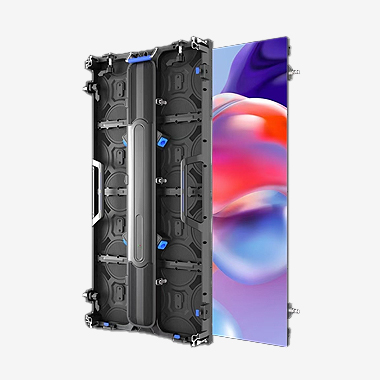
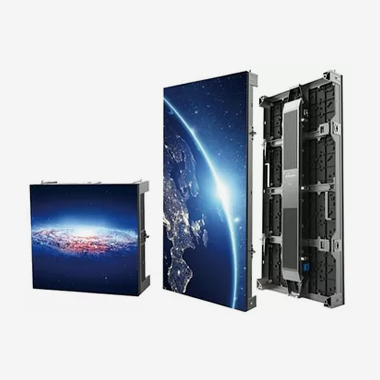
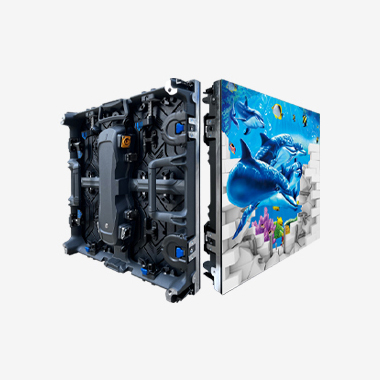
The design and construction of an LED poster display panel are a masterclass in miniaturization, integration, and user-friendly engineering. Unlike modular LED walls, the poster panel is conceived as a single, unified appliance, where all components are meticulously packaged into a slim, lightweight, and aesthetically pleasing enclosure.
A. Core Design Philosophy: The Appliance Model
The guiding principle is simplicity and reliability. The goal is to create a product that functions as a "digital poster appliance"—a device that is as easy to install and use as a television, but with the durability and form factor of a commercial display. This philosophy dictates:
All-in-One Integration: Every essential component is housed within a single enclosure.
Slim Profile: The depth of the unit is minimized to allow for flexible and discreet mounting.
Plug-and-Play Operation: Designed for simple setup with minimal cabling and configuration.
Robust Build: Constructed to withstand the demands of 24/7 operation in public environments.
B. Key Components and Materials:
The Display Core: LED Module Array
LED Technology: The panel utilizes Surface-Mount Device (SMD) LED technology, almost exclusively in a -in-1 configuration. For posters, the pixel pitch is very fine, typically ranging from P0.9 to P2.5, to ensure a high-resolution, non-pixelated image even at very close viewing distances (as little as 0.5 meters).
PCB and Mask: The LEDs are mounted on a single, large PCB or a series of small PCBs seamlessly connected. A dark, anti-glare face mask is fitted over the LEDs to enhance contrast by absorbing ambient light, which is crucial for readability in bright retail environments.
The Enclosure: Form and Function
Material: The chassis is typically constructed from a combination of lightweight aluminum and high-strength engineering plastic. Aluminum is used for the frame and back cover to act as a structural element and a heat sink, while plastic is used for the front bezel to reduce weight and cost.
Aesthetics: The industrial design is critical. Bezels are kept as narrow as possible (often referred to as "narrow-bezel" or "seamless" designs) to maximize the viewable area and maintain a modern, minimalist look. The finish is usually a matte black to minimize reflections and blend into various environments.
Ingress Protection: For indoor use, a rating of IP20 or IP30 is common, protecting against solid objects but not water. For outdoor or semi-outdoor applications (e.g., under a canopy), models with IP54 or IP65 ratings are available, featuring gasketed seals to protect against dust and water splashes.
Integrated Electronics: The Built-in Nervous System
Media Player: A significant differentiator from a standard LED panel is the integrated media player. This is a small computing module, often based on an Android or Linux system, embedded directly within the enclosure. It stores content, handles scheduling, and decodes video files, eliminating the need for an external computer or video processor.
Power Supply: A single, internal, high-efficiency switching power supply converts AC mains power to the low DC voltages required by the LEDs and electronics.
Connectivity: Ports are consolidated and easily accessible. These always include a power input (IEC socket), an Ethernet port for wired network connection, and often HDMI for temporary external input. Crucially, they feature built-in Wi-Fi and sometimes 4G/5G cellular modems for wireless content updates and management.
Control: Basic buttons (power, menu) are present on the device, but primary control is intended to be remote via software.
Thermal Management: Silent Cooling
Passive Cooling: The primary cooling method is passive. The entire metal back plate of the unit acts as a giant heat sink, dissipating heat through natural convection. This is entirely silent, a non-negotiable feature for quiet indoor settings like museums or boutique retail stores.
Ventilation: Strategically placed ventilation slots at the top and bottom of the enclosure facilitate a natural chimney effect, allowing hot air to rise out and draw cooler air in without fans.
The construction of an LED poster is an exercise in creating a sophisticated yet simple-to-use product. It packages complex technology into a reliable, off-the-shelf solution that requires no specialized knowledge to deploy, making digital signage accessible to virtually any business.
The operation of an LED poster display panel is a streamlined and highly automated process, designed for maximum ease of use while delivering a high-fidelity visual experience. Its working principle can be broken down into content management, internal processing, and precise light emission.
A. The Content Management Ecosystem:
The workflow begins not with the panel itself, but with cloud-based software. This is a critical aspect of the LED poster's user-friendly design.
Cloud-Based CMS (Content Management System): The user logs into a web-based platform or mobile app. This CMS allows them to:
Upload Content: Drag and drop images, videos, and PowerPoint files.
Design Layouts: Create templates, schedule playlists (e.g., show specific content at specific times), and even group multiple displays for synchronized campaigns.
Manage Devices: See the online/offline status of all their displays, monitor performance, and push updates.
Content Delivery: Once a playlist is scheduled, the CMS communicates with the individual LED poster over the internet (via Wi-Fi, Ethernet, or cellular network). The content data is securely transmitted and downloaded to the internal storage of the poster's media player.
B. Internal Processing and Playback:
The Integrated Media Player: This is the brain of the operation. Once content is downloaded, the media player takes over.
Decoding: It decodes the video or image files.
Processing: It performs any necessary scaling to match the native resolution of the LED panel. It also applies basic color management and ensures smooth playback.
Output: The processed video signal is sent directly to the display driver board via an internal connection (e.g., LVDS or eDP).
The Display Driver System: The driver board receives the video signal from the media player. Its function is to act as a translator and distributor.
Data Addressing: It converts the video data into a format that maps precisely to the grid of LEDs on the panel.
Signal Distribution: It sends control signals to the source driver ICs (which control columns) and gate driver ICs (which control rows) on the LED panel itself, activating the correct pixels at the correct time.
C. Pixel-Level Light Emission and Control:
Electroluminescence: At each pixel site, red, green, and blue (RGB) micro-LEDs emit light when current passes through their semiconductor junctions. The color of the light is determined by the material used in the semiconductor.
Additive Color Mixing: By varying the intensity of the red, green, and blue sub-pixels, any color in the spectrum can be created. White light is produced by mixing all three at full intensity.
Pulse-Width Modulation (PWM): The intensity (brightness) of each individual LED is controlled not by varying the voltage, but by PWM. The driver ICs switch each LED on and off thousands of times per second. The human eye perceives this rapid cycling as a sustained glow. The ratio of "on" time to "off" time within each cycle determines the perceived brightness. A 50% duty cycle appears as 50% brightness. This method allows for precise control over millions of color shades and deep black levels (achieved by keeping the LED off for the entire cycle).
D. Autonomous Operation and Monitoring:
Once programmed, the LED poster operates completely autonomously. It will play its scheduled content loop indefinitely. It can also be programmed to turn on and off at specific times to save energy. Furthermore, many advanced models feature feedback mechanisms; they can "phone home" to the CMS to report their status, confirm they are operational, and even alert administrators to potential issues like overheating or a failed component, enabling proactive maintenance.
In essence, the working principle of an LED poster is a seamless integration of cloud intelligence, local processing, and precision optoelectronics, all working together to deliver a "set it and forget it" digital signage solution that is both powerful and simple to manage.
The adoption of LED poster technology offers a compelling set of benefits that are driving its rapid proliferation, but these are balanced against specific challenges that businesses must consider for successful implementation.
Advantages:
Unparalleled Content Agility and Flexibility: This is the single greatest advantage. Content can be updated instantly across a network of displays from a central location, anywhere in the world. This allows businesses to react in real-time to market changes, promote flash sales, correct pricing errors, and keep messaging fresh and relevant without any physical labor or material costs.
Superior Attention Capture and Engagement: Dynamic motion and video content are proven to capture significantly more attention than static imagery. The high brightness and vibrant color of LED ensure visibility even in sunlit store windows. This increased engagement leads to higher brand recall, improved message retention, and ultimately, a greater impact on consumer behavior.
Operational Efficiency and Cost Savings: While the initial investment is higher than a printed poster, the Total Cost of Ownership (TCO) over time can be lower. It eliminates the recurring costs of design, printing, shipping, and manual installation of physical posters. It also reduces waste and supports sustainability initiatives.
Enhanced Brand Image and Modernity: Deploying digital posters projects an image of innovation, technological savvy, and responsiveness. It signals that a brand is modern and dynamic, which can enhance perceived value and strengthen brand identity in a competitive marketplace.
Measurability and Integration: Digital posters can be integrated with other systems. For example, they can be triggered by sensors, show live data feeds (inventory, weather, social media), or interact with customers' phones via QR codes. This transforms them from simple broadcast mediums into measurable, interactive touchpoints.
Challenges:
Higher Initial Investment (CapEx): The upfront cost of purchasing an LED poster is significantly higher than printing a batch of traditional posters. This capital expenditure can be a barrier for small businesses, though financing options and decreasing hardware costs are mitigating this.
Content Creation Demands: The display is only as effective as its content. Businesses must invest in creating a continuous stream of high-quality, professional motion graphics and video content. This requires either developing in-house design capabilities or outsourcing to an agency, representing an ongoing operational cost and effort.
Technical Reliance and Connectivity: The system relies on a stable internet connection for remote management. Network outages can hinder content updates. While designed for reliability, the panels are complex electronic devices that can potentially fail, requiring technical support or warranty service, which can mean downtime.
Power Consumption and Heat Output: LED posters consume electricity continuously during operating hours. While more efficient than older technologies, their cumulative energy use contributes to operational costs (OpEx) and must be managed. The heat generated also needs to be effectively dissipated by the design.
Placement and Visibility Logistics: careful consideration must be given to placement. Mounting height, viewing angles, and ambient light conditions must be assessed to ensure optimal visibility. In bright environments, sufficient display brightness (nits) is required to overcome glare, which can increase cost and power consumption.
In conclusion, the advantages of agility, engagement, and long-term efficiency are powerful drivers for adoption. Successfully navigating this landscape requires a clear content strategy and an understanding of the technical dependencies, ensuring the technology delivers on its promise as a powerful business tool rather than becoming an underutilized expense.
The application scope for LED poster displays is remarkably broad, cutting across numerous industries where influencing customer decisions at close range is critical. Simultaneously, technological advancements are continuously expanding their capabilities, shaping exciting future trends.
Applications:
Retail and Point-of-Sale: This is the largest application segment.
Digital Menu Boards: Revolutionizing QSRs and cafes by enabling dynamic pricing, promotional combos, and dayparting.
Shelf-Edge Displays: Replacing paper tags with digital screens that show pricing, promotions, product information, and even stock levels.
Endcap and Promotional Displays: Creating high-impact zones at the end of aisles to highlight special offers and new products.
Window Displays: Attracting foot traffic with dynamic, animated content that can change based on time of day or weather.
Corporate Communications: Used in office lobbies for branding and welcoming visitors, in hallways for internal communications and KPIs, and in conference rooms for digital signage and presentations.
Hospitality: Hotels use them for digital concierge services, wayfinding, event promotions, and restaurant menus. Bars use them for digital drink menus that can be updated instantly.
Transportation and Public Venues: Airports and train stations use them for advertising, flight information, and directions. Museums and galleries use them for exhibit information and interactive content. Stadiums use them for concessions and merchandise advertising.
Healthcare: In hospital waiting rooms and pharmacies for providing health information, wayfinding, and reducing perceived wait times.
Future Trends:
Adoption of MicroLED and COB Technology: MicroLED technology will enable even finer pixel pitches and higher resolutions, making displays indistinguishable from high-end prints even from inches away. Chip-on-Board (COB) packaging will become standard, offering superior durability, better heat dissipation, and a smoother visual surface without visible black lines, making the displays more robust for public environments.
Integration of Artificial Intelligence (AI): AI will transform passive displays into intelligent contextual platforms.
Audience Analytics: Privacy-friendly cameras or sensors will detect audience demographics (age, gender) and dwell time, allowing the content to adapt in real-time to the viewer in front of it.
Predictive Content: AI could analyze sales data or external factors (like weather) to automatically suggest and deploy the most effective content.
Advanced Interactivity: Touch capabilities will evolve from simple infrared to integrated capacitive touchscreens, turning posters into interactive kiosks. Integration with Augmented Reality (AR) will allow users to "point their phone" at the poster to unlock additional digital experiences, product visualizations, or special offers.
Transparent and Flexible Displays: Transparent OLED and MicroLED technology will allow for see-through digital posters that can be applied to store windows without completely blocking the view inside. Flexible substrates will enable curved poster displays that can fit into unique architectural spaces.
Sustainability Focus: Energy efficiency will be a major driver. This will include:
Lower Power Consumption: Development of more efficient LED chips and drivers to reduce operational costs and environmental impact.
Smart Power Management: Enhanced sensors will enable deeper sleep modes and automatic brightness adjustment based on ambient light levels, significantly cutting power usage when needed.
Modular and Repairable Design: A shift towards designs that allow easy replacement of individual components (e.g., power supplies, LED modules) rather than discarding the entire unit, supporting a circular economy.
The future of the LED poster is intelligent, interactive, and immersive. It will evolve from a simple display screen into a context-aware digital assistant, deeply integrated into the retail and urban landscape, and capable of having a two-way conversation with its audience.
Conclusion
The LED poster display panel is far more than a incremental upgrade to the printed poster; it represents a fundamental democratization of digital signage technology. By packaging high-impact visual performance into a simple, affordable, and easy-to-use appliance, it has brought the power of dynamic communication to a mass market. It has successfully bridged the gap between the complex, high-end world of LED video walls and the ubiquitous need for effective, point-of-decision advertising and information delivery.
The significance of this technology lies in its unique value proposition: it offers enterprise-level agility and engagement to businesses of all sizes. A small café can now wield the same content flexibility as a multinational corporation, changing its menu and promotions with a few clicks on a phone. This levels the playing field and empowers smaller businesses to compete more effectively on customer experience. The core advantages—unmatched content agility, superior engagement, and compelling long-term ROI—have proven irresistible across retail, hospitality, corporate, and public sectors.
However, its successful implementation requires a shift in mindset. The LED poster is not a "fire-and-forget" product like a printed sign. It is a platform that requires a strategy for content creation and management. The businesses that reap the greatest rewards are those that understand this, investing in a steady stream of fresh, relevant, and high-quality content to keep their audience engaged.
Looking forward, the trajectory of the LED poster is one of increasing intelligence and integration. The convergence of AI, IoT, and advanced display technologies like MicroLED will transform these units from dumb screens into smart, contextual sensors. They will not only display information but also perceive their environment and interact with it, creating hyper-personalized experiences for consumers. The focus will also sharpen on sustainability, with improvements in energy efficiency and repairability ensuring this technology grows responsibly.
In conclusion, the LED poster has cemented its role as a cornerstone of modern marketing and communication infrastructure. It has taken the timeless format of the poster and infused it with the power of the digital age, creating a tool that is both timeless and cutting-edge. As the technology continues to evolve, becoming more intelligent, interactive, and accessible, its potential to transform how we communicate in physical spaces is virtually limitless. It is a testament to how technology, when thoughtfully designed and applied, can create powerful new opportunities for connection and engagement.


Copyright © 2026 Shenzhen Cogo Technology Co.,Ltd.
All Rights Reserved

 Previous article