




 Chat Now
LED fixed installation display panels have emerged as a cornerstone of modern visual communication, offering a stable and reliable solution for a diverse range of display needs. These panels are designed to be permanently installed in various indoor and outdoor environments, serving as a medium for information dissemination, advertising, entertainment, and more. The term “fixed installation” implies that the panels are not intended for frequent movement or relocation, allowing for a more customized and integrated approach to display design.
The development of LED fixed installation display panels can be traced back to the continuous advancements in LED technology. LEDs, or light - emitting diodes, have revolutionized the lighting and display industries due to their energy - efficiency, long lifespan, and vibrant color capabilities. As LED technology matured, the creation of large - scale, high - resolution display panels became feasible, leading to the widespread adoption of LED fixed installation displays across different sectors.
In terms of market demand, the growth of the digital age has significantly fueled the popularity of these display panels. Businesses are constantly seeking more effective ways to engage with their audiences, and LED fixed installation displays offer a dynamic and eye - catching solution. In addition, the increasing use of digital content in public spaces, such as shopping malls, transportation hubs, and stadiums, has further driven the demand for reliable and high - performance display panels.
One of the key characteristics of LED fixed installation display panels is their versatility in size and resolution. These panels can range from small - scale units used for indoor signage to massive outdoor video walls that cover entire building facades. The pixel pitch, which refers to the distance between adjacent pixels, can also vary widely, with smaller pixel pitches enabling higher - resolution displays suitable for close - up viewing, while larger pixel pitches are more commonly used for outdoor or large - scale installations where the viewing distance is greater.
Another important aspect is the environmental adaptability of LED fixed installation display panels. For outdoor installations, these panels are designed to withstand harsh weather conditions, including rain, snow, extreme temperatures, and strong sunlight. Specialized coatings, waterproof enclosures, and efficient heat dissipation systems are incorporated to ensure the long - term durability and stable performance of the panels. Indoor panels, on the other hand, focus more on factors such as image quality, color accuracy, and seamless integration with the interior environment.
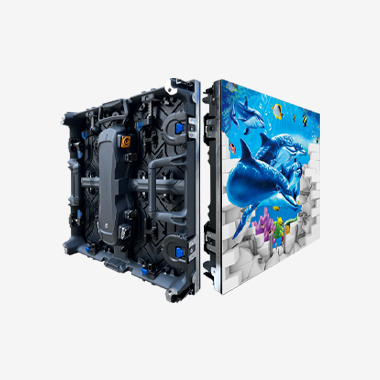
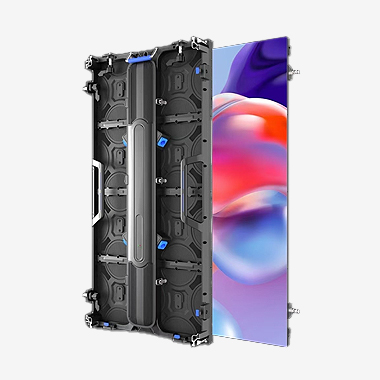
The design and construction of LED fixed installation display panels involve a meticulous process that combines electrical engineering, mechanical design, and optical considerations.
LED Module Design
The LED module is the fundamental building block of an LED fixed installation display panel. Each module typically consists of multiple individual LEDs mounted on a printed circuit board (PCB). The choice of LEDs is crucial, as it directly affects the brightness, color accuracy, and lifespan of the display. High - quality LEDs, often sourced from reputable manufacturers, are selected to ensure consistent performance.
In recent years, the development of mini - LED and micro - LED technologies has had a profound impact on LED module design. Mini - LEDs, with their smaller size compared to traditional LEDs, allow for a more compact module design, enabling higher pixel densities and improved image quality. Micro - LEDs, which are even smaller, hold the promise of ultra - high - resolution displays with enhanced contrast and energy efficiency. However, their mass - production and integration into display panels still present technical challenges.
The layout of the LEDs within the module is also carefully planned. For full - color displays, a common configuration is the use of red, green, and blue (RGB) LEDs. By precisely controlling the intensity of these three primary colors, a wide range of colors can be achieved through additive color mixing. The arrangement of the RGB LEDs within each pixel determines the color accuracy and uniformity of the display.
Panel Structure and Frame
The panel structure provides the physical support for the LED modules and other components. For large - scale outdoor display panels, a robust metal frame, often made of aluminum or steel, is used to ensure stability and durability. The frame needs to be able to withstand various mechanical stresses, such as wind loads in outdoor environments, as well as the weight of the LED modules and other internal components.
In indoor installations, the panel structure can be more lightweight and aesthetically focused. Slim - profile frames made of aluminum or other lightweight materials are commonly used to minimize the visual bulk of the display and blend seamlessly with the interior decor. The design of the frame also takes into account factors such as ease of installation, maintenance access, and cable management.
Electrical and Control Systems
The electrical system of an LED fixed installation display panel is responsible for powering the LEDs and ensuring their stable operation. High - quality power supplies are used to convert the incoming electrical power into the appropriate voltage and current for the LEDs. These power supplies are designed to be efficient, reliable, and have built - in protection mechanisms against overvoltage, overcurrent, and short - circuits.
The control system plays a crucial role in driving the LEDs and managing the display content. Control cards, which are connected to the LED modules, receive digital image and video data from an external source, such as a computer or a media player. These control cards convert the data into electrical signals that control the brightness, color, and timing of each LED. Advanced control systems also support features such as real - time content updating, remote monitoring, and synchronization with multiple display panels.
Heat Dissipation Design
LEDs generate heat during operation, and effective heat dissipation is essential for maintaining their performance and lifespan. In LED fixed installation display panels, various heat dissipation techniques are employed. For smaller - scale indoor panels, heat sinks made of aluminum or copper may be sufficient to dissipate the heat. These heat sinks increase the surface area in contact with the air, allowing for more efficient heat transfer.
In larger outdoor panels or high - power installations, more sophisticated heat dissipation systems are required. This may include forced - air cooling with fans, liquid - cooling systems, or a combination of both. The design of the heat dissipation system needs to balance factors such as cooling efficiency, noise level, and energy consumption.
The working principles of LED fixed installation display panels are based on the fundamental properties of LEDs and the principles of digital signal processing.
LED Emission
At the core of the display panel is the LED, a semiconductor device that emits light when an electric current passes through it. When a voltage is applied across the LED, electrons from the n - type semiconductor material combine with holes in the p - type semiconductor material. This recombination process releases energy in the form of photons, resulting in the emission of light. The color of the light emitted by the LED depends on the energy bandgap of the semiconductor material. For example, red LEDs typically have a lower energy bandgap compared to blue LEDs.
In an LED display panel, each pixel is composed of multiple LEDs, usually arranged in an RGB configuration. By independently controlling the current flowing through each of the red, green, and blue LEDs in a pixel, the display can produce a wide variety of colors. The intensity of the current determines the brightness of the LED, and by precisely adjusting the brightness of each primary color, the display can achieve accurate color reproduction.
Digital Signal Processing
The display panel receives digital image and video data from an external source, such as a computer, a media server, or a video processor. This data is typically in a digital format, such as a video file or an image file, and needs to be processed before it can be displayed on the LED panel.
The control system of the display panel first decodes the digital data and converts it into a format that can be understood by the LED drivers. The control cards then send electrical signals to the individual LED modules, instructing each LED when to turn on, off, and at what intensity. These signals are transmitted at a very high frequency, typically several hundred times per second, to create the illusion of continuous images and videos.
Pulse - Width Modulation (PWM)
To achieve smooth and accurate brightness control, pulse - width modulation (PWM) is commonly used in LED fixed installation display panels. PWM works by rapidly turning the LEDs on and off at a high frequency. The duty cycle of the PWM signal, which is the proportion of time the LED is on within a given period, determines the average brightness of the LED.
For example, if the PWM signal has a duty cycle of 50%, the LED is on for half of the time and off for the other half, resulting in an average brightness that is 50% of its maximum. By precisely adjusting the duty cycle for each LED in the pixel, the display can achieve fine - grained control over the brightness and color, ensuring smooth color transitions and high - quality visual performance.
Refresh Rate
The refresh rate of an LED fixed installation display panel refers to the number of times the image on the screen is updated per second. A higher refresh rate ensures that moving images appear smooth and without any flicker. In modern display panels, refresh rates of 60 Hz or higher are common, with some high - end panels offering refresh rates of 120 Hz or even 240 Hz for an even more fluid visual experience.
The refresh rate is closely related to the frame rate of the incoming video data. To display video content without any artifacts, the refresh rate of the display panel needs to be at least equal to or higher than the frame rate of the video source.
Advantages
Unique Visual Appeal
Glass wall transparent LED display screens offer a distinctive and captivating visual experience. The transparency of the display creates an illusion of floating images on the glass surface, which can attract the attention of viewers more effectively than traditional solid - panel displays. This unique visual effect makes the display content more memorable and engaging, enhancing the impact of advertising messages or information dissemination.
Architectural Integration
One of the most significant advantages of these displays is their ability to seamlessly integrate with glass structures in buildings. Unlike traditional outdoor or indoor displays that may be mounted separately and can sometimes disrupt the architectural aesthetics, glass wall transparent LED displays become an integral part of the building facade. They can be designed to match the style and design of the building, enhancing the overall visual appeal of the architecture while adding a modern and digital touch.
Natural Light Preservation
The transparency of the display allows for the preservation of natural light, which is essential for creating a comfortable and energy - efficient indoor environment. By allowing light to pass through, these displays do not block the sunlight from entering the building, reducing the need for artificial lighting during the day. This not only saves energy but also creates a more pleasant and inviting atmosphere for building occupants.
Energy Efficiency
Glass wall transparent LED displays are relatively energy - efficient compared to some other display technologies. LEDs convert a higher percentage of electrical energy into light, reducing energy waste. Additionally, the ability to adjust the brightness of the display based on ambient lighting conditions further contributes to energy savings. Some displays are also equipped with intelligent power management systems that can optimize power consumption, making them an environmentally friendly choice.
Flexibility and Customization
These displays offer a high degree of flexibility in terms of size, shape, and content. They can be customized to fit various glass wall configurations, from small storefront windows to large - scale glass curtain walls of skyscrapers. The modular design of the LED modules allows for easy installation, maintenance, and expansion. Advertisers and building owners can also update the display content in real - time, enabling them to adapt to different marketing campaigns, events, or information needs.
Challenges
High Initial Cost
The development, production, and installation of glass wall transparent LED display screens are associated with high costs. The use of advanced LED technology, specialized transparent materials, and the complex integration process with glass structures contribute to the high price. The high initial investment can be a significant barrier for many potential users, especially small and medium - sized businesses or building owners with limited budgets.
Technical Complexity
The design and construction of these displays require a high level of technical expertise. Ensuring both high transparency and high - quality visual performance involves complex engineering and manufacturing processes. Troubleshooting and maintaining the display also require specialized knowledge, as any issues with the LED modules, electrical systems, or optical components can be difficult to diagnose and repair. Finding qualified technicians who are familiar with this technology can be a challenge in some regions.
Environmental Factors
Glass wall transparent LED displays are exposed to various environmental conditions, especially in outdoor applications. Sunlight, rain, dust, and temperature fluctuations can all affect the performance and lifespan of the display. Prolonged exposure to sunlight can cause the materials to degrade, leading to a decrease in transparency and a reduction in the brightness of the LEDs. To address these issues, the displays need to be designed with robust protection mechanisms, such as waterproof enclosures, UV - resistant coatings, and efficient heat dissipation systems, which can further increase the cost.
Viewing Angle and Resolution Limitations
Compared to some traditional LED displays, glass wall transparent LED displays may have more limited viewing angles and resolution. The transparency design, which requires a sparse LED arrangement, can sometimes result in reduced contrast and resolution, especially at wider viewing angles. This may affect the clarity and visibility of the display content, especially for viewers at the edges of the viewing area. Improving the viewing angle and resolution while maintaining high transparency remains a significant challenge for manufacturers.
Content Creation Challenges
Creating effective content for glass wall transparent LED displays requires a different approach compared to traditional displays. The transparency of the display means that the background view can influence the visibility and impact of the content. Advertisers and content creators need to design content that takes into account the transparency factor, such as using high - contrast colors, simple and clear graphics, and avoiding complex or detailed images that may be difficult to see against the background. This requires additional creativity and expertise in content design.
Applications
Advertising and Marketing
LED fixed installation display panels are widely used in the advertising and marketing industry. They can be found in the form of outdoor billboards, indoor mall signage, storefront displays, and digital posters. These displays allow businesses to showcase their products, services, and promotional campaigns in a dynamic and eye - catching way. The ability to update the content in real - time enables advertisers to target different audiences at different times, increasing the effectiveness of their advertising campaigns.
Entertainment and Sports
In the entertainment and sports sectors, LED fixed installation display panels play a crucial role. In stadiums and arenas, large - scale video walls are used to display live game action, replays, player statistics, and advertisements. These displays enhance the viewing experience of spectators, creating an immersive and exciting atmosphere. In concert halls and theaters, LED panels can be used as backdrops, stage displays, and for projecting visual effects, adding to the overall entertainment value of the performance.
Transportation Hubs
Airports, train stations, and bus terminals rely on LED fixed installation display panels for wayfinding, flight and train information displays, and advertising. These displays provide real - time information to passengers, helping them navigate through the transportation hub and stay informed about their travel schedules. The high brightness and visibility of LED panels ensure that the information is clearly visible even in crowded and busy environments.
Corporate and Educational Settings
In corporate offices, LED fixed installation display panels are used for internal communication, such as displaying company announcements, news, and meeting schedules. In educational institutions, these panels can be used for classroom presentations, campus information displays, and digital signage. The ability to display high - quality images and videos makes LED panels an effective tool for enhancing communication and information dissemination in these settings.
Public Spaces and Urban Design
LED fixed installation display panels are increasingly being integrated into public spaces, such as city squares, parks, and government buildings. They can be used to display public art installations, cultural information, and community announcements. These displays not only enhance the aesthetic appeal of public spaces but also serve as a platform for community engagement and cultural expression.
Future Trends
Higher Resolution and Pixel Density
The demand for higher - resolution displays is continuously increasing, and LED fixed installation display panels are no exception. Manufacturers are constantly working on developing panels with smaller pixel pitches, enabling ultra - high - definition (UHD) and even 8K resolution displays. This trend is driven by the need for more detailed and immersive visual experiences in applications such as large - scale video walls, virtual reality (VR) and augmented reality (AR) integration, and high - end corporate presentations.
Integration of Smart Technologies
The future of LED fixed installation display panels lies in the integration of smart technologies. The Internet of Things (IoT) will enable remote monitoring and management of the display panels, allowing for real - time diagnostics, performance optimization, and predictive maintenance. Artificial intelligence (AI) will be used to analyze viewer behavior and preferences, enabling more targeted and personalized content delivery. Additionally, the integration of AR and VR technologies with LED displays will open up new possibilities for immersive and interactive experiences in various applications.
Sustainable and Energy - Saving Technologies
With the growing emphasis on sustainability, there will be a greater focus on developing more energy - saving and environmentally friendly LED fixed installation display panels. This may include the use of more efficient LEDs, improved power management systems, and the development of renewable energy - powered displays. Additionally, the use of recyclable materials in the manufacturing process will become more important, reducing the environmental impact of these display panels.
Flexible and Transparent Displays
The development of flexible and transparent LED fixed installation display panels is an emerging trend. Flexible displays can be bent, curved, or shaped to fit irregular surfaces, opening up new possibilities for architectural integration and creative design. Transparent displays, on the other hand, offer a unique visual experience, allowing for the display of content while still maintaining the view through the panel. These new form factors will likely find applications in high - end retail, architectural showcases, and interactive public art installations.
Enhanced Interactivity and User Experience
Future LED fixed installation display panels will focus on enhancing the interactivity between the display and the user. This may include the use of touch - sensitive technologies, gesture recognition, and voice - controlled interfaces. By providing more interactive experiences, these displays can increase user engagement, create a more personalized experience, and improve the overall effectiveness of communication in various applications.
Conclusion
LED fixed installation display panels have become an indispensable part of modern visual communication, offering a wide range of benefits in terms of visual performance, energy efficiency, durability, and flexibility. Their applications span across various industries, from advertising and entertainment to transportation and education, significantly enhancing the way information is presented and consumed.
However, the technology also faces several challenges, including high initial costs, technical complexity, heat management issues, and content - related challenges. Overcoming these obstacles will require continuous innovation in manufacturing processes, material science, and system design.
Looking towards the future, the evolution of LED fixed installation display panels is set to be driven by the pursuit of higher resolution, integration with smart technologies, sustainability initiatives, and the development of new form factors. As these trends converge, LED fixed installation display panels are poised to redefine the boundaries of visual communication.
Higher - resolution displays will enable more immersive and detailed visual experiences, making them ideal for applications such as virtual events, digital art galleries, and advanced simulation training. For instance, in the field of education, students will be able to view intricate scientific models or historical artifacts in stunning detail, enhancing the learning process. The integration of smart technologies like IoT, AI, AR, and VR will transform these panels from passive display devices into interactive platforms. Retail stores could use AR - integrated LED displays to allow customers to virtually “try on” products, revolutionizing the shopping experience. Meanwhile, IoT - enabled remote monitoring will reduce downtime and maintenance costs, ensuring continuous operation across critical applications like airport information displays.
Sustainability will not only reduce the environmental footprint of LED display panels but also make them more cost - effective in the long run. The adoption of renewable energy sources and recyclable materials will align with global environmental goals, while also attracting environmentally - conscious consumers and businesses. The development of flexible and transparent displays will open up new architectural possibilities, with buildings becoming dynamic canvases for digital art and information. For example, skyscraper facades could transform into giant digital murals that change based on the time of day or local events, enhancing the urban aesthetic.
Enhanced interactivity will further bridge the gap between the display and the user. In public spaces, citizens could interact with LED panels to access local information, provide feedback, or participate in community - building activities. In corporate settings, interactive LED displays will facilitate more engaging meetings and presentations, promoting better collaboration among team members.
In conclusion, LED fixed installation display panels have already made a significant impact on society, and their potential for future growth and innovation is immense. By addressing current challenges and capitalizing on emerging trends, this technology will continue to evolve, shaping the way we live, work, and interact with the world around us. As LED display panel technology continues to mature, it will undoubtedly play an even more integral role in the digital transformation of various industries and the creation of smarter, more connected communities.


Copyright © 2026 Shenzhen Cogo Technology Co.,Ltd.
All Rights Reserved

 Previous article