




 Chat Now
LED display billboard signage stands as a cornerstone of modern outdoor and indoor advertising, leveraging light-emitting diode (LED) technology to deliver vibrant, high-visibility visuals that capture audience attention. Unlike traditional billboards—such as printed posters or neon signs—LED billboards offer dynamic content capabilities, allowing for real-time updates, video playback, and interactive elements. These displays range in size from small, storefront-mounted units to massive, multi-story structures in urban centers, stadiums, and transportation hubs, making them a versatile solution for brands, businesses, and public entities seeking to communicate with large audiences.
Key defining features of LED display billboards include high brightness (often 5,000 to 8,000 nits) to ensure visibility in direct sunlight, wide viewing angles (up to 170° horizontally and vertically) that accommodate diverse audience positions, and long operational lifespans (typically 50,000 to 100,000 hours of use). The global market for LED billboard signage has grown steadily, driven by the shift toward digital out-of-home (DOOH) advertising, urbanization, and advancements in LED chip efficiency. Modern LED billboards also prioritize sustainability, with energy-efficient designs that reduce power consumption compared to older technologies like fluorescent or neon.
Beyond advertising, LED display billboards serve critical public functions: they relay real-time information (e.g., weather updates, traffic alerts, emergency notifications) in high-traffic areas, enhance event experiences (e.g., stadium scoreboards, concert visuals), and contribute to urban aesthetics by replacing static, often outdated printed billboards with dynamic, customizable displays. As a bridge between digital content and physical spaces, LED display billboards have become an indispensable tool for engaging audiences in an increasingly fast-paced, visually driven world.
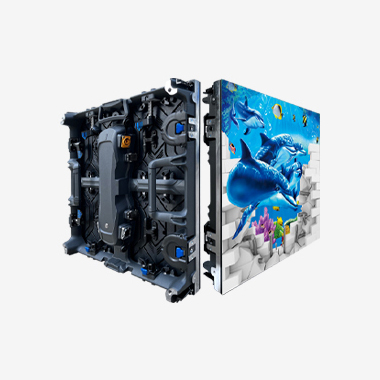
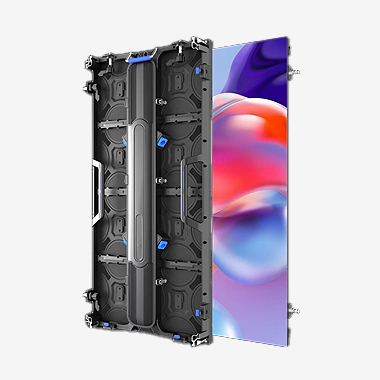
The design and construction of LED display billboard signage are engineered to balance performance, durability, and functionality, with components tailored to withstand diverse environmental conditions (for outdoor models) and deliver clear, consistent visuals. At the core of every LED billboard is the LED panel—the primary building block composed of LED diodes, driver circuits, and a support structure. LED panels vary in size (common dimensions include 320x160mm or 640x320mm) and are modular, allowing for easy assembly into custom billboard sizes, from small 1x2m storefront displays to large 10x20m highway billboards.
A critical design parameter is pixel pitch—the distance between adjacent LED diodes—which directly impacts resolution. Outdoor billboards typically use larger pixel pitches (10mm to 30mm) since they are viewed from longer distances (10m+), while indoor or close-viewing billboards (e.g., mall interiors) use smaller pitches (2mm to 8mm) for sharper details. The LED type also influences performance: surface-mount device (SMD) LEDs are the industry standard, offering compact size, uniform color mixing (via RGB diodes), and high brightness. For extreme outdoor conditions, high-brightness SMD LEDs (e.g., 3-in-1 RGB chips) are used to combat sunlight glare.
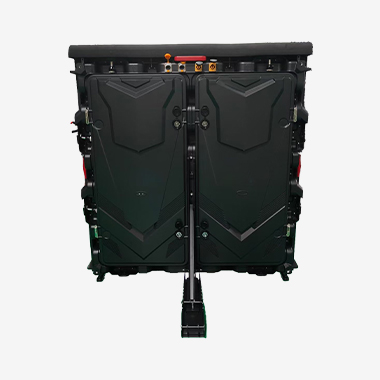
Construction of outdoor LED billboards includes robust protective features to ensure durability. Most outdoor models have an IP65 or IP67 waterproof rating, shielding internal components from rain, dust, and humidity. They also include anti-UV coatings on the front lens to prevent color fading and corrosion-resistant materials (e.g., aluminum alloy frames) to withstand temperature fluctuations (-30°C to 60°C) and wind loads. Indoor billboards, by contrast, prioritize slim profiles and lightweight designs, often using plastic or thin aluminum frames for easy mounting on walls or ceilings.
The control system is another key component: it consists of a sending card (connected to a content management computer), receiving cards (mounted on each LED panel), and specialized software (e.g., NovaLCT, Linsn LED Studio). This system enables real-time content updates, brightness adjustment (via built-in light sensors for outdoor models), and remote monitoring of performance (e.g., detecting faulty LEDs). For large billboards, additional structural support—such as steel frames or concrete foundations—ensures stability, especially for highway or rooftop installations. Finally, cooling systems (e.g., fans or heat sinks) are integrated into high-density panels to prevent overheating, a critical feature for outdoor billboards operating in hot climates. Together, these design and construction elements ensure that LED display billboards deliver reliable, high-quality performance in any setting
The functionality of LED display billboard signage relies on three core, interconnected principles: LED diode illumination, digital data processing, and system synchronization—all working in tandem to convert digital content into visible, dynamic visuals. At the most basic level, each LED diode in the billboard acts as a tiny, controllable light source. Most billboards use RGB (red, green, blue) LED diodes, as these three primary colors can be mixed in varying intensities to produce millions of distinct hues, enabling full-color image, video, and text display.
The process begins with content input and processing. Users upload digital content (e.g., images, videos, live feeds, or text) to a control computer running specialized LED management software. This software processes the content to match the billboard’s resolution (determined by pixel pitch and panel size), converting it into a pixel-by-pixel data stream. This stream contains precise instructions for each LED diode: specifically, the intensity of red, green, and blue light it should emit to create the desired color and brightness for that pixel.
Next, the data transmission and conversion step occurs. The processed data is sent from the control computer to a sending card, which splits the high-volume data stream into smaller, manageable segments—essential for large billboards with hundreds or thousands of LED panels. These segments are then transmitted to receiving cards (one per panel or group of panels), which translate the digital data into analog electrical signals. These signals are sent to driver ICs (integrated circuits) on each LED panel, which regulate the current flowing to individual RGB diodes.
For example, to display a yellow pixel, the driver IC increases the current to the red and green diodes while reducing current to the blue diode; to create white, all three diodes receive maximum current. This precise control over each pixel ensures sharp, clear visuals, even for fast-moving content like videos or live sports.
Another critical principle is refresh rate synchronization. LED billboards operate at a high refresh rate (typically 300Hz to 1200Hz), meaning the entire display updates 300 to 1200 times per second. This prevents flicker, which is crucial for audience comfort and for compatibility with cameras (e.g., avoiding rolling bars in TV broadcasts of stadium billboards). The receiving cards ensure all panels update simultaneously, eliminating visual artifacts like screen tearing.
For outdoor billboards, environmental adaptation is integrated into the working principle. Built-in light sensors detect ambient light levels, and the control system automatically adjusts LED brightness: increasing intensity during midday sunlight to maintain visibility and dimming at night to save energy and avoid glare. Additionally, the modular design allows for easy replacement of faulty panels or diodes, ensuring minimal downtime. Together, these principles enable LED display billboards to deliver consistent, high-quality visuals in any environment, making them a reliable choice for advertising and information dissemination.
LED display billboard signage offers a host of advantages that have made it a dominant force in modern advertising and public communication, but it also faces unique challenges that users and manufacturers must address to maximize its effectiveness.
Key Advantages:
High Visibility and Dynamic Content: LED billboards excel in visibility, with brightness levels (5,000–8,000 nits) that cut through sunlight, ensuring content is readable even in harsh outdoor conditions. Unlike static printed billboards, they support dynamic content—videos, animations, real-time updates (e.g., sports scores, stock tickers), and interactive elements—which captures audience attention more effectively. Brands can also update content remotely in minutes, eliminating the cost and delay of printing and installing new posters.
Durability and Long Lifespan: Outdoor LED billboards are built to withstand extreme weather: IP65/IP67 waterproof ratings protect against rain and dust, anti-UV coatings prevent color fading, and corrosion-resistant frames handle temperature swings (-30°C to 60°C). With a lifespan of 50,000–100,000 operational hours (equivalent to 5–10 years of continuous use), LED billboards offer long-term value, reducing the need for frequent replacements compared to printed or neon signs.
Energy Efficiency and Sustainability: Modern LED billboards use significantly less energy than older technologies like neon or fluorescent signs—up to 70% less power for the same brightness. Many models also include energy-saving features, such as automatic brightness dimming (via light sensors) and low-power standby modes. Additionally, LEDs contain no toxic materials (unlike neon, which uses mercury), making them easier to recycle and more environmentally friendly.
Flexibility in Size and Installation: Modular LED panels allow for custom billboard sizes and shapes, from small indoor displays to large, irregular outdoor structures (e.g., curved building facades, cylindrical pillars). They can be mounted on walls, rooftops, free-standing frames, or integrated into architectural designs, making them suitable for diverse locations—highways, malls, stadiums, airports, and city centers.
Remote Management and Analytics: Advanced control software enables remote content updates, brightness adjustments, and performance monitoring (e.g., detecting faulty LEDs). Many systems also include analytics tools that track audience engagement (e.g., view counts, dwell time), helping advertisers measure the effectiveness of their campaigns and optimize content.
Notable Challenges:
High Initial Cost: The upfront cost of LED display billboards is significantly higher than traditional printed billboards, especially for large, high-resolution models. This can be a barrier for small businesses or budget-constrained projects, though the long lifespan and lower maintenance costs often offset this over time.
Maintenance Requirements: While LED billboards are durable, they require regular maintenance to ensure optimal performance. This includes cleaning the front lens (to remove dust and dirt that reduce visibility), replacing faulty LEDs or panels, and updating software. For large outdoor billboards, maintenance can be costly and logistically challenging (e.g., requiring aerial lifts for rooftop installations).
Light Pollution and Regulatory Restrictions: Bright outdoor LED billboards can contribute to light pollution, disrupting nighttime ecosystems and disturbing nearby residents. As a result, many cities have implemented regulations limiting billboard brightness, size, and placement (e.g., prohibiting billboards near residential areas or historic districts).
Content Creation and Optimization: Dynamic LED billboards require high-quality, optimized content to avoid visual issues like pixelation or lag. Creating such content (e.g., high-resolution videos, animations) requires specialized skills and software, adding to the overall cost. Additionally, content must comply with local advertising laws (e.g., no offensive material, clear disclaimers for promotions).
Vulnerability to Extreme Weather (Outdoor Models): While designed to withstand harsh conditions, outdoor LED billboards can still be damaged by extreme weather events like hurricanes, tornadoes, or heavy snowfall. Strong winds may damage structural supports, and excessive moisture (even with IP ratings) can cause internal component failure, leading to costly repairs.
By understanding these advantages and challenges, businesses and organizations can make informed decisions about investing in LED display billboards, while manufacturers continue to innovate (e.g., reducing costs, improving durability, developing low-light-pollution models) to address key limitations.
LED display billboard signage’s versatility, high visibility, and dynamic capabilities have made it a staple across diverse industries, while ongoing technological advancements promise to expand its applications and functionality in the coming years.
Key Applications:
Outdoor Advertising and Marketing: The most common application, outdoor LED billboards dominate high-traffic areas like highways, city centers, and shopping districts. Brands use them to showcase video ads, promotional campaigns, and real-time offers—leveraging their ability to capture attention in busy environments. For example, Times Square in New York City and Piccadilly Circus in London rely heavily on large LED billboards to deliver global advertising campaigns to millions of daily viewers.
Stadiums and Event Venues: LED billboards enhance the fan experience at sports stadiums (e.g., football, basketball, soccer) as perimeter boards (displaying ads, player stats, and instant replays) and large scoreboards. They are also used at concerts, festivals, and trade shows to display stage visuals, event schedules, and audience interactions (e.g., social media posts with event hashtags). Their high brightness ensures visibility even in well-lit indoor stadiums or outdoor daytime events.
Transportation Hubs: Airports, train stations, bus terminals, and ports use LED billboards to provide real-time information to travelers, such as flight/train departure times, gate changes, and weather updates. They also display advertising targeted to travelers (e.g., hotel promotions, rental car deals) and public safety messages (e.g., emergency alerts, health guidelines). Their modular design allows for installation in tight spaces like terminal hallways or above ticket counters.
Retail and Commercial Spaces: Indoor LED billboards are widely used in malls, department stores, and retail outlets to create immersive shopping experiences. They display product videos, fashion shows, and limited-time offers, encouraging impulse purchases. For example, luxury brands use high-resolution LED billboards in store windows to showcase their latest collections, while grocery stores use smaller displays to highlight sales on perishable items.
Public Information and Wayfinding: Municipalities and government agencies use LED billboards to relay critical public information, such as traffic alerts, weather warnings, emergency notifications (e.g., natural disasters, public health crises), and community announcements (e.g., local events, voting reminders). In urban areas, they also serve as wayfinding tools, displaying maps and directions to landmarks, parking areas, and public transit stops.
Future Trends:
Higher Resolution and Micro-LED Technology: The shift toward smaller pixel pitches (2mm to 5mm) for outdoor billboards will deliver sharper, more detailed visuals, making them suitable for closer viewing (e.g., pedestrian-heavy city centers). Additionally, micro-LED technology—using tiny, self-illuminating diodes—will offer even higher brightness, better color accuracy, and longer lifespans than traditional SMD LEDs, though costs are currently high.
Integration with Smart City Ecosystems: LED billboards will become integral to smart city infrastructure, connecting to IoT (Internet of Things) sensors to deliver real-time, data-driven content. For example, billboards may display traffic updates based on nearby camera feeds, air quality data from environmental sensors, or parking availability in nearby garages. They may also support 5G connectivity, enabling faster content updates and interactive features.
Interactive and Immersive Experiences: Advancements in touchless technology (e.g., gesture recognition, smartphone integration) will make LED billboards more interactive. Users may be able to control content via their phones (e.g., voting in a poll displayed on the billboard) or interact with AR (augmented reality) elements (e.g., trying on clothes virtually via a retail billboard).
Sustainability and Energy Efficiency: Future LED billboards will prioritize even lower power consumption, using energy-efficient chips and solar panels (for outdoor models) to reduce reliance on grid electricity. They will also be made from recyclable materials, with modular designs that allow for easy repair and replacement of components (reducing electronic waste).
AI-Powered Content Optimization: Artificial intelligence (AI) will play a key role in content management, analyzing audience data (e.g., demographics, time of day, weather) to deliver personalized, targeted content. For example, a billboard may display coffee ads during morning commutes, restaurant ads during lunch hours, and entertainment ads in the evening. AI will also automate content updates and detect issues (e.g., faulty LEDs) in real time, reducing manual maintenance.
As these trends unfold, LED display billboard signage will continue to evolve from static advertising tools into dynamic, interactive, and sustainable components of modern communication and urban infrastructure.
Conclusion
LED display billboard signage has solidified its position as a transformative and indispensable tool in modern communication, advertising, and urban infrastructure, redefining how brands, organizations, and public entities engage with audiences across diverse settings. From its core strengths—dynamic content capabilities, high visibility, durability, and energy efficiency—to its wide-ranging applications (outdoor advertising, stadiums, transportation hubs, retail spaces), LED billboards have proven their ability to adapt to the evolving needs of a fast-paced, visually driven world.
At its essence, the success of LED display billboard signage lies in its ability to bridge the gap between digital content and physical spaces. Unlike traditional printed billboards, which are static and require costly, time-consuming updates, LED billboards offer real-time flexibility: they can display videos, animations, live data, and interactive elements, capturing audience attention more effectively and enabling brands to respond quickly to market trends or public needs. This dynamism, combined with their high brightness (ensuring visibility in sunlight) and long lifespan (reducing long-term costs), makes them a superior choice for both commercial and public applications.
While challenges remain—such as high initial costs, maintenance requirements, regulatory restrictions on light pollution, and the need for optimized content—ongoing technological advancements are actively addressing these limitations. The future of LED billboards is marked by promising trends: higher resolution via micro-LEDs, integration with smart city IoT ecosystems, AI-powered content personalization, enhanced interactivity, and a stronger focus on sustainability. These innovations will not only improve performance and reduce costs but also transform LED billboards from passive advertising tools into active, data-driven, and eco-friendly components of urban life.
Beyond their technical and functional merits, LED display billboards play a broader role in shaping modern societies: they enhance public safety by relaying emergency information, improve the fan experience at events, create immersive retail environments, and contribute to the aesthetic and functional development of smart cities. They have replaced outdated, static billboards with dynamic, customizable displays that reflect the speed and innovation of contemporary life, making public spaces more engaging, informative, and connected.


Copyright © 2026 Shenzhen Cogo Technology Co.,Ltd.
All Rights Reserved

 Previous article