




 Chat Now
In the competitive arena of outdoor advertising, high brightness LED display billboard signage has emerged as a dominant force, revolutionizing the way brands communicate with their audiences. These billboards leverage the power of high - intensity LED technology to deliver visuals with exceptional clarity and vividness, ensuring maximum visibility even in the most challenging lighting conditions.
The primary defining characteristic of high brightness LED display billboards is their ability to emit a significantly higher amount of light compared to standard LED displays. This enhanced brightness is crucial for outdoor applications, where direct sunlight, ambient light from urban environments, and long viewing distances can easily wash out the visuals on conventional displays. High brightness LED billboards are engineered to overcome these obstacles, making them ideal for capturing the attention of passersby, drivers, and passengers in various outdoor settings.
One of the key advantages of high brightness LED display billboards is their versatility in content presentation. They can showcase a wide range of multimedia content, including high - definition videos, dynamic animations, and high - resolution images. Advertisers can take full advantage of this flexibility to create engaging and immersive advertising experiences. For instance, a car manufacturer can use these billboards to display a 30 - second video of a new vehicle model in action, highlighting its features and performance with stunning clarity. The ability to update the content remotely also allows for real - time promotions, targeted advertising based on different demographics and locations, and quick adaptation to market trends.
Another significant benefit is the energy - efficiency of high brightness LED technology. Despite their high - output lighting capabilities, these LED displays consume less power than traditional outdoor lighting solutions, such as neon lights or halogen - based billboards. This not only reduces the operational costs for advertisers but also aligns with the growing global focus on sustainability. Additionally, the long lifespan of LEDs minimizes the frequency of component replacements, further contributing to cost savings and reducing the environmental impact associated with waste disposal.
High brightness LED display billboards also offer superior color accuracy and contrast ratios. The vivid colors and sharp contrasts make the displayed content more visually appealing and attention - grabbing. Whether it's a colorful fashion advertisement or a bold corporate branding message, the high - quality visuals on these billboards can effectively convey the intended emotions and information, leaving a lasting impression on the audience.
In summary, high brightness LED display billboard signage has become an essential tool in modern outdoor advertising, combining high - visibility, versatility, energy - efficiency, and visual excellence to meet the evolving needs of the advertising industry.
The design and construction of high brightness LED display billboard signage require a meticulous approach to ensure optimal performance, durability, and visual impact in outdoor environments.
Component Selection
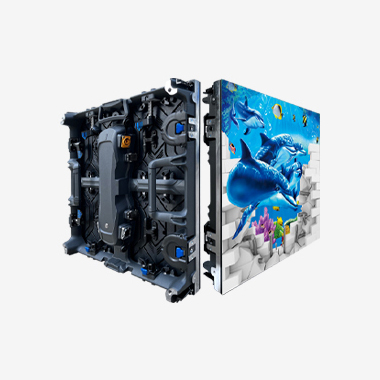
At the core of high brightness LED display billboards are the LED modules. Specialized high - brightness LED chips are carefully selected for their ability to produce intense light output while maintaining energy efficiency and a long lifespan. These chips are typically made from advanced semiconductor materials, such as gallium nitride (GaN) and aluminum gallium indium phosphide (AlGaInP), which are known for their high luminous efficacy and excellent color - rendering capabilities. The LED chips are mounted on high - quality printed circuit boards (PCBs) that are designed to provide efficient heat dissipation and stable electrical connections.
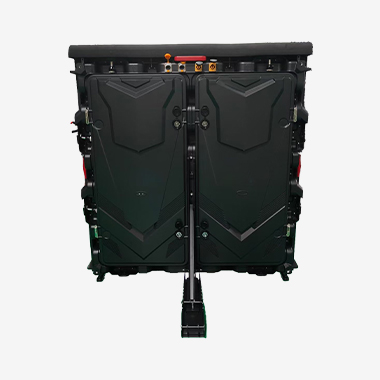
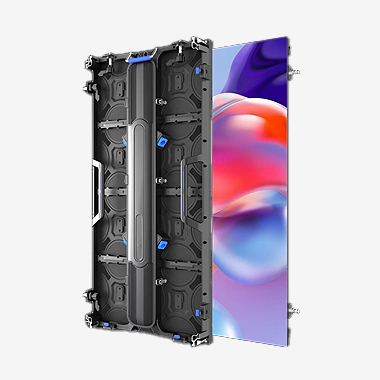
The choice of the enclosure for the LED display is crucial for protecting the internal components from the harsh outdoor environment. Materials such as aluminum alloy or steel are commonly used due to their strength, durability, and resistance to corrosion. The enclosure is designed with a sealed structure to prevent the ingress of dust, moisture, and other contaminants. Gaskets or seals made of weather - resistant materials, such as silicone rubber, are installed around the edges of the enclosure to create a tight seal. Additionally, the enclosure may feature a ventilation system or heat - sinks to manage the heat generated by the high - brightness LED modules, ensuring their stable operation over time.
The power supply unit is another critical component of high brightness LED display billboards. It needs to be capable of delivering a stable and consistent power output to the LED modules, even under varying voltage conditions. High - quality, outdoor - rated power supplies are used, which often come with features such as surge protection, over - current protection, and over - voltage protection. These safeguards help to prevent damage to the LED modules and other electrical components, ensuring the long - term reliability of the billboard.
Assembly and Integration
The assembly process of high brightness LED display billboards begins with the installation of the LED modules onto the PCBs. The LED chips are precisely soldered onto the boards, and each module undergoes rigorous testing to ensure its functionality and quality. Once the LED modules are ready, they are carefully installed into the enclosure. Special attention is paid to the alignment of the modules to ensure a uniform visual display across the entire billboard.
After the LED modules are installed, the control system is integrated. The control system, which typically includes a video processor and a controller, is responsible for receiving the input content (such as videos, images, or text) and converting it into a format that can be understood by the LED driver circuits. The control system is usually placed in a separate, protected compartment within the enclosure to shield it from environmental factors.
The power supply unit is then connected to the LED modules and the control system. Specialized cables and connectors are used for these connections to ensure reliable power transmission and signal integrity. The entire assembly is thoroughly tested to ensure that all components are functioning properly and that the billboard can display high - quality visuals with the desired brightness level. Additionally, the billboard undergoes various environmental tests, such as waterproofing tests, temperature - resistance tests, and wind - resistance tests, to ensure its suitability for outdoor use.
Customization
High brightness LED display billboard signage can be highly customized to meet the specific requirements of different advertising campaigns and installation locations. Customization options include the size and shape of the billboard, the pixel density, the color scheme, and the specific features required. For example, for a large - scale advertisement on a major highway, a large - format billboard with a high pixel density may be necessary to ensure that the content is clear and visible to drivers at high speeds. On the other hand, for a more local advertisement in a pedestrian - heavy area, a smaller billboard with a lower pixel density might be sufficient and more cost - effective.
The shape of the billboard can also be customized to create a unique and eye - catching design. In addition to traditional rectangular or square shapes, billboards can be designed in various creative forms, such as circular, triangular, or irregular shapes, to stand out in the advertising landscape. The color scheme can be tailored to match the brand identity of the advertiser or the theme of the advertising campaign. Moreover, custom features like interactive touch - screen capabilities, integration with sensors (such as traffic sensors or environmental sensors) to display real - time information, and synchronized multi - billboard operation can be added to enhance the effectiveness and engagement of the advertisement.
The operation of high brightness LED display billboard signage is based on a combination of electrical, optical, and digital signal processing principles, which work together to deliver high - quality, bright visuals.
LED Operation and Light Emission
High brightness LED display billboards operate on the principle of electroluminescence, similar to other LED - based display technologies. When an electric current is applied to the LED chips within the display, electrons and holes in the semiconductor material of the LED recombine. This recombination process releases energy in the form of photons, resulting in the emission of light.
The color of the emitted light is determined by the energy bandgap of the semiconductor material used in the LED chip. Different semiconductor materials produce different colors. For full - color displays, each pixel typically consists of multiple LED chips, usually red, green, and blue (RGB) LEDs. By precisely controlling the intensity of each color LED, a wide range of colors and shades can be created, enabling the display of vivid and realistic images, videos, and animations.
In high brightness LED chips, the semiconductor structure is optimized to enhance the efficiency of light emission. This includes improving the quality of the semiconductor material, optimizing the chip design, and using advanced packaging techniques. These enhancements allow the LED chips to produce a higher amount of light output while maintaining good color - rendering properties and energy efficiency.
Image Generation and Display
To generate an image on a high brightness LED display billboard, digital video or data signals are first received by the display's control system. These signals can come from various sources, such as pre - recorded video files stored on an advertising server, live video feeds from cameras, or real - time data from external databases. The control system, which consists of a video processor and a controller, decodes and processes these signals.
The video processor converts the input signals into a format that can be understood by the LED driver circuits. It divides the image or video into individual pixels and determines the intensity values for each color LED in each pixel. The LED driver circuits then control the current flowing through each LED chip in the display. By precisely adjusting the current, the brightness of each LED can be regulated, and the desired image or video is displayed on the billboard.
The LED chips in the display are arranged in a matrix - like pattern. The control system scans through each row and column of this matrix at high speeds to update the state of each LED in real - time. This rapid scanning, combined with the fast - switching capabilities of the LEDs, enables the display of smooth videos and dynamic animations without any noticeable flicker or lag, providing a seamless visual experience for viewers.
Signal Transmission and Control
The control system of the high brightness LED display billboard also manages the signal transmission between the input source and the LED driver circuits. High - speed data cables, such as Ethernet cables or specialized LED control cables, are used to transmit the digital signals from the control system to the LED driver circuits. These cables are designed to ensure reliable signal transmission over long distances and in outdoor environments.
Standard communication protocols, such as SPI (Serial Peripheral Interface) and DMX (Digital Multiplex), are used to ensure accurate and synchronized display of the content. These protocols define the format and timing of the data transmission, allowing the control system to precisely control the state of each LED in the display, including its brightness, color, and switching frequency.
In addition, modern high brightness LED display billboards often incorporate wireless control capabilities. This allows advertisers to remotely manage and update the display content, adjust the display settings (such as brightness, contrast, and color temperature), and monitor the performance of the billboard from a central location. Wireless control technologies, such as Wi - Fi, 4G, or 5G, provide a convenient and efficient way to manage multiple billboards across different locations, enabling real - time advertising campaigns and quick response to market changes.
Advantages
One of the most significant advantages of high brightness LED display billboard signage is its exceptional visibility. The high - intensity light output ensures that the advertisements are clearly visible even in direct sunlight, at night, or in areas with high ambient light. This makes it an extremely effective tool for reaching a large and diverse audience, including drivers on highways, pedestrians in urban areas, and passengers in public transportation. The bright and vivid visuals can capture the attention of viewers from a long distance, increasing the likelihood of the advertisement being noticed and remembered.
The versatility of high brightness LED display billboards in content presentation is another major advantage. Advertisers can create dynamic and engaging advertisements using a variety of multimedia elements, such as videos, animations, and interactive content. The ability to update the content remotely allows for targeted advertising, enabling brands to reach specific demographics, locations, and time slots. This flexibility gives advertisers a competitive edge in the market, as they can quickly adapt their advertising strategies to changing consumer preferences and market trends.
Energy - efficiency is also a notable benefit of high brightness LED display billboards. Compared to traditional outdoor lighting solutions, LED displays consume significantly less power while delivering a higher level of brightness. This not only reduces the electricity costs for advertisers but also contributes to environmental sustainability by lowering energy consumption and carbon emissions. The long lifespan of LED components further reduces the need for frequent replacements, resulting in lower maintenance costs and less waste generation.
The high - quality visuals provided by high brightness LED display billboards, including excellent color accuracy and contrast ratios, enhance the brand image of advertisers. The sharp and vivid images can effectively convey the brand's message and values, creating a positive impression on the audience. This can lead to increased brand awareness, improved brand recall, and ultimately, higher customer engagement and sales.
Challenges
Despite their many advantages, high brightness LED display billboard signage also faces several challenges. One of the primary challenges is the high initial cost. The advanced technology, high - quality components, and large - scale manufacturing required for these billboards contribute to a relatively high purchase and installation price. This cost can be a significant barrier for small and medium - sized businesses with limited advertising budgets, making it difficult for them to invest in this type of advertising medium.
Another challenge is the technical complexity involved in installation and maintenance. Installing high brightness LED display billboards requires specialized skills and equipment, especially for large - scale installations at high locations, such as on tall buildings or along highways. Ensuring proper electrical connections, structural stability, and heat dissipation is crucial for the safe and reliable operation of the billboard. Maintenance also requires trained technicians who can troubleshoot and repair issues related to the LED modules, control systems, and power supplies. Regular maintenance, including cleaning the display to remove dirt and debris and checking for any signs of component damage, adds to the overall cost and complexity of operating these billboards.
In addition, high brightness LED display billboards may face regulatory and legal challenges in some areas. Different regions have specific regulations regarding the size, location, brightness, and content of outdoor advertisements. Advertisers need to ensure that their billboards comply with these regulations to avoid fines and legal issues. The regulations may also limit the installation of high - brightness displays in certain areas due to concerns about light pollution or visual obstruction, which can restrict the potential reach of the advertisements.
Finally, the performance of high brightness LED display billboards can be affected by environmental factors, such as extreme temperatures, humidity, and dust. High temperatures can cause the LED chips to overheat, reducing their lifespan and performance. Humidity and dust can also damage the internal components of the billboard if not properly protected. To mitigate these effects, manufacturers need to use high - quality, weather - resistant materials and implement effective protection mechanisms, which can further increase the cost of the billboards.
Applications
High brightness LED display billboard signage has a wide range of applications in the outdoor advertising industry. Along highways and major roads, these billboards are highly effective in reaching a large number of drivers and passengers. They can display advertisements for national and international brands, promoting products and services to a broad audience. The high - visibility and dynamic nature of the displays make them ideal for capturing the attention of drivers, even at high speeds.
In urban areas, high brightness LED display billboards are commonly installed on building facades, in shopping districts, and at transportation hubs such as bus stops, train stations, and airports. They can be used to display a variety of advertisements, from local business promotions to global brand campaigns. These billboards can also serve as a platform for public information dissemination, such as displaying news updates, traffic alerts, and public service announcements.
High brightness LED display billboards are also widely used in event advertising. At festivals, concerts, sports events, and trade shows, these billboards can be used to promote the event, display sponsor logos, and provide real - time information to attendees. They can be installed around the event venue, on stages, or at entrance gates, creating an immersive and engaging atmosphere for the participants.
In addition, some cities are using high brightness LED display billboards as part of their smart city initiatives. These billboards can be integrated with sensors and other smart city technologies to display real - time information, such as air quality, energy consumption, or public transportation schedules. This integration enhances the functionality and interactivity of the urban environment, providing valuable information to citizens and visitors.
Future Trends
The future of high brightness LED display billboard signage looks promising, with several emerging trends likely to shape its development. One of the major trends is the continuous improvement in image quality. As technology advances, we can expect to see higher pixel densities, better contrast ratios, and more accurate color reproduction in high brightness LED displays. This will enable more detailed and realistic visuals, making the advertisements even more eye - catching and engaging.
The integration of advanced technologies such as artificial intelligence (AI) and machine learning (ML) is another significant trend. AI and ML can be used to analyze audience data, such as demographics, behavior, and preferences, and optimize the advertising content and display schedule accordingly. For example, AI - powered systems can automatically adjust the brightness and color of the display based on the ambient lighting conditions, or target specific advertisements to audiences in different locations at different times of day. This will make outdoor advertising more personalized, relevant, and effective.
The development of more intelligent and connected high brightness LED display billboards is also on the horizon. These billboards will be able to communicate with each other and with other devices in the advertising ecosystem, such as smartphones, tablets, and smart city infrastructure. This connectivity will enable new forms of interactive and immersive advertising experiences, such as augmented reality (AR) - enabled advertisements that can be accessed by users through their mobile devices, or real - time data - driven advertisements that respond to local events and conditions.
In addition, there is a growing trend towards more sustainable and eco - friendly high brightness LED display billboard technologies. Manufacturers are developing displays that use less power, are made from recyclable materials, and have a longer lifespan. This not only reduces the environmental impact of outdoor advertising but also makes the billboards more cost - effective in the long run, as they require less energy and maintenance.
Conclusion
High brightness LED display billboard signage has transformed the outdoor advertising landscape, offering a powerful and effective means for brands to communicate with their audiences. With its high - visibility, versatility, energy - efficiency, and superior visual quality, it has become an essential tool for modern advertising campaigns. Despite the challenges associated with high cost, technical complexity, regulatory requirements, and environmental factors, its numerous advantages have made it a popular choice among advertisers.
As technology continues to evolve, the future of high brightness LED display billboard signage is filled with exciting possibilities. Advancements in image quality, the integration of emerging technologies like AI and AR, the development of intelligent and connected displays, and a greater focus on sustainability will further enhance the capabilities and effectiveness of these billboards. High brightness LED display billboard signage will undoubtedly play an even more significant role in the future of outdoor advertising, enabling more creative, engaging, and impactful advertising campaigns that drive brand growth and consumer engagement.


Copyright © 2026 Shenzhen Cogo Technology Co.,Ltd.
All Rights Reserved

 Previous article