




 Chat Now
In the dynamic landscape of modern events, large LED pantallas display screens have emerged as a cornerstone of visual communication, revolutionizing the way events are presented and experienced. From grand music festivals and international sporting events to corporate conferences and political rallies, these towering displays have become an essential element, captivating audiences with their vibrant visuals and immersive experiences.
The rise of large LED pantallas display screens can be attributed to several factors. Firstly, technological advancements have significantly improved the quality, brightness, and resolution of LED displays, enabling them to deliver stunning visuals even in bright outdoor environments. Secondly, the increasing demand for engaging and interactive event experiences has driven event organizers to seek out innovative ways to capture and hold the attention of their audiences. Large LED screens offer a versatile and impactful solution, allowing for the seamless integration of video, graphics, and live feeds to create a dynamic and immersive atmosphere.
Another key advantage of large LED pantallas display screens is their scalability. These screens can be customized to fit any event space, from small indoor venues to large outdoor stadiums, making them suitable for a wide range of events. Additionally, LED screens can be easily assembled and disassembled, allowing for quick and efficient setup and teardown, which is crucial for events with tight schedules.
In terms of market trends, the global large LED display market is expected to continue its rapid growth in the coming years. According to a report by MarketsandMarkets, the global LED display market size is projected to reach $[X] billion by [Year], growing at a CAGR of [X]% from [Year] to [Year]. This growth is being driven by factors such as the increasing adoption of LED displays in the advertising, entertainment, and sports industries, as well as the growing demand for high - resolution and energy - efficient display solutions.
The design and construction of large LED pantallas display screens are complex processes that require a deep understanding of both technology and engineering. The first step in the design process is to determine the specific requirements of the event, including the size of the screen, the resolution, the viewing distance, and the environmental conditions. Based on these requirements, the design team will create a detailed plan that outlines the layout, structure, and electrical components of the screen.
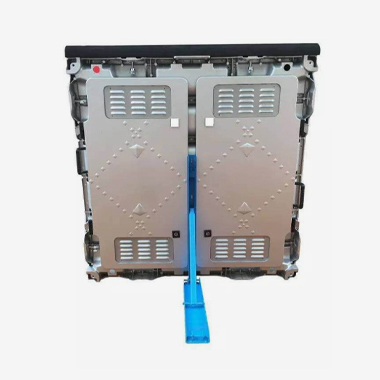
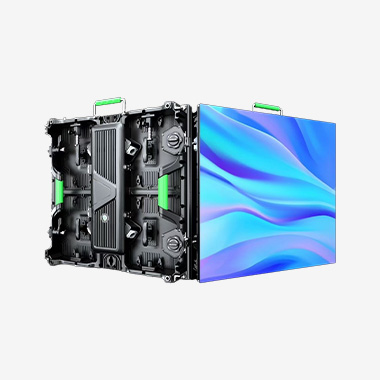
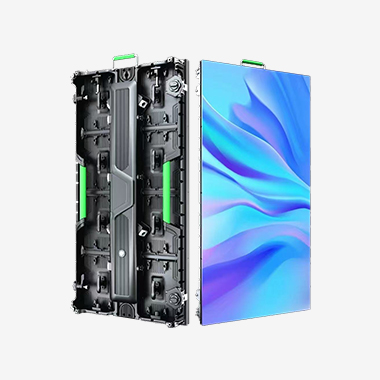
The structure of a large LED pantallas display screen is typically made up of a frame, a support system, and a series of LED modules. The frame provides the structural integrity of the screen, while the support system ensures that the screen is stable and secure. The LED modules are the individual components that make up the screen, each containing a matrix of LED lights that emit red, green, and blue light to create the desired image.
The choice of materials used in the construction of a large LED pantallas display screen is crucial for its performance and durability. The frame is usually made of aluminum or steel, which provides strength and rigidity while keeping the weight of the screen to a minimum. The support system may consist of a combination of steel trusses, concrete foundations, or mobile trailers, depending on the size and location of the screen. The LED modules are typically made of high - quality materials that are resistant to heat, moisture, and vibration, ensuring that they can withstand the rigors of outdoor use.
In addition to the structural components, large LED pantallas display screens also require a sophisticated electrical system to power and control the LED modules. This system includes power supplies, control cards, and data cables, which work together to transmit the video signal from the source to the LED modules and ensure that they are illuminated correctly. The electrical system must be designed to meet strict safety standards and regulations, as well as to provide reliable and efficient operation.
The working principles of large LED pantallas display screens are based on the properties of light - emitting diodes (LEDs), which are semiconductor devices that emit light when an electric current is applied. In an LED display, the image is created by a matrix of individual LED lights, each of which can be controlled independently to produce different colors and intensities of light.
The basic building block of an LED display is the pixel, which is made up of a group of three LED lights: one red, one green, and one blue. By varying the intensity of each of these LED lights, a wide range of colors can be created. For example, when all three LED lights are at full intensity, white light is produced. When the red and green LED lights are at full intensity and the blue LED light is off, yellow light is produced.
To display an image on an LED screen, the video signal from the source (such as a computer, DVD player, or live camera) is first converted into a digital format. This digital signal is then transmitted to the control cards, which are responsible for controlling the individual LED modules. The control cards receive the digital signal and convert it into a series of electrical signals that are sent to the LED modules, telling them which LED lights to turn on and off and at what intensity.
The refresh rate of an LED display is another important factor that affects its performance. The refresh rate refers to the number of times per second that the image on the screen is updated. A higher refresh rate results in a smoother and more fluid image, which is particularly important for displaying fast - moving objects such as sports or action scenes. Most modern large LED pantallas display screens have a refresh rate of at least 60 Hz, although some high - end models can have refresh rates of up to 240 Hz or more.
Large LED pantallas display screens offer a number of significant advantages that make them the preferred choice for event organizers around the world. One of the most notable advantages is their high - quality visuals. LED displays offer bright, vivid colors, high contrast ratios, and excellent viewing angles, ensuring that the image can be seen clearly from any position in the audience. This makes them ideal for events where a large number of people need to be able to see the screen, such as outdoor festivals or stadium concerts.
Another advantage of large LED pantallas display screens is their energy efficiency. Compared to traditional display technologies such as CRT or LCD, LED displays consume significantly less energy, which not only reduces operating costs but also makes them more environmentally friendly. Additionally, LED displays have a longer lifespan than other display technologies, which means that they require less frequent replacement and maintenance.
Large LED pantallas display screens also offer a high degree of flexibility and customization. They can be easily configured to display a wide variety of content, including video, graphics, text, and live feeds. Event organizers can also use software to control the display in real - time, allowing them to change the content, adjust the colors and brightness, and add special effects as needed.
However, despite their many advantages, large LED pantallas display screens also face a number of challenges. One of the main challenges is the high cost of purchase and installation. Large LED screens can be very expensive, especially for high - resolution models with advanced features. In addition to the cost of the screen itself, there are also additional costs associated with installation, such as the cost of the support structure, the electrical system, and the labor required to install and configure the screen.
Another challenge is the need for regular maintenance and repair. Like any electronic device, LED displays can experience problems such as dead pixels, malfunctioning LED modules, or electrical failures. These problems can affect the quality of the image and the performance of the screen, and they need to be addressed promptly to ensure that the screen continues to function properly. Regular maintenance and calibration are also required to keep the screen looking its best and to ensure that it is operating at peak efficiency.
Environmental factors can also pose a challenge for large LED pantallas display screens. Outdoor screens are exposed to a variety of weather conditions, such as rain, snow, wind, and extreme temperatures. These conditions can damage the screen and its components, and they need to be taken into account when designing and installing the screen. Special measures, such as waterproof enclosures and temperature - controlled cabinets, may be required to protect the screen from the elements.
The applications of large LED pantallas display screens are vast and diverse, spanning across multiple industries and event types. In the entertainment industry, LED screens are used extensively in concerts, music festivals, and theater productions. They are used to display live video feeds of the performers, create immersive visual backgrounds, and showcase promotional content. LED screens also play a crucial role in the sports industry, where they are used to display live game action, replays, scores, and advertisements. In stadiums and arenas, large LED screens provide fans with a better view of the game, enhancing their overall experience.
In the corporate world, large LED pantallas display screens are used for conferences, trade shows, and product launches. They are used to display presentations, videos, and product demonstrations, helping to engage and inform the audience. LED screens are also used in the advertising industry, where they are used to display eye - catching advertisements and promotional content in high - traffic areas such as city centers, shopping malls, and transportation hubs.
Looking to the future, the large LED pantallas display screen industry is expected to continue to evolve and innovate. One of the major trends is the development of higher - resolution displays. As technology continues to advance, we can expect to see LED screens with even higher resolutions, such as 8K and beyond, which will provide even more detailed and immersive visuals. Another trend is the integration of LED displays with other technologies, such as virtual reality (VR) and augmented reality (AR). This will open up new possibilities for creating more interactive and engaging event experiences.
The use of flexible and transparent LED displays is also expected to grow in the coming years. Flexible LED displays can be curved or bent to fit any shape or surface, making them ideal for use in unique and creative installations. Transparent LED displays, on the other hand, allow light to pass through, creating a more seamless and integrated look. These types of displays are likely to be used in a variety of applications, such as window displays, architectural installations, and retail environments.
In addition, the demand for energy - efficient and sustainable LED displays is likely to increase as environmental concerns become more prominent. Manufacturers are already working on developing LED displays that use less energy and are made from more sustainable materials, and this trend is expected to continue in the future.
Conclusion
In conclusion, large LED pantallas display screens have become an integral part of modern events, offering a powerful and versatile solution for visual communication. Their high - quality visuals, energy efficiency, flexibility, and customization options make them the preferred choice for event organizers in a wide range of industries. However, they also face a number of challenges, such as high cost, maintenance requirements, and environmental factors.
Despite these challenges, the future of large LED pantallas display screens looks bright. With ongoing technological advancements and the development of new trends and applications, we can expect to see even more innovative and exciting uses of LED displays in the years to come. As the demand for engaging and immersive event experiences continues to grow, large LED pantallas display screens will undoubtedly play an increasingly important role in shaping the future of events. Whether it's a music festival, a sports event, a corporate conference, or an advertising campaign, large LED display screens will continue to captivate audiences and enhance the overall event experience.


Copyright © 2026 Shenzhen Cogo Technology Co.,Ltd.
All Rights Reserved

 Previous article