




 Chat Now
In the highly competitive and rapidly evolving retail landscape, large LED multimedia screens have emerged as a powerful and transformative tool. These screens are revolutionizing the way retailers engage with customers, showcase products, and enhance the overall shopping experience. By combining high - definition visuals, dynamic multimedia content, and interactive features, large LED multimedia screens offer retailers a versatile platform to attract attention, communicate brand messages, and drive sales.
At their core, large LED multimedia screens for retail are large - format display systems composed of numerous light - emitting diodes (LEDs). These LEDs work in harmony to produce bright, vivid, and high - resolution images and videos. Unlike traditional static signage or small - scale digital displays, large LED multimedia screens can command attention from a distance, making them ideal for use in busy retail environments such as shopping malls, department stores, and high - street shops.
The growth of large LED multimedia screens in the retail sector can be attributed to several factors. Firstly, the increasing demand for immersive and engaging shopping experiences has led retailers to seek out innovative display solutions. Consumers today expect more than just a simple product display; they want to be entertained, informed, and inspired during their shopping trips. Large LED multimedia screens can deliver high - impact visual content, such as product demonstrations, brand stories, and interactive games, which can capture the attention of shoppers and encourage them to explore the store further.
Secondly, advancements in LED technology have made large LED multimedia screens more accessible and cost - effective. Improvements in manufacturing processes have led to reduced production costs, while enhancements in energy efficiency and durability have made these screens more practical for long - term use in retail settings. Additionally, the development of high - resolution displays, such as 4K and 8K, has enabled retailers to showcase products in stunning detail, highlighting their features and benefits more effectively.
However, while large LED multimedia screens offer numerous benefits to retailers, they also come with certain challenges. These include high initial investment costs, technical installation complexities, the need for regular maintenance, and the requirement for high - quality content creation. Despite these challenges, the potential of large LED multimedia screens to transform the retail experience continues to drive their adoption across the industry.
The design and construction of large LED multimedia screens for retail are complex processes that require a careful balance of technical expertise, creative vision, and an understanding of the retail environment. The design phase begins with a comprehensive assessment of the retailer's specific needs, including the store layout, target audience, brand identity, and budget.
One of the first considerations in the design is the size and shape of the screen. In a large - scale shopping mall, a large, wide - format screen may be installed at the entrance or in a central atrium to attract foot traffic from a distance. In a smaller boutique store, a more compact and customized screen may be designed to fit the available wall space or to be integrated into the store's interior design. The shape of the screen can also vary, with options including flat screens, curved screens, and even irregular - shaped screens that can add a unique and eye - catching element to the store's visual display.
Pixel pitch is a crucial factor in the design of large LED multimedia screens for retail. A smaller pixel pitch results in a higher - resolution display, which is essential for showcasing detailed product images and text. However, smaller pixel pitch screens are generally more expensive. Retailers need to consider the viewing distance of their customers when choosing the pixel pitch. For example, in a store where customers will be viewing the screen from a relatively close distance, a smaller pixel pitch screen will be required to ensure sharp and clear visuals.
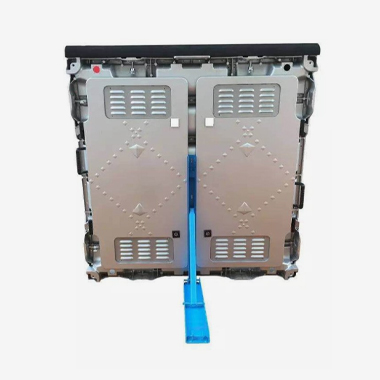
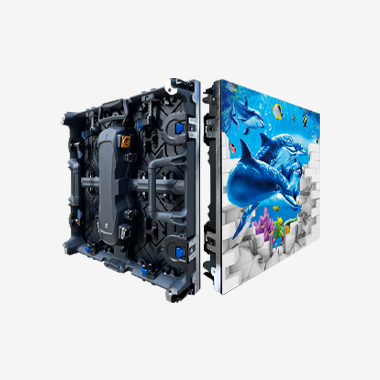
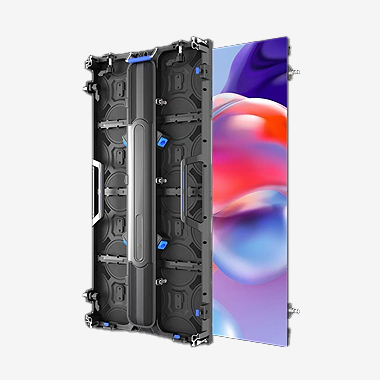
In the construction process, high - quality LED modules are carefully selected and assembled. These modules are the building blocks of the screen, and their quality directly impacts the overall performance. The modules are mounted on a sturdy framework, which provides structural support and ensures a flat surface for optimal visual display. Specialized mounting systems are used to secure the screen in place, whether it's on a wall, ceiling, or freestanding structure.
The electrical and signal connections between the LED modules are also meticulously implemented. Advanced cabling and connection technologies are used to ensure reliable signal transmission and power supply, minimizing the risk of visual glitches or disruptions. Additionally, a cooling system is often integrated into the screen to manage the heat generated by the LED modules, especially during long - hours of operation.
The design and construction also involve the integration of control systems and software. The control system is responsible for driving the LED modules, processing video signals, and enabling features such as content playback, image manipulation, and multi - screen synchronization. Software applications are used for content management, allowing retailers to schedule playlists, update content in real - time, and control the display settings. These software tools often come with user - friendly interfaces that enable easy operation and customization of the screen's visual output.
The working principles of large LED multimedia screens for retail are based on the fundamental concept of electroluminescence, similar to other LED - based display technologies. Each LED in the screen acts as a pixel, capable of emitting light of varying intensities and colors.
When an electrical current passes through an LED, it emits photons, a phenomenon known as electroluminescence. In a large LED multimedia screen, each pixel typically consists of three sub - pixels: red, green, and blue (RGB). By controlling the intensity of these three primary colors, a vast spectrum of colors can be created through additive color mixing. The control system of the screen receives video signals from various sources, such as media servers, computers, or digital signage players. These signals are first digitized and then processed to determine the appropriate color and brightness values for each LED pixel.
The processed information is then sent to the LED driver circuits, which are responsible for controlling the current flowing through each LED. By precisely adjusting the current, the driver circuits can control the brightness of each LED, enabling the creation of detailed and vibrant images and videos. To ensure smooth video playback and a seamless visual experience, large LED multimedia screens often have high refresh rates, typically 60Hz or higher. A high refresh rate reduces flicker and ensures that fast - moving images are displayed clearly without any blurring.
In addition to basic image and video display, large LED multimedia screens for retail incorporate features that enhance their functionality in a retail environment. Content management systems play a crucial role in allowing retailers to easily update and manage the content displayed on the screen. These systems can support a wide range of content formats, including videos, images, animations, and live data feeds. Retailers can schedule content to be displayed at specific times, create playlists, and even target different audiences based on factors such as time of day, store location, or customer demographics.
Some large LED multimedia screens also come with interactive features, such as touch - screen capabilities or motion sensors. These features enable customers to interact with the content displayed on the screen, for example, by browsing product catalogs, accessing additional product information, or participating in interactive marketing campaigns. Integration with other retail systems, such as point - of - sale (POS) systems, inventory management systems, and customer relationship management (CRM) systems, can also be achieved, allowing for more personalized and data - driven marketing strategies.
Advantages
One of the most significant advantages of large LED multimedia screens for retail is their ability to attract and engage customers. The bright, high - resolution visuals and dynamic multimedia content can capture the attention of shoppers in a busy retail environment, drawing them to the store and encouraging them to explore the products on offer. For example, a large LED screen displaying a captivating product demonstration or a visually appealing brand story can pique the interest of passers - by and entice them to enter the store.
These screens also offer retailers a powerful marketing and branding tool. They can be used to showcase new products, highlight promotions and discounts, and communicate the brand's values and personality. By displaying high - quality, consistent visual content, retailers can strengthen their brand identity and create a more memorable shopping experience for customers. Additionally, large LED multimedia screens can be used to display customer testimonials, reviews, and social media feeds, adding social proof and credibility to the brand.
Another advantage is the flexibility and versatility of large LED multimedia screens. They can be customized to fit the specific needs of each retail store, whether it's a small boutique or a large department store. The content displayed on the screen can be easily updated and changed, allowing retailers to adapt to changing market trends, seasons, and customer preferences. Furthermore, the interactive features of these screens can enhance the customer experience, making shopping more fun and engaging. For instance, customers can use touch - screen interfaces to try on virtual clothing or accessories, or to explore different product configurations.
Large LED multimedia screens also offer long - term cost - effectiveness. While the initial investment may be high, the energy - efficient nature of LED technology reduces operating costs over time. Additionally, the durability of LED screens means that they require less frequent maintenance and replacement compared to traditional display technologies, further reducing costs in the long run.
Challenges
Despite their many advantages, large LED multimedia screens for retail also face several challenges. The high initial investment cost is a major barrier for many retailers, especially small and medium - sized businesses. The cost includes not only the screen itself but also the control systems, installation services, content creation, and software licenses. This high upfront investment can be a significant financial burden, especially for retailers with limited budgets.
Technical installation and operation of large LED multimedia screens require specialized skills and knowledge. Incorrect installation can lead to issues such as uneven brightness, color discrepancies, and poor image quality. Ensuring proper alignment of the LED modules, correct connection of the control systems, and reliable power supply are all critical aspects of the installation process. Additionally, operating the screen and its associated software and control systems can be complex, requiring trained technicians to manage the content and settings.
Content creation for large LED multimedia screens is another challenge. Creating high - quality, engaging multimedia content that effectively promotes products and brands requires significant time, effort, and resources. Retailers need to have access to skilled designers, videographers, and content creators, or they need to outsource the content creation process, which can add to the overall cost. Moreover, ensuring that the content is relevant, up - to - date, and optimized for the specific screen size and resolution can be a complex task.
Maintenance and technical support are also important considerations. Large LED multimedia screens need to be regularly maintained to ensure optimal performance. This includes tasks such as cleaning the screen, checking for faulty LED modules, and updating the software. Any technical issues or malfunctions can disrupt the display and potentially impact the customer experience, so having reliable technical support is essential.
Applications
Large LED multimedia screens have a wide range of applications in the retail industry. In storefronts, they are used to attract customers from the street by displaying eye - catching product images, promotional videos, and brand messages. For example, a fashion store may use a large LED screen to showcase its latest collection, while a food store can display mouth - watering images of its products to entice passers - by.
Inside the store, large LED multimedia screens can be used for various purposes. They can serve as digital signage to display product information, prices, and promotions. In large department stores, these screens can be used to guide customers to different sections of the store, acting as interactive wayfinding tools. Additionally, they can be used to create immersive product displays. For instance, a furniture store can use a large LED screen as a backdrop to create a virtual living room setting, allowing customers to visualize how the furniture would look in their own homes.
Large LED multimedia screens are also increasingly being used for customer engagement and marketing campaigns. Retailers can use these screens to run interactive contests, polls, and surveys, encouraging customers to participate and engage with the brand. They can also be used to display live social media feeds, showcasing user - generated content and creating a sense of community around the brand.
Future Trends
The future of large LED multimedia screens for retail is filled with exciting possibilities. One of the key trends is the continued improvement in resolution. As technology advances, we can expect to see more widespread adoption of 8K and even higher - resolution screens, allowing retailers to display products in even greater detail. This will be particularly beneficial for industries such as luxury goods, where the fine details of products are crucial for attracting customers.
Another trend is the integration of artificial intelligence (AI) and machine learning (ML) technologies. AI and ML can be used to analyze customer behavior and preferences, enabling retailers to create more personalized and targeted content for their LED multimedia screens. For example, based on a customer's past purchases and browsing history, the screen can display relevant product recommendations and promotions. These technologies can also be used to optimize the performance of the screen, such as automatically adjusting the brightness and contrast based on the ambient lighting conditions.
The development of more energy - efficient and sustainable LED technologies is also likely to be a major trend. As environmental concerns grow, there will be an increasing demand for retail display solutions that consume less power. Manufacturers will focus on developing new materials and technologies that reduce energy consumption without sacrificing visual quality.
Furthermore, the trend towards greater interactivity and connectivity will continue. Future large LED multimedia screens are likely to be more integrated with other smart devices and systems in the retail store, such as mobile apps, smart shelves, and beacon technology. This will enable more seamless and personalized shopping experiences, where customers can interact with the screen using their mobile devices, access additional product information, and even complete purchases directly from the screen.
Conclusion
In conclusion, large LED multimedia screens have become an essential tool in the modern retail industry. Their ability to attract customers, enhance the shopping experience, and promote products and brands makes them a valuable asset for retailers of all sizes. Despite the challenges associated with high initial costs, technical complexity, content creation, and maintenance, the numerous advantages of these screens far outweigh the drawbacks.
The wide range of applications in storefronts, in - store displays, and customer engagement activities demonstrates their versatility and importance in the retail environment. Looking to the future, with the continued advancement of technology, the integration of AI and ML, the development of more energy - efficient solutions, and the increase in interactivity and connectivity, large LED multimedia screens are set to play an even more crucial role in shaping the future of retail. They will continue to evolve and adapt, providing retailers with innovative ways to engage with customers, drive sales, and stay competitive in an increasingly digital and dynamic retail landscape.


Copyright © 2026 Shenzhen Cogo Technology Co.,Ltd.
All Rights Reserved

 Previous article