




 Chat Now
In the bustling and highly competitive landscape of modern retail, large commercial LED display panels have firmly established themselves as an essential and transformative element within shopping malls. These display panels, harnessing the cutting - edge technology of light - emitting diodes, have redefined the way malls interact with customers, promote businesses, and enhance the overall shopping experience, effectively evolving malls from simple shopping destinations into dynamic, multifunctional commercial hubs.
The ascendancy of LED display panels in malls can be attributed to a confluence of several influential factors. Primarily, the intensifying competition among malls has spurred an urgent need for distinctive and captivating attractions to entice a larger customer base. In an era where consumers are constantly bombarded with visual stimuli, traditional static signage and marketing methods have become less effective. Large commercial LED display panels, with their capacity to showcase high - definition images, vivid and immersive videos, and dynamic, attention - grabbing animations, offer malls a powerful and versatile tool to differentiate themselves from competitors. For example, a mall equipped with a massive, state - of - the - art LED video wall in its central atrium can create a visually stunning focal point that not only attracts passersby from the street but also encourages mall visitors to linger, explore, and engage with the space.
Secondly, the global shift towards digital marketing and advertising has been a significant driving force behind the widespread adoption of these panels. In contrast to traditional printed advertisements and billboards, which are time - consuming and costly to update, LED display panels provide unparalleled flexibility. Mall management and individual retailers can effortlessly update the content displayed on the panels in real - time. This real - time content management capability allows for highly targeted promotions, timely event announcements, and effective brand - building campaigns. During holiday seasons, such as Christmas or Chinese New Year, malls can quickly change the display content to feature festive - themed advertisements, special offers, and interactive holiday - related visuals, creating a sense of excitement and urgency among shoppers. Similarly, in the lead - up to major sales events like Black Friday or Cyber Monday, the panels can be utilized to display countdown timers, exclusive pre - sale information, and highlight key products, effectively driving foot traffic and boosting sales.
Technological advancements have also played a pivotal role in the growth and evolution of large commercial LED display panels for malls. Over the years, there have been remarkable improvements in LED efficiency, brightness, and color accuracy. Modern LED panels are capable of delivering incredibly vivid colors, high contrast ratios, and excellent visibility even in well - lit mall environments. Additionally, advancements in manufacturing processes have led to the production of thinner, lighter, and more flexible LED panels. These physical attributes not only make installation more convenient but also expand the range of creative possibilities for integrating the displays into mall architecture. For instance, curved LED panels can be seamlessly incorporated into the curved surfaces of mall domes or escalator structures, creating a more immersive and aesthetically pleasing visual experience.
From an economic perspective, LED display panels have become increasingly cost - effective in the long run. Although the initial investment in purchasing and installing these panels can be substantial, their energy - efficiency and long lifespan offer significant cost savings over time. Compared to traditional display technologies such as cathode - ray tubes (CRTs) or older - generation LCDs, LED panels consume significantly less power, which directly translates into reduced electricity bills for mall operators. Moreover, with an average lifespan of up to 100,000 hours or more, the need for frequent replacements is minimized, reducing maintenance costs and downtime.
However, despite these numerous advantages, the implementation of large commercial LED display panels in malls is not without its challenges. The high initial cost remains a major hurdle, especially for smaller malls or those with limited budgets. This cost encompasses not only the purchase price of the panels themselves but also expenses related to installation, electrical infrastructure upgrades, and the acquisition of necessary control systems. Technical complexity is another significant issue. Ensuring proper electrical connections, calibrating the displays for accurate color and brightness, and troubleshooting any technical glitches require specialized knowledge and skills. Mall operators often need to invest in training their staff or hire external technical experts to manage and maintain these panels effectively. Additionally, in a highly competitive mall environment, creating compelling, unique, and engaging content that can cut through the noise and capture the attention of shoppers is an ongoing challenge. Retailers and mall management need to continuously innovate and invest in professional content creation to make the most of these display panels.
The design and construction of large commercial LED display panels for malls are meticulously crafted to meet the specific and diverse requirements of the mall environment, striking a delicate balance between functionality, aesthetics, and durability.
LED Module Design
The LED module serves as the fundamental building block of large commercial LED display panels. The selection of high - performance LEDs is of utmost importance to ensure optimal performance in terms of brightness, color accuracy, and longevity. For indoor mall applications, LEDs with a wide viewing angle, typically ranging from 140° to 160°, are preferred. This wide viewing angle ensures that the display content can be clearly seen by customers from various positions within the mall, including from the sides and at oblique angles. Specialized LEDs with high color - rendering indices (CRIs) are also crucial. A high CRI, ideally above 90, ensures that the colors of products, images, and videos displayed on the panels are accurately reproduced, making them more appealing and realistic to customers. For example, in a fashion store within the mall, a high - CRI LED display can accurately showcase the true colors of clothing items, helping customers make more informed purchasing decisions.
The layout of LEDs within the module is a critical aspect of design. To achieve uniform light distribution across the entire display surface, a carefully planned arrangement of LEDs is employed. For full - color displays, which are the standard in most commercial applications, red, green, and blue (RGB) LEDs are typically arranged in a specific pattern. The pixel pitch, which is the distance between adjacent LEDs, is determined based on several factors, including the intended viewing distance and the size of the display. In malls, where the viewing distance can vary from a few meters in storefronts to tens of meters in large common areas, pixel pitches ranging from 2mm to 10mm are commonly used. Smaller pixel pitches, such as 2mm - 4mm, are suitable for displays that will be viewed up close, like those in store windows or product kiosks, as they offer higher resolution and sharper images. Larger pixel pitches, on the other hand, are more appropriate for large - scale video walls in open - floor mall spaces, where the focus is on creating a visually impactful display rather than extreme detail.
The advent of mini - LED and micro - LED technologies is set to revolutionize LED module design for malls. Mini - LEDs, with their smaller size compared to traditional LEDs, enable higher pixel densities, resulting in sharper and more detailed images. This is particularly beneficial for applications where close - up viewing is common, such as in high - end product showcases or digital art installations within the mall. Micro - LEDs, although still in the early stages of commercialization, offer even greater potential. They promise higher contrast ratios, faster response times, lower power consumption, and the ability to create seamless, borderless displays. As these technologies mature, they are expected to significantly enhance the visual quality and performance of LED display panels in malls.
Panel Structure and Frame
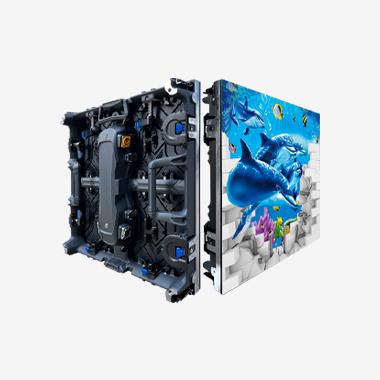
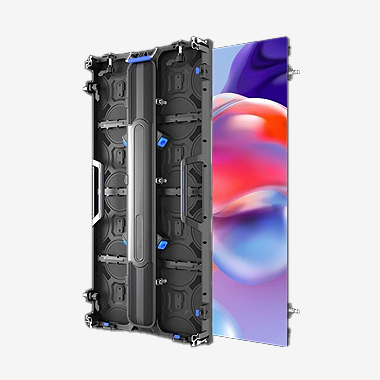
The panel structure of large commercial LED display panels is designed to be both sleek and robust, blending seamlessly with the mall's interior design while providing the necessary protection for the delicate LED components. Slim - profile frames made of lightweight yet sturdy materials, such as aluminum alloys or magnesium - aluminum composites, are commonly used. Aluminum alloys are a popular choice due to their high strength - to - weight ratio, corrosion resistance, and ease of fabrication. These frames not only provide the structural integrity required to support the large panels but also contribute to the overall aesthetic appeal of the display, giving it a modern and elegant look.
The front of the panel is protected by a high - quality, optically clear cover. This cover is typically made of materials such as tempered glass or polycarbonate. Tempered glass offers excellent scratch resistance, high light transmission, and can withstand significant impacts, making it ideal for protecting the LEDs from accidental damage caused by shopping carts, luggage, or other objects in the busy mall environment. Polycarbonate, on the other hand, is lighter and more flexible than glass, making it suitable for applications where a curved or irregularly shaped cover is required. Some panels may feature anti - glare coatings on the cover to reduce reflections from overhead lighting, sunlight streaming through mall windows, or the screens of mobile devices, ensuring optimal visibility of the display content.
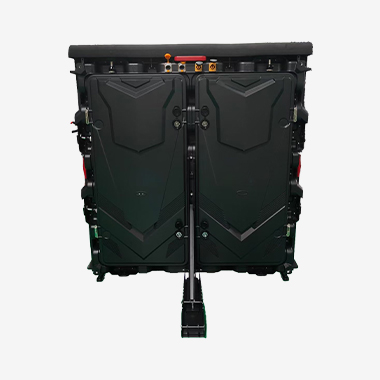
The back of the panel houses the electrical components and control systems. These components are carefully arranged to ensure efficient heat dissipation, as excessive heat can significantly reduce the lifespan and performance of the LEDs. Heat - sink materials with high thermal conductivity, such as aluminum fins or copper heat pipes, are often used to dissipate heat effectively. In some cases, active cooling methods, such as fans or liquid - cooling systems, may be employed for high - power or large - scale display panels to maintain the optimal operating temperature.
Electrical and Control Systems
The electrical system of large commercial LED display panels is designed to provide a stable and reliable power supply to the numerous LEDs in the panel. High - efficiency power supplies are used to convert the incoming electrical power from the mall's electrical grid into the appropriate voltage and current for the LEDs, minimizing energy loss during the conversion process. These power supplies are equipped with built - in protection mechanisms against overvoltage, overcurrent, and short - circuits to safeguard the panel and connected devices from electrical failures. In addition, redundant power supply systems may be installed in critical applications to ensure continuous operation in the event of a power supply failure.
The control system is the nerve center of the LED display panel, responsible for managing the display content and ensuring its smooth operation. Control cards receive digital image and video data from various external sources, such as media servers, computers running content - management software, or live - streaming devices. These control cards decode the incoming data, extracting relevant information such as pixel color values, frame rates, and synchronization signals. They then convert this decoded data into a series of electrical signals that control the brightness, color, and timing of each LED in the panel.
Advanced control systems offer a wide range of features to enhance the functionality and flexibility of the display panels. Real - time content updates allow mall operators and retailers to change the display content instantly, enabling them to respond quickly to changing marketing needs or customer demands. Multi - source input switching enables the panels to seamlessly switch between different data sources, such as pre - recorded videos, live - streaming feeds, or real - time data from sensors. Synchronization capabilities allow multiple display panels to work in harmony, creating large - scale video walls or coordinated display effects. Many modern control systems also support wireless connectivity, such as Wi - Fi or Bluetooth, enabling remote control and monitoring of the display panels from a central location, which is highly convenient for mall management teams.
The operation of large commercial LED display panels for malls is grounded in the fundamental principles of LED technology and digital signal processing, enabling the creation of vibrant, dynamic, and engaging visual content.
LED Emission
At the core of every LED display panel are light - emitting diodes (LEDs), semiconductor devices that emit light when an electric current passes through them. The operation of an LED is based on the principle of electroluminescence. In a typical LED, two different types of semiconductor materials are used: an n - type semiconductor, which has an excess of electrons, and a p - type semiconductor, which has an excess of holes (absence of electrons). When a voltage is applied across the LED, with the positive terminal connected to the p - type and the negative terminal to the n - type, electrons from the n - type material are drawn towards the p - type material. As the electrons cross the junction between the two materials, they recombine with the holes in the p - type material. This recombination process releases energy in the form of photons, which is perceived as light.
For full - color LED display panels, red, green, and blue LEDs are used as the primary colors. By varying the intensity of each of these primary colors, a vast array of colors can be created through additive color mixing. In each pixel of the display panel, multiple RGB LEDs work in concert. The control system precisely adjusts the current flowing through each of the red, green, and blue LEDs to control their brightness. For example, to display the color yellow, which is a combination of red and green in the additive color model, the control system increases the current flowing through the red and green LEDs while keeping the blue LED at a low or off state. By carefully controlling the intensity of each primary color LED, the panel can accurately reproduce a wide spectrum of colors, enabling the display of high - quality images and videos.
Digital Signal Processing
The display panel receives digital image and video data from various sources, such as a computer running graphic design software, a media server storing pre - recorded advertisements, or a live - streaming device capturing real - time events. This data is typically in a digital format, such as a video file in MP4, MOV, or AVI format, or a digital image file in JPEG, PNG, or BMP format.
The control system of the display panel first decodes the incoming digital data. The decoding process involves extracting relevant information from the data stream, such as pixel color values, frame rates, and synchronization signals. Pixel color values represent the color information for each individual pixel in the image or video, while the frame rate indicates the number of frames displayed per second, determining the smoothness of the video playback. Synchronization signals are crucial for ensuring that the different components of the display panel, such as the LED modules and the control cards, work in harmony.
Once the data is decoded, the control cards convert the extracted information into a series of electrical signals that can be understood by the LED drivers in the individual modules. These electrical signals are transmitted to the LED modules at a very high frequency, usually several hundred times per second. The signals control the precise timing of when each LED should turn on, off, and at what intensity. By rapidly switching the LEDs on and off in this manner, the display creates the illusion of continuous and smooth visual content. For example, in a video with a frame rate of 60 frames per second, each LED in the panel needs to be controlled 60 times per second to display the video correctly.
Pulse - Width Modulation (PWM)
Pulse - width modulation (PWM) is a key technique used in large commercial LED display panels to achieve precise brightness control. PWM works by rapidly turning the LEDs on and off at a high frequency. The duty cycle of the PWM signal, which is the proportion of time the LED is on within a given period, determines the average brightness of the LED.
For instance, if the PWM signal has a duty cycle of 50%, the LED is on for 50% of the time and off for the remaining 50% of the time, resulting in an average brightness that is 50% of its maximum. By precisely adjusting the duty cycle for each LED in the pixel, the display can achieve fine - grained control over the brightness and color. This is particularly important in mall environments, where the ambient light conditions can vary significantly throughout the day. In well - lit areas during the day, the panels may need to operate at a higher brightness level to ensure visibility, while in dimly lit areas in the evening or at night, the brightness can be reduced to save energy and create a more comfortable viewing experience. PWM also helps to reduce power consumption by operating the LEDs at the minimum necessary brightness levels to achieve the desired visual effect, contributing to the overall energy - efficiency of the display panel.
Refresh Rate
The refresh rate of a large commercial LED display panel refers to the number of times the image on the screen is updated per second. A higher refresh rate ensures that moving images, such as videos or animations, appear smooth and without any flicker. In modern indoor mall displays, refresh rates of 60 Hz or higher are common, with some high - end panels offering refresh rates of 120 Hz or even 240 Hz for an even more fluid visual experience.
A high refresh rate is essential for applications where the display content includes fast - moving elements, such as action - packed product demonstrations, high - energy promotional videos, or live sports broadcasts. It helps to create a more engaging and professional - looking display, enhancing the overall shopping experience for customers. When the refresh rate is too low, moving images may appear jerky or distorted, which can be distracting and reduce the effectiveness of the display. The refresh rate also needs to be carefully matched with the frame rate of the incoming video data to ensure seamless playback and avoid visual artifacts such as stuttering or tearing.
Advantages
Improved Customer Engagement and Interaction
LED display panels in malls can significantly improve customer engagement. Interactive features, such as touch - screen capabilities, QR codes, and augmented reality (AR) integrations, are becoming increasingly common. Touch - screen LED displays allow customers to directly interact with the content, for example, by exploring product catalogs, customizing product configurations, or accessing additional information about promotions. QR codes displayed on the panels can be scanned by customers using their smartphones, redirecting them to online product pages, exclusive discount codes, or engaging brand stories. AR technology takes the interaction to the next level, enabling customers to visualize products in their own spaces, try on virtual clothing or accessories, or participate in immersive brand experiences. For instance, a furniture store within the mall could use AR - enabled LED displays to let customers see how a particular sofa would look in their living rooms, enhancing the shopping experience and increasing the likelihood of purchase. These interactive elements not only make shopping more fun and engaging but also provide valuable data on customer behavior and preferences, which can be used to further refine marketing strategies.
Data - Driven Marketing and Analytics
Modern large commercial LED display panels can be integrated with sophisticated data analytics systems. By tracking metrics such as the time customers spend looking at the displays, the sections of the display that attract the most attention, and the actions customers take after viewing the content (such as visiting a store or making a purchase), malls and retailers can gain deep insights into customer behavior. This data - driven approach allows for more targeted marketing campaigns. For example, if analytics show that a particular demographic group spends a significant amount of time viewing displays related to a certain product category, mall operators can collaborate with relevant retailers to create more personalized and appealing content for that group. Additionally, data analytics can help measure the effectiveness of different marketing strategies and campaigns, enabling businesses to optimize their efforts and allocate resources more efficiently. This data - driven marketing not only improves the return on investment for advertisers but also enhances the overall shopping experience by presenting customers with more relevant and interesting content.
Cost - Effectiveness in the Long Term
Although the initial investment in large commercial LED display panels for malls is substantial, they offer significant cost - savings over the long term. As mentioned earlier, LED panels are highly energy - efficient, consuming up to 70% less power than traditional display technologies. This reduction in energy consumption directly translates into lower electricity bills, which can amount to a substantial saving over the lifespan of the panels. Moreover, the long lifespan of LED panels, often exceeding 100,000 hours, means that the frequency of replacements is minimized. Compared to older display technologies that require frequent bulb or panel replacements, LED panels reduce maintenance costs and downtime. Additionally, the flexibility of LED displays in terms of content display eliminates the need for costly and time - consuming printed signage production and installation, further contributing to cost - effectiveness in the long run.
Challenges
High Initial Investment
The high initial cost is one of the most significant barriers to the adoption of large commercial LED display panels in malls. The expense includes not only the purchase of the panels themselves but also associated costs such as installation, electrical infrastructure upgrades, and the acquisition of control systems. High - resolution, large - scale LED video walls can cost hundreds of thousands or even millions of dollars, depending on their size, features, and quality. For smaller malls or independent retailers with limited budgets, this upfront investment can be prohibitively expensive. Even for larger mall operators, the significant capital outlay requires careful financial planning and may limit the scope or scale of their LED display projects.
Technical Complexity and Maintenance
Operating and maintaining large commercial LED display panels demand a high level of technical expertise. The complex electrical systems, delicate LED components, and advanced control systems require specialized knowledge for proper installation, calibration, and troubleshooting. Ensuring accurate color reproduction, consistent brightness, and smooth operation of the panels over time requires regular maintenance and calibration. Technical issues such as faulty LEDs, electrical malfunctions, or software glitches can disrupt the display and require prompt attention from trained technicians. Mall operators often face the challenge of either training their in - house staff to handle these technical tasks or relying on external technical support, which can be costly and may result in longer downtime in case of emergencies.
Content Creation and Management
Creating high - quality, engaging content for large commercial LED display panels is a challenging and resource - intensive task. The content needs to be visually stunning, concise, and able to capture the attention of shoppers in a matter of seconds. It requires a combination of creative design skills, video production expertise, and an understanding of marketing principles. Producing professional - grade videos, animations, and graphics often involves hiring specialized agencies or in - house creative teams, which can be expensive. Moreover, managing and scheduling the content across multiple panels in different locations within the mall adds another layer of complexity. Ensuring that the right content is displayed at the right time, coordinating with various retailers and advertisers, and keeping the content fresh and relevant are ongoing challenges that require efficient content management systems and dedicated staff.
Competition and Over - Saturation
As more malls and retailers adopt large commercial LED display panels, the competition to create unique and attention - grabbing content has intensified. In a typical mall environment, customers are exposed to numerous LED displays, making it difficult for any single display to stand out. Retailers and mall operators need to constantly innovate and invest in creative content strategies to differentiate themselves. Additionally, there is a risk of over - saturation, where an excessive number of LED displays in the mall can overwhelm customers and reduce the effectiveness of each individual display. Balancing the quantity and quality of LED displays, as well as ensuring that they complement rather than compete with each other, is a delicate challenge that requires careful planning and strategic thinking.
Regulatory and Safety Considerations
Large commercial LED display panels in malls are subject to various regulatory and safety requirements. These regulations may cover aspects such as brightness levels, electromagnetic interference, fire safety, and structural integrity. Excessive brightness of the displays can cause discomfort or distraction to customers, and in some cases, may even violate local lighting regulations. Ensuring that the electrical systems of the panels meet safety standards and do not pose a fire or electrical hazard is also crucial. Additionally, the large size and weight of some LED display installations require careful consideration of structural support to prevent accidents or damage. Complying with these regulations often involves additional costs and efforts in terms of design, installation, and ongoing maintenance.
Applications
Mall Entrances and Atriums
The entrances and atriums of malls are prime locations for large commercial LED display panels. At the entrance, these panels serve as a powerful welcome sign, creating a strong first impression on visitors. They can display eye - catching animations, promotional videos for the mall's anchor stores, or upcoming events, enticing passersby to enter the mall. In the atrium, large - scale LED video walls often become the centerpiece of the space. They can be used to showcase a variety of content, from live entertainment events, such as fashion shows or musical performances, to digital art installations. During holidays or special occasions, the atrium LED displays can be transformed into festive showcases, featuring holiday - themed videos, light shows, and interactive elements that attract crowds and enhance the festive atmosphere.
Storefronts and Window Displays
Retailers within the mall utilize LED display panels in their storefronts and window displays to attract customers and promote their products. Instead of traditional static window displays, LED panels offer the ability to showcase dynamic product presentations, highlight new arrivals, and display special offers. For example, a technology store could use LED panels to display live product demonstrations, allowing customers to see the latest gadgets in action from the outside. Fashion stores can feature runway - style videos of their collections, creating a sense of exclusivity and luxury. The flexibility of LED displays also enables retailers to quickly update their window displays to align with changing seasons, trends, or marketing campaigns, keeping their storefronts fresh and appealing.
Common Areas and Corridors
In the common areas and corridors of malls, LED display panels are used to enhance the overall shopping experience and provide useful information. These panels can display wayfinding information, such as maps, store directories, and directions to restrooms, food courts, or parking areas. They can also be used for advertising, promoting various stores, products, and services within the mall. Dynamic advertisements in common areas can catch the attention of shoppers as they walk through the mall, increasing brand awareness and driving foot traffic to different stores. Additionally, LED displays in common areas can be used to display public service announcements, safety messages, or community - related information, contributing to the smooth operation and safety of the mall.
Food Courts and Dining Areas
In food courts and dining areas, LED display panels play multiple roles. They can be used to display the menus of different food vendors, including high - resolution images of the dishes, prices, and special offers. Digital menus on LED panels are more flexible than traditional printed menus, as they can be easily updated to reflect changes in the menu, availability of items, or limited - time promotions. LED displays can also be used to create a more engaging atmosphere in the dining area, by showing videos of food preparation, cooking tips, or travel and food - related documentaries. Some malls even use LED displays in the food court to host interactive events, such as cooking competitions or food - tasting promotions, where customers can participate and engage with the content on the display.
Entertainment and Event Spaces
Malls often have dedicated entertainment and event spaces, such as cinemas, event halls, or gaming areas. Large commercial LED display panels are essential in these spaces to enhance the entertainment experience. In cinemas, LED displays can be used for pre - show advertisements, movie trailers, and interactive promotions. Event halls can use LED panels as backdrops for live performances, conferences, or exhibitions, providing dynamic visual support and enhancing the overall stage presence. Gaming areas can feature LED displays to showcase high - score lists, game previews, or live - streaming of gaming tournaments, creating an exciting and immersive environment for gamers.
Future Trends
Higher Resolution and Immersive Visuals
The future of large commercial LED display panels for malls will see a continuous drive towards higher resolutions. Currently, 4K resolution is becoming increasingly common, but in the coming years, 8K and even higher resolutions are expected to dominate the market. Higher resolutions will enable the display of incredibly detailed and realistic images and videos, providing a more immersive visual experience for mall visitors. This will be particularly beneficial for applications such as high - end product showcases, digital art installations, and immersive brand experiences. With 8K resolution, every detail of a product, from the texture of a fabric to the intricate design of a jewelry piece, can be displayed with stunning clarity, enhancing the appeal of the products and attracting more customers. Additionally, advancements in HDR (High Dynamic Range) technology will further improve the contrast, brightness, and color accuracy of the displays, making the visuals even more vivid and lifelike.
Integration with Emerging Technologies
Large commercial LED display panels will increasingly integrate with emerging technologies such as augmented reality (AR), virtual reality (VR), the Internet of Things (IoT), and artificial intelligence (AI). AR and VR integrations will enable more interactive and immersive shopping experiences. For example, customers could use AR - enabled devices to interact with virtual products displayed on the LED panels, or enter a VR - based virtual store within the mall. IoT integration will allow the panels to connect with other devices and systems in the mall, such as smart lighting, temperature control, and security systems, creating a more intelligent and interconnected environment. AI algorithms can be used to analyze customer data collected from the displays and other sources, enabling more personalized and targeted marketing. AI can also optimize the display content in real - time based on factors such as foot traffic, customer demographics, and time of day, ensuring that the right message is delivered to the right audience at the right time.
Sustainable and Energy - Efficient Solutions
With the growing global focus on sustainability, large commercial LED display panels for malls will witness significant advancements in energy - efficiency and eco - friendliness. Manufacturers will develop more efficient LED chips that consume less power while maintaining high - quality visual performance. New materials and manufacturing processes will be introduced to reduce the environmental impact of production, from sourcing raw materials to the disposal of end - of - life products. Smart power - management systems will become more sophisticated, using AI and machine learning algorithms to optimize energy consumption. These systems can analyze historical data on mall traffic, peak business hours, and lighting conditions to predict when the displays need to be at full brightness and when they can be dimmed or even turned off. Additionally, the use of renewable energy sources, such as solar power, to operate the LED displays will become more prevalent, especially for malls with large outdoor spaces or rooftops.


Copyright © 2026 Shenzhen Cogo Technology Co.,Ltd.
All Rights Reserved

 Previous article