




 Chat Now
The evolution of exhibition design has been profoundly shaped by technological advancements, with LED visual screens emerging as a cornerstone of modern immersive experiences. These screens, characterized by their vibrant displays, adaptability, and energy efficiency, have transcended traditional static displays to become dynamic storytelling tools. From trade shows and industry expos to cultural exhibitions and museum installations, LED screens now serve as focal points, captivating audiences with high-resolution visuals, interactive content, and seamless integration with architectural elements.
The rise of LED technology in exhibitions is rooted in its ability to address critical challenges faced by exhibitors: standing out in crowded spaces, conveying complex information succinctly, and creating memorable interactions. Unlike conventional displays, LED screens offer unparalleled brightness, contrast, and color accuracy, ensuring visibility even in brightly lit environments. Their modular design allows for customization in size and shape, enabling curved walls, transparent panels, and 360-degree immersive setups. This versatility, combined with real-time content updates and touch-screen interactivity, has redefined audience engagement, transforming passive viewers into active participants.
Moreover, LED screens align with sustainability trends, consuming less power than traditional lighting and display systems while offering longer lifespans. As exhibitions increasingly prioritize eco-friendly practices, LED technology provides a compelling solution that balances visual impact with environmental responsibility. This overview sets the stage for a deeper exploration of how LED screens are designed, operated, and optimized for exhibitions, as well as their challenges and future potential.
The design and construction of LED visual screens for exhibitions are a blend of engineering precision and creative vision, tailored to meet the unique demands of dynamic environments. The process begins with understanding the exhibition’s objectives, audience demographics, and spatial constraints, which dictate screen size, resolution, and configuration.
1. Modular Architecture
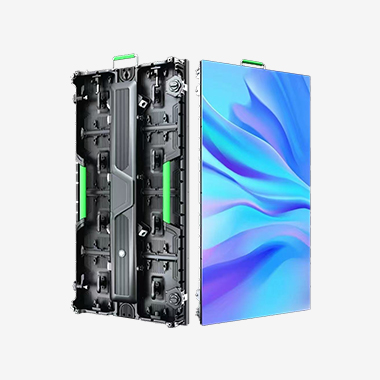
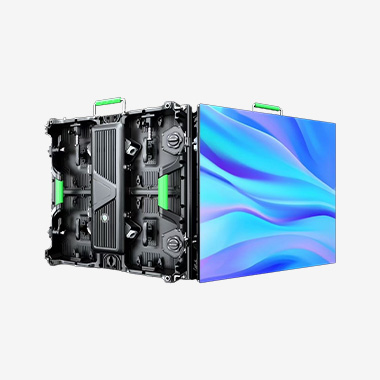
LED screens are built using modular panels, typically measuring 500mm x 500mm or 1000mm x 500mm, which can be assembled into custom shapes and sizes. This flexibility allows exhibitors to create curved walls, cylindrical structures, or even floating displays, enhancing visual appeal and spatial integration. For instance, at the 2024 Guangzhou Auto Show, a 137.5㎡ LED floor tile display by Dicolor MF series was used to create an interactive stage, where visitors could walk on the screen to trigger animations, blending physical and digital experiences seamlessly.
2. Transparent and Special-Shaped Displays
Innovations like LED transparent screens have revolutionized exhibition design by enabling see-through displays that overlay digital content onto real-world backgrounds. These screens, used in retail and museum exhibitions, maintain visibility of physical exhibits while adding dynamic layers of information or storytelling. Special-shaped displays, such as hexagonal or triangular panels, further push creative boundaries, allowing designers to craft organic, non-rectangular structures that defy traditional screen aesthetics.
3. Structural Support and Installation
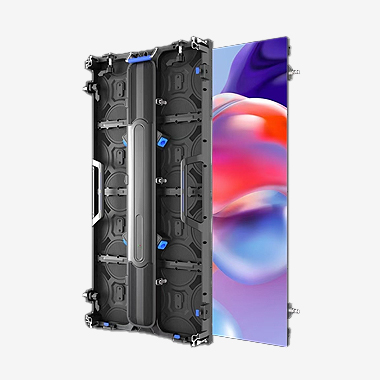
The structural integrity of LED screens is critical, especially for large-scale installations. Lightweight aluminum frames and truss systems are commonly used to support screens, ensuring stability while minimizing weight. For outdoor exhibitions, weatherproofing measures—such as IP65-rated enclosures and anti-glare coatings—protect against dust, moisture, and sunlight. Rental companies often provide turnkey solutions, handling installation, calibration, and dismantling, which is vital for time-sensitive events like trade shows.
4. Content Design Principles
Effective LED content design hinges on clarity, conciseness, and interactivity. High-resolution visuals (e.g., 4K or 8K) are essential to prevent pixelation, while animations and videos should be optimized for short attention spans. Interactive elements, such as touch-screen interfaces or motion sensors, encourage engagement by allowing visitors to control content. For example, a tech exhibition might use gesture-controlled LED walls to let users explore product features through intuitive swipes and taps.
At the heart of LED visual screens lies a sophisticated interplay of hardware and software, enabling the creation of vivid, high-contrast images. Understanding these principles is key to optimizing performance and troubleshooting issues.
1. Pixel Composition and Color Mixing
Each LED pixel comprises red, green, and blue (RGB) diodes, whose brightness is modulated to produce millions of colors. By adjusting the intensity of each diode through pulse-width modulation (PWM), the screen achieves smooth gradients and accurate color reproduction. High-density screens (e.g., P1.2 to P2.5) offer sharper images by packing more pixels into a given area, making them ideal for close-up viewing.
2. Control Systems and Signal Processing
LED screens rely on dedicated control systems to process input signals (e.g., HDMI, DVI, or SDI) and distribute data to individual panels. These systems use advanced algorithms to synchronize content across multiple screens, ensuring seamless transitions and uniform brightness. For large video walls, fiber-optic cables may be employed to minimize latency and signal degradation over long distances.
3. Calibration and Maintenance
Regular calibration is essential to maintain color accuracy and brightness consistency. This involves adjusting gamma settings, white balance, and individual pixel performance using specialized software. Preventive maintenance, such as cleaning panels and inspecting connections, prolongs screen lifespan and reduces downtime. Many modern LED screens feature self-diagnostic tools that alert users to potential issues, streamlining upkeep.
4. Energy Efficiency and Thermal Management
LEDs are inherently energy-efficient, consuming up to 80% less power than traditional displays. However, high-brightness screens generate heat, necessitating robust thermal management systems. Heat sinks, fans, and liquid cooling are commonly used to dissipate heat, ensuring optimal performance and preventing component failure. Some screens incorporate ambient light sensors to adjust brightness dynamically, further reducing energy consumption.
LED visual screens offer a host of benefits for exhibitions, but they also present unique challenges that require careful consideration.
Advantages
Visual Impact: LED screens deliver unmatched brightness and contrast, making content stand out even in brightly lit venues.
Flexibility: Modular designs allow for rapid reconfiguration, enabling exhibitors to adapt to different spaces and themes.
Interactivity: Touch-screen and motion-sensing capabilities transform passive displays into engaging experiences.
Cost-Effectiveness: Over time, LED screens prove economical due to their durability, energy efficiency, and reusability across multiple events.
Sustainability: Low power consumption and recyclable materials align with growing environmental concerns.
Challenges
Initial Cost: High-quality LED screens can be expensive, particularly for small businesses or one-time events.
Technical Complexity: Setting up and calibrating large-scale installations demand specialized expertise, which may not be readily available.
Content Creation: Designing effective LED content requires a blend of creative and technical skills, posing a barrier for some exhibitors.
Maintenance: While durable, LED screens still require regular upkeep to prevent issues like dead pixels or color shifts.
Competition: As LED technology becomes ubiquitous, exhibitors must innovate continuously to differentiate their displays.
LED visual screens have permeated nearly every sector of the exhibition industry, driving innovation and redefining audience expectations.
Current Applications
Trade Shows: Companies use LED video walls to showcase products, highlight brand stories, and attract foot traffic. For example, Samsung’s booth at CES 2024 featured a 360-degree LED dome that immersed visitors in a virtual product launch.
Museums and Cultural Exhibitions: LED screens bring historical artifacts to life through interactive timelines, augmented reality overlays, and animated reconstructions. The British Museum’s “Egyptian Mummies” exhibit used transparent LED panels to display CT scans alongside physical mummies.
Automotive Shows: Car manufacturers leverage LED floors and curved walls to create dynamic test-drive simulations, allowing visitors to experience vehicle features in a controlled environment.
Retail Exhibitions: LED transparent screens in shopping malls enable “phantom” displays, where digital content appears to float in mid-air, enhancing product visibility and allure.
Future Trends
Micro-LED and Mini-LED Technology: These advancements promise even higher pixel densities and better energy efficiency, enabling ultra-thin, flexible screens that can be rolled or folded.
Augmented Reality (AR) Integration: Combining LED screens with AR headsets or smartphone apps will create hybrid experiences where physical and digital worlds merge seamlessly.
AI-Driven Content Personalization: Screens equipped with facial recognition or visitor tracking will dynamically adjust content based on audience demographics and behavior.
Sustainable Innovations: Advances in biodegradable materials and solar-powered screens will further reduce the environmental footprint of LED displays.
Conclusion
LED visual screens have revolutionized the exhibition industry, offering unparalleled opportunities for creativity, engagement, and sustainability. From their modular design and advanced control systems to their diverse applications and future potential, LED screens represent a fusion of art and technology that continues to evolve. While challenges like cost and technical complexity persist, the benefits—eye-catching visuals, interactivity, and cost-effectiveness—make LED screens an indispensable tool for exhibitors seeking to leave a lasting impression. As technology advances, the boundaries of what’s possible will expand, ensuring that LED screens remain at the forefront of exhibition innovation for years to come.


Copyright © 2026 Shenzhen Cogo Technology Co.,Ltd.
All Rights Reserved

 Previous article