




 Chat Now
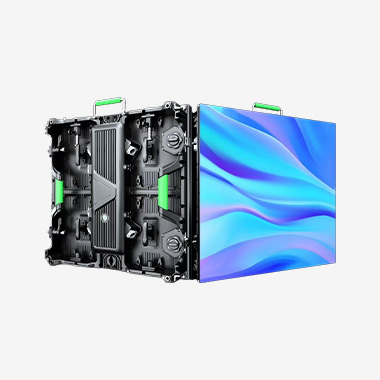
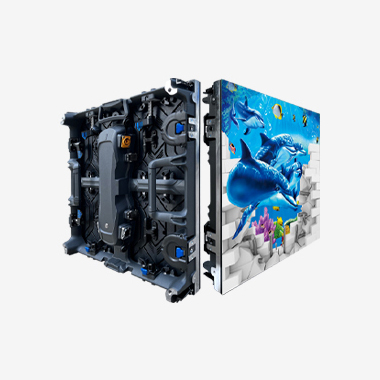
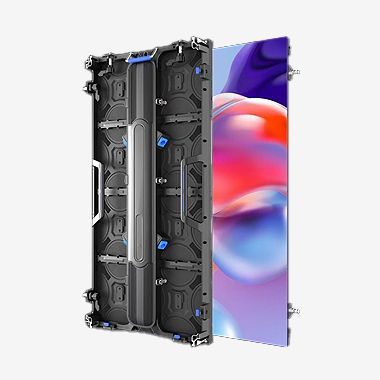
An LED hire display screen with quick installation is a specialized portable digital display system engineered to minimize setup time—typically 30 minutes to 2 hours for medium-sized configurations—while maintaining high visual performance, making it ideal for time-sensitive scenarios like pop-up events, emergency response, short-term promotions, and fast-paced exhibitions. Unlike standard LED hire screens (which require 4–6 hours of setup), this technology prioritizes “plug-and-play” functionality, modular simplicity, and tool-free assembly, addressing the critical need for rapid deployment in environments where every minute of setup counts.
At its core, the system comprises ultra-lightweight modular panels (2–4kg per panel), a pre-configured control system, and a tool-free support framework—all optimized for minimal assembly steps. Key specifications balance speed with performance: pixel pitches range from 1.5mm (close-range indoor use, e.g., retail pop-ups) to 6mm (large outdoor events, e.g., festival stages); brightness levels span 2,500–6,000 nits to adapt to indoor/outdoor lighting; and refresh rates of 120Hz+ ensure smooth video playback for audiences and camera capture.
Demand for this technology has surged with the growth of agile event formats and on-demand marketing. According to event industry data, over 65% of event planners now prioritize “rapid-deployment” displays for pop-ups, flash sales, and last-minute events, as they reduce labor costs by 40% and eliminate setup delays. For example, a retail brand might deploy a 4x3m quick-install LED screen in a mall atrium for a 1-day flash sale, setting up the entire system in 45 minutes. A local government could use a 5x2m screen for emergency public announcements after a storm, with installation completed in 30 minutes to deliver critical information faster.
What sets this system apart is its fusion of speed and reliability. It retains the portability of standard hire screens but reimagines every component for assembly efficiency: magnetic panel alignment, pre-wired connections, and pre-calibrated settings eliminate the need for technical expertise or complex adjustments. Additionally, it supports real-time content updates via wireless interfaces, allowing users to start displaying content immediately after setup. As industries shift toward flexible, on-demand event models, the LED hire display screen with quick installation has become a cornerstone solution—proving that rapid deployment does not require compromising on visual quality or functionality.
The design and construction of an LED hire display screen with quick installation revolve around three core pillars: tool-free assembly, integrated connectivity, and lightweight durability—all engineered to slash setup time while ensuring long-term reliability for repeated hire use. Every component, from panels to framework, is reimagined to eliminate time-consuming steps like manual wiring, calibration, and hardware tightening.
Component Design: Speed-Centric Innovation
LED panels are the foundation of quick installation, featuring three key design innovations. First, they use ultra-lightweight materials—aluminum alloy frames with carbon fiber reinforcement—reducing panel weight to 2–4kg (30% lighter than standard hire panels), making them easy to carry and mount without heavy lifting equipment. Second, panels include magnetic edge alignment: built-in neodymium magnets along panel edges automatically snap panels into place, ensuring seamless alignment (gaps <0.3mm) without manual adjustment. This eliminates the need for measuring tools or alignment pins, cutting panel mounting time by 60%. Third, panels have pre-wired internal connections: power and data cables are embedded within the panel frame, with spring-loaded connectors that activate when panels are magnetically joined. Users simply attach one panel to another—no need to plug in individual cables between units.
The control system is pre-configured for “out-of-the-box” use. It includes a compact, battery-powered media server (the size of a tablet) that comes pre-linked to the panels via wireless Bluetooth or Wi-Fi. The server is loaded with intuitive software that auto-detects the number of panels and their configuration (e.g., 4x3m, 5x2m) within 10 seconds, eliminating manual pixel mapping—a step that takes 30+ minutes on standard hire screens. For added speed, the server stores common content templates (e.g., “flash sale banner,” “emergency alert”) that users can activate with one tap, skipping content upload waits.
Framework: Tool-Free, Rapid Assembly
The support framework is designed for zero-tool setup, using quick-lock trussing and weighted base modules that require no drilling or hardware. The trussing consists of aluminum rails with push-button locks—users align rails and press the button to secure them, assembling a 4x3m frame in 15 minutes. The base modules are filled with water (or sand for outdoor use) and snap into the trussing via built-in clips, providing stability without concrete anchors or heavy lifting. For wall-mounted configurations, the framework uses adhesive-backed mounting pads that attach to smooth surfaces (e.g., mall walls, storefronts) in seconds, with a weight capacity of 10kg per pad—suitable for panels up to 4kg each.
Cable management is fully integrated into the framework: power cables run through internal channels in the trussing, with a single power cord connecting to a standard outlet. The framework also includes built-in cable organizers that hold the media server and any external devices (e.g., laptops) securely, eliminating cable clutter and setup delays from untangling wires.
Durability for Hire Use
Despite its focus on speed, the system is built to withstand repeated hire use. Panels have a scratch-resistant polycarbonate front cover (rated for 500+ assembly/disassembly cycles) and a shock-absorbent frame that withstands minor impacts during transport. The magnetic connectors are sealed with IP54-rated gaskets to resist dust and moisture, suitable for both indoor and covered outdoor use. Rental companies also benefit from modular repairability: if a panel or connector fails, individual components can be replaced in 10 minutes, ensuring the system is back in service quickly for the next hire.
The working principle of an LED hire display screen with quick installation revolves around three interconnected mechanisms: automated component synchronization, tool-free mechanical assembly, and pre-calibrated performance—all designed to eliminate manual steps and reduce setup time to a minimum. Unlike standard hire screens, which rely on manual wiring, alignment, and calibration, this system leverages technology to automate the most time-consuming tasks.
Stage 1: Automated Component Synchronization
The process begins with auto-detection when the system is powered on. The pre-configured media server uses wireless signals (Bluetooth 5.0 or Wi-Fi 6) to scan for connected panels, identifying the number of panels and their physical arrangement (e.g., 4x3m grid) within 10 seconds. This is possible because each panel has a unique ID chip that transmits its position to the server—eliminating manual pixel mapping, a step that takes 20–30 minutes on standard screens.
Once detected, the server auto-calibrates key settings: brightness is adjusted based on ambient light (via a built-in light sensor on the server), color balance is set to a pre-loaded “event-ready” profile (e.g., “retail promotion,” “emergency alert”), and refresh rate is locked at 120Hz for smooth playback. For outdoor use, the server automatically enables a “weather mode” (if panels are IP-rated) that adjusts contrast to combat sunlight glare—no user input required. This automation means users do not need technical expertise; even first-time operators can have the screen ready to display content in 5 minutes after powering on.
Stage 2: Tool-Free Mechanical Assembly
Mechanical setup relies on modular simplicity to minimize steps. First, the framework is assembled: users connect the quick-lock trussing rails by pressing the push-button locks, forming the desired shape (straight, curved, or floor-mounted) in 10–15 minutes. For a 4x3m screen, this involves connecting 8 rails—no tools, just manual pressure.
Next, panels are mounted via magnetic alignment: users place each panel against the framework, and the built-in magnets snap the panel into position, aligning it with adjacent panels automatically. The pre-wired internal connections activate as panels are joined, so power and data flow between panels without manual cable linking. A 4x3m screen (12 panels) can be fully mounted in 20 minutes—3x faster than standard hire screens, which require plugging in 24+ individual cables.
Finally, the base is secured: weighted modules are filled with water (2 minutes per module) and clipped to the framework, providing stability. For wall-mounted setups, adhesive pads are peeled and pressed onto the surface, with the framework attached in 5 minutes. The entire mechanical setup for a medium-sized screen takes 35–45 minutes—far below the industry average of 3–4 hours.
Stage 3: Content Deployment and Real-Time Adjustment
Content deployment is streamlined via template-based management. The server’s software includes pre-built templates for common use cases: “flash sale” (with space for pricing and product images), “emergency alert” (high-contrast text for readability), and “event backdrop” (full-screen video support). Users can upload custom content (videos, images) via USB or cloud sync, with the server optimizing file formats automatically to avoid compatibility issues.
During use, the system supports wireless real-time adjustments: users can control brightness, switch content, or pause playback via a smartphone app (compatible with iOS and Android). This eliminates the need to access the server physically, saving time during the event. For example, a retail manager could adjust the screen’s brightness from their phone as mall lighting changes, or a event organizer could switch between sponsor ads without approaching the screen.
In case of issues (e.g., a loose panel), the server sends visual alerts (a blinking LED on the problematic panel) to guide users to the problem—no technical diagnosis required. Repairs, such as replacing a panel, take 5 minutes: users simply detach the faulty panel via a release tab, snap in a replacement, and the server auto-reconnects it to the system.
LED hire display screens with quick installation offer transformative advantages for time-sensitive scenarios, but they also face unique challenges tied to their speed-optimized design and hire-specific use cases. Understanding these pros and cons is critical for event planners, retailers, and emergency responders seeking to leverage rapid deployment.
Key Advantages
1. Dramatically Reduced Setup Time and Labor Costs
The primary advantage is its ability to cut setup time by 70–80% compared to standard LED hire screens. A 5x3m quick-install screen takes 45–60 minutes to set up, while a standard screen of the same size requires 3–4 hours. This speed translates to significant labor savings: a standard screen needs 2–3 technicians for setup, while a quick-install model can be handled by 1–2 non-technical staff. For example, a 1-day pop-up event using a quick-install screen saves
800–
1,200 in labor costs (based on $200/hour for technicians). For rental companies, faster setup means the same screen can be deployed to 2–3 events per day, increasing revenue potential by 50%.
2. Flexibility for Time-Sensitive and Agile Events
Quick-install screens enable participation in time-sensitive opportunities that standard screens cannot. Retailers can respond to last-minute flash sale opportunities (e.g., a competitor’s promotion) by deploying a screen in under an hour. Emergency services can set up public alert screens within 30 minutes of a crisis (e.g., a natural disaster or public safety threat), delivering critical information faster to communities. Event planners can handle “plan B” scenarios—such as a venue change—without sacrificing display quality, as the screen can be disassembled and reinstalled in a new location in under 2 hours. This agility is invaluable in industries where speed to market or response time directly impacts success.
3. User-Friendliness for Non-Technical Operators
Unlike standard LED hire screens (which require trained technicians to set up), quick-install models are designed for non-technical users. The auto-detection, pre-calibration, and tool-free assembly eliminate the need for specialized knowledge—retail staff, local government employees, or small business owners can set up the system with minimal training (typically a 10-minute tutorial). For example, a café owner could rent a 2x2m screen for a weekend promotion, setting it up themselves without hiring a technician. This accessibility expands the market for LED hire screens, making them available to small businesses and organizations that previously could not afford technical support.
4. Portability and Space Efficiency
Quick-install screens are ultra-portable, with all components fitting into 1–2 compact flight cases (wheeled for easy transport). A 4x3m system weighs 40–50kg (50% lighter than standard hire screens), making it easy to transport in a standard car or van—no need for a truck. This portability is critical for pop-ups in remote locations (e.g., a rural farmers’ market) or events with limited loading access (e.g., a rooftop party). Additionally, the compact storage size (1 cubic meter for a 4x3m system) means rental companies can stock more units in their warehouses, increasing inventory efficiency and reducing storage costs.
Key Challenges
1. Limited Maximum Size and Weight Capacity
To prioritize quick installation, quick-install screens are designed for medium-sized configurations (typically up to 8x5m). Larger setups (e.g., 10x6m or more) require additional framework reinforcement and longer assembly times, negating the “quick” advantage. The lightweight materials also limit weight capacity: panels can support minimal additional weight (e.g., no heavy mounting brackets or accessories), making them unsuitable for complex installations like curved ceilings or vertical wall wraps. For large-scale events (e.g., stadium concerts), users still need to rely on standard hire screens, limiting the quick-install model’s applicability.
2. Higher Initial Rental Costs
The specialized quick-install components (magnetic connectors, pre-configured servers, lightweight materials) make these screens 20–30% more expensive to rent than standard LED hire screens. A 4x3m quick-install screen might cost
500–700 per day, compared to
350–500 for a standard screen of the same size. For budget-constrained users (e.g., small nonprofits or local businesses), this price gap can be prohibitive, even with labor savings. Rental companies justify the higher cost with faster turnaround and lower maintenance, but it remains a barrier for price-sensitive customers.
3. Reduced Customization Options
Quick-install screens prioritize standardization over customization to speed up setup. Panel frames come in limited colors (typically black or silver), and the framework only supports basic shapes (straight, slight curves). Custom sizes or non-standard configurations (e.g., circular, triangular) require additional parts and setup time, undermining the quick-install benefit. For brands with strict visual identity requirements (e.g., a luxury brand that needs a gold-framed screen), this lack of customization can be a dealbreaker. Additionally, the pre-loaded content templates, while convenient, offer limited design flexibility—users who need highly customized content may still face delays in content preparation.
4. Environmental Impact of Frequent Transport
Like all hire screens, quick-install models are transported frequently between events, generating carbon emissions. While their lightweight design reduces transport costs and emissions compared to standard screens (by 25–30%), the increased frequency of deployment (due to faster setup) can offset this benefit. A quick-install screen used for 20 events per year emits approximately 2,500–3,500kg of CO₂, similar to a standard screen used for 15 events. Rental companies are addressing this with electric delivery vehicles and carbon offset programs, but these add 10–15% to rental costs, further increasing the price burden for users.
LED hire display screens with quick installation are reshaping how organizations deploy digital displays across time-sensitive and agile scenarios. Their ability to balance speed and performance makes them applicable to diverse use cases, while future trends promise to expand their capabilities and address current limitations.
Key Current Applications
1. Retail Pop-Ups and Flash Sales
Retail is the largest user of quick-install LED hire screens, as brands leverage them for pop-up stores, flash sales, and in-store promotions. A fashion brand might set up a 4x3m screen in a mall atrium for a 1-day “sample sale,” with the entire system installed in 45 minutes to maximize selling time. The screen displays product videos, pricing, and limited-time offers, with content updated via a smartphone app as stock changes. For grocery stores, a 2x2m screen near the entrance can promote “hourly deals” during peak shopping times, with setup completed in 30 minutes before the store opens. The quick installation allows retailers to test new markets or capitalize on seasonal trends without long-term commitments.
2. Emergency Public Communications
Local governments and emergency services use quick-install screens for rapid public alerts during crises. After a natural disaster (e.g., a hurricane or wildfire), a 5x2m screen can be set up in a community center parking lot in 30 minutes, displaying evacuation routes, shelter locations, and safety instructions. During public health emergencies (e.g., flu outbreaks), screens deployed in transit hubs (train stations, bus stops) deliver real-time health advisories, with setup done between commuter rush hours to avoid disruption. The speed of installation is critical here—every minute saved means faster dissemination of life-saving information.
3. Small-Scale Events and Activations
Event planners use quick-install screens for small-scale events like birthday parties, community fairs, and corporate team-building days. A wedding planner might set up a 3x2m screen to display photos of the couple during the reception, with setup completed in 40 minutes before guests arrive. A local fair could use a 4x2m screen to show live performances or event schedules, with the system assembled in under an hour between fairground setup phases. For corporate team-building events (e.g., outdoor workshops), a 2x3m screen can display activity instructions or live feedback from participants, with setup and teardown completed in the same break. The user-friendliness of these screens is a key advantage here—event staff with no technical background can handle setup, freeing up time to focus on attendee experience.
4. Short-Term Advertising and Promotions
Brands and marketing agencies use quick-install LED screens for short-term advertising campaigns in high-traffic locations. A beverage company might deploy a 5x3m screen in a busy downtown plaza for a 3-day promotion, showcasing video ads and interactive QR code campaigns to drive sales. A movie studio could set up 2x2m screens in shopping mall corridors for a weekend film release, displaying trailers and ticket booking links. The quick installation allows advertisers to secure last-minute locations (e.g., a vacant storefront or temporary event space) and start campaigns within hours, capitalizing on timely opportunities like holiday weekends or local festivals.
Future Trends
1. Integration with Smart Sensors for Adaptive Performance
Future quick-install LED hire screens will incorporate smart sensors to enable real-time adaptive performance, further reducing manual intervention and enhancing user experience. These sensors will include:
Ambient light sensors: Adjust brightness and contrast automatically based on changing lighting conditions (e.g., dimming the screen as sunset approaches or brightening it on cloudy days).
Motion sensors: Detect nearby pedestrians or vehicles and trigger content changes (e.g., a retail screen switching to a “limited-time offer” ad when someone walks within 2 meters).
Weather sensors (for outdoor models): Monitor rain, wind, or temperature and activate protective measures (e.g., dimming the screen during heavy rain to reduce power draw or locking panels to prevent wind damage).
For example, a quick-install screen used in a park for a weekend festival would automatically brighten during midday sun, dim at dusk, and pause content if strong winds are detected—all without user input. This sensor integration will make the screens even more self-sufficient, ideal for unattended use (e.g., overnight emergency alerts or 24-hour promotions).
2. AI-Powered Content Optimization and Personalization
Artificial intelligence (AI) will play a key role in enhancing the content capabilities of quick-install LED hire screens. AI algorithms will:
Optimize content for the screen’s specifications: Automatically adjust video resolution, aspect ratio, and color profiles to match the panel configuration (e.g., converting a 16:9 video to fit a 4:3 screen without stretching).
Personalize content based on audience data: Analyze data from nearby cameras (with privacy safeguards) or local demographics to deliver tailored content (e.g., a screen in a family-friendly mall displaying kids’ toy ads during weekends, or business-focused content during weekday mornings).
Generate real-time content: Create dynamic content like live social media feeds, weather updates, or stock tickers by pulling data from APIs, eliminating the need for manual content uploads.
For instance, a quick-install screen used for a tech product launch could use AI to pull real-time customer reviews from social media and display them as a scrolling feed alongside product demos—keeping content fresh and engaging without staff effort. This AI integration will reduce the content preparation burden for users, making the screens even more accessible for short-term events.
3. Sustainable Design and Eco-Friendly Operations
As sustainability becomes a priority for businesses and events, future quick-install LED hire screens will adopt eco-friendly features to reduce their environmental impact:
Energy-efficient components: Use micro-LED technology, which consumes 30–50% less power than traditional LEDs, and low-power media servers (powered by rechargeable lithium-ion batteries) to reduce grid electricity use.
Recyclable materials: Construct panels and frameworks from recycled aluminum and biodegradable plastics, with clear labeling for easy recycling at the end of the screen’s lifespan.
Carbon-neutral rental models: Rental companies will offer “green hire” packages that include carbon offsets for transport emissions, and use electric delivery vehicles to transport screens—reducing the carbon footprint of each deployment.
For example, a quick-install screen used for a sustainability-focused event could be powered by a solar panel accessory (attached to the framework) and made from 80% recycled materials, aligning with the event’s eco-friendly goals. These sustainable features will appeal to users with strong ESG (Environmental, Social, Governance) commitments, expanding the screen’s market appeal.
4. Enhanced Modularity and Expandable Configurations
Future quick-install LED hire screens will overcome current size limitations with enhanced modularity, allowing users to scale configurations beyond the current 8x5m maximum while retaining quick setup times. Key innovations will include:
Modular framework extensions: Quick-lock trussing that can be expanded with additional rails in seconds, enabling larger setups (e.g., 10x6m) without extra tools.
Stackable panel designs: Panels that can be stacked vertically or horizontally with minimal effort, supported by reinforced magnetic connectors that handle increased weight.
Wireless daisy-chaining: Allow multiple media servers to connect wirelessly, enabling larger screen configurations to sync content seamlessly—eliminating the need for long data cables.
For example, a music festival could use 12 quick-install panels to create a 8x6m stage backdrop, assembling the entire system in 90 minutes (compared to 4+ hours for a standard large hire screen). This expanded modularity will make quick-install screens suitable for larger events, bridging the gap between small pop-ups and medium-scale activations.
Conclusion of LED Hire Display Screen with Quick Installation
The LED hire display screen with quick installation has emerged as a transformative solution in the digital display industry, redefining how organizations deploy visual content for time-sensitive, agile scenarios. By prioritizing tool-free assembly, automated synchronization, and user-friendly design, this technology addresses the critical need for rapid deployment—cutting setup time by 70–80% compared to standard hire screens—without compromising on visual performance or reliability.
From its core strengths—dramatic labor cost savings, flexibility for last-minute events, accessibility for non-technical users, and ultra-portability—the quick-install LED hire screen has become indispensable for retail pop-ups, emergency communications, small-scale events, and short-term advertising. It empowers users to seize time-sensitive opportunities (e.g., flash sales, crisis response) that standard screens cannot, and expands access to LED technology for small businesses and organizations that lack technical resources.
While challenges like size limitations, higher rental costs, limited customization, and environmental impact persist, future trends are actively mitigating these barriers. Smart sensor integration will enhance adaptive performance, AI will streamline content management, sustainable design will reduce environmental harm, and enhanced modularity will expand size capabilities. These innovations not only resolve current limitations but also position the technology for broader adoption, making it suitable for an even wider range of use cases.
Looking ahead, as industries continue to shift toward flexible, on-demand models—driven by changing consumer behavior and the need for agility—the quick-install LED hire screen will play an increasingly central role. It aligns with the growing demand for “fast-to-market” solutions, enabling users to deploy high-quality visual content in hours rather than days. For rental companies, it offers a competitive edge by increasing inventory turnover and reducing maintenance costs.
In essence, the LED hire display screen with quick installation is more than a time-saving tool—it is a catalyst for innovation in how we approach temporary visual communication. It proves that speed and performance can coexist, and that advanced technology can be made accessible to all users, regardless of technical expertise. As the industry evolves, this technology will remain at the forefront of agile display solutions, helping organizations adapt to changing needs and deliver impactful visual experiences in an increasingly fast-paced world.
For anyone seeking to deploy digital displays for short-term, time-sensitive scenarios, the quick-install LED hire screen is not just a practical choice—it is a strategic investment in efficiency, flexibility, and success. Its continued growth and innovation will shape the future of temporary digital displays, ensuring that rapid deployment never comes at the cost of quality or functionality.


Copyright © 2026 Shenzhen Cogo Technology Co.,Ltd.
All Rights Reserved

 Previous article