




 Chat Now
LED wall display panels have emerged as a revolutionary visual solution in the digital age, transforming the way information is presented and experiences are created across a multitude of sectors. These panels, composed of numerous light - emitting diodes (LEDs), offer a dynamic and high - impact display medium that has become increasingly popular in commercial, public, and entertainment environments.
The growth of LED wall display panels can be attributed to several key factors. Technological advancements have been a driving force, with continuous improvements in LED efficiency, brightness, and color accuracy. Modern LEDs consume significantly less power compared to traditional display technologies while delivering vivid and sharp visuals. The development of smaller - sized LEDs, such as mini - LED and micro - LED, has also enabled higher pixel densities, resulting in more detailed and immersive displays. These technological breakthroughs have not only enhanced the performance of LED wall displays but also reduced their production costs over time, making them more accessible to a wider range of users.
In the commercial sector, the demand for effective marketing and brand promotion has fueled the adoption of LED wall display panels. Businesses are constantly seeking innovative ways to capture the attention of consumers in a crowded marketplace. LED walls offer unparalleled flexibility in content display, allowing companies to showcase high - resolution images, engaging videos, and dynamic animations. They can be easily updated in real - time, enabling targeted advertising campaigns that can be tailored to specific audiences, time periods, and events. For example, in shopping malls, LED wall displays can be used to promote new product launches, special sales, and brand stories, creating a visually appealing and immersive shopping experience that drives foot traffic and boosts sales.
In public spaces, LED wall display panels serve as powerful communication tools. Airports, train stations, and other transportation hubs use these displays to provide real - time information such as flight schedules, train timings, and travel updates. Their large size and high visibility make them ideal for reaching a large number of people quickly and effectively. In urban areas, LED walls are often used for public announcements, cultural displays, and digital art installations, enhancing the aesthetic appeal of the cityscape and fostering community engagement.
In the entertainment industry, LED wall display panels have revolutionized stage design and live event production. They enable the creation of immersive backdrops, dynamic visual effects, and seamless transitions during concerts, theater performances, and sporting events. The ability to display high - quality, large - scale visuals in real - time adds a new dimension to the entertainment experience, captivating audiences and enhancing the overall production value.
However, the widespread use of LED wall display panels also comes with its challenges. The high initial investment required for purchasing and installing these panels can be a significant barrier, especially for smaller businesses and organizations. Additionally, maintaining and operating LED walls require technical expertise to ensure optimal performance and longevity. Ensuring proper heat dissipation, calibrating the display for accurate color and brightness, and dealing with potential technical glitches are ongoing concerns that need to be addressed.
The design and construction of LED wall display panels are meticulous processes that involve a combination of advanced engineering, precision manufacturing, and creative design to meet the diverse requirements of different applications.
LED Module Design
The LED module is the fundamental building block of an LED wall display panel. High - performance LEDs are carefully selected based on their brightness, color accuracy, and lifespan. For indoor applications where the viewing distance is relatively close, LEDs with high color - rendering indices (CRIs), typically above 90, are preferred. A high CRI ensures that the colors displayed on the wall are true - to - life, making the visuals more appealing and realistic. In outdoor applications, where the display needs to be visible under various lighting conditions, including direct sunlight, LEDs with higher brightness levels and better resistance to environmental factors such as heat, moisture, and dust are chosen.
The layout of LEDs within the module is crucial for achieving uniform light distribution across the entire display surface. In full - color LED modules, red, green, and blue (RGB) LEDs are arranged in a specific pattern. The pixel pitch, which is the distance between adjacent LEDs, is determined based on the intended viewing distance and the size of the display. Smaller pixel pitches, such as 1mm - 3mm, are suitable for indoor applications where a high level of detail is required, such as in corporate showrooms or digital art galleries. Larger pixel pitches, ranging from 5mm - 20mm, are more commonly used for outdoor displays, where the focus is on creating a large - scale visual impact rather than extreme detail.
The advent of mini - LED and micro - LED technologies has significantly impacted LED module design. Mini - LEDs, with their smaller size compared to traditional LEDs, allow for higher pixel densities and improved contrast ratios. They also consume less power, making the overall display more energy - efficient. Micro - LEDs, although still in the early stages of commercialization, offer even greater potential. They promise ultra - high - resolution displays, faster response times, and the ability to create seamless, borderless displays, which are highly desirable for premium applications such as high - end retail stores, luxury event venues, and professional broadcast studios.
Panel Structure and Frame
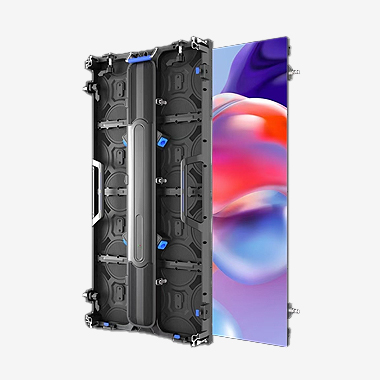
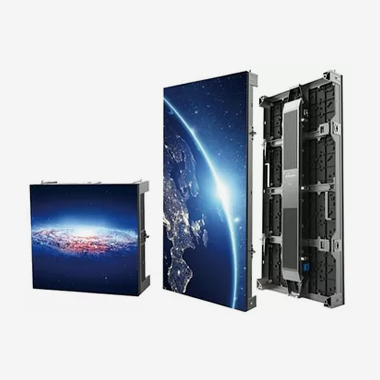
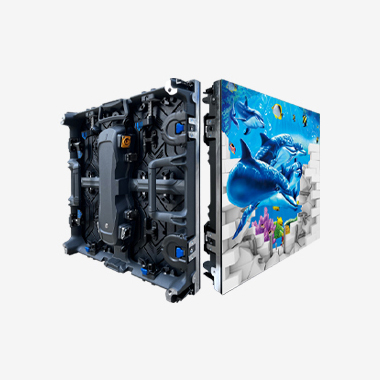
The panel structure of LED wall display panels is designed to be robust yet lightweight, providing the necessary support for the LED modules while facilitating easy installation and maintenance. The frame of the panel is typically made of materials such as aluminum or steel. Aluminum frames are popular due to their high strength - to - weight ratio, corrosion resistance, and ease of fabrication. They can be customized to different shapes and sizes to fit the specific requirements of the installation site.
The front of the panel is protected by a high - quality cover, which can be made of materials such as tempered glass, acrylic, or polycarbonate. Tempered glass offers excellent scratch resistance, high light transmission, and can withstand significant impacts, making it suitable for both indoor and outdoor applications where durability is a concern. Acrylic and polycarbonate are lighter and more flexible alternatives, which are often used for applications where a curved or irregular - shaped display is desired. Some panels may feature anti - glare coatings on the cover to reduce reflections and improve visibility, especially in environments with high ambient light.
The back of the panel houses the electrical components and control systems. These components are carefully arranged to ensure efficient heat dissipation, as excessive heat can significantly reduce the lifespan and performance of the LEDs. Heat - sink materials with high thermal conductivity, such as aluminum fins or copper heat pipes, are commonly used to dissipate heat effectively. In some cases, active cooling methods, such as fans or liquid - cooling systems, may be employed for high - power or large - scale LED wall displays to maintain the optimal operating temperature.
Electrical and Control Systems
The electrical system of LED wall display panels is designed to provide a stable and reliable power supply to the numerous LEDs in the panel. High - efficiency power supplies are used to convert the incoming electrical power from the grid into the appropriate voltage and current for the LEDs, minimizing energy loss during the conversion process. These power supplies are equipped with built - in protection mechanisms against overvoltage, overcurrent, and short - circuits to safeguard the panel and connected devices from electrical failures.
The control system is the nerve center of the LED wall display panel, responsible for managing the display content and ensuring its smooth operation. Control cards receive digital image and video data from various external sources, such as media servers, computers, or live - streaming devices. These control cards decode the incoming data, extracting relevant information such as pixel color values, frame rates, and synchronization signals. They then convert this decoded data into a series of electrical signals that control the brightness, color, and timing of each LED in the panel.
Advanced control systems offer a wide range of features to enhance the functionality and flexibility of the LED wall display. Real - time content updates allow users to change the display content instantly, enabling timely information dissemination and dynamic marketing campaigns. Multi - source input switching enables seamless transitions between different data sources, such as pre - recorded videos, live - streaming feeds, and real - time data from sensors. Some control systems also support features such as video wall calibration, which helps to ensure consistent color and brightness across multiple panels in a large - scale display setup, and remote monitoring and control, allowing users to manage the display from a central location.
The operation of LED wall display panels is based on the fundamental principles of LED technology and digital signal processing, which work together to create vibrant, high - quality visual content.
LED Emission
At the core of every LED wall display panel are light - emitting diodes (LEDs), which are semiconductor devices that emit light through the process of electroluminescence. In an LED, two different types of semiconductor materials are used: an n - type semiconductor, which has an excess of electrons, and a p - type semiconductor, which has an excess of holes (absence of electrons). When a voltage is applied across the LED, with the positive terminal connected to the p - type and the negative terminal to the n - type, electrons from the n - type material are drawn towards the p - type material. As the electrons cross the junction between the two materials, they recombine with the holes in the p - type material, releasing energy in the form of photons, which is perceived as light.
For full - color LED wall displays, red, green, and blue LEDs are used as the primary colors. By varying the intensity of each of these primary colors, a vast array of colors can be created through additive color mixing. In each pixel of the display panel, multiple RGB LEDs work in concert. The control system precisely adjusts the current flowing through each of the red, green, and blue LEDs to control their brightness. For example, to display the color purple, which is a combination of red and blue, the control system increases the current flowing through the red and blue LEDs while keeping the green LED at a low or off state. By carefully controlling the intensity of each primary color LED, the panel can accurately reproduce a wide spectrum of colors, enabling the display of detailed images, videos, and text.
Digital Signal Processing
The LED wall display panel receives digital image and video data from various sources, such as a computer running graphic design software, a media server storing pre - recorded advertisements, or a live - streaming device capturing real - time events. This data is typically in a digital format, such as a video file in MP4, MOV, or AVI format, or a digital image file in JPEG, PNG, or BMP format.
The control system of the display panel first decodes the incoming digital data. The decoding process involves extracting relevant information from the data stream, such as pixel color values, frame rates, and synchronization signals. Pixel color values represent the color information for each individual pixel in the image or video, while the frame rate indicates the number of frames displayed per second, determining the smoothness of the video playback. Synchronization signals are crucial for ensuring that the different components of the display panel, such as the LED modules and the control cards, work in harmony.
Once the data is decoded, the control cards convert the extracted information into a series of electrical signals that can be understood by the LED drivers in the individual modules. These electrical signals are transmitted to the LED modules at a very high frequency, usually several hundred times per second. The signals control the precise timing of when each LED should turn on, off, and at what intensity. By rapidly switching the LEDs on and off in this manner, the display creates the illusion of continuous and smooth visual content. For example, in a video with a frame rate of 60 frames per second, each LED in the panel needs to be controlled 60 times per second to display the video correctly.
Pulse - Width Modulation (PWM)
Pulse - width modulation (PWM) is a key technique used in LED wall display panels to achieve precise brightness control. PWM works by rapidly turning the LEDs on and off at a high frequency. The duty cycle of the PWM signal, which is the proportion of time the LED is on within a given period, determines the average brightness of the LED.
For instance, if the PWM signal has a duty cycle of 40%, the LED is on for 40% of the time and off for 60% of the time, resulting in an average brightness that is 40% of its maximum. By precisely adjusting the duty cycle for each LED in the pixel, the display can achieve fine - grained control over the brightness and color. This is particularly important in LED wall displays, as the ambient light conditions in different installation environments can vary significantly. In well - lit outdoor areas during the day, the panels may need to operate at a higher brightness level to ensure visibility, while in dimly lit indoor spaces at night, the brightness can be reduced to save energy and create a more comfortable viewing experience. PWM also helps to reduce power consumption by operating the LEDs at the minimum necessary brightness levels to achieve the desired visual effect, contributing to the overall energy - efficiency of the display panel.
Refresh Rate
The refresh rate of an LED wall display panel refers to the number of times the image on the screen is updated per second. A higher refresh rate ensures that moving images, such as videos or animations, appear smooth and without any flicker. In modern LED wall displays, refresh rates of 60 Hz or higher are common, with some high - end panels offering refresh rates of 120 Hz or even 240 Hz for an even more fluid visual experience.
A high refresh rate is essential for applications where the display content includes fast - moving elements, such as live sports broadcasts, action - packed movies, or real - time data visualizations. It helps to create a more engaging and professional - looking display, enhancing the overall viewing experience for the audience. When the refresh rate is too low, moving images may appear jerky or distorted, which can be distracting and reduce the effectiveness of the display. The refresh rate also needs to be carefully matched with the frame rate of the incoming video data to ensure seamless playback and avoid visual artifacts such as stuttering or tearing.
Challenges
Content Creation and Management
Creating high - quality, engaging content for LED wall display panels can be a resource - intensive task. The content needs to be visually appealing, suitable for the large - scale format of the display, and able to capture and hold the audience's attention within seconds. For large - format LED walls, the resolution requirements are often much higher than standard digital media, necessitating the creation of content with high - definition visuals. This demands advanced graphic design skills, professional video production equipment, and software, all of which come with significant costs.
Moreover, managing the content across different LED wall displays, especially in large - scale installations with multiple panels or in various locations, can be complex. Ensuring that the content is synchronized correctly, updated in a timely manner, and tailored to the specific audience of each display area requires a robust content management system and dedicated staff. For example, in a large shopping mall with multiple LED walls in different zones, coordinating promotional campaigns across all displays while maintaining brand consistency can be a daunting challenge. Additionally, keeping the content fresh and relevant over time is crucial to avoid audience fatigue, which means constantly generating new ideas and producing new content, further increasing the workload and cost.
Competition and Saturation
As the popularity of LED wall display panels grows, the market has become increasingly competitive. Many businesses and organizations are investing in these displays, leading to a saturation of LED walls in certain areas. For instance, in major city centers, streets and commercial districts may be filled with numerous LED billboards and wall displays, all vying for the attention of passersby. In such a crowded visual landscape, it becomes extremely difficult for individual displays to stand out.
To differentiate themselves, companies need to invest in unique and creative content strategies, which can be costly and time - consuming. There is also the risk of content homogenization, where similar types of advertisements and visual styles are repeated across multiple displays, reducing the impact of each individual LED wall. Additionally, the competition for prime locations to install LED wall displays has driven up the costs of acquisition and leasing, further adding to the financial burden for businesses looking to establish a presence with these displays.
Regulatory and Environmental Constraints
LED wall display panels are subject to various regulatory requirements, which can vary significantly depending on the location and application. In outdoor settings, regulations may govern aspects such as the brightness levels of the displays to prevent light pollution and ensure they do not cause distractions to drivers. For example, some cities have strict limits on the maximum brightness of outdoor LED billboards, and failure to comply can result in fines or the requirement to modify the display.
There are also regulations related to the structural safety of large - scale LED wall installations, especially in areas prone to extreme weather conditions. Ensuring that the displays are securely mounted and can withstand strong winds, earthquakes, and other natural forces requires additional engineering and construction considerations, increasing the overall cost and complexity of the project. Moreover, as concerns about energy consumption and environmental impact grow, there may be future regulations aimed at promoting more energy - efficient LED wall technologies, which could force businesses to upgrade their existing displays.
Commercial Advertising
LED wall display panels have revolutionized the commercial advertising landscape. In shopping malls, they are strategically placed at entrances, corridors, and atriums to attract customers and promote various stores and products. These displays can showcase high - resolution images and videos of new product launches, exclusive offers, and brand - building campaigns. For example, a luxury fashion brand might use an LED wall to display a glamorous fashion show video, highlighting the latest collection and attracting the attention of fashion - conscious shoppers.
In urban areas, outdoor LED wall billboards are highly effective for reaching a large and diverse audience. They can be used to promote local businesses, national brands, and even political campaigns. The dynamic nature of LED walls allows advertisers to change the content frequently, enabling targeted advertising based on different times of the day, days of the week, or special events. For instance, during rush hour, an LED wall billboard near a business district might display advertisements for coffee shops and quick - service restaurants, while in the evenings, it could switch to promoting entertainment venues and nightlife spots.
Corporate and Public Spaces
In corporate environments, LED wall display panels serve as powerful tools for internal communication and brand representation. In company lobbies, large LED walls can display corporate videos, mission statements, and achievements, creating a professional and impressive first impression for visitors. They can also be used for internal announcements, employee recognition, and training sessions. For example, a multinational company might use an LED wall in its headquarters to broadcast live events from different branches around the world, fostering a sense of global unity among employees.
In public spaces such as airports, train stations, and hospitals, LED walls are used to provide important information. In airports, they display flight schedules, gate changes, and travel advisories in real - time, helping passengers navigate the airport efficiently. In hospitals, LED walls can be used to display patient waiting times, department directions, and health - related information, improving the overall patient experience. Additionally, in government buildings and public libraries, LED walls are often used for cultural displays, educational content, and public service announcements.
Entertainment and Events
The entertainment industry has fully embraced LED wall display panels to enhance live performances and events. In concerts, LED walls are used as backdrops, creating immersive visual experiences that complement the music. Artists can use these displays to project high - quality videos, dynamic graphics, and synchronized light shows, adding an extra layer of excitement to the performance. For example, a music festival might feature a massive LED wall stage backdrop that changes in sync with the music, creating a visually stunning and unforgettable experience for the audience.
In theaters and auditoriums, LED walls enable more flexible and creative stage designs. They can be used to create different scenes, landscapes, and visual effects, eliminating the need for traditional physical set pieces. In sporting events, LED walls are used to display live game footage, player statistics, and advertisements. They also enhance the fan experience by showing replays, close - up shots, and interactive content, keeping the audience engaged throughout the event.
Educational and Exhibition Spaces
In educational institutions, LED wall display panels are increasingly being used to enhance the learning experience. In classrooms, they can be used to display educational videos, interactive presentations, and real - time data, making lessons more engaging and interactive. For example, a science class might use an LED wall to display high - resolution images of cells and molecules, or to stream live scientific experiments from research laboratories.
In museums and exhibition centers, LED walls are used to showcase exhibits in a more dynamic and immersive way. They can display detailed information about artifacts, historical videos, and 3D models, providing visitors with a more comprehensive understanding of the exhibits. Some museums even use LED walls to create interactive exhibits, where visitors can use touchscreens or other devices to interact with the displayed content, making the museum experience more memorable and educational.
Future Trends
Higher Resolution and Immersive Visuals
The future of LED wall display panels will see a continuous push towards higher resolutions. Currently, 4K and 8K resolutions are becoming more common, but in the coming years, we can expect to see the emergence of even higher resolutions, such as 16K. Higher resolutions will enable the display of incredibly detailed and realistic images and videos, providing a more immersive visual experience for the audience. This will be particularly beneficial for applications such as virtual reality (VR) and augmented reality (AR) experiences, where high - quality visuals are crucial.
In addition to higher resolutions, advancements in HDR (High Dynamic Range) technology will further enhance the contrast, brightness, and color accuracy of LED wall displays. HDR enables a wider range of colors and greater detail in both bright and dark areas of the image, making the visuals more vivid and lifelike. Combined with higher resolutions, HDR - enabled LED walls will be able to create truly immersive visual experiences that are on par with, or even surpass, traditional cinema screens.
Integration with Emerging Technologies
LED wall display panels will increasingly integrate with emerging technologies such as artificial intelligence (AI), the Internet of Things (IoT), and 5G. AI can be used to analyze audience data, such as demographics, viewing habits, and real - time feedback, to optimize the display content in real - time. For example, an AI - powered system could analyze the age and gender of the audience in front of an LED wall and automatically adjust the displayed advertisements to better target that specific group.
IoT integration will enable LED walls to connect with other smart devices and systems, creating a more intelligent and interconnected environment. For instance, an LED wall in a smart building could be integrated with the building's lighting, heating, and security systems, allowing for coordinated control and optimization. 5G technology, with its high - speed data transfer capabilities, will enable seamless streaming of high - quality video content to LED walls, reducing latency and improving the overall performance of the displays.
Sustainable and Energy - Efficient Solutions
With the growing global focus on sustainability, future LED wall display panels will place a greater emphasis on energy - efficiency and eco - friendliness. Manufacturers will continue to develop more efficient LED chips that consume less power while maintaining high - quality visual performance. Smart power management systems, driven by AI and machine learning algorithms, will be able to optimize the energy usage of the panels based on factors such as ambient light levels, audience presence, and content type.
In addition, the use of sustainable materials in the production of LED wall displays will increase. From the LED modules to the frames and covers, every component will be designed with environmental impact in mind. Some manufacturers may even explore circular economy models, where used panels are collected, refurbished, and reused, minimizing waste and reducing the overall carbon footprint of the product lifecycle.
Flexible and Curved Displays
The trend towards flexible and curved LED wall displays will continue to grow in the future. Flexible LED panels can be bent, rolled, or shaped to fit irregular surfaces, opening up new possibilities for creative and unique installations. They can be used to create curved video walls in auditoriums, wrap - around displays in retail stores, or even wearable LED displays for special events.
Curved LED walls offer a more immersive viewing experience by providing a wider field of view and reducing the distortion of images at the edges. They are particularly popular in entertainment venues, such as cinemas and theme parks, where creating an immersive environment is crucial. As the technology continues to improve, we can expect to see more affordable and high - quality flexible and curved LED wall display solutions in the market.
Enhanced Interactivity
Future LED wall display panels will feature enhanced interactivity, allowing for more engaging and immersive experiences. Touch - screen capabilities, gesture control, and voice - activated interfaces will become more common, enabling users to interact with the display content in a more natural and intuitive way. For example, in a public art installation, visitors could use hand gestures to manipulate the displayed images and create their own unique visual experiences.
In commercial applications, interactive LED walls could be used to allow customers to customize product displays, access additional information, or participate in interactive marketing campaigns. This enhanced interactivity will not only increase audience engagement but also provide valuable data on user behavior and preferences, which can be used to further optimize the display content and marketing strategies.
Conclusion
LED wall display panels have become an integral part of modern visual communication, offering a wide range of advantages across various sectors. Their superior visual impact, flexibility in content display, long lifespan, energy efficiency, and versatility in applications have made them a preferred choice for businesses, organizations, and event producers. However, their adoption is not without challenges, including high initial costs, technical complexity, content creation and management difficulties, competition, and regulatory constraints.
Looking ahead, the future of LED wall display panels is filled with exciting possibilities. Technological advancements will lead to higher resolutions, more immersive visuals, and greater integration with emerging technologies. The focus on sustainability will drive the development of more energy - efficient and eco - friendly solutions, while trends towards flexibility, interactivity, and enhanced functionality will open up new opportunities for creative and engaging applications. As these trends continue to evolve, LED wall display panels will undoubtedly play an even more significant role in shaping the way we communicate, advertise, entertain, and educate in the digital age.


Copyright © 2026 Shenzhen Cogo Technology Co.,Ltd.
All Rights Reserved

 Previous article