




 Chat Now
In the contemporary landscape of corporate and professional gatherings, the rental of LED event screens for conferences has emerged as a transformative solution, reshaping the way information is presented and experiences are crafted within the conference environment. Conferences serve as pivotal platforms for knowledge sharing, networking, and business promotion, and the visual impact of the event plays a crucial role in engaging attendees and conveying key messages effectively. LED event screen rental has become an increasingly popular choice among conference organizers due to its ability to offer high - quality visual displays without the significant upfront investment associated with purchasing permanent equipment.
The growth of the LED event screen rental market for conferences can be attributed to several interrelated factors. Firstly, technological advancements in LED display technology have led to the production of screens with exceptional visual quality, including high resolution, vivid colors, and wide viewing angles. These features ensure that conference presentations, videos, and graphics are displayed with clarity and impact, enhancing the overall professionalism and appeal of the event. Secondly, the dynamic nature of conferences often requires flexibility in terms of display setup and content presentation. Rental services provide organizers with the freedom to select the most suitable screen size, configuration, and features based on the specific requirements of each conference, whether it's a small - scale seminar or a large international convention.
Another significant factor driving the demand for LED event screen rentals is the cost - effectiveness it offers. Purchasing high - end LED screens can be a substantial financial commitment, especially for organizations that host conferences on an irregular basis. Rental services eliminate the need for a large capital outlay, allowing organizers to allocate their budgets more efficiently. Additionally, rental companies typically handle the installation, maintenance, and technical support of the screens, relieving organizers of the burden of managing complex technical operations. This convenience factor is highly valued in the fast - paced world of conference planning, where attention to detail and seamless execution are paramount.
The market for LED event screen rental in the conference sector is highly competitive, with a wide range of rental providers offering diverse services and products. From local rental companies specializing in regional conferences to large - scale international providers catering to global events, the industry has evolved to meet the varying needs of conference organizers around the world. Market research indicates that the demand for LED event screen rentals is expected to continue growing in the coming years, driven by the increasing number of conferences being held globally, the growing importance of visual communication in corporate settings, and the continuous innovation in LED display technology.
The design and construction of LED event screens available for conference rental are the result of a meticulous engineering process that combines technical expertise with an understanding of the specific requirements of the conference environment. The design phase begins with a comprehensive assessment of the conference's characteristics, such as the venue size, audience capacity, and the nature of the content to be presented. This information is crucial for determining the optimal screen size, resolution, and shape to ensure maximum visibility and impact.
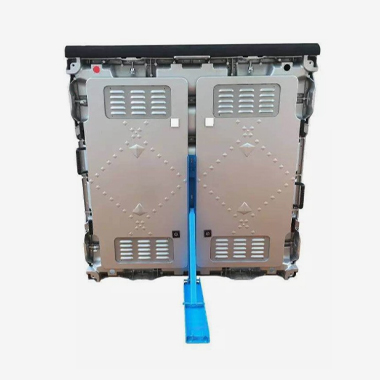
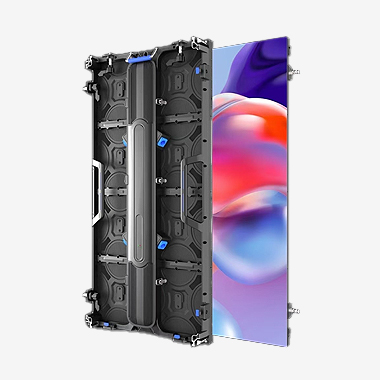
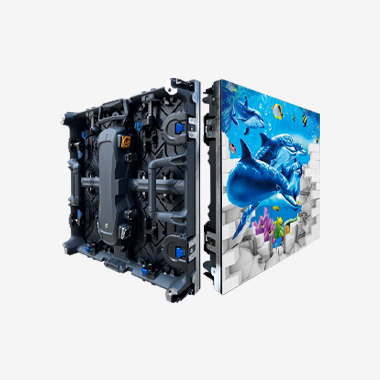
The structural framework of LED event screens is typically built to be sturdy yet modular, facilitating easy transportation, installation, and customization. The frame is often constructed from lightweight yet durable materials such as aluminum alloy or steel, which provide the necessary strength to support the LED modules while minimizing the overall weight of the screen. This modular design allows rental companies to assemble screens of various sizes by combining individual panels, enabling them to meet the specific spatial requirements of different conference venues.
The LED modules themselves are the core components of the display, and their quality directly impacts the visual performance of the screen. High - quality LED modules are selected for their brightness, color accuracy, and reliability. Each module contains an array of red, green, and blue (RGB) LEDs, which work together to produce a wide spectrum of colors through additive color mixing. The pixel pitch, which is the distance between adjacent pixels on the screen, is a critical design parameter. For conference applications, where attendees may be seated at relatively close distances, a smaller pixel pitch is often preferred to ensure sharp and detailed images. Common pixel pitches for conference - suitable LED screens range from 1.5mm to 3mm, although larger pitches may be used for very large - scale venues with greater viewing distances.
In addition to the physical structure, LED event screens are equipped with sophisticated electrical and control systems. The electrical system includes power supplies, cables, and connectors, which are designed to provide a stable and reliable source of power to the LED modules. Specialized power management units are often incorporated to optimize energy consumption, ensuring that the screen operates efficiently without sacrificing visual quality. The control system is responsible for managing the display of content and typically includes media players, content management software, and signal processors. These components enable conference organizers to easily upload, edit, and control the content displayed on the screen. Modern control systems also support a variety of input sources, such as computers, laptops, video players, and live camera feeds, providing flexibility in content presentation.
The construction process of LED event screens involves precise manufacturing techniques to ensure the quality and consistency of the final product. LED modules are carefully assembled and tested to ensure proper functionality before being integrated into the screen frame. The electrical and control systems are also rigorously tested to ensure reliable operation. Once constructed, the screens undergo a series of quality control checks to verify their visual performance, including color accuracy, brightness uniformity, and contrast ratio. These quality assurance measures are essential to ensure that the rented LED screens meet the high standards expected in the conference industry.
The working principles of LED event screens for conference rental are based on the fundamental properties of light - emitting diodes and the principles of digital signal processing. At the core of the operation is the ability of LEDs to emit light when an electric current is applied. In an RGB LED, there are three distinct semiconductor regions, each corresponding to one of the primary colors of light: red, green, and blue. When an electric current passes through these regions, electrons recombine with holes in the semiconductor material, releasing energy in the form of light at specific wavelengths corresponding to the red, green, and blue colors.
To display an image or video on the LED screen, the digital content first needs to be processed and transmitted to the screen. The content source, which could be a computer, a media server, or a live camera, sends a digital video signal to the screen's control system. The control system then decodes the signal and breaks it down into individual frames. Each frame is further divided into pixels, and for each pixel on the screen, the control system calculates the appropriate intensity values for the red, green, and blue LEDs based on the color information in the frame.
The control system then sends electrical signals to the LED modules, instructing them to adjust the brightness of the red, green, and blue LEDs accordingly. These signals are transmitted at a high frequency, allowing the LEDs to rapidly switch on and off or change their intensity levels. By precisely controlling the intensity of each primary color in every pixel, the LED screen can create a vast array of colors and shades, enabling the reproduction of complex images and videos with high fidelity.
The refresh rate of the LED screen is an important parameter that affects the smoothness of the displayed content. The refresh rate refers to the number of times per second that the screen updates its image. A higher refresh rate ensures that fast - moving images, such as those in video presentations or live video feeds, appear smooth and without any noticeable flickering or ghosting. For conference applications, where clear and stable visual displays are essential, modern LED event screens typically have a refresh rate of at least 60 Hz, with some high - end models capable of achieving refresh rates of 120 Hz or more.
In addition to basic image and video display, many LED event screens for conference rental also support advanced features. These include real - time content updates, allowing conference organizers to display live information such as social media feeds, live polls, or real - time data analytics. Some screens are also equipped with interactive capabilities, enabling attendees to engage with the content through touchscreens, mobile devices, or other input methods. These advanced features enhance the interactivity and engagement of the conference, making the event more dynamic and memorable for attendees.
The rental of LED event screens for conferences offers numerous advantages that have made it a preferred choice for event organizers. One of the most significant benefits is the cost - effectiveness it provides. As mentioned earlier, purchasing high - quality LED screens can be prohibitively expensive, especially for organizations that do not require permanent display equipment. Rental services allow organizers to access state - of - the - art LED screens at a fraction of the cost of ownership, enabling them to allocate their budgets more effectively to other aspects of the conference, such as speaker fees, marketing, and attendee experiences.
Another major advantage is the flexibility and customization options available. Rental companies typically offer a wide range of screen sizes, resolutions, and configurations, allowing conference organizers to select the most suitable setup for their specific event. Whether it's a small breakout session requiring a compact display or a large plenary hall needing a massive video wall, rental services can provide the right solution. Additionally, the ability to customize the content displayed on the screen in real - time gives organizers the flexibility to adapt to changing conference agendas, incorporate last - minute updates, and tailor the visual experience to the interests and needs of the audience.
LED event screen rental also offers convenience in terms of installation, maintenance, and technical support. Rental companies have experienced technicians who are responsible for delivering, installing, and setting up the screens at the conference venue. They also handle any technical issues that may arise during the event, ensuring that the screens operate smoothly throughout the conference. This relieves organizers of the stress and technical challenges associated with managing complex display equipment, allowing them to focus on other important aspects of conference planning and execution.
The high - quality visual performance of LED event screens is another key advantage. With their high resolution, vivid colors, and wide viewing angles, these screens can display presentations, videos, and graphics with exceptional clarity and impact. This enhances the overall professionalism of the conference and helps to engage attendees more effectively. The ability to display large - scale visuals also ensures that all attendees, regardless of their seating position, can have a clear view of the content being presented.
However, the rental of LED event screens for conferences also comes with its own set of challenges. One of the main challenges is the availability and timing of rental equipment. During peak conference seasons, demand for LED screens can be extremely high, and rental companies may have limited availability. This requires conference organizers to plan well in advance and secure their rentals early to avoid disappointment. Additionally, the delivery and installation schedules of rental equipment need to be carefully coordinated with the conference timeline to ensure a smooth setup process.
Another challenge is the compatibility of the rental screen with the conference's existing audio - visual equipment and content sources. Different LED screens may have different input and output interfaces, and ensuring that they are compatible with the computers, media players, and other devices used at the conference can be a complex task. Organizers need to work closely with the rental company's technical team to test and verify the compatibility of the equipment before the event to avoid any technical glitches during the conference.
Technical issues can also pose a challenge during the conference. Although rental companies typically provide technical support, unexpected problems such as power failures, signal disruptions, or malfunctioning LED modules can still occur. These issues can cause delays and disruptions in the conference proceedings, affecting the overall experience of the attendees. To mitigate this risk, rental companies often have backup equipment and contingency plans in place, but it is still important for organizers to be prepared to handle any technical emergencies that may arise.
The applications of LED event screen rental in the conference industry are diverse and play a crucial role in enhancing the overall conference experience. In keynote sessions, large - scale LED screens are used to display high - resolution images, videos, and slides of the speakers, ensuring that all attendees can have a clear view of the presentation. The screens can also be used to display live translations, subtitles, or real - time social media feeds, facilitating better communication and engagement among attendees from different backgrounds.
In breakout sessions and workshops, smaller LED screens are often rented to display detailed presentations, interactive content, or live demonstrations. These screens provide a more intimate and focused visual experience for the participants, allowing them to engage more effectively with the content and the presenters. LED screens are also commonly used in exhibition areas within conferences, where they can be used to showcase product information, company videos, and promotional materials, attracting the attention of conference attendees and potential customers.
Another important application of LED event screen rental in conferences is for event branding and marketing. Screens can be used to display the conference logo, sponsors' logos, and promotional messages, creating a cohesive and professional brand image for the event. They can also be used to display wayfinding information, such as maps, session schedules, and room locations, helping attendees navigate the conference venue more easily.
Looking to the future, the LED event screen rental market for conferences is expected to witness several exciting trends. One of the major trends is the continued development of higher - resolution displays. As the demand for more detailed and immersive visual experiences grows, we can expect to see the widespread adoption of 8K and even higher - resolution LED screens in conferences. These high - resolution screens will enable presenters to display more detailed graphics, charts, and images, enhancing the clarity and impact of their presentations.
The integration of advanced technologies such as virtual reality (VR), augmented reality (AR), and mixed reality (MR) is also set to transform the conference experience. LED event screens could be used in conjunction with these technologies to create more interactive and immersive conference sessions, allowing attendees to engage with the content in new and innovative ways. For example, AR - enabled LED screens could be used to display interactive 3D models or real - time data overlays during presentations, providing a more engaging and memorable experience for the audience.
The use of artificial intelligence (AI) and machine learning (ML) technologies is also expected to play an increasingly important role in the LED event screen rental industry. AI - powered algorithms can be used to analyze attendee behavior and preferences, enabling conference organizers to create more personalized and engaging visual experiences. ML can also be used to optimize the performance of the LED screens, such as adjusting the brightness and color settings based on the ambient light conditions or predicting and preventing potential technical issues before they occur.
Another trend is the growing focus on sustainability in the LED event screen rental industry. As environmental concerns become more prominent, rental companies are increasingly investing in energy - efficient LED screens and sustainable business practices. This includes using LED screens with low power consumption, recycling and reusing old equipment, and reducing the carbon footprint associated with the transportation and installation of the screens.
Conclusion
In conclusion, the rental of LED event screens for conferences has become an essential component of modern conference planning and execution. It offers a cost - effective, flexible, and high - quality solution for presenting information, engaging attendees, and enhancing the overall conference experience. Despite the challenges associated with availability, compatibility, and technical issues, the numerous advantages of LED event screen rental make it a highly attractive option for conference organizers.
As technology continues to evolve, the future of LED event screen rental in the conference industry looks promising. The development of higher - resolution displays, the integration of advanced technologies such as VR, AR, and AI, and the growing focus on sustainability are all set to further enhance the capabilities and applications of LED event screens in conferences. By staying abreast of these trends and leveraging the latest technologies, conference organizers can create more impactful, engaging, and memorable events that meet the evolving needs and expectations of their attendees. Whether it's a small - scale seminar or a large international convention, LED event screen rental will undoubtedly continue to play a crucial role in shaping the future of the conference industry.


Copyright © 2026 Shenzhen Cogo Technology Co.,Ltd.
All Rights Reserved

 Previous article