




 Chat Now
The modern interior landscape, from corporate lobbies to command centers, is undergoing a silent revolution. At the forefront of this transformation is the Indoor Fixed Installation LED Display Wall—a permanent, high-resolution, seamless visual platform that has redefined how information is conveyed and how environments are experienced. Unlike their rental/staging or outdoor counterparts, these displays are engineered for 24/7 operation, seamless integration into architectural spaces, and unparalleled reliability. This overview explores the essence of this technology, its role as a cornerstone of modern interior design, and its impact across various sectors.
An Indoor Fixed Installation LED Wall is a custom-designed, permanently mounted array of LED panels that functions as a single, cohesive display. The term "fixed installation" is crucial; it signifies a purpose-built solution that is not meant to be moved. This permanence dictates every aspect of its design, from the mounting structure and cooling systems to the calibration and control infrastructure. These walls are the definitive answer to the limitations of projection technology and tiled LCD video walls, offering superior brightness, seamless images without bezels, and robust performance in ambient light conditions.
The evolution towards fixed LED solutions marks a significant maturation in display technology. Initially, large-format indoor video was dominated by projectors, which suffered from issues like dim images in lit rooms, lamp degradation, and the need for precise alignment. Later, LCD video walls became popular but introduced a new problem: the visible bezel (the physical border around each screen). Even with ultra-narrow bezels, these "grid lines" disrupt the visual continuity of the content, a critical flaw for data visualization or immersive experiences. Fixed installation LED walls eradicate this issue entirely, creating a truly seamless, monolithic canvas limited only by the physical size of the installation.
The core value proposition of a fixed LED wall is its ability to become an integral, functional part of a building's infrastructure. It is not a piece of furniture or a temporary screen; it is a architectural feature. This integration happens on multiple levels:
Physical Integration: The wall is designed to fit a specific space, often flush-mounted into a wall or structure. Custom curves, unique aspect ratios, and integration with physical elements like stages or reception desks are common. The design prioritizes a clean, minimalist aesthetic, often with a "display-on-demand" philosophy where the technology recedes when not in use.
Operational Integration: Designed for constant operation, these systems are built for reliability and ease of use. They often feature centralized control systems that allow non-technical staff to manage content, and are integrated with building management systems (BMS) for monitoring power and environmental conditions.
Functional Integration: The wall is not just for show; it serves a core purpose. In a corporate setting, it is a tool for collaboration and communication. In a security center, it is the central nervous system for monitoring data. In a broadcast studio, it is the dynamic backdrop that defines the program's visual identity.
The applications are diverse and mission-critical. They are the centerpiece of:
Corporate Lobbies and Boardrooms: projecting brand image and enabling dynamic presentations.
Network Operations Centers (NOCs) and Security Command Centers: visualizing vast datasets and real-time feeds without obstruction.
Broadcast Studios and Production Environments: providing versatile, real-time graphics and virtual sets.
Museums, Galleries, and Cultural Institutions: creating immersive educational and artistic exhibits.
High-End Retail and Showrooms: building brand experience and showcasing products with breathtaking impact.
In conclusion, the Indoor Fixed Installation LED Wall represents the pinnacle of display technology for permanent environments. It transcends the role of a simple monitor to become a transformative architectural element. By offering an unrivaled combination of seamless imagery, reliability, and design flexibility, it has become the medium of choice for organizations that require the absolute best in visual communication, data display, and environmental storytelling. It is the permanent digital heartbeat of the smart, modern interior.
The design and construction of an Indoor Fixed Installation LED Wall is a meticulous process that blends precision engineering, architectural design, and electronic excellence. Unlike rental equipment built for portability, every component is selected and assembled with one primary goal: to deliver flawless, reliable performance for years on end, seamlessly integrated into its environment. This section deconstructs the anatomy of a fixed LED wall, exploring the components, design philosophies, and technical considerations that define its superior quality.
The Foundation: The Cabinet and Mounting System
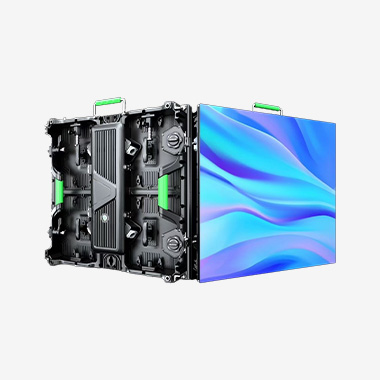
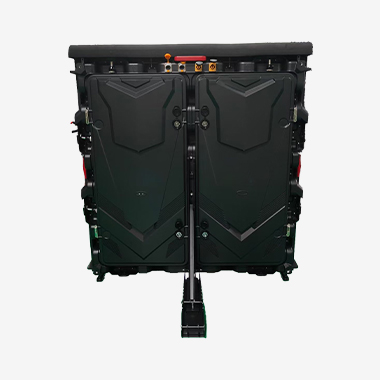
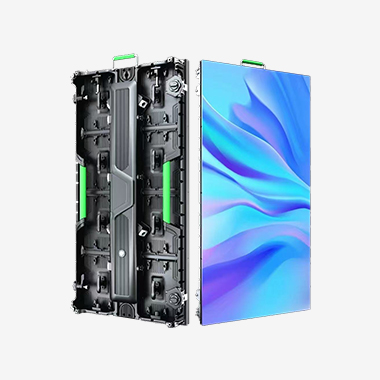
The core structural element is the LED cabinet. For fixed installations, these are typically made from heavy-duty, die-cast aluminum or precision-machined aluminum profiles. This material is chosen for its exceptional strength-to-weight ratio, thermal conductivity, and resistance to warping over time.
Rigidity and Flatness: Cabinets are engineered to lock together with micron-level precision. The goal is a perfectly flat (or perfectly curved) surface with no visible gaps, bumps, or "tiling" effects between modules. This is achieved through precision machining and robust locking mechanisms.
Cooling Systems: Permanent walls often utilize passive cooling (silent, convection-based heat sinks) or quiet active cooling (low-noise fans). The choice depends on the LED density and the ambient temperature of the room. The design ensures efficient heat dissipation to protect the LEDs and electronics, significantly extending their lifespan.
Advanced Mounting Solutions: The mounting system is a critical, custom-designed component. Options include:
Flush Wall Mount: The most common type, where the wall is recessed into the building structure for a clean, built-in look.
Wall-Accessible Mount: Allows the entire wall to be pulled away from the wall on a rail system for maintenance from the front, crucial for installations where rear access is impossible.
Ceiling Suspension: Used for floating walls or curved installations, requiring rigorous engineering to ensure stability and safety.
The Heart of the Display: The LED Module
The module is the building block of the image. For fixed installations, the pursuit of image quality is paramount.
Pixel Pitch: This is the most critical specification. Fixed installations demand fine pixel pitches (typically between P0.9mm and P2.5mm) to allow for close viewing distances. The choice is a balance between resolution, cost, and viewing distance. A corporate boardroom might use P1.2, while a large lobby could use P2.5.
LED Technology:
SMD (Surface-Mount Device): The standard for most applications, where RGB chips are mounted into a single package on the PCB.
COB (Chip-on-Board): An advanced technology where LED chips are directly bonded to the substrate and then encapsulated with a protective phosphor resin. COB offers superior reliability, better heat dissipation, higher contrast (by reducing reflected light), and enhanced durability against moisture, dust, and impact. It is increasingly the technology of choice for high-end fixed installations.
Calibration: Out of the factory, each module undergoes rigorous binning—grouping LEDs by luminosity and chromaticity to ensure consistency. For fixed walls, this is followed by on-site point-by-point calibration. Using a high-precision spectrophotometer, a technician measures every single pixel on the entire wall. The system then creates a unique compensation file that adjusts the brightness and color output of each individual LED to achieve perfect uniformity across the entire display. This eliminates any visual patches or color shifts.
The Nervous System: Control and Power Infrastructure
A fixed installation requires a robust and permanent backbone for data and power.
Video Processors: These are professional-grade, often rack-mounted units from brands like Novastar, Brompton, or Colorlight. They handle signal management, scaling, calibration data application, and often have built-in redundancy features.
Cabling: Permanent, high-quality cabling is installed within walls or under raised floors. This includes CAT6/6A for data transmission (often with fiber optic for long runs) and dedicated power circuits with appropriate gauges to prevent voltage drop over distance.
Power Management: Systems are designed with clean, stable power in mind, often using uninterruptible power supplies (UPS) and power conditioners to protect the sensitive electronics from surges and brownouts. Power distribution units (PDUs) are used for organized and manageable connections.
The Interface: Control Systems and Integration
Ease of use is key for permanent operations. Control goes beyond a simple remote.
Centralized Control: Systems are integrated with control platforms like Crestron, Extron, or AMX. This allows users to power the wall on/off, switch inputs, and launch content with a single button on a touch panel or wall-mounted keypad.
Content Management Systems (CMS): Software like Userful, Signagelive, or OnSign TV is often integrated, allowing for scheduled playback of images, videos, data feeds, and web content without needing a dedicated PC constantly connected.
Design Considerations for the Environment:
Aesthetics: The wall must look good even when off. Options include custom-colored bezels, decorative facades that can retract to reveal the screen, and minimalist frames.
Acoustics: In spaces like boardrooms, the cooling system must be utterly silent. Passive cooling or specially designed quiet fans are essential.
Serviceability: The design must include a clear plan for maintenance. This could mean front-serviceable modules, adequate rear access space, or, in the case of a videowall, a motorized lift system to lower sections for service.
In summary, the design and construction of a fixed installation LED wall is an exercise in precision and foresight. It involves selecting the highest-grade components, engineering a rigid and thermally stable structure, implementing a meticulous calibration process, and installing a robust and user-friendly control infrastructure. Every decision is made through the lens of longevity, reliability, and seamless integration, ensuring the display becomes a valuable and dependable asset for its owners for many years.
The flawless image of a fixed installation LED wall is the product of a highly sophisticated and precisely orchestrated electronic process. While it shares the basic working principles of all LED displays, the emphasis for a fixed installation shifts from mere functionality to achieving absolute uniformity, color accuracy, and stability over a long lifespan. This section delves into the technical workflow, highlighting the advanced processes that differentiate a permanent installation from a temporary one.
The Core Principle: Pixel-Level Control for a Seamless Image
The fundamental goal is to make millions of individual LEDs behave as a single, coherent light source. This is achieved through a chain of command that translates a video signal into precisely controlled light emissions from each red, green, and blue sub-pixel.
The Detailed Workflow for a Fixed Installation:
Signal Input and Acceptance: The process begins with a video source—a computer's HDMI output, a live SDI feed from a camera, or a stream from a network. A high-end video processor acts as the "brain" of the wall. It first authenticates and processes these incoming signals, handling different resolutions, frame rates, and color spaces.
Scaling and Image Processing: The input signal rarely matches the native resolution of the LED wall (e.g., a 1920x1080 signal sent to a wall that is 3840x2160 pixels). The processor performs real-time scaling, using advanced algorithms to resize the image without introducing artifacts like blurring or jagged edges. It also applies image enhancement features:
Noise Reduction: Filtering out digital noise from the source.
Sharpening: Applying edge enhancement to improve clarity.
Color Space Management: Converting the signal to the specific color gamut of the LED panels for optimal accuracy.
The Critical Step: Calibration Data Application: This is where fixed installations truly separate themselves. During the commissioning of the wall, a technician used a spectrophotometer to measure the output of every single sub-pixel on the entire display. The minute variations in brightness and color were recorded into a massive compensation file stored on the processor.
Now, in real-time, for every frame of video, the processor does not just send a simple command to each LED. Instead, it modifies the output command for each individual sub-pixel based on this calibration data. If one blue LED is slightly dimmer than its neighbors, the processor will instruct it to run at a higher power level to compensate. This happens billions of times per second across the entire display, ensuring that the command "display this shade of blue" results in a perfectly uniform shade of blue across every inch of the wall.
Data Distribution and Packetization: The processed and calibrated video data is packetized and sent out from the processor's sending cards. For large walls, the data is distributed via a network switch to multiple "receiving cards" mounted on the LED cabinets. This is often done over CAT6 or fiber optic cables to ensure data integrity over long distances within the building.
On-Board Processing: The Receiving Card: Each cabinet's receiving card is a dedicated computer. It takes its portion of the overall video data, interprets it, and distributes the commands to the specific driver ICs (Integrated Circuits) on the modules within its cabinet. It also constantly monitors the cabinet's status—temperature, voltage, and data integrity—reporting any errors back to the main processor.
Driving the LEDs: Pulse-Width Modulation (PWM): The driver ICs are the muscle. They receive the digital command for each LED's intensity and execute it using PWM. This technique rapidly switches each LED on and off thousands of times per second. The ratio of "on" time to "off" time (duty cycle) determines the perceived brightness. A 50% duty cycle results in 50% brightness. This is how grayscale (shades between black and white) and, by extension, color mixing are achieved with digital precision.
Light Emission: Electroluminescence: The final electrical command from the driver IC reaches the LED semiconductor. When the current is applied during the "on" pulses, electrons recombine with electron holes, releasing energy in the form of photons (light). The specific materials in the semiconductor (e.g., Indium Gallium Nitride for blue and green, Aluminum Gallium Arsenide for red) determine the color of the light emitted.
Additive Color Mixing: The human eye perceives the tightly clustered red, green, and blue LEDs as a single pixel. By independently controlling the intensity of each colored LED via PWM, the system can create the perception of any color in the spectrum. Full red + full green + no blue = yellow. Full red + full blue + no green = magenta. All three at full intensity creates white.
The Feedback Loop: Monitoring and Maintenance
A fixed installation often includes monitoring systems that continuously check the health of the wall. The processor can track the operational hours of each cabinet, flag modules with failing LEDs, and monitor temperature. This allows for predictive maintenance—scheduling service before a failure affects the display's performance—which is a cornerstone of the "set-it-and-forget-it" philosophy required for mission-critical environments.
In essence, the working principle of a fixed LED wall is a relentless pursuit of perfection. It's a continuous cycle of receiving an image, meticulously correcting it for hardware imperfections, and commanding millions of individual light sources with microscopic precision. This complex symphony of data and light, conducted by powerful processors and calibrated to laboratory-grade accuracy, is what produces the breathtaking, seamless, and utterly reliable visual experience that defines a world-class fixed installation.
The decision to invest in a fixed installation LED wall is a significant one, driven by a clear set of powerful advantages over alternative technologies. However, this premium solution also comes with its own set of challenges and considerations that must be carefully weighed. Understanding this balance is crucial for organizations to ensure a successful implementation that delivers long-term value.
Advantages:
Seamless, Bezel-Free Image: This is the most significant advantage over LCD video walls. The complete absence of physical grid lines creates an uninterrupted canvas that is essential for displaying large datasets, financial charts, geographic maps, and video content without distraction. It enables true immersion, making content feel expansive and cohesive.
Superior Performance in Ambient Light: Unlike projectors, which require a darkened room, LED walls are bright, self-emissive light sources. They maintain excellent color saturation, contrast, and visibility even in well-lit environments like corporate lobbies, trading floors, or showrooms with large windows. This allows the space to be used normally without compromising the display's impact.
Exceptional Reliability and Longevity: Designed for 24/7 operation, fixed LED walls are built with industrial-grade components. LEDs have a long lifespan (often 100,000 hours to half-brightness), and with robust cooling and power management, these systems can operate for years with minimal downtime. This makes them ideal for mission-critical applications like security centers where display failure is not an option.
Lower Total Cost of Ownership (TCO) for 24/7 Use: While the initial investment is high, the TCO over 5-7 years can be favorable compared to alternatives. Projectors require frequent lamp or laser module replacements (every few thousand hours), and LCD panels have backlights that dim over time. LED walls have no consumables and their solid-state design leads to lower long-term maintenance costs and energy consumption, especially with modern efficient drivers.
Unmatched Design Flexibility and Customization: Fixed installations can be built to almost any size or aspect ratio—from a small, wide video wall in a boardroom to a massive, multi-story display in an atrium. They can also be fabricated into gentle curves or even cylindrical columns, offering architectural design possibilities that are impossible with rigid LCD panels.
High Brightness and Contrast Ratio: LED technology inherently offers high peak brightness (typically 600-1500 nits for indoor fixed install) and excellent contrast ratios, especially with COB technology and black-faced LEDs that minimize light reflection. This results in vibrant, punchy images with deep blacks.
Challenges and Considerations:
High Initial Capital Investment: This is the primary barrier. The cost per square meter for a fine-pitch LED display is significantly higher than for a projector or an LCD video wall solution. The investment includes not just the panels, but also the video processor, custom mounting structure, professional installation, and calibration services.
Technical Complexity of Installation and Calibration: Installing a fixed wall is not a simple task. It requires specialized structural engineers, certified electricians, and trained LED technicians. The process of physically mounting the cabinets to achieve a perfectly flat surface is exacting. Furthermore, the point-by-point calibration process is time-consuming and requires expensive, specialized equipment and expertise.
Pixel Pitch and Resolution Limitations: While resolution is high, it is physically finite. There is a direct relationship between the size of the wall, the pixel pitch, and the final resolution. A very large wall with a P2.5 pitch may have a lower final resolution than a smaller wall with a P1.2 pitch. Choosing the wrong pitch for the viewing distance can result in a visible pixel structure, which undermines the investment.
Power Consumption and Heat Management: A large LED wall is a significant power load that may require dedicated electrical circuits to be installed. This power is converted into both light and heat. While efficiently managed, the heat output must be considered in the room's HVAC design to prevent the system from overheating and to maintain occupant comfort.
Content Creation Demands: To truly leverage the investment, content must be created or adapted for the unique canvas. Simply stretching a 16:9 video to a very wide aspect ratio will look distorted and unprofessional. Content needs to be designed at the native resolution of the wall, which may require new workflows and software for the content creation team.
Perceived Obsolescence: Technology evolves rapidly. While the physical hardware may last a decade, there is a perception that newer technology with better efficiency, finer pitch, or new features (like MicroLED) will emerge. Planning for future-proofing, such as ensuring the control system can handle higher data rates, is an important consideration.
In conclusion, a fixed installation LED wall offers an unparalleled combination of visual performance, reliability, and design integration. Its advantages are transformative for organizations that rely on visual communication and for whom downtime is unacceptable. However, the path to success requires a significant upfront investment, a commitment to professional installation and calibration, and an understanding of the ongoing content needs. For those who can navigate these challenges, the result is a strategic asset that enhances operational efficiency, strengthens brand image, and provides a foundation for innovation for years to come.
Indoor fixed installation LED walls have moved beyond being mere display tools; they have become critical infrastructure components across a wide spectrum of industries. Their ability to provide reliable, seamless, and impactful visualization makes them the centerpiece of modern operational, communicative, and experiential environments. Simultaneously, technological advancements are continuously expanding their potential applications. This section explores the current key uses and the emerging trends that will shape their future.
Current Applications:
Corporate Environments:
Executive Boardrooms and War Rooms: Replacing traditional projectors and LCD screens to enable seamless presentation of complex data, video conferencing with life-size remote participants, and collaborative analytics on a grand, bezel-free scale.
Corporate Lobbies and Reception Areas: Serving as dynamic brand canvases that welcome visitors with company messaging, investor information, and stunning visual content that reinforces corporate identity and innovation.
Trading Floors and Financial Hubs: Providing traders with a real-time, panoramic view of global market data, news feeds, and performance metrics without the obstruction of bezels, enabling faster decision-making.
Command and Control Centers:
Network Operations Centers (NOCs): Monitoring the health and performance of vast IT and telecommunications networks. The seamless display is crucial for visualizing network topology maps and data dashboards.
Security and Emergency Operation Centers (SOCs/EOCs): Acting as the situational awareness hub, integrating video surveillance feeds, GIS maps, alarm systems, and communication logs into a single, coherent operational picture for first responders and security personnel.
Transportation Hubs (Air Traffic Control, Rail Operations): Visualizing scheduling, routing, and logistics data for managing complex transportation networks in real time.
Broadcast and Media Production:
Virtual Studios: Forming the backbone of "Volume" stages (popularized by The Mandalorian), where high-resolution, real-time rendered backgrounds are displayed on LED walls, allowing for in-camera visual effects with realistic lighting and reflections.
News Studios and Broadcast Facilities: Used as dynamic, customizable backdrops for news programs, weather reports, and talk shows, allowing for the creation of immersive virtual sets without a green screen.
Retail and Experience Economies:
High-End Retail and Brand Flagships: Creating "wow" moments in storefronts and within stores to showcase products, tell brand stories, and drive engagement, often in curved or unconventional shapes.
Museums, Galleries, and Aquariums: Building immersive educational exhibits, interactive timelines, and digital art installations that captivate visitors in ways static displays cannot.
Entertainment Venues and Casinos: Displaying event information, creating atmospheric environments, and enhancing the overall guest experience with large-scale digital art and information.
Future Trends:
The Adoption of MicroLED Technology: This is the most significant impending shift. MicroLED, which uses microscopic, self-emissive LEDs, promises to be the ultimate display technology. For fixed installations, it will enable:
Brighter, More Efficient Panels: With finer pitches and higher reliability.
True Modularity: The ability to create displays in any shape or form factor, not just rectangles.
Even Better Contrast and Color: With individual pixel-level control and no color filters.
The Smarter, Connected Display: LED walls will evolve into intelligent nodes within the Internet of Things (IoT) ecosystem.
Integrated Sensors: Walls will incorporate cameras and sensors to enable audience analytics, gesture control, and automated brightness adjustment based on room occupancy.
AI-Powered Content Management: Artificial Intelligence will automate content scheduling and optimization, and even generate dynamic data visualizations in real time based on live inputs.
The Rise of the Transparent and "Invisible" Display: While currently a niche, transparent LED technology will become more viable for fixed interiors. Imagine conference room glass walls that transform into a presentation screen when needed, or retail windows that are interactive by day and promotional by night, all while maintaining transparency.
Cobotic Integration for Maintenance: The tedious task of module replacement and calibration in hard-to-reach installations may be assisted by collaborative robots (cobots) that can autonomously or semi-autonomously perform maintenance tasks, reducing downtime and safety risks for human technicians.
Sustainability Focus: Manufacturers will continue to drive down power consumption through more efficient LED chips, driver ICs, and power supplies. The use of recyclable materials in cabinets and a focus on full-lifecycle management will become a key differentiator, aligning with corporate sustainability goals.
Standardization and Interoperability: As the market matures, we will see a push towards greater standardization in communication protocols and form factors. This will make systems from different manufacturers more interoperable, giving integrators and end-users more flexibility and potentially lowering costs.
The future of the fixed installation LED wall is one of deeper integration and greater intelligence. It will become less of a standalone display and more of an interactive, connected surface that is woven into the very fabric of a building's functionality. It will not only show information but will also sense, analyze, and respond to its environment, solidifying its role as an indispensable tool for the modern world.
Conclusion
The journey through the world of Indoor Fixed Installation LED Walls reveals a technology that has decisively cemented its place as the premium solution for permanent, large-format visual display. It is the culmination of decades of advancement in semiconductor technology, precision engineering, and software calibration, resulting in a tool that is far more than the sum of its parts. It is a strategic asset that transforms spaces, empowers professionals, and captivates audiences.
The fixed LED wall's triumph is rooted in its fundamental resolution of the core limitations of previous technologies. It vanquished the bezel, that persistent divider of the digital image, offering a truly continuous canvas that is essential for serious data visualization and immersive experiences. It overcame the weakness of projection, delivering brilliant, unwavering image quality regardless of ambient light conditions. And it surpassed the temporary nature of rental gear, providing the rugged reliability and steadfast performance required for 24/7 mission-critical operations.
While the initial investment is substantial, it is precisely this investment that defines its value. The high cost is a reflection of the superior components, the custom engineering, the meticulous installation, and the painstaking calibration process that together guarantee a level of performance, longevity, and integration that cheaper alternatives cannot match. The Total Cost of Ownership narrative is powerful; this is a long-term asset designed to deliver value for a decade or more, making it a sound strategic decision for forward-thinking organizations.
The applications are a testament to its versatility. From the nerve centers of global finance and security to the creative engines of broadcast media and the brand temples of corporate and retail spaces, the fixed LED wall has become the unassailable standard. It is the platform upon which critical decisions are made, stories are told, and brands are experienced. It has redefined what is possible in interior design, turning static walls into dynamic, communicative surfaces.
Looking forward, the trajectory is one of continued refinement and exciting innovation. The advent of MicroLED promises even greater fidelity and new form factors. The integration of IoT and AI will transform these displays from passive showpieces into intelligent, interactive partners. The focus on sustainability will ensure they align with the environmental values of the organizations they serve.
In conclusion, the Indoor Fixed Installation LED Wall is not a mere trend; it is a paradigm shift in visual technology. It represents a maturity in the market where quality, reliability, and seamless integration are prioritized above all else. For any organization where visual communication is paramount, where decision-making depends on clear, uninterrupted data, and where brand perception is tied to innovation and impact, the fixed installation LED wall is not just an option—it is the definitive solution. It is the permanent, beating heart of the modern digital environment.


Copyright © 2026 Shenzhen Cogo Technology Co.,Ltd.
All Rights Reserved

 Previous article