




 Chat Now
Indoor LED stage screens have become a cornerstone of modern event production, offering dynamic, high-resolution visuals that transform performances, conferences, and corporate gatherings into immersive experiences. Unlike traditional projection systems, LED screens deliver vibrant colors, superior brightness, and seamless integration with live content, making them ideal for low-light indoor environments.
The global market for LED screen rentals is projected to grow at a CAGR of 8.5% from 2024 to 2030, driven by demand for flexible, scalable solutions in the entertainment, corporate, and hospitality sectors. Key drivers include:
Technological advancements: Mini-LED and Micro-LED technologies are improving pixel density and energy efficiency.
Cost efficiency: Rental models allow event organizers to access cutting-edge displays without high upfront investments.
Versatility: LED screens can be configured into curved, angular, or multi-layered setups to suit diverse stage designs.
From intimate theater productions to large-scale music festivals, indoor LED stage screens are redefining audience engagement through real-time content delivery, interactive features, and adaptive lighting.
2.1 Modular Architecture
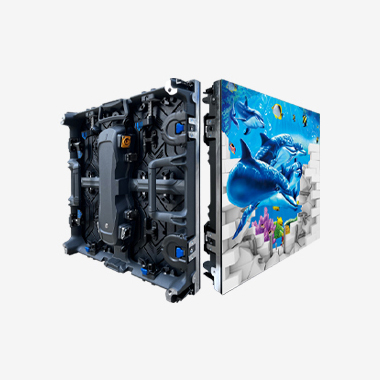
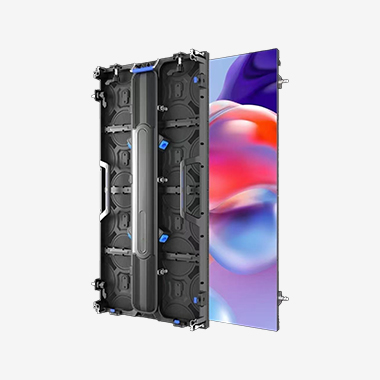
Indoor LED screens are built using interlocking cabinets (typically 500mm x 500mm or 500mm x 1000mm), each containing thousands of SMD (Surface-Mount Device) LEDs. These cabinets are lightweight (8–15 kg each) and feature magnetic alignment systems for quick assembly. Popular rental models include:
ROE Visual CB5 Series: 5mm pixel pitch, 16:9 aspect ratio, and IP65-rated for dust resistance.
Absen PL Series: 2.6mm pixel pitch, 5000 nits brightness, and front/rear maintenance access.
Leyard TW Series: 1.5mm pixel pitch, ultra-thin design (65mm depth), and curved installation capability.
2.2 Pixel Pitch and Resolution
Pixel pitch (distance between LED centers) determines viewing distance and image clarity:
P1.5–P2.5mm: Ideal for close-up viewing (e.g., corporate presentations, award shows).
P3–P5mm: Suitable for medium-distance audiences (e.g., concert stages, theater backdrops).
P6–P10mm: Used for large venues where viewers are farther away (e.g., exhibition halls, sports arenas).
For example, a 10m x 5m P2.5mm LED screen offers 4K resolution (3840 x 1920), ensuring crisp visuals even for audiences within 5 meters.
2.3 Brightness and Contrast
Indoor LED screens typically operate at 800–2000 nits, balancing visibility with energy efficiency. Advanced models use black-body LEDs and dynamic dimming to achieve contrast ratios of 10,000:1, enhancing depth and color accuracy in dark environments.
2.4 Structural Support
Rental setups rely on truss systems or ground-supported frames for stability. Key considerations include:
Weight distribution: Ensuring the structure can bear the load (e.g., a 20m² screen weighs ~400 kg).
Wind resistance: Indoor venues may still require bracing if airflow from HVAC systems is strong.
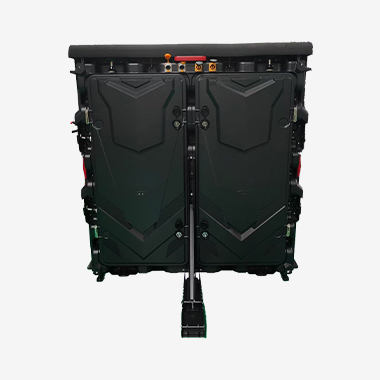
Accessibility: Cabinets should allow front/rear service access for quick repairs.
2.5 Cooling Systems
To prevent overheating, LED cabinets incorporate:
Passive cooling: Heat sinks and aluminum frames dissipate heat silently.
Active cooling: Small fans or liquid cooling (for high-brightness models).
3.1 Pixel Composition
Each pixel consists of red, green, and blue (RGB) LEDs, controlled individually to produce 16.7 million colors. Mini-LED technology (pixel sizes <0.2mm) enables finer pitch displays (e.g., P1.2mm), while Micro-LED (pixel sizes <100µm) promises even higher densities in future models.
3.2 Signal Processing
Content is transmitted via:
HDMI/SDI: For local sources (e.g., laptops, cameras).
Fiber-optic cables: For long-distance transmission (e.g., connecting control rooms to stage screens).
Wireless systems: 5GHz/6GHz Wi-Fi or dedicated RF links for remote playback.
A central processor (e.g., NovaStar MCTRL R5) synchronizes multiple cabinets, ensuring seamless image alignment. Advanced systems support HDR10+ and 120Hz refresh rates for smooth motion in live performances.
3.3 Control Software
User-friendly interfaces like Brompton Tessera SX40 or Leyard Ledmaster allow operators to:
Adjust brightness, contrast, and gamma settings.
Create multi-zone layouts for split-screen content.
Schedule automated playlists for advertising rotations.
Monitor cabinet health via temperature and voltage sensors.
3.4 Calibration and Alignment
Before each event, technicians perform:
Color calibration: Using spectrophotometers to ensure uniformity across panels.
Geometric correction: Adjusting for curved or angled installations.
Latency testing: Minimizing delay between input and display (<1ms for live video).
4.1 Advantages
Superior Visuals: LED screens outperform projectors in brightness, contrast, and color accuracy, even in ambient light.
Flexibility: Content can be updated in real time via cloud-based platforms (e.g., social media feeds, live polls).
Space Efficiency: Unlike projectors, LED walls require no projection booths or darkened rooms.
Cost-Effective Rentals: Organizers can access high-end displays (e.g., 4K P1.5mm screens) for a fraction of the purchase cost.
4.2 Challenges
Initial Cost: High-resolution panels (e.g., P1.2mm) can exceed $20,000 per square meter to purchase.
Maintenance: Dust and humidity require regular cleaning to prevent pixel failure.
Content Design: Text and graphics must be optimized for LED resolution to avoid blurriness.
Technical Expertise: Setup and calibration demand skilled technicians, increasing labor costs.
5.1 Current Applications
Concerts & Music Festivals: LED walls serve as dynamic backdrops for artists (e.g., Travis Scott’s Astroworld tour used a 360° LED stage).
Corporate Events: Product launches (e.g., Apple’s keynotes) leverage LED screens for 3D animations and live demos.
Theater & Dance: LED floors and walls create immersive environments (e.g., The Lion King’s digital savanna).
Broadcast Studios: Virtual sets (e.g., CNN’s LED newsroom) combine LED screens with AR for hybrid productions.
Weddings & Private Events: Customizable LED walls display photo montages or interactive games.
5.2 Future Trends
Micro-LED Dominance: By 2030, Micro-LEDs will enable ultra-thin, flexible displays with higher brightness and lower power consumption.
AI-Driven Content: Machine learning will automate real-time adjustments based on audience reactions or lighting conditions.
Sustainability: Solar-powered LED walls and recyclable materials will reduce environmental impact.
Virtual Production: LED volumes (e.g., Unreal Engine’s LED stages) will revolutionize film and TV production with real-time rendering.
5G Integration: Faster data transmission will enable seamless streaming of 8K content from cloud servers.
Conclusion
Indoor LED stage screen rentals have democratized access to high-impact visual technology, empowering event organizers to create unforgettable experiences across industries. Their versatility, scalability, and cost efficiency make them indispensable for modern productions, from intimate gatherings to global broadcasts.
As innovations like Micro-LED and AI-driven content management emerge, LED screens will continue to push creative boundaries, offering sharper resolutions, interactive features, and sustainable designs. For businesses and event professionals, partnering with reputable rental providers ensures access to the latest technology while mitigating risks associated with maintenance and technical expertise.
In an era where visual engagement drives audience retention, indoor LED stage screens are not just a tool—they are a transformative force reshaping the future of live events.


Copyright © 2026 Shenzhen Cogo Technology Co.,Ltd.
All Rights Reserved

 Previous article