




 Chat Now
In the dynamic landscape of modern exhibitions, indoor LED display video wall screens have emerged as a transformative force, revolutionizing the way exhibitors engage with their audiences. These cutting - edge visual systems have become an indispensable element in exhibition design, offering a powerful combination of high - definition imagery, vibrant colors, and seamless visual experiences.
At their core, indoor LED display video wall screens are composed of numerous tiny light - emitting diodes arranged in a matrix. These LEDs serve as the individual pixels that collectively form the visual content displayed on the screen. Unlike traditional display technologies such as LCD or projector - based systems, LED displays do not rely on backlighting, allowing for greater control over each pixel's brightness, color, and contrast. This feature enables the creation of incredibly vivid and lifelike visuals, making them ideal for captivating exhibition visitors.
The applications of indoor LED display video wall screens in exhibitions are vast and diverse. They can be used to showcase product demonstrations, immersive video installations, interactive displays, and large - scale branding content. For example, in a technology exhibition, an LED video wall can be utilized to display high - resolution product videos, highlighting the features and benefits of the latest gadgets in a visually stunning manner. In an art exhibition, these screens can be used to present digital art installations, creating an immersive and engaging experience for viewers.
The popularity of indoor LED display video wall screens in exhibitions can be attributed to several factors. Firstly, their large - format display capabilities allow exhibitors to make a bold visual statement, drawing in visitors from across the exhibition hall. Secondly, the flexibility of these systems enables seamless integration into various exhibition spaces, regardless of size or shape. Whether it's a small booth or a large open - plan exhibition area, LED video walls can be customized to fit the specific requirements of the space. Additionally, the high - quality visuals and interactive features of LED displays enhance the overall exhibition experience, leaving a lasting impression on visitors.
However, along with their many advantages, indoor LED display video wall screens also present certain challenges. These include high initial investment costs, technical installation complexities, and the need for regular maintenance to ensure optimal performance. Despite these challenges, the benefits offered by LED video walls far outweigh the drawbacks, making them a preferred choice for exhibition organizers and exhibitors alike.
The design and construction of indoor LED display video wall screens are complex processes that require careful planning and technical expertise. The first step in the design process is to determine the specific requirements of the exhibition space, including the size of the display area, the viewing distance, and the intended content. These factors will influence the choice of LED modules, pixel pitch, and overall screen configuration.
Pixel pitch, which refers to the distance between the centers of two adjacent pixels, is a crucial consideration in the design of LED video walls. For indoor exhibitions, where viewers are typically closer to the screen, a smaller pixel pitch is preferred to ensure high - resolution and sharp visuals. Common pixel pitches for indoor LED displays range from 1.2mm to 3mm, with smaller pitches offering greater image clarity but also higher costs.
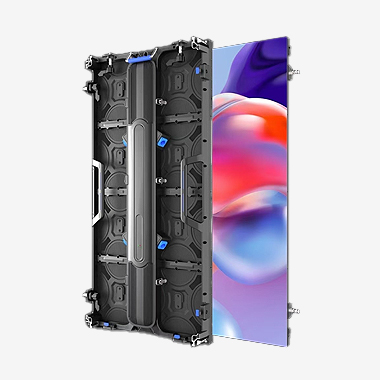
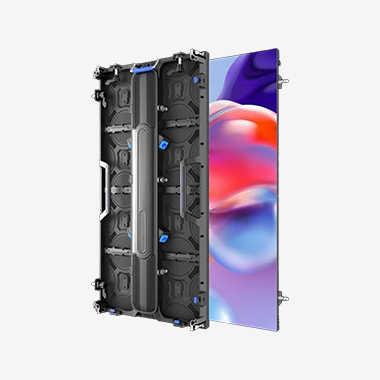
Once the pixel pitch has been determined, the next step is to select the appropriate LED modules. LED modules are pre - fabricated units that contain a matrix of LEDs, along with the necessary circuitry for power supply and signal processing. These modules come in various sizes and configurations, allowing for flexibility in screen design. When choosing LED modules, factors such as brightness, color accuracy, and viewing angle need to be considered to ensure optimal visual performance.
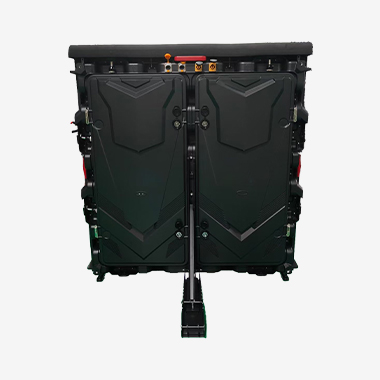
The construction of the LED video wall involves assembling the selected LED modules into a seamless display. This process typically requires the use of specialized mounting structures and frames to support the weight of the modules and ensure a flat, even surface. In some cases, a curved or irregular - shaped video wall may be desired, which adds an additional layer of complexity to the construction process. Specialized software and hardware are often used to calibrate and align the LED modules, ensuring that the final display has consistent brightness, color, and image quality across the entire screen.
In addition to the physical construction of the video wall, the design also includes the integration of control systems and software. These systems are responsible for driving the LED modules, processing video signals, and enabling interactive features. Advanced control systems can support a wide range of video input sources, including HDMI, VGA, and SDI, and can also perform functions such as image scaling, rotation, and multi - window display. Software applications are used to manage the content displayed on the video wall, allowing exhibitors to schedule playlists, update content in real - time, and create interactive experiences for visitors.
Indoor LED display video wall screens operate on the principle of electroluminescence, where an electric current passing through a semiconductor material (the LED) causes the emission of light. Each LED in the display matrix can be individually controlled to emit light of different intensities and colors, allowing for the creation of a wide range of visual images.
The basic components of an LED display system include the LED modules, the control system, and the power supply. The LED modules are the building blocks of the video wall, containing the actual LEDs and the necessary circuitry for signal processing and power management. The control system, which can be a standalone device or integrated into a computer, is responsible for receiving video signals from various sources, such as a computer, DVD player, or video camera, and converting them into a format that can be understood by the LED modules. The power supply provides the electrical energy required to drive the LEDs.
When a video signal is received by the control system, it is first digitized and then processed to determine the appropriate brightness and color values for each LED in the display matrix. This information is then sent to the LED modules in the form of electrical signals. Each LED module contains a driver circuit that interprets these signals and controls the current flowing through the individual LEDs. By adjusting the current, the brightness of each LED can be precisely controlled, allowing for the creation of different shades and intensities of light.
To produce a full - color image, each pixel in the LED display typically consists of three individual LEDs: one red, one green, and one blue (RGB). By varying the intensity of these three primary colors, a vast range of colors can be created through a process known as additive color mixing. For example, when the red, green, and blue LEDs are all at full intensity, white light is produced. When only the red and green LEDs are on at full intensity, yellow light is created. This ability to precisely control the color and brightness of each pixel enables the LED display to reproduce high - quality, true - to - life images.
In addition to static image display, modern indoor LED display video wall screens also support dynamic video playback. The control system is capable of processing video frames at high speeds, typically 30 or 60 frames per second, to ensure smooth and fluid motion. Some advanced LED displays also incorporate features such as high - refresh rates, which reduce flicker and improve the clarity of fast - moving images, making them ideal for applications such as sports event broadcasts and action - packed video presentations in exhibitions.
Advantages
One of the most significant advantages of indoor LED display video wall screens is their superior visual quality. With high - resolution displays, excellent color accuracy, and wide viewing angles, LED video walls can present stunning visuals that captivate audiences. The ability to display high - definition content, including 4K and even 8K resolution, ensures that every detail is vividly presented, whether it's a product demonstration, a video art piece, or a corporate branding video.
Another major advantage is the flexibility of LED video walls. They can be customized to fit any exhibition space, regardless of its shape or size. Whether it's a small, intimate booth or a large, open - concept exhibition hall, LED modules can be arranged in various configurations, including flat, curved, or irregular shapes. This flexibility allows exhibitors to create unique and eye - catching displays that stand out from the competition.
LED display video wall screens also offer long - term durability and low maintenance requirements compared to some other display technologies. LEDs have a long lifespan, typically lasting up to 100,000 hours or more, which means they can be used continuously for many years without significant degradation in performance. Additionally, since LED displays do not have a backlight or other components that are prone to failure, the need for frequent repairs and replacements is minimized.
Energy efficiency is another key advantage of LED technology. LEDs consume less power than traditional display technologies such as LCDs or CRTs, making them more environmentally friendly and cost - effective in the long run. The ability to control the brightness of each individual LED also allows for further energy savings, as the display can be adjusted according to the ambient lighting conditions and the specific requirements of the content being displayed.
Interactive capabilities are becoming increasingly common in indoor LED display video wall screens. With the integration of touch - screen technology, motion sensors, and other input devices, exhibitors can create engaging and interactive experiences for visitors. For example, visitors can touch the screen to explore product details, play interactive games, or access additional information, enhancing their overall exhibition experience.
Challenges
Despite their many advantages, indoor LED display video wall screens also face several challenges. The initial investment cost of an LED video wall can be quite high, especially for large - scale displays with high - resolution and advanced features. This includes the cost of the LED modules, control systems, mounting structures, and installation services. For smaller exhibitors or those on a tight budget, this high upfront cost can be a significant barrier to adoption.
Technical installation of LED video walls requires specialized skills and knowledge. Incorrect installation can lead to issues such as uneven brightness, color discrepancies, and poor image quality. Ensuring proper alignment of the LED modules, correct connection of the control systems, and reliable power supply are all critical aspects of the installation process. This often requires the services of professional installers, which can add to the overall cost.
Regular maintenance is also necessary to keep the LED video wall in optimal condition. Over time, individual LEDs may fail, or the display may experience issues with color calibration or brightness uniformity. Maintenance tasks may include replacing faulty LED modules, cleaning the screen to remove dust and debris, and performing software updates to ensure the control system is functioning properly. While the maintenance requirements of LED displays are relatively low compared to some other technologies, they still represent an ongoing cost and effort for exhibition organizers.
Compatibility issues can also arise when integrating LED video walls with other exhibition technologies and systems. For example, ensuring seamless compatibility with different video input sources, audio systems, and control software can be a complex task. This requires careful planning and testing during the design and installation phases to avoid any technical glitches during the exhibition.
Applications
Indoor LED display video wall screens have a wide range of applications in the exhibition industry. In trade shows, they are used to showcase products, services, and brand stories in a visually compelling way. Exhibitors can use LED video walls to display product demonstrations, customer testimonials, and marketing videos, attracting potential customers to their booths. For example, a car manufacturer may use an LED video wall to display high - resolution images and videos of their latest vehicle models, highlighting features such as design, performance, and safety.
In art exhibitions, LED video walls provide a new medium for artists to showcase their digital artworks. Artists can create immersive video installations that engage viewers on a deeper level, using the large - format display and high - quality visuals of LED screens to create a truly unique art experience. These installations can incorporate elements such as sound, motion, and interactivity, blurring the boundaries between traditional art forms and digital media.
Corporate events and conferences also benefit greatly from indoor LED display video wall screens. They can be used to display keynote speeches, presentations, and live event feeds, ensuring that all attendees have a clear view of the content. Additionally, LED video walls can be used for branding purposes, displaying corporate logos, slogans, and promotional messages throughout the event space.
Museum exhibitions are increasingly using LED video walls to enhance the visitor experience. These screens can be used to display historical videos, 3D reconstructions of artifacts, and interactive educational content. For example, a history museum may use an LED video wall to show a virtual tour of an ancient city, allowing visitors to explore the architecture, culture, and daily life of the past in a more immersive way.
Future Trends
The future of indoor LED display video wall screens in exhibitions looks promising, with several exciting trends on the horizon. One of the key trends is the continued development of higher - resolution displays. As technology advances, we can expect to see more widespread adoption of 8K and even higher - resolution LED video walls, offering even more detailed and lifelike visuals. This will be particularly beneficial for applications such as virtual reality (VR) and augmented reality (AR) experiences in exhibitions, where high - resolution displays are essential for creating a truly immersive environment.
Another trend is the integration of artificial intelligence (AI) and machine learning (ML) technologies into LED display systems. AI and ML can be used to optimize the performance of LED video walls, such as automatically adjusting the brightness and color settings based on the ambient lighting conditions or the type of content being displayed. These technologies can also be used for content management, analyzing visitor behavior and preferences to deliver more personalized and engaging experiences.
The trend towards more flexible and modular LED display designs is also likely to continue. Future LED video walls may be even easier to install, reconfigure, and expand, allowing exhibitors to adapt their displays to different exhibition spaces and changing requirements more quickly and cost - effectively. Additionally, we can expect to see more innovative form factors, such as transparent LED displays and flexible LED skins, which will open up new possibilities for creative exhibition design.
The increasing demand for sustainable and energy - efficient technologies will also drive the development of LED display video wall screens. Manufacturers are likely to focus on developing more energy - saving features, such as intelligent power management systems, and using more environmentally friendly materials in the production of LED displays. This will not only reduce the environmental impact of LED video walls but also lower the operating costs for exhibition organizers.
Conclusion
In conclusion, indoor LED display video wall screens have become an essential component of modern exhibitions, offering a powerful combination of high - quality visuals, flexibility, and interactivity. Their ability to create immersive and engaging experiences for visitors has made them a preferred choice for exhibitors across various industries.
Despite the challenges associated with high initial investment costs, technical installation, and maintenance, the numerous advantages of LED video walls, including superior visual quality, long - term durability, and energy efficiency, make them a worthwhile investment for exhibition organizers. The wide range of applications in trade shows, art exhibitions, corporate events, and museums further demonstrates their versatility and importance in the exhibition industry.
Looking to the future, the continued development of LED display technology, including higher - resolution displays, integration of AI and ML, more flexible designs, and greater sustainability, will undoubtedly lead to even more innovative and impactful uses of indoor LED display video wall screens in exhibitions. As the exhibition industry continues to evolve, LED video walls will play an increasingly crucial role in shaping the future of visual communication and audience engagement, providing exhibitors with new and exciting ways to showcase their products, services, and ideas.


Copyright © 2026 Shenzhen Cogo Technology Co.,Ltd.
All Rights Reserved

 Previous article