




 Chat Now
High brightness exterior LED display screens have revolutionized the way information is communicated and advertised in public spaces. These large - scale visual display systems utilize light - emitting diodes (LEDs) to create vibrant, high - resolution images and videos that can be seen clearly even in direct sunlight.
The demand for high brightness exterior LED displays has surged in recent years, driven by the growth of urbanization, the expansion of the advertising industry, and the increasing need for effective public communication. These displays are no longer just a means of advertising; they have become an integral part of modern urban landscapes, serving various purposes such as public information dissemination, event promotion, and entertainment.
One of the key features of high brightness exterior LED display screens is their ability to produce extremely high luminance levels. Typically, these displays can achieve brightness levels ranging from 5,000 to 15,000 nits, which is significantly higher than that of indoor LED displays or traditional LCD screens. This high brightness ensures that the content on the screen remains visible and legible, regardless of the ambient lighting conditions.
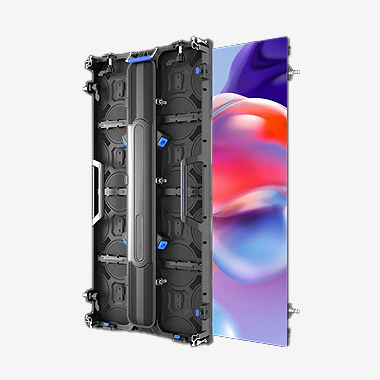
In terms of size, high brightness exterior LED displays can vary greatly, from relatively small signs to massive video walls that cover the entire facade of a building. The modular design of LED displays allows for easy customization of size and shape, making them suitable for a wide range of applications.
Another important aspect is the color reproduction of these displays. High - end exterior LED displays are capable of displaying a wide color gamut, providing vivid and accurate colors that can attract the attention of viewers. This is crucial for advertising and entertainment applications, where visual appeal is of utmost importance.
The design and construction of high brightness exterior LED display screens involve several key components and considerations. The first and most crucial component is the LED module. LED modules are the building blocks of an LED display, consisting of multiple individual LEDs mounted on a printed circuit board (PCB).
When designing the LED modules, factors such as LED type, pixel pitch, and module size need to be carefully considered. The choice of LED type depends on various requirements, such as brightness, color accuracy, and lifespan. Different LED manufacturers offer a variety of LEDs with different characteristics, and selecting the right one is essential for achieving the desired performance of the display.
Pixel pitch, which refers to the distance between adjacent pixels on the display, plays a significant role in determining the resolution and viewing distance of the screen. For exterior displays, a larger pixel pitch is often preferred, as these displays are usually viewed from a greater distance. However, as the demand for higher - resolution exterior displays increases, manufacturers are also developing LED modules with smaller pixel pitches while maintaining high brightness levels.
The size of the LED module affects the overall installation process and the flexibility of the display design. Smaller modules offer more flexibility in creating custom - shaped displays, while larger modules can reduce the installation time and cost.
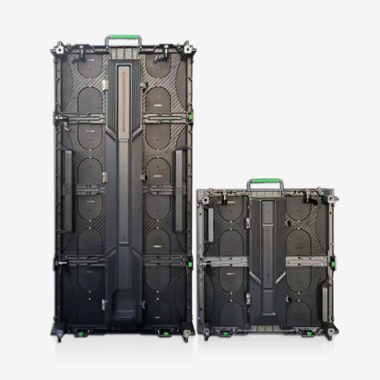
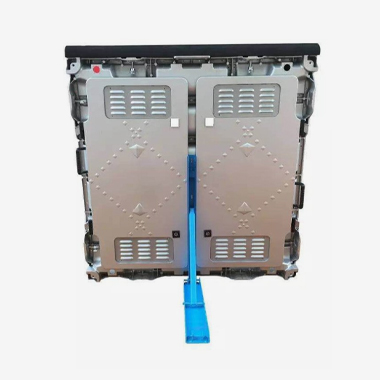
The frame and structure of the LED display are also important elements in its construction. The frame needs to be strong and durable to support the weight of the LED modules and withstand various environmental conditions, such as wind, rain, and extreme temperatures. Aluminum or steel frames are commonly used, as they offer good strength - to - weight ratios.
In addition, the display needs to be equipped with a proper heat dissipation system. LEDs generate heat during operation, and if the heat is not dissipated effectively, it can reduce the lifespan and performance of the LEDs. Heat sinks, fans, and even liquid - cooling systems are used to ensure that the temperature of the LEDs remains within an acceptable range.
The electrical and control systems of the LED display are responsible for driving the LEDs and sending the image and video data to the screen. These systems include power supplies, control cards, and signal transmission cables. High - quality electrical components are required to ensure stable operation and reliable performance of the display.
The working principle of high brightness exterior LED display screens is based on the properties of light - emitting diodes. LEDs are semiconductor devices that emit light when an electric current passes through them. Each LED consists of a p - type and an n - type semiconductor material. When a voltage is applied across the LED, electrons from the n - type material combine with holes in the p - type material, releasing energy in the form of photons, which results in the emission of light.
In an LED display, multiple LEDs are arranged in a matrix pattern to form pixels. Each pixel typically consists of three LEDs: one red, one green, and one blue (RGB). By varying the intensity of these three primary colors, a wide range of colors can be created through the process of additive color mixing.
The control system of the LED display is responsible for driving the LEDs and controlling their brightness. It receives image and video data from a source, such as a computer or a media player, and converts this data into electrical signals that can be understood by the LEDs. The control cards then send these signals to the individual LED modules, telling each LED when to turn on, off, and at what intensity.
Modern LED displays also use advanced technologies such as pulse - width modulation (PWM) to control the brightness of the LEDs. PWM works by rapidly turning the LEDs on and off at a high frequency. By varying the duty cycle (the proportion of time the LED is on within a given period), the average brightness of the LED can be adjusted. This method allows for smooth and accurate brightness control, resulting in high - quality images and videos.
In addition, the display's refresh rate is an important factor in its performance. The refresh rate determines how often the image on the screen is updated. A higher refresh rate ensures that moving images appear smooth and without any flicker, which is especially important for applications such as video playback and live sports broadcasts.
High brightness exterior LED display screens offer numerous advantages that have contributed to their widespread adoption. One of the most significant advantages is their high visibility. As mentioned earlier, the high brightness levels of these displays make them easily visible in various lighting conditions, including direct sunlight. This makes them an ideal choice for outdoor advertising, as they can effectively attract the attention of passers - by.
Another advantage is their energy efficiency. Compared to traditional outdoor display technologies such as neon lights or large - format projection systems, LED displays consume less energy. LEDs convert a higher percentage of electrical energy into light, reducing energy waste and operating costs. This energy - saving feature is not only beneficial for businesses but also in line with the global trend towards sustainable development.
LED displays also have a long lifespan. With proper maintenance, an LED display can last for 100,000 hours or more. This means that they require less frequent replacement compared to other display technologies, reducing maintenance costs over time.
The flexibility of LED displays is another major advantage. Their modular design allows for easy customization of size, shape, and resolution. This makes them suitable for a wide range of applications, from small storefront signs to large - scale stadium video walls. Additionally, LED displays can be easily updated with new content, providing a dynamic and engaging visual experience.
However, high brightness exterior LED display screens also face several challenges. One of the main challenges is the high initial cost. The purchase and installation of a large - scale LED display can be quite expensive, which may be a barrier for some businesses or organizations with limited budgets.
Another challenge is the harsh outdoor environment. LED displays are exposed to various weather conditions, such as rain, snow, dust, and extreme temperatures. These conditions can affect the performance and lifespan of the display. To address this, LED displays need to be designed with high - quality materials and proper protection mechanisms, such as waterproof enclosures and anti - corrosion coatings.
The maintenance of LED displays also requires technical expertise. Although they have a long lifespan, occasional maintenance may still be required, such as cleaning the screen, replacing faulty LED modules, and checking the electrical and control systems. Finding qualified technicians for maintenance can be a challenge in some areas.
High brightness exterior LED display screens have a wide range of applications across various industries. In the advertising industry, they are used for billboards, storefront displays, and promotional events. These displays can attract the attention of consumers, increase brand awareness, and drive sales.
In the transportation sector, LED displays are used for traffic information boards, train and bus station announcements, and airport flight information displays. They provide real - time information to passengers, improving the efficiency and convenience of transportation systems.
In the entertainment industry, LED displays are widely used in stadiums, concert halls, and theme parks. They enhance the viewing experience of spectators by providing large - scale, high - definition images and videos during live events.
For public information dissemination, LED displays are installed in public squares, government buildings, and community centers. They can be used to display news, announcements, and public service information, keeping the public informed.
Looking towards the future, several trends are emerging in the field of high brightness exterior LED display screens. One of the major trends is the continuous improvement in resolution. As the demand for more detailed and immersive visual experiences increases, manufacturers are developing LED displays with smaller pixel pitches, enabling higher - resolution images and videos.
Another trend is the integration of smart technologies. LED displays are becoming more intelligent, with features such as remote control, content management systems, and sensors. These smart features allow for easier operation, more targeted advertising, and better interaction with the audience.
The use of new materials and manufacturing techniques is also expected to drive the development of LED displays. For example, the development of flexible and transparent LED displays could open up new applications in architecture, interior design, and consumer electronics.
In addition, the focus on energy - saving and environmental - friendly technologies will continue. Manufacturers are exploring ways to further reduce the energy consumption of LED displays and develop more sustainable manufacturing processes.
Conclusion
High brightness exterior LED display screens have become an essential part of modern urban life, offering a powerful and effective way to communicate information and attract attention. Their high visibility, energy efficiency, long lifespan, and flexibility make them a preferred choice for a wide range of applications.
However, the high initial cost, harsh outdoor environment, and maintenance requirements are challenges that need to be addressed. With the continuous development of technology, the future of high brightness exterior LED display screens looks promising. Trends such as higher resolution, smart integration, new materials, and energy - saving technologies will further enhance their performance and expand their applications.
As these displays continue to evolve, they will play an even more important role in advertising, information dissemination, entertainment, and other fields, shaping the visual landscape of our cities and enhancing the way we interact with the world around us.


Copyright © 2026 Shenzhen Cogo Technology Co.,Ltd.
All Rights Reserved

 Previous article