Author: sznbone Release date: Jan 26, 2026
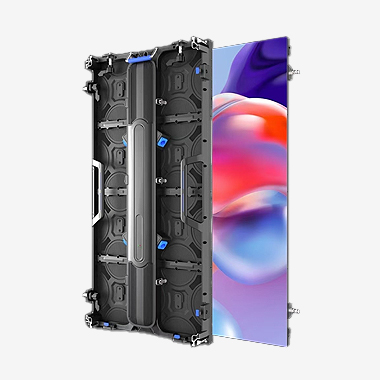
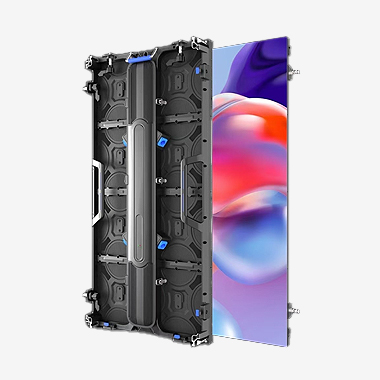
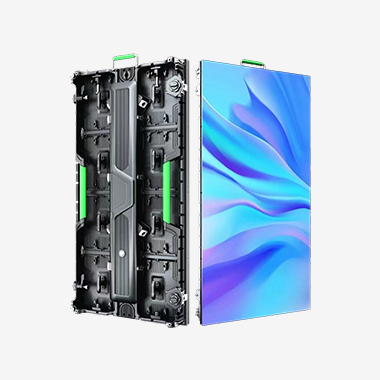
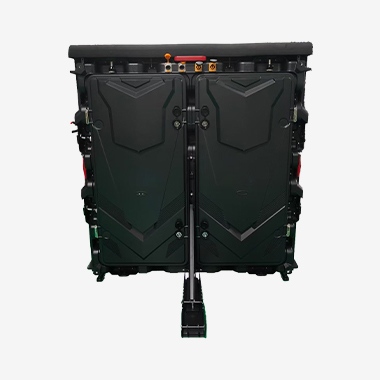
In the era of visual experience upgrading, 4K resolution has become the standard for high-definition display, and ultra-thin design has become a key trend in the development of indoor display devices. The combination of these two features has given birth to ultra-thin LED indoor fixed screens with 4K resolution, which are widely used in various indoor scenarios such as home theaters, commercial displays, corporate lobbies, and cultural venues. Unlike traditional thick display screens, ultra-thin 4K LED indoor fixed screens feature a sleek and compact design while delivering stunningly clear images, redefining the visual experience and spatial integration of indoor display equipment.
The 4K resolution of ultra-thin LED indoor fixed screens is one of their core competitive advantages. 4K resolution, also known as 3840×2160 pixels, has four times the number of pixels of 1080P full HD resolution, enabling the screen to present extremely detailed images. Every texture, line, and color gradient in the displayed content can be reproduced with unparalleled clarity, whether it is a high-definition movie, a detailed design drawing, a realistic game scene, or a high-precision data chart. For home theater enthusiasts, 4K resolution brings a cinema-level viewing experience, allowing them to enjoy the delicate details and vivid colors of movies in the comfort of their own homes. For commercial scenarios such as shopping mall advertising screens and corporate lobby displays, 4K resolution ensures that promotional videos and brand images are presented in high quality, attracting the attention of audiences and enhancing the effectiveness of information dissemination.
The ultra-thin design of these LED screens is another major highlight, which is achieved through advancements in LED chip technology, structural design, and material selection. The thickness of ultra-thin 4K LED indoor fixed screens is usually controlled within 5cm to 10cm, which is much thinner than traditional LCD screens and LED screens. This ultra-thin design not only saves space but also enhances the aesthetic appeal of the screen, making it suitable for various indoor environments where space is limited or where a minimalist style is pursued. For example, in home environments, the ultra-thin screen can be mounted on the wall like a painting, integrating with the home decor without taking up valuable floor space. In corporate lobbies and hotels, the ultra-thin screen can be installed in narrow spaces or embedded in the wall, creating a high-end and elegant visual effect that enhances the overall image of the venue.
In addition to 4K resolution and ultra-thin design, ultra-thin LED indoor fixed screens also possess excellent color performance and viewing angles. To match the high resolution, these screens adopt high-quality SMD LED chips with a wide color gamut and high color accuracy. The color gamut can cover up to 98% of the DCI-P3 color space, which is close to the color range of professional movie projectors, ensuring that colors are vivid, natural, and true to life. Whether it is the bright colors of a animated movie or the subtle color transitions of a documentary, the screen can reproduce them perfectly. Meanwhile, the wide viewing angle feature (usually 178° horizontal and vertical viewing angles) ensures that audiences can enjoy clear and consistent images from any position in the room, without color distortion or image blurring. This is particularly important for commercial venues with a large number of audiences, such as conference halls and exhibition centers, where every audience member needs to have a good viewing experience.
Intelligent control and connectivity are also important features of ultra-thin 4K LED indoor fixed screens. Modern models support a variety of connection methods, including HDMI 2.1, USB-C, Wi-Fi, and Bluetooth, enabling seamless connection with computers, game consoles, set-top boxes, mobile devices, and other intelligent equipment. HDMI 2.1 supports high-speed data transmission, ensuring smooth playback of 4K ultra-high-definition videos at 60 frames per second, without lag or stuttering. For game enthusiasts, this means a more immersive gaming experience, with fast response times and clear image quality. Additionally, many ultra-thin 4K LED screens are equipped with intelligent control systems, allowing users to adjust screen parameters, switch content, and perform other operations through mobile apps or voice commands, enhancing user convenience.
Energy efficiency and durability are also key considerations in the design of ultra-thin 4K LED indoor fixed screens. With the increasing emphasis on environmental protection and energy conservation, these screens adopt energy-efficient LED chips and intelligent backlight control technology, which can significantly reduce power consumption compared to traditional display devices. The average power consumption of a 55-inch ultra-thin 4K LED screen is usually between 80W and 120W, which is much lower than that of a same-sized LCD screen. Moreover, the LED chips have a long lifespan of more than 100,000 hours, ensuring stable operation for many years without frequent replacement. The screen body is made of high-strength materials, which are resistant to impact, scratch, and corrosion, adapting to the long-term use needs of various indoor environments.
The application scenarios of ultra-thin 4K LED indoor fixed screens are diverse and continue to expand. In the home entertainment field, they are ideal for home theaters, providing a immersive viewing experience for movies, TV shows, and games. In the commercial field, they are used in shopping mall advertising screens, hotel lobby displays, restaurant menu boards, and corporate meeting rooms, delivering high-quality information dissemination and brand promotion. In the cultural and educational field, they are applied in museums, art galleries, and classrooms, displaying cultural relics, artworks, and teaching materials in high definition, enhancing the audience's understanding and experience. In the medical and design fields, they are used to display medical images, design drawings, and other high-precision content, providing accurate visual support for professional work.
When purchasing an ultra-thin 4K LED indoor fixed screen, users need to consider several factors according to their specific needs. First, the screen size should be selected based on the viewing distance and the size of the installation space. For home theaters with a viewing distance of 2-3 meters, a 55-inch to 65-inch screen is recommended; for large commercial venues, a larger screen or a spliced screen can be selected. Second, the brightness and contrast ratio should be considered according to the ambient light conditions. For bright indoor environments, a screen with higher brightness (above 600cd/㎡) is suitable; for dark environments such as home theaters, a screen with moderate brightness and high contrast ratio is preferred. Third, the brand and after-sales service are important guarantees for product quality. Choosing a well-known brand with a good reputation can ensure the stability and reliability of the screen, and timely after-sales support can solve problems encountered during use.
In summary, ultra-thin LED indoor fixed screens with 4K resolution represent the advanced level of indoor display technology, combining high-definition image quality, sleek design, intelligent features, and energy efficiency. They not only meet the growing demand for high-quality visual experiences in various indoor scenarios but also drive the innovation and development of the display industry. As technology continues to progress, ultra-thin 4K LED indoor fixed screens will further reduce their thickness, improve their performance, and expand their application scope, bringing more wonderful visual experiences to people's lives and work.


Copyright © 2026 Shenzhen Cogo Technology Co.,Ltd.
All Rights Reserved

 Previous article