Author: sznbone Release date: Dec 01, 2025
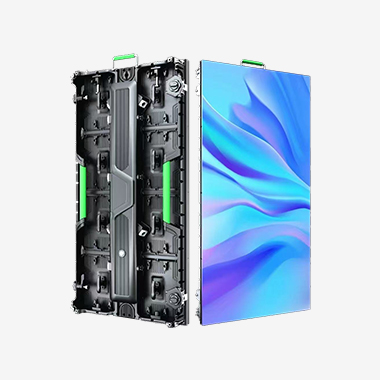
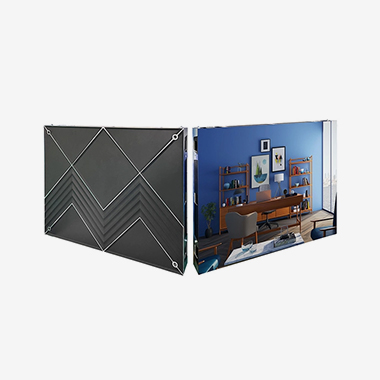
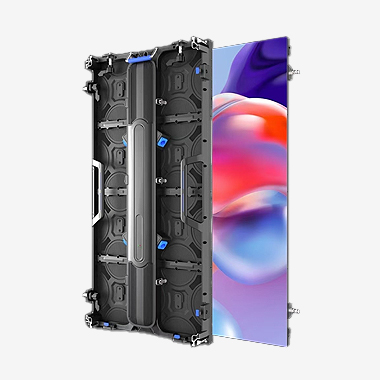
LED screen school displays transform traditional classrooms, auditoriums, cafeterias, and hallways into dynamic, interactive learning ecosystems, catering to students of all ages—from kindergarten to university. Unlike outdated chalkboards or basic projectors, school LED screens offer high resolution (4K or higher) for sharp text and detailed visuals, touch functionality for hands-on engagement, and compatibility with educational software (e.g., interactive whiteboards, virtual labs), making lessons more immersive.
In classrooms, teachers use LED screens to bring abstract concepts to life. For example, a science teacher can display 3D animations of cell division or live-stream a NASA lecture, while a language teacher can play subtitled videos and annotate text directly on the screen to explain grammar rules. Touch-screen capabilities let students collaborate on group projects—solving math problems or creating digital presentations—directly on the screen, fostering teamwork and critical thinking. In auditoriums, large LED screens enhance assemblies, guest lectures, or school plays by displaying close-up footage of speakers or performers, ensuring visibility even for students in the back rows.
Beyond classrooms, LED screens in cafeterias and hallways serve as informational hubs. They display daily menus, upcoming events (sports games, parent-teacher conferences), or important announcements (weather-related closures, scholarship deadlines). For universities, campus-wide LED networks can share exam schedules, library hours, or research highlights, keeping students informed across multiple buildings. Many school LED systems also support remote learning integration, allowing hybrid classes to stream lectures to both in-person and online students with consistent quality. By blending education with technology, LED screen school displays create more inclusive, engaging learning environments that prepare students for digital-focused futures.


Copyright © 2026 Shenzhen Cogo Technology Co.,Ltd.
All Rights Reserved

 Previous article