Author: sznbone Release date: Nov 18, 2025
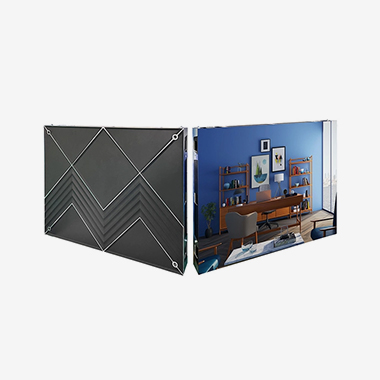
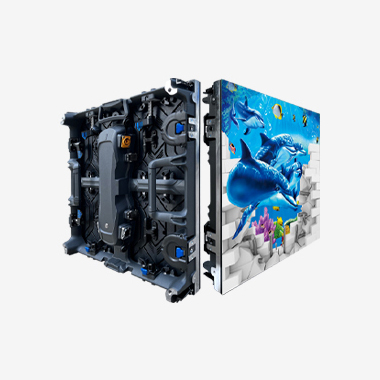
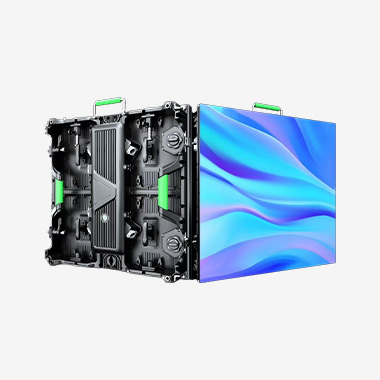
An LED screen mask, also known as a “front mask” or “display bezel,” is a protective and aesthetic component that covers the front surface of an LED display—shielding the LED chips, PCB, and internal components from physical damage, dust, and environmental factors while enhancing the visual experience. Unlike generic screen protectors, LED screen masks are custom-designed to match the pixel pitch and size of the LED modules, ensuring that they do not obscure the display or distort colors. They are available in various materials, textures, and colors, with designs tailored to indoor or outdoor applications—from clear, anti-glare masks for indoor retail displays to rugged, weather-resistant masks for outdoor billboards.
The primary functions of an LED screen mask are protection, visual optimization, and aesthetic enhancement.
Protection: The mask acts as a barrier against physical damage, such as scratches from cleaning tools, impacts from debris (in outdoor settings), or accidental contact (in high-traffic areas like malls or airports). For outdoor screens, masks are often made of tempered glass or polycarbonate with an IP65 or higher waterproof rating, preventing rain, snow, or dust from entering the LED modules and causing electrical damage.
Visual Optimization: High-quality masks are engineered to reduce glare, reflections, and light diffusion—ensuring that the display remains visible and color-accurate in different lighting conditions. Indoor masks may include an anti-glare (AG) coating that scatters ambient light, preventing reflections from overhead lights or windows that can wash out the display. Outdoor masks, by contrast, may have an anti-reflective (AR) coating that minimizes sunlight glare, allowing the high-brightness LED chips to remain visible even in direct sunlight.
Aesthetic Enhancement: The mask covers the gaps between LED modules and the edges of the PCB, creating a seamless, uniform front surface that improves the overall appearance of the display. Masks can be customized to match the surrounding environment—for example, a black mask is often used for indoor screens to enhance contrast (by absorbing ambient light), while a clear or white mask may be used for transparent LED screens to maintain visibility through the display.
The material of an LED screen mask is chosen based on the application and performance requirements:
Tempered Glass: Used for high-end indoor and outdoor screens, tempered glass is scratch-resistant, impact-resistant (up to 5 times stronger than regular glass), and optically clear—ensuring minimal color distortion. It is ideal for applications where durability and visual clarity are paramount, such as museum exhibits, luxury retail displays, or outdoor billboards in high-traffic areas.
Polycarbonate: A lightweight, shatterproof plastic material used for portable or temporary LED screens (e.g., rental screens for concerts or trade shows). Polycarbonate is more flexible than glass, making it easier to transport and install, and it has good impact resistance—though it is more prone to scratches than tempered glass (so it is often coated with a scratch-resistant layer).
Acrylic (PMMA): A cost-effective alternative to glass and polycarbonate, acrylic is lightweight, clear, and easy to mold into custom shapes. It is suitable for indoor screens with low to moderate traffic, such as office displays or small retail signs, but it is less durable than polycarbonate and can yellow over time with exposure to UV light (so it is not recommended for outdoor use).
Mask design also takes into account the pixel pitch of the LED modules. For small pixel pitches (≤2.5mm), the mask must have ultra-narrow gaps between the “windows” (the areas above the LED chips) to avoid blocking the light or creating a “screen door effect” (visible gaps between pixels). For larger pixel pitches (≥5mm), the mask may have wider windows or a grid pattern that enhances the structural integrity without affecting visibility.
Installation of an LED screen mask is a precise process— the mask must be aligned perfectly with the LED modules to ensure that each pixel is fully visible and that there are no gaps or overlaps. Many masks use a magnetic or snap-on design for easy installation and removal, allowing for quick maintenance of the LED modules (e.g., replacing a faulty module without removing the entire mask).
Innovations in LED screen mask technology are focused on improving visual performance and durability. For example, some manufacturers now offer “invisible” masks with ultra-thin materials and minimal bezels that blend seamlessly with the display, while others are developing self-cleaning masks with hydrophobic coatings that repel dirt, rain, and fingerprints—reducing maintenance costs for outdoor screens.
In conclusion, LED screen masks are a critical component that balances protection, visual performance, and aesthetics. Their design directly impacts the durability and user experience of the LED display, making them an essential consideration in the planning and installation of any LED screen system.


Copyright © 2026 Shenzhen Cogo Technology Co.,Ltd.
All Rights Reserved

 Previous article