Author: sznbone Release date: Mar 27, 2026
Theme parks are immersive entertainment destinations designed to transport visitors into magical worlds, and every element of the park—from rides and attractions to signage and advertising—plays a role in creating a memorable experience. LED outdoor fixed screens have emerged as a vital component of theme park advertising, offering a dynamic, versatile, and visually striking way to promote attractions, events, merchandise, and partnerships. Unlike traditional static billboards or signs, LED screens can deliver dynamic content that aligns with the park’s theme, enhances the visitor experience, and drives revenue through targeted advertising and promotions. Whether installed at park entrances, along walkways, near attractions, or in dining areas, LED outdoor fixed screens have revolutionized how theme parks communicate with visitors and monetize their spaces.
One of the key advantages of LED outdoor fixed screens for theme park advertising is their ability to integrate seamlessly with the park’s thematic environment. Theme parks are designed around distinct themes—such as fantasy, adventure, sci-fi, or historical eras—and advertising content must complement these themes to maintain immersion. LED screens allow for full customization of content, enabling parks to display theme-aligned visuals, animations, and messages that blend with the surrounding decor. For example, a fantasy-themed park can use LED screens to display animated dragons, magical landscapes, or character interactions that reinforce the theme, while a sci-fi park can feature futuristic graphics, spaceship animations, or alien worlds. This integration ensures that advertising does not disrupt the visitor’s immersive experience but instead enhances it, making the content more engaging and memorable. Additionally, LED screens can be designed to match the park’s architectural style—for instance, medieval-themed parks may use screens with stone-like frames, while modern sci-fi parks may opt for sleek, futuristic cabinet designs.
Versatility in content delivery is another critical feature of LED outdoor fixed screens for theme park advertising. Theme parks host a wide range of events and promotions throughout the year, including seasonal events (Halloween, Christmas, summer festivals), new attraction launches, character meet-and-greets, and limited-time offers. LED screens allow parks to update content in real-time, ensuring that visitors receive the latest information and promotions. For example, a park can use screens to announce wait times for popular rides, promote upcoming parades or shows, or highlight special offers at retail stores and restaurants. During seasonal events, the content can be fully customized to match the event’s theme—such as spooky visuals for Halloween or festive animations for Christmas. LED screens also support interactive content, such as touchscreens or motion-sensing displays, which encourage visitor engagement. For instance, a screen near a kids’ area can feature interactive games or character quizzes, keeping children entertained while promoting related merchandise or attractions. Furthermore, LED screens can broadcast live content, such as parades, shows, or special events, allowing visitors who are unable to attend the event in person to still experience it, enhancing overall visitor satisfaction.
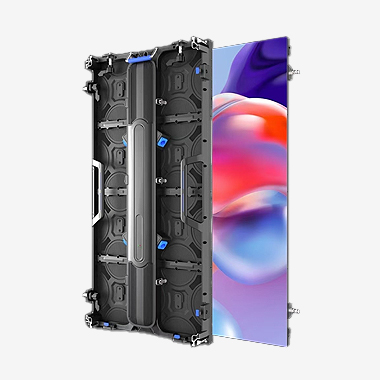
Durability and reliability are essential for LED outdoor fixed screens in theme parks, as they are exposed to high foot traffic, harsh weather conditions, and constant use. Theme parks operate year-round, often in environments with extreme temperatures, rain, snow, dust, and UV radiation. To withstand these conditions, LED screens for theme parks are built with rugged materials and advanced protection technologies. The screen modules feature IP65 or higher waterproof and dustproof ratings, preventing moisture and debris from damaging internal components. The LED chips and driver ICs are selected for their durability and long lifespan, ensuring stable performance even with continuous operation (theme parks often operate 10-12 hours a day). The cabinet structure is made of lightweight yet strong materials, such as aluminum alloy, which resists corrosion and impact from accidental bumps or harsh weather. Additionally, thermal management systems are integrated to dissipate heat efficiently, preventing overheating and ensuring consistent performance in high-temperature environments. To minimize downtime, LED screens use modular design, allowing individual modules to be replaced quickly if they fail, and remote monitoring systems enable technicians to detect and resolve issues in real-time.
Targeted advertising and revenue generation are key benefits of LED outdoor fixed screens for theme parks. Theme parks attract a diverse audience, including families with children, teenagers, young adults, and tourists, and LED screens allow parks to deliver targeted content to different segments. For example, screens near kids’ attractions can promote children’s merchandise, character meet-and-greets, or family-friendly dining options, while screens near thrill rides can target teenagers and young adults with promotions for fast passes or merchandise. Additionally, LED screens offer opportunities for third-party advertising partnerships, allowing brands to reach a captive and engaged audience. Brands in industries such as food and beverage, toys, clothing, and entertainment are eager to advertise in theme parks, as they can target families and tourists in a positive, immersive environment. Theme parks can generate significant revenue from these partnerships, which can be reinvested into improving attractions, events, and visitor experiences. Furthermore, LED screens can be used to promote the park’s own products and services, such as annual passes, season tickets, or on-site accommodations, increasing sales and customer loyalty.
Image quality and visibility are crucial for ensuring that advertising content captures visitors’ attention in the busy theme park environment. Theme parks are often bright during the day, with sunlight, ride lights, and other visual stimuli competing for visitors’ attention. LED screens for theme park advertising use high-brightness LED chips (typically 6000 nits or higher) to ensure visibility in direct sunlight, and advanced brightness adjustment technology automatically adjusts the screen’s brightness based on ambient light conditions, reducing glare and energy consumption. The screens also feature high resolution, with pixel pitches ranging from 2mm to 10mm, depending on the viewing distance. For screens near walkways or attractions (short viewing distance), smaller pixel pitches are used to deliver sharp, detailed images, while screens at park entrances or large open areas (long viewing distance) use larger pixel pitches to cover more area. Additionally, technologies such as HDR, 4K resolution, and high refresh rates (120Hz+) enhance the visual experience, making content more vivid, immersive, and engaging. For example, a screen promoting a new roller coaster can display high-definition footage of the ride, giving visitors a preview of the experience and building excitement.
Installation and maintenance of LED outdoor fixed screens in theme parks require careful planning to minimize disruption to park operations and ensure visitor safety. The installation process involves coordinating with park management, construction teams, and safety authorities to determine the optimal locations for the screens, considering factors such as foot traffic, viewing angles, and thematic integration. Screens are typically installed during off-peak hours or park closures to avoid disrupting visitors, and temporary barriers or signage are used to ensure safety during installation. The installation includes wiring for power and data transmission, with waterproof and anti-interference measures to ensure stable operation. Maintenance of LED screens in theme parks is streamlined through modular design and remote monitoring. Regular maintenance tasks include cleaning the screen surface to remove dust, dirt, and fingerprints, inspecting the sealing performance to prevent water damage, and checking the thermal management system to ensure optimal operation. Technicians can also perform remote diagnostics to detect issues such as dead pixels or module failures, allowing for quick repairs and minimal downtime.
The future of LED outdoor fixed screens for theme park advertising is shaped by emerging technologies and evolving visitor expectations. One key trend is the integration of AR (Augmented Reality) and VR (Virtual Reality) with LED screens, creating interactive and immersive experiences. For example, a screen near a fantasy attraction can use AR to overlay animated characters onto the real-world environment, allowing visitors to interact with the characters through their mobile devices. Another trend is the use of AI-powered content management systems, which can analyze visitor data (such as age, gender, and behavior) to deliver personalized advertising content. For instance, the system can detect that a family with young children is passing by a screen and display content related to kids’ attractions or merchandise. Additionally, the focus on sustainability is driving the development of energy-efficient LED screens, with low-power chips, solar-powered options, and energy-saving control systems that reduce the park’s carbon footprint. Transparent LED screens are also gaining traction in theme parks, as they allow natural light to pass through while displaying content, making them ideal for use in covered walkways, pavilions, or near windows.
In summary, LED outdoor fixed screens have become an essential tool for theme park advertising, offering a perfect blend of thematic integration, content versatility, durability, and revenue-generating potential. By delivering engaging, targeted, and visually striking content, these screens enhance the visitor experience, promote attractions and events, and create new revenue streams for theme parks. As technology continues to advance, LED screens will become even more interactive, intelligent, and sustainable, further transforming how theme parks communicate with visitors and create immersive entertainment experiences.


Copyright © 2026 Shenzhen Cogo Technology Co.,Ltd.
All Rights Reserved

 Previous article