Author: sznbone Release date: Apr 02, 2026
Hospitals are institutions dedicated to health, healing, and community care, and their exterior design plays a vital role in creating a sense of comfort, trust, and accessibility for patients, visitors, and staff. The LED outdoor fixed screen for hospital exteriors has emerged as a practical and versatile communication tool, serving multiple purposes that enhance the functionality and user experience of the hospital. Unlike the flashy and dynamic screens used in retail or casino settings, hospital LED screens are designed to be informative, calming, and unobtrusive, aligning with the hospital’s mission of providing a healing environment.
The primary function of LED outdoor fixed screens for hospital exteriors is to provide clear, reliable information to patients, visitors, and staff. Hospitals are often large, complex facilities with multiple buildings, departments, and entrances, which can be confusing for first-time visitors. LED screens can display wayfinding information, such as directions to different departments (emergency, outpatient, maternity, etc.), parking locations, and entrance points, helping visitors navigate the hospital premises easily. Additionally, the screens can provide real-time updates, such as wait times for the emergency department, appointment reminders, and changes to visiting hours. This information is crucial for reducing anxiety among patients and visitors, improving their overall experience, and ensuring the smooth operation of the hospital.
Health education and public awareness are another important role of LED outdoor fixed screens in hospital exteriors. Hospitals have a responsibility to promote health and wellness in the community, and LED screens offer an effective platform to share valuable health information. For example, the screen can display tips on disease prevention (such as hand hygiene, vaccination, and healthy eating), information about seasonal illnesses (flu, allergies, etc.), and updates on public health campaigns (COVID-19 guidelines, cancer awareness month, etc.). This content can be tailored to the local community’s needs, helping to educate the public and reduce the incidence of preventable diseases. Additionally, the screen can showcase success stories of patients, highlighting the hospital’s medical expertise and compassionate care, which helps build trust with the community.
Emergency communication is a critical feature of LED outdoor fixed screens for hospital exteriors, as hospitals need to be prepared to respond to emergencies and communicate important information quickly. In the event of a natural disaster, medical emergency, or security incident, the LED screen can display emergency alerts, evacuation instructions, and safety guidelines to patients, visitors, and staff. This real-time communication helps ensure that everyone on the hospital premises is informed and can take appropriate action, minimizing risk and ensuring safety. Additionally, the screen can be integrated with the hospital’s emergency response system, allowing for automatic updates and synchronization with other communication channels (such as public address systems, mobile apps, and social media). This seamless communication is essential for effective emergency management and ensuring the safety of all individuals in the hospital.
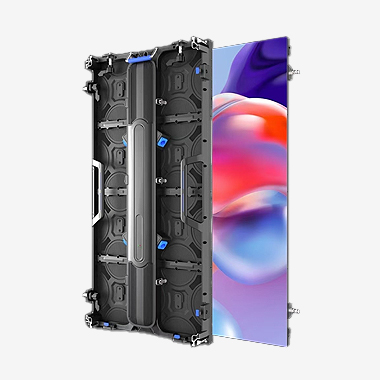
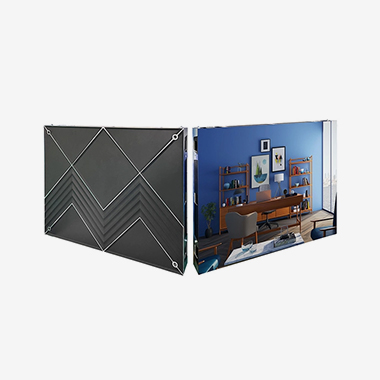
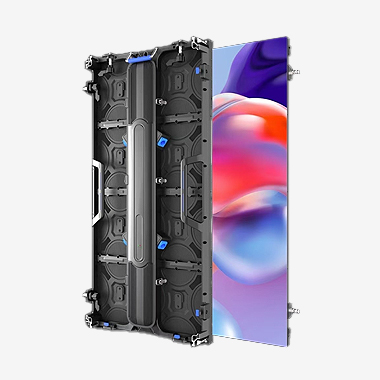
Durability and reliability are essential for LED outdoor fixed screens in hospital exteriors, as these screens must operate continuously and withstand harsh weather conditions. Hospitals operate 24/7, so their exterior screens must be able to function reliably day and night, without interruptions. High-quality LED screens for hospital exteriors are built with industrial-grade components, featuring IP65 or higher waterproof and dustproof ratings to resist rain, snow, dust, and humidity. They also have robust structural designs, with strong casings and mounting systems that can withstand high winds and physical impacts. Advanced thermal management systems prevent overheating in hot climates, while low-temperature protection ensures the screen operates normally in cold weather. Additionally, these screens have long lifespans (50,000 to 100,000 hours) and low maintenance requirements, reducing downtime and ensuring that critical information is always available.
Aesthetics and environmental harmony are important considerations for hospital exteriors, as the hospital environment should be calming and healing. LED outdoor fixed screens for hospitals are designed to be unobtrusive and blend with the hospital’s architectural style, avoiding bright, flashy visuals that may cause stress or distraction. The screens can be customized in size, shape, and color to match the hospital’s exterior design, with options for subtle frames and neutral colors. Additionally, the brightness of the screen can be adjusted automatically to match the time of day, reducing glare at night and ensuring that the screen is not overly bright, which could disrupt patients’ sleep or cause discomfort. The content displayed on the screen is also carefully curated to be calming and informative, with soft colors, clear fonts, and simple visuals that are easy to read and understand.
Energy efficiency is another key advantage of LED outdoor fixed screens for hospital exteriors. Hospitals are large energy consumers, and reducing energy usage is not only cost-effective but also aligned with environmental sustainability goals. LED screens are highly energy-efficient, consuming significantly less power than traditional lighting or display systems. Modern LED screens feature energy-saving technologies such as automatic brightness adjustment, which reduces power consumption when natural light is sufficient, and low-power standby modes. Additionally, LED screens have a long lifespan, reducing the need for frequent replacements and minimizing electronic waste. This energy efficiency helps hospitals reduce their carbon footprint and operational costs, allowing them to allocate more resources to patient care.
Integration with the hospital’s existing systems is essential for maximizing the functionality of LED outdoor fixed screens. These screens can be integrated with the hospital’s electronic health record (EHR) system, appointment scheduling system, and emergency response system, allowing for seamless data sharing and real-time updates. For example, the screen can automatically display changes to appointment times or emergency department wait times based on data from the hospital’s systems. Additionally, the screen can be controlled remotely by hospital staff, allowing them to update content, adjust settings, and monitor performance from a central location. This integration improves the efficiency of the hospital’s operations and ensures that the information displayed on the screen is accurate and up-to-date.
In conclusion, LED outdoor fixed screens for hospital exteriors are a valuable tool for improving communication, enhancing patient experience, promoting health education, and ensuring emergency preparedness. With their durability, reliability, energy efficiency, and ability to blend with the hospital’s environment, these screens serve as a practical and versatile addition to hospital facilities. As healthcare continues to evolve, LED screens will play an increasingly important role in connecting hospitals with their communities, providing critical information, and creating a more accessible and healing environment for all.


Copyright © 2026 Shenzhen Cogo Technology Co.,Ltd.
All Rights Reserved

 Previous article