Author: sznbone Release date: May 22, 2026
Photography exhibitions are a celebration of visual art, showcasing the work of photographers from around the world and allowing attendees to experience the power of images to tell stories, evoke emotions, and capture moments in time. These events range from small gallery shows to large-scale international exhibitions, and they require visual solutions that can accurately display the photographers’ work, highlight the details and nuances of each image, and create an immersive and engaging experience for attendees. LED indoor rental screens have emerged as a revolutionary tool for photography exhibition organizers, offering a flexible, high-definition alternative to traditional printed prints and static displays. Unlike fixed installations, rental LED screens can be easily customized to fit the unique theme and layout of the exhibition, allowing organizers to showcase a large number of images in a dynamic and interactive way. This article explores the benefits, applications, technical considerations, and practical advantages of using LED indoor rental screens for photography exhibitions, highlighting why they have become the preferred visual solution for modern photography events.
One of the most critical reasons LED indoor rental screens are ideal for photography exhibitions is their ability to display high-definition, color-accurate visuals that faithfully reproduce the photographers’ original work. Photography is an art form that relies on precision—color, contrast, texture, and detail are all essential elements that contribute to the impact of an image. Traditional printed prints can vary in color accuracy depending on the printing method, paper quality, and lighting conditions, and they are limited in size and flexibility. In contrast, LED indoor rental screens feature advanced color calibration technology, delivering 16-bit color depth and a wide color gamut that accurately reproduces the subtle hues, tones, and contrasts of the original photographs. The high contrast ratio (up to 5000:1) ensures that the darkest shadows and brightest highlights are preserved, capturing the full dynamic range of the images and enhancing their depth and emotional impact. Additionally, LED screens offer fine pixel pitch options (from 1.95mm to 3.91mm), which ensure that even the smallest details—such as the texture of a person’s skin, the grain of film, or the subtle patterns in a landscape—are clearly visible, even from a distance. This level of accuracy is crucial for photography exhibitions, as it allows attendees to experience the images as the photographer intended.
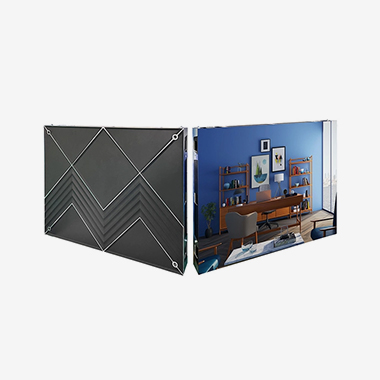
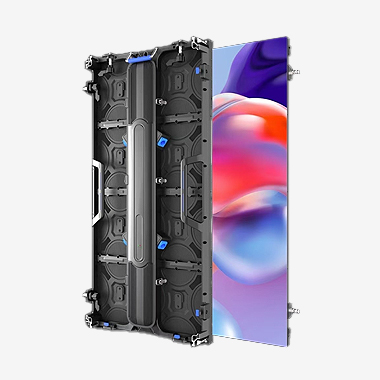
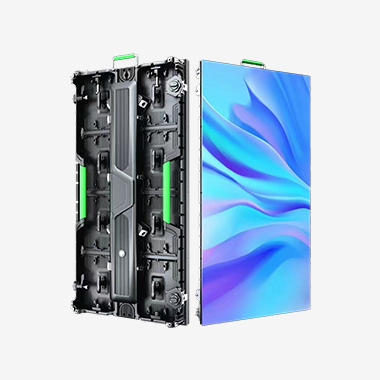
Flexibility and scalability are key advantages of LED indoor rental screens for photography exhibitions, as these events often feature a large number of images and varying layouts. Photography exhibitions may be held in galleries, museums, convention centers, or other temporary venues, and each venue has its own unique constraints and requirements. LED rental screens are modular, meaning they can be assembled in any size, shape, or configuration to fit the specific needs of the exhibition. For example, a small gallery show might use a single large screen to display a series of images in a slideshow, while a large international exhibition could use multiple screens arranged in a grid, curved, or multi-panel setup to showcase different bodies of work. The screens can be placed in different areas of the exhibition—such as the entrance, main gallery, and thematic zones—to display targeted content. Additionally, the modular design allows for easy adjustments—if the exhibition layout changes or additional screen space is needed, panels can be added or removed quickly without disrupting the event flow. The lightweight design of the screens, with die-casting aluminum cabinets weighing as little as 6.5 kg per panel, makes them easy to transport and install, even in venues with limited access or tight setup windows. The auto-lock system featured in many rental LED screens enables tool-free installation, saving time and labor costs for event organizers.
LED indoor rental screens offer dynamic content display capabilities that enhance the attendee experience and allow organizers to showcase photography in new and innovative ways. Unlike traditional static prints, LED screens can display slideshows, video montages, and interactive content, adding a dynamic element to the exhibition. For example, a screen can display a series of images from a photographer’s body of work, transitioning smoothly between images with subtle fades or dissolves, or it can show a video of the photographer discussing their creative process, providing context and depth to the images. Interactive features can also be incorporated, such as touchscreen interfaces that allow attendees to navigate through different series of images, zoom in on details, or access additional information about the photographer and their work. This interactivity engages attendees and creates a more personalized experience, encouraging them to spend more time with each image and deepen their understanding of the art.
Another important benefit of LED indoor rental screens for photography exhibitions is their ability to showcase a large number of images in a limited space. Traditional photography exhibitions often require a significant amount of wall space to display printed prints, which can be a challenge for small venues or exhibitions with a large number of images. LED screens allow organizers to display hundreds or even thousands of images in a single screen or multi-screen setup, saving space and allowing for a more diverse and comprehensive exhibition. For example, a screen can be programmed to cycle through a series of images, ensuring that every photograph gets the attention it deserves, while also allowing attendees to view a wide range of work in a short amount of time. Additionally, LED screens can be used to display large-scale images that would be difficult or expensive to print, such as panoramic photographs or high-resolution images that require a large format to be fully appreciated.
Durability and reliability are essential considerations for LED screens used in photography exhibitions, as they must withstand the rigors of frequent setup, dismantling, and transport, while also operating reliably throughout the event. LED indoor rental screens are designed with durability in mind, featuring rugged die-casting aluminum cabinets that protect the internal components from damage during handling and transportation. Many models also offer front and rear maintenance options, allowing technicians to quickly replace modules or components if a problem arises—minimizing downtime during the event. Additionally, LED screens have a long lifespan, typically up to 100,000 hours of operation at 50% brightness, ensuring that they can withstand repeated use for multiple exhibitions without compromising performance. The screens are also energy-efficient, consuming less power than traditional display solutions, which helps reduce event costs and minimize environmental impact. Furthermore, LED screens operate silently, which is crucial for photography exhibitions—loud equipment can disrupt the quiet, contemplative atmosphere that these events strive to create, allowing attendees to focus on the images and their emotional impact.
When selecting an LED indoor rental screen for a photography exhibition, several technical considerations must be taken into account to ensure optimal performance and visual accuracy. Pixel pitch is one of the most important factors, as it determines the clarity of the image at different viewing distances. For areas where attendees will be viewing the screen up close (e.g., near the main gallery), a fine pixel pitch (1.95mm to 2.6mm) is recommended to ensure sharp, detailed visuals of the photographs. For larger areas, such as the entrance or secondary zones, a larger pixel pitch (2.97mm to 3.91mm) may be more cost-effective while still delivering clear images. Color accuracy is another critical consideration—LED screens should be calibrated to match the color space of the original photographs, ensuring that the colors displayed are true to the photographer’s intent. Many LED rental screens offer color calibration tools that allow technicians to adjust the color temperature, gamma, and color gamut to achieve optimal accuracy. Brightness is also important—indoor LED screens typically have a brightness of 800 to 1300 nits, which is optimized for indoor lighting conditions and ensures that the screen is visible without causing glare or washing out the colors of the images. It is important to balance brightness with the exhibition’s lighting—too much brightness can cause eye strain and detract from the images, while too little brightness can make the details difficult to see. Viewing angle is also important, as attendees will be viewing the screen from different positions; LED screens with a wide viewing angle (140° to 160°) ensure that the images are clear and consistent from any seat or standing position.
Case studies highlight the effectiveness of LED indoor rental screens in photography exhibitions. For example, a contemporary photography exhibition held in a museum used multiple LED rental screens to showcase the work of emerging photographers. The main gallery featured a 10m x 5m LED screen with a 2.6mm pixel pitch, displaying a slideshow of high-definition images from a variety of photographers, while smaller screens in thematic zones displayed focused series of images. The color calibration of the screens ensured that the images were displayed accurately, capturing the subtle tones and contrasts of the original work. Attendees reported that the LED screens enhanced their experience, with 88% of survey respondents stating that the screens allowed them to appreciate the details and emotional impact of the images more fully. The event organizer also reported a 25% increase in attendance compared to previous exhibitions, attributed to the dynamic and engaging display of the photographs. Another example is a photography exhibition featuring panoramic landscape images, which used a curved LED rental screen to display the images in their full scale. The curved design created an immersive experience, allowing attendees to feel as if they were part of the landscape, and the high resolution of the screen ensured that every detail of the panoramic images was clearly visible.
In conclusion, LED indoor rental screens have revolutionized the way photography exhibitions are presented, offering a flexible, high-definition, and dynamic solution that faithfully reproduces the photographers’ work and enhances the attendee experience. Their ability to display color-accurate, detailed visuals, showcase a large number of images in a limited space, and create interactive and immersive displays makes them an essential tool for photography exhibition organizers. By choosing the right LED rental screen and tailoring the content to the exhibition’s theme and audience, organizers can create a memorable event that celebrates the art of photography and allows attendees to connect with the images on a deeper level. As photography exhibitions continue to evolve, LED indoor rental screens will remain a key element in creating dynamic, engaging, and visually stunning experiences for attendees.


Copyright © 2026 Shenzhen Cogo Technology Co.,Ltd.
All Rights Reserved

 Previous article