Author: sznbone Release date: Mar 25, 2026
Outdoor LED fixed screens are widely used in public areas such as squares, roadsides, and scenic spots, serving as important carriers for information dissemination, advertising display, and cultural promotion. However, outdoor environments are complex and harsh, with lightning strikes being one of the most destructive natural factors that can cause irreversible damage to LED screens. Therefore, LED outdoor fixed screens with professional lightning protection design have become an essential choice for outdoor display projects. This article will delve into the importance of lightning protection design for outdoor LED fixed screens, the core technical solutions, performance advantages, and application scenarios, providing a comprehensive reference for project planners and purchasers.
Lightning strikes pose a dual threat to outdoor LED fixed screens: direct lightning strikes and induced lightning strikes. Direct lightning strikes refer to lightning directly hitting the LED screen or its supporting structure, releasing enormous energy in an instant, which can melt the screen’s circuit boards, burn out core components such as LED chips and drivers, and even cause fires. Induced lightning strikes, which are more common, occur when lightning discharges in the surrounding area, generating strong electromagnetic pulses that induce high-voltage currents in the screen’s power lines, signal lines, and grounding systems. These induced currents can damage the screen’s internal electronic components without direct contact, leading to screen flicker, color distortion, or complete failure. Statistics show that over 70% of outdoor LED screen failures caused by natural factors are related to lightning strikes, highlighting the necessity of integrating effective lightning protection design into the product.
A high-quality LED outdoor fixed screen with lightning protection design adopts a multi-level protection system, covering the power supply, signal lines, and structural grounding to form a comprehensive defense against lightning. Firstly, in terms of power supply protection, the screen is equipped with a professional surge protector (SPD) at the power input end. This device can quickly clamp the overvoltage generated by lightning strikes to a safe level and shunt the surge current to the ground, preventing high-voltage electricity from entering the screen’s internal power supply module. The surge protector used for outdoor LED screens usually meets the IEC 61643 standard, with a high surge current resistance (up to 20kA-40kA) and fast response time (less than 25ns), ensuring that it can act immediately when a lightning surge occurs.
Secondly, signal line lightning protection is another key link. Outdoor LED screens rely on various signal lines (such as HDMI, DVI, and Ethernet cables) to transmit image and control signals. When lightning strikes, induced surges can easily propagate along these lines, damaging the screen’s control card and signal receiver. To address this, lightning protection modules are installed at both ends of the signal lines. These modules use gas discharge tubes, transient voltage suppressors (TVS), and other components to absorb the surge energy, protecting the signal transmission path. Meanwhile, the signal lines are usually shielded cables with good anti-interference performance, which can reduce the induction of electromagnetic pulses and further enhance the lightning protection effect.
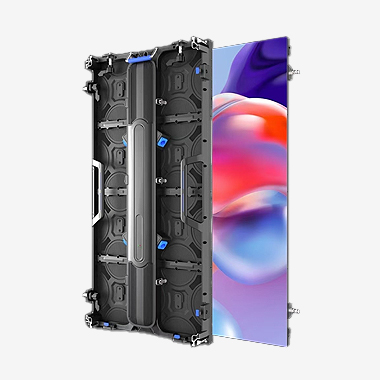
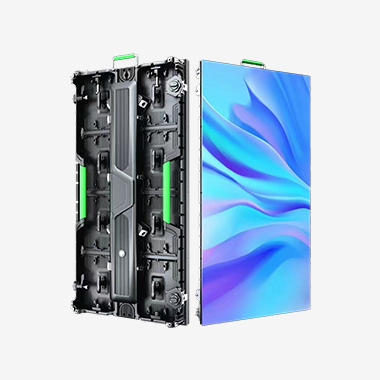
Structural grounding is the foundation of the entire lightning protection system. The LED screen’s supporting structure (such as steel frames) and the screen body itself must be reliably grounded. The grounding resistance is strictly controlled below 4 ohms to ensure that the surge current generated by lightning strikes can be quickly and safely discharged to the ground, avoiding the accumulation of high voltage. In addition, the screen body is made of anti-corrosion and flame-retardant materials, which not only improve the durability in outdoor environments but also reduce the risk of fire caused by lightning strikes. Some high-end products also adopt an integrated lightning protection design, integrating the surge protector, grounding terminal, and shielding structure into the screen body, simplifying the installation process while ensuring protection efficiency.
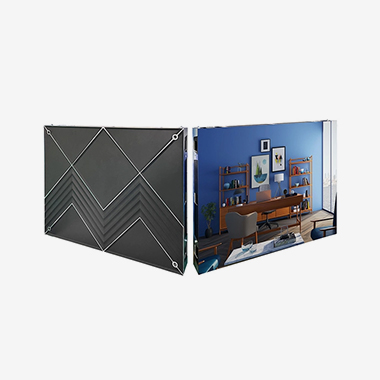
Apart from the core lightning protection functions, LED outdoor fixed screens with lightning protection design also have excellent overall performance to adapt to outdoor environments. They usually adopt high-brightness LED chips with a brightness of over 5000 nits, ensuring clear display even under strong sunlight. The screen body has a high protection level (IP65 or above), which is dustproof and waterproof, effectively resisting rain, snow, and dust erosion. In terms of heat dissipation, the screen is equipped with an efficient heat dissipation system, such as a heat-dissipating aluminum alloy shell and built-in fans, which can quickly dissipate the heat generated during operation, avoiding component damage caused by overheating and ensuring stable operation for a long time.
The application scenarios of LED outdoor fixed screens with lightning protection design are extensive. In urban squares, these screens are used to play public welfare advertisements, cultural programs, and emergency notices. Due to their reliable lightning protection performance, they can operate stably even in thunderstorm-prone areas, ensuring the normal dissemination of information. In scenic spots, they are installed to introduce scenic spot information, play promotional videos, and remind tourists of safety precautions. Scenic spots are often located in mountainous or open areas, which are prone to lightning strikes, so lightning protection design is particularly important. In addition, they are also widely used in transportation hubs (such as railway stations and bus terminals), industrial parks, and outdoor event venues, providing stable and reliable display services for various occasions.
When selecting an LED outdoor fixed screen with lightning protection design, several key factors need to be considered. Firstly, check the lightning protection level and certification of the product. The product should pass relevant national and international certifications, such as CE, FCC, and CCC, and provide test reports on surge resistance and grounding performance. Secondly, pay attention to the quality of the surge protector and lightning protection modules, as they are the core components of the lightning protection system. Choose products from well-known brands with reliable quality and stable performance. Thirdly, consider the overall protection level, brightness, heat dissipation, and other performance indicators of the screen to ensure that it can adapt to the specific outdoor environment of the project. Finally, select a manufacturer with professional technical support and perfect after-sales service, who can provide customized lightning protection solutions according to the project’s location and environmental characteristics and offer timely maintenance services in case of failures.
In conclusion, lightning protection design is a crucial factor affecting the reliability and service life of outdoor LED fixed screens. With the continuous improvement of people’s requirements for outdoor display quality and stability, LED outdoor fixed screens with professional lightning protection design will have a broader market prospect. By adopting multi-level lightning protection technologies, these screens can effectively resist the damage caused by lightning strikes, ensuring stable operation in complex outdoor environments. Whether for urban construction, cultural dissemination, or commercial promotion, they are important tools to enhance the effect of information display and ensure the safety of the project. When planning an outdoor LED display project, it is essential to prioritize products with reliable lightning protection design to avoid economic losses caused by lightning strikes and ensure the long-term and stable operation of the project.


Copyright © 2026 Shenzhen Cogo Technology Co.,Ltd.
All Rights Reserved

 Previous article