Author: sznbone Release date: May 19, 2026
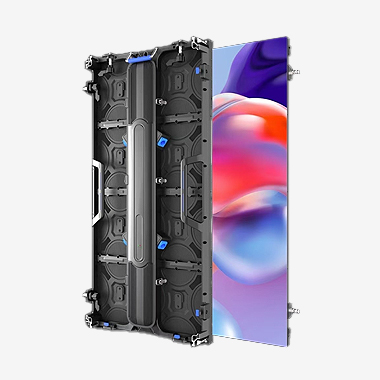
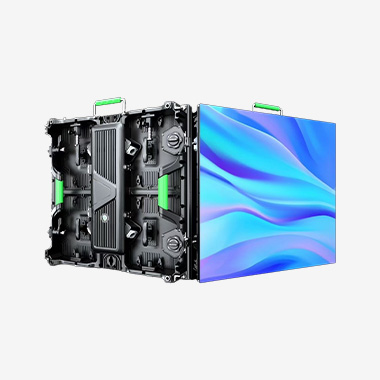
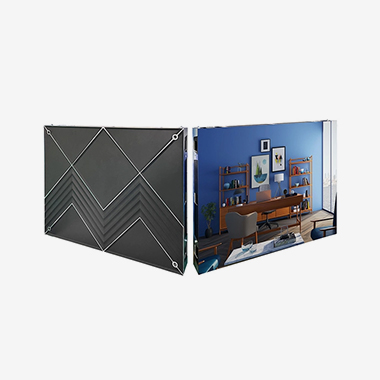
Food festivals are vibrant, sensory-rich events that celebrate culinary diversity, bringing together chefs, food vendors, and food enthusiasts to experience new flavors, cuisines, and culinary techniques. In this lively environment, visual presentation is just as important as taste—food must look as appetizing as it tastes to attract attendees and stand out among hundreds of vendors. LED indoor rental screens have become a transformative tool for food festivals, offering a versatile, high-quality display solution that enhances the festival experience, promotes vendors, and engages attendees. Unlike permanent displays, rental LED screens are designed for quick setup, portability, and reconfiguration, making them ideal for the temporary, dynamic nature of food festivals, which often take place in indoor venues like convention centers, exhibition halls, or event spaces.
The primary advantage of LED indoor rental screens for food festivals is their ability to display high-definition, mouthwatering visuals that showcase food in the best possible light. Food is a product that relies heavily on visual appeal—vibrant colors, textures, and presentation are key to enticing attendees to try a dish. LED rental screens with fine pixel pitches (P1.8 to P3.9) and advanced color reproduction technology deliver exceptional clarity and color accuracy, ensuring that the rich red of a ripe tomato, the golden crisp of fried chicken, and the creamy texture of a dessert are reproduced with stunning realism. High brightness levels (800-1500 cd/㎡) ensure that the visuals are visible even in well-lit indoor venues, while wide viewing angles (140° horizontal, 120° vertical) allow attendees to see the screens from anywhere in the festival space. This is critical for food vendors, as a well-displayed image of their signature dish can attract a crowd and drive sales.
Flexibility is another key benefit of LED indoor rental screens for food festivals. Food festival layouts vary widely, with vendors arranged in rows, booths, or zones, and event organizers often need to adapt the layout to fit the venue and number of vendors. Rental LED screens feature modular designs, allowing organizers to create custom display configurations that fit any layout. For example, a large LED wall can be placed at the entrance of the festival to welcome attendees, display the festival schedule, and highlight featured vendors. Smaller LED screens can be placed throughout the venue—near vendor booths, in seating areas, or at information desks—to display vendor menus, cooking demonstrations, and festival announcements. LED screens can also be curved or arranged in creative shapes to add visual interest to the festival space, such as a circular LED screen in the center of the venue displaying a rotating slideshow of food images.
LED indoor rental screens play a crucial role in promoting food vendors and enhancing their visibility at food festivals. With hundreds of vendors competing for attention, it can be challenging for small or new vendors to stand out. LED screens allow vendors to showcase their dishes, menus, and brand stories in a dynamic, engaging way. For example, a vendor specializing in artisanal pizza can use an LED screen near their booth to display high-definition footage of their pizza being made—from kneading the dough to adding fresh toppings and baking it in a wood-fired oven. A dessert vendor can display close-up shots of their signature cakes, cookies, and ice cream, highlighting their unique flavors and presentation. Some vendors even use LED screens to display customer reviews, social media posts, and live footage of attendees enjoying their food, creating social proof that encourages others to try their dishes.
Interactive features further enhance the value of LED indoor rental screens at food festivals, turning the event into an engaging, interactive experience for attendees. Many rental LED systems can be integrated with touch sensors, QR codes, and social media feeds to create interactive displays. For example, a touch-enabled LED screen can allow attendees to vote for their favorite dish or vendor, with the results displayed in real time. QR codes on LED screens can direct attendees to vendor websites, social media pages, or online ordering platforms, making it easy for them to learn more about the vendor or place an order. Social media feeds can display posts from attendees using the festival’s hashtag, allowing everyone to see photos and reviews of the food, creating a sense of community and excitement.
LED indoor rental screens also help food festival organizers manage the event more efficiently, keeping attendees informed and engaged. Screens can display real-time information such as festival schedules, cooking demonstration times, vendor locations, and wait times for popular booths. This helps attendees navigate the festival more easily, reducing confusion and improving their overall experience. Organizers can also use LED screens to make announcements—such as changes to the schedule, safety reminders, or special events—ensuring that all attendees are informed. Additionally, LED screens can be used to display sponsor messages and advertisements, helping organizers generate additional revenue to cover event costs.
Reliability and ease of maintenance are critical for food festivals, where the event runs for hours or days, and downtime can disrupt the attendee experience. LED indoor rental screens are built to withstand the rigors of indoor events, with durable cabinets that protect internal components from dust, spills, and accidental damage. Many models feature front-maintenance designs, allowing technicians to replace faulty modules quickly without disassembling the entire screen—minimizing downtime. Additionally, rental LED screens come with redundant power and signal systems, ensuring that if one power supply or cable fails, the screen continues to operate. Rental providers also offer on-site technical support, with technicians available to address any issues quickly, ensuring that the displays remain operational throughout the festival.
Real-world examples demonstrate the impact of LED indoor rental screens on food festival success. A major urban food festival recently used multiple LED screens throughout the venue to promote vendors and enhance the attendee experience. A large LED wall at the entrance displayed a rotating slideshow of vendor dishes and the festival schedule, while smaller screens near each vendor booth displayed their menu and cooking demos. Attendees could use touch-enabled screens to vote for their favorite dish, with the winner announced on the main LED wall at the end of the day. The LED screens helped increase vendor visibility, with many vendors reporting a 20% increase in sales compared to the previous year. Another example is a local food festival that used LED screens to display live footage of cooking demonstrations, allowing attendees to watch top chefs prepare signature dishes from anywhere in the venue. This resulted in larger crowds at the demonstration stage and increased engagement throughout the festival.
As food festivals continue to grow in popularity—with a focus on unique culinary experiences, sustainability, and community—LED indoor rental screens are evolving to meet the changing needs of organizers and vendors. New innovations, such as energy-efficient LED panels and AI-powered content delivery, are making rental screens more cost-effective and engaging. For example, energy-efficient panels reduce power consumption, lowering rental costs and aligning with the sustainability goals of many food festivals. AI-powered content delivery allows screens to display personalized content based on attendee preferences—such as showing vegetarian or vegan options to attendees who have indicated dietary restrictions—enhancing relevance and engagement.
In conclusion, LED indoor rental screens have become an essential tool for food festivals, offering organizers and vendors a versatile, high-quality way to promote food, engage attendees, and enhance the overall event experience. Their ability to display mouthwatering visuals, flexible configurations, interactive features, and reliable performance makes them the perfect solution for the dynamic, lively nature of food festivals. Whether it’s a small local festival or a large international event, rental LED screens enable organizers to create a vibrant, engaging atmosphere that celebrates food and community, while helping vendors stand out and drive sales. As food festivals continue to evolve, LED indoor rental screens will remain a key component of event design, helping to create memorable experiences for attendees and vendors alike.


Copyright © 2026 Shenzhen Cogo Technology Co.,Ltd.
All Rights Reserved

 Previous article