Author: sznbone Release date: Jan 28, 2026
In the fast-paced world of indoor display technology, LED indoor fixed screens have become indispensable tools for businesses, institutions, and public spaces. From shopping malls and corporate lobbies to control rooms and educational facilities, these screens deliver vivid visuals, reliable performance, and seamless integration with various environments. However, one critical factor that often determines the long-term value and usability of an LED indoor fixed screen is its maintenance design. An LED indoor fixed screen with easy maintenance design is not just a convenience—it is a strategic investment that reduces operational costs, minimizes downtime, and extends the overall lifespan of the display system. This article delves into the key features, technical innovations, benefits, and applications of LED indoor fixed screens engineered for easy maintenance, exploring why this design element has become a non-negotiable requirement for modern users.
First, it is essential to understand what constitutes an "easy maintenance design" in the context of LED indoor fixed screens. Unlike traditional display systems that require complex disassembly, specialized tools, or professional technicians for even minor repairs, easy-maintenance LED screens are designed with user-centricity in mind. The core principle is to simplify every aspect of maintenance, from routine cleaning and component replacement to troubleshooting and software updates. This involves a combination of hardware innovations, modular design, accessible access points, and intelligent monitoring systems—all working together to streamline maintenance workflows and reduce the reliance on specialized expertise.
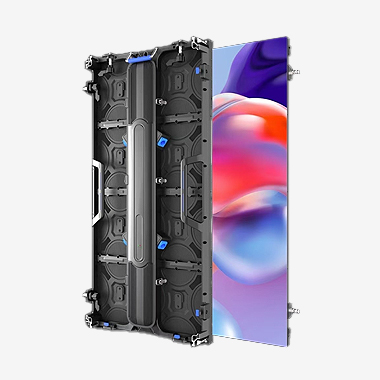
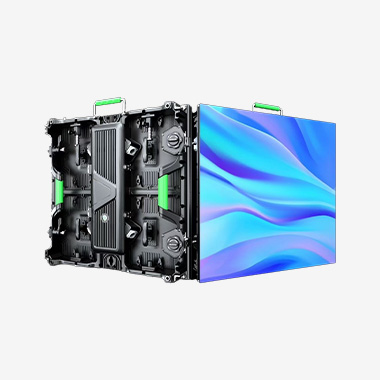
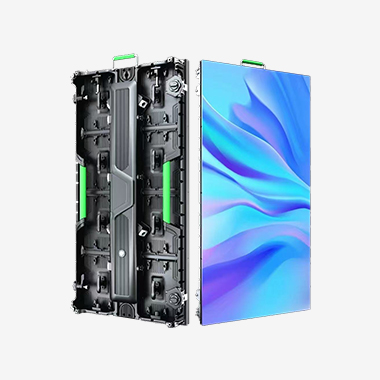
Modular design is the cornerstone of easy maintenance in LED indoor fixed screens. Traditional LED screens are often constructed as a single, monolithic unit, meaning that if one LED module fails, the entire screen may need to be taken down for repair, resulting in prolonged downtime and high replacement costs. In contrast, easy-maintenance screens adopt a modular structure, where the display is divided into individual, detachable LED modules. Each module is a self-contained unit with its own power supply, driving circuit, and LED chips, allowing for quick and targeted replacement. For example, if a single module malfunctions or shows signs of wear (such as dead pixels or color distortion), maintenance personnel can simply remove that specific module without disassembling the entire screen. This not only reduces downtime from hours or days to minutes but also lowers replacement costs, as only the faulty module needs to be replaced rather than the entire display.
To further enhance accessibility, easy-maintenance LED indoor fixed screens are often designed with front-access or rear-access capabilities, or both. Front-access design allows maintenance personnel to remove and replace modules from the front of the screen, which is particularly valuable in spaces where the rear of the screen is inaccessible—such as when the screen is mounted against a wall or in a narrow enclosure. Rear-access design, on the other hand, provides convenient access to power supplies, control cards, and other core components from the back of the screen, ideal for large-scale displays in control rooms or exhibition halls where front access may disrupt viewing or operations. Some advanced models even feature tool-less module removal, using snap-on or magnetic connections that eliminate the need for screws or specialized tools. This simplifies the replacement process further, allowing even non-technical staff to perform basic maintenance tasks.
Another key feature of easy-maintenance LED indoor fixed screens is the integration of intelligent monitoring and diagnostic systems. These systems leverage IoT (Internet of Things) technology to real-time monitor the performance of each module, power supply, and control component. Sensors embedded within the screen track parameters such as temperature, voltage, current, and LED chip status, transmitting data to a central control platform. This platform provides maintenance personnel with a comprehensive overview of the screen’s health, alerting them to potential issues before they escalate into major failures. For example, if a module’s temperature rises above a safe threshold or a power supply begins to degrade, the system sends an immediate notification, allowing for proactive maintenance. Some advanced systems even offer remote troubleshooting capabilities, enabling technicians to diagnose and resolve issues from a remote location without needing to be on-site. This not only saves time and labor costs but also minimizes disruptions to daily operations.
Routine cleaning is another aspect of maintenance that is simplified in these screens. LED indoor fixed screens are prone to accumulating dust, dirt, and debris, which can affect image quality and cause overheating if left unchecked. Easy-maintenance designs address this by incorporating dust-proof and waterproof (IP-rated) enclosures that prevent the ingress of contaminants. Additionally, the surface of the screen is often treated with an anti-glare, anti-fingerprint coating that makes cleaning easier—requiring only a soft cloth and mild cleaning solution to remove dirt without damaging the LED chips or surface. Some models also feature removable front panels that provide access to the interior of the screen for more thorough cleaning, eliminating the need for disassembly.
The benefits of an LED indoor fixed screen with easy maintenance design extend far beyond convenience. For businesses and organizations, the most significant advantage is reduced operational costs. By minimizing downtime, businesses avoid the losses associated with interrupted operations—such as lost sales in retail environments, disrupted presentations in corporate settings, or halted monitoring in control rooms. Additionally, the lower labor costs associated with simplified maintenance (fewer hours spent on repairs, no need for specialized technicians) and reduced replacement costs (modular replacement instead of full-screen replacement) result in substantial long-term savings. For example, a retail store with a traditional LED screen may lose thousands of dollars in sales if the screen fails during peak hours and takes a day to repair, whereas a modular, easy-maintenance screen can be fixed in minutes, minimizing revenue loss.
Extended lifespan is another key benefit of easy maintenance design. By enabling proactive monitoring and timely repairs, these screens are less likely to suffer from catastrophic failures that can render the entire system useless. Regular maintenance—facilitated by the screen’s design—ensures that components are kept in optimal condition, reducing wear and tear and extending the overall lifespan of the screen. A well-maintained LED indoor fixed screen can last 100,000 hours or more, providing a high return on investment for users. In contrast, a screen with poor maintenance design may suffer from frequent breakdowns and premature failure, requiring replacement much sooner.
The versatility of easy-maintenance LED indoor fixed screens makes them suitable for a wide range of applications. In retail environments, where downtime can directly impact sales, these screens are ideal for digital signage, promotional displays, and wayfinding systems. In corporate lobbies and meeting rooms, they deliver reliable performance for presentations, brand messaging, and video conferencing, with easy maintenance ensuring that important meetings are not disrupted by technical issues. Control rooms—such as those in power plants, traffic management centers, and security facilities—rely on 24/7 operation, making proactive maintenance and quick repairs critical; easy-maintenance screens ensure that any issues are resolved rapidly, maintaining uninterrupted monitoring. Educational institutions, hospitals, and public spaces also benefit from these screens, as their easy maintenance reduces the burden on facility management teams and ensures consistent performance for students, patients, and visitors.
When selecting an LED indoor fixed screen with easy maintenance design, there are several key factors to consider. First, modularity: ensure that the screen is composed of individual, replaceable modules that are compatible with standard sizes (such as 320x160mm or 640x320mm) for easy sourcing of replacements. Second, access design: choose a screen with front or rear access (or both) based on the installation environment—front access is essential for wall-mounted screens, while rear access is better for freestanding displays. Third, intelligent monitoring: look for screens with built-in diagnostic systems that offer real-time alerts, remote monitoring, and troubleshooting capabilities. Fourth, build quality: opt for screens with durable, dust-proof enclosures and high-quality components that reduce the frequency of maintenance needs. Finally, manufacturer support: select a manufacturer that provides comprehensive after-sales support, including readily available replacement parts, technical documentation, and training for maintenance personnel.
In conclusion, an LED indoor fixed screen with easy maintenance design is a critical investment for modern users seeking reliable, cost-effective display solutions. By combining modular design, accessible access points, intelligent monitoring, and user-friendly maintenance workflows, these screens minimize downtime, reduce operational costs, extend lifespan, and ensure consistent performance across a wide range of applications. As indoor display technology continues to evolve, easy maintenance will remain a key differentiator, with more manufacturers incorporating these features to meet the growing demands of businesses and organizations. Whether for retail, corporate, industrial, or public use, an easy-maintenance LED indoor fixed screen delivers not just vivid visuals, but peace of mind—knowing that the display will perform reliably and can be maintained with minimal effort and cost.


Copyright © 2026 Shenzhen Cogo Technology Co.,Ltd.
All Rights Reserved

 Previous article