Author: sznbone Release date: Dec 24, 2025
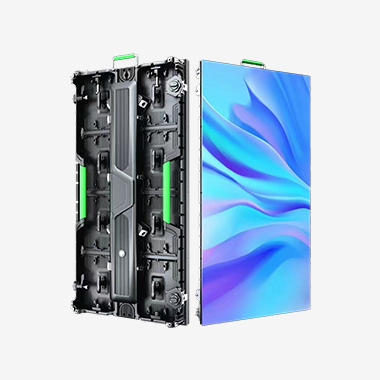
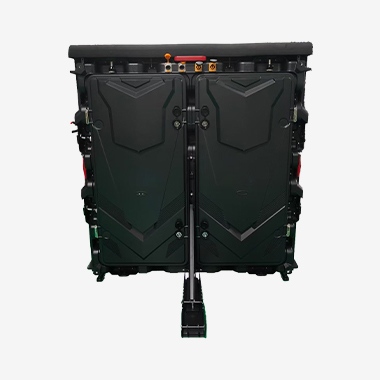
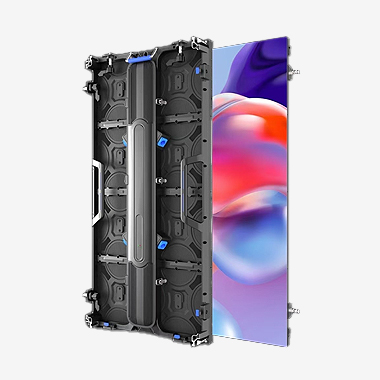
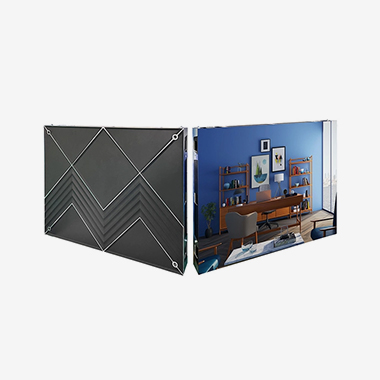
Indoor Rental Screen Transportation involves the logistics of moving modular LED panels, support structures (trussing, stands), and accessories (cables, controllers) from storage facilities to indoor venues—requiring specialized packaging, vehicle selection, and handling protocols to prevent damage to fragile LED components. Unlike consumer electronics (packaged for one-time shipping), rental screens are transported repeatedly (for multiple events), so transportation must prioritize durability, shock resistance, and efficient loading/unloading to minimize downtime between events.
Key steps in transportation include packaging preparation: wrapping individual LED panels in EPE foam (to absorb shocks) and placing them in rigid flight cases (with foam inserts custom-cut to fit panel dimensions—preventing movement during transit). Support structures like trussing are disassembled into manageable sections (1–2m long) and wrapped in heavy-duty fabric covers to avoid scratches, while cables/controllers are organized in labeled bags (to speed up setup later). For example, 100 LED panels would require 10 flight cases (10 panels per case), each with reinforced corners and lockable latches to withstand stacking in transit.
Vehicle selection depends on screen size: small setups (20–50 panels) use vans with climate control (to avoid extreme temperatures that damage LED chips), while large setups (100+ panels) require trucks with air-ride suspension (reducing vibration—critical for preventing pixel damage). Loading follows a “heavy-first” role: placing flight cases and trussing at the bottom of the vehicle, with lighter accessories (cables, controllers) on top—secured with ratchet straps to prevent shifting.
Upon arrival at the venue, unloading is done with forklifts or hand trucks (equipped with soft rubber tires to avoid venue floor damage), and each flight case is inspected for external damage before opening. Any panels with visible damage (e.g., cracked screens, loose connectors) are set aside for repair, ensuring only functional components are used in setup. By following strict transportation protocols, rental companies minimize the risk of costly LED panel damage (a single damaged panel can disrupt an entire screen) and ensure on-time delivery for event preparations.


Copyright © 2026 Shenzhen Cogo Technology Co.,Ltd.
All Rights Reserved

 Previous article