Author: sznbone Release date: Dec 23, 2025
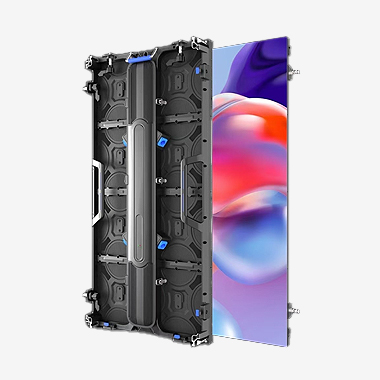
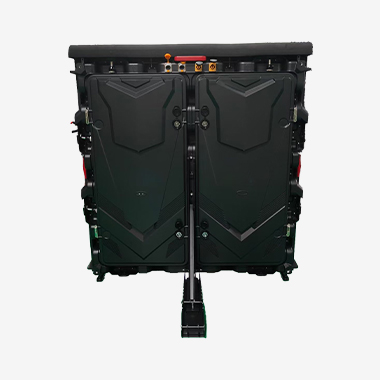
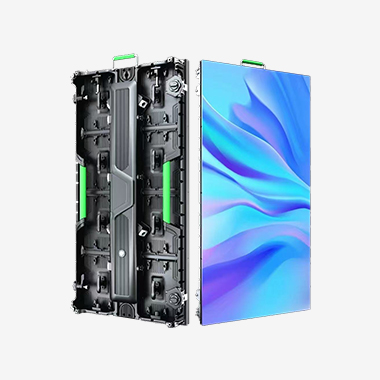
Indoor Rental Screen Setup refers to the assembly and deployment of modular LED screens (rented for events like conferences, concerts, or product launches) in indoor venues, requiring careful planning, structural safety checks, and technical calibration to ensure optimal display performance. Unlike permanent indoor screens (fixed to walls or ceilings), rental screens are modular—composed of individual LED panels (typically 500x500mm or 500x1000mm) that can be combined to form custom sizes/shapes (e.g., rectangular backdrops, curved walls, or split screens)—making setup a specialized process that balances speed, safety, and visual quality.
The setup process begins with venue assessment: measuring the installation area to confirm screen dimensions, checking ceiling/wall load-bearing capacity (for hanging or wall-mounted setups), and identifying power sources (to avoid cable overload). Next, structural preparation involves installing support systems—such as aluminum trussing (for hanging screens), floor stands (for free-standing backdrops), or rigging hardware (for ceiling-mounted setups)—all of which must comply with local safety standards (e.g., load capacity certifications). For example, a 10x5m conference backdrop would require trussing rated to hold 500+ kg (the weight of 200+ LED panels) and secure anchoring to venue walls/ceilings.
Once the support structure is in place, panel assembly begins: connecting LED panels via locking mechanisms (ensuring no gaps between panels to avoid visual breaks), routing power cables (using cable management clips to prevent tripping hazards), and linking data cables (to transmit video signals across the entire screen). After physical assembly, technical calibration is critical: using professional software to adjust brightness (matching ambient light—lower for conferences, higher for concerts), color uniformity (eliminating panel-to-panel color variations), and resolution (aligning pixels to avoid distortion). A final test involves playing sample content (videos, slides) to check for dead pixels, signal delays, or display glitches.
Safety is paramount throughout setup: all installers must wear protective gear (hard hats, gloves), and the structure must be inspected by a certified engineer for large-scale setups (e.g., screens over 5m tall). Efficient setup (typically 4–8 hours for a medium-sized screen) ensures minimal disruption to venue preparations, while thorough calibration guarantees the screen delivers clear, vibrant visuals for the event.


Copyright © 2026 Shenzhen Cogo Technology Co.,Ltd.
All Rights Reserved

 Previous article