Author: sznbone Release date: Jun 23, 2026
Stadiums and gymnasiums are important urban public cultural and sports facilities, undertaking sports competitions, cultural performances, large-scale gatherings, and mass fitness activities. Most modern large and medium-sized stadiums adopt large-area glass wall curtain wall design, which has strong modern architectural sense and light permeability, but lacks dynamic scene rendering and information display functions. The application of LED mesh screens on stadium glass walls perfectly adapts to the large-space, high-atmosphere, multi-scene switching operation needs of stadiums, realizing the integration of sports event display, atmosphere rendering, commercial publicity, and urban landmark landscape, and becoming an important intelligent facility for modern stadium intelligent upgrading and sports event scene creation.
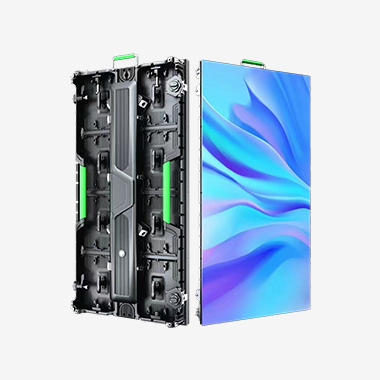
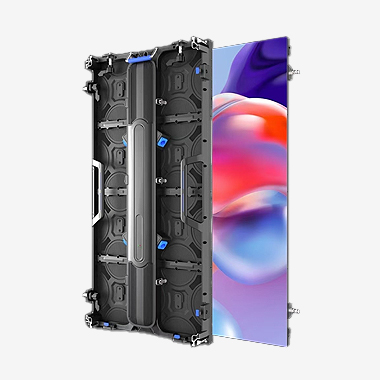
The stadium-specific LED mesh screen is professionally optimized for large-scale venue scenarios, with super strong environmental adaptability and structural stability. Stadiums are mostly open or semi-open outdoor venues, facing complex outdoor environments such as strong wind, heavy rain, high temperature, and low temperature all year round. The LED mesh screen adopts high-strength waterproof, dustproof, anti-corrosion, and wind-resistant materials, with an IP67 high-level protection grade, which can stably operate in extreme weather without water ingress, dust accumulation, and picture failure, ensuring normal use in various sports events and activities. The ultra-light modular structure is suitable for large-area splicing installation of stadium glass walls, realizing seamless overall display effect, no bulky sense, and highly integrated with the stadium’s modern architectural style, highlighting the fashion and sense of technology of sports buildings.
In terms of event operation and scene atmosphere creation, LED mesh screens play an irreplaceable core role. During professional sports competitions such as football matches, basketball games, track and field events, and ball games, the mesh screen can dynamically display event live pictures, athlete information, real-time scores, countdown time, and event rules, allowing audiences outside the stadium and surrounding citizens to synchronously understand the event progress and expanding the coverage and influence of the event. At the same time, it can play dynamic cheering animations, team emblem logos, and sports spirit promotional videos to create a warm and passionate competition atmosphere, mobilize the audience’s emotions, and enhance the sense of immersion of the event scene. For mass fitness activities, sports festivals, and urban sports public welfare activities held in the stadium, the screen can display activity guidelines, fitness knowledge, and activity highlights, enriching the form of sports public welfare activities.
In terms of commercial value and urban landmark construction, stadium glass wall LED mesh screens have outstanding advantages. Large-scale sports events and venue activities have high social attention and audience popularity, and the ultra-large outdoor display screen can provide high-end advertising carriers for sports brands, beverage brands, sports equipment, and urban commercial brands, bringing rich commercial income to venue operation. When there are no events, the screen can display urban sports culture, fitness popularization knowledge, and urban sports development achievements, shaping a good urban sports atmosphere and promoting the development of national fitness cause. At night, the dynamic light and shadow effect of the mesh screen creates a unique night scene landmark for the stadium, making the sports venue a beautiful landscape of the urban night economy, enhancing the urban sports cultural atmosphere and urban vitality. In addition, the intelligent remote control system is convenient for venue managers to switch display content according to different activity types, realizing multi-scene flexible application, and the long service life and low maintenance cost meet the long-term operation needs of public stadiums.


Copyright © 2026 Shenzhen Cogo Technology Co.,Ltd.
All Rights Reserved

 Previous article