




 Chat Now
Waterproof LED display billboard panels represent the pinnacle of outdoor digital advertising technology, engineered to withstand the most demanding environmental conditions while delivering brilliant visual performance. These specialized display systems combine robust weatherproof construction with high-brightness LED technology to create reliable, year-round advertising solutions that operate flawlessly in rain, snow, dust, and extreme temperatures. Unlike conventional indoor displays or basic weather-resistant models, true waterproof LED billboards are designed from the ground up for permanent outdoor installation, incorporating multiple layers of protection to ensure uninterrupted operation in virtually any climate.
The fundamental purpose of waterproof LED billboards is to provide advertisers with a dynamic, attention-commanding medium that combines the impact of traditional outdoor advertising with the flexibility of digital content management. These displays transform static advertising spaces into dynamic digital canvases that can be updated instantly, scheduled for specific times, and even made responsive to real-time conditions such as weather, traffic patterns, or time of day. This capability has revolutionized the outdoor advertising industry, enabling more targeted, relevant, and measurable advertising campaigns compared to traditional printed billboards.
The technological evolution of waterproof LED displays has been driven by advancements in multiple disciplines. Improvements in sealing technologies have led to higher IP (Ingress Protection) ratings, typically reaching IP65, IP66, or even IP67 standards—meaning they are dust-tight and protected against powerful water jets or temporary immersion. Advances in LED technology have increased brightness levels to 6,000-10,000 nits, ensuring visibility even in direct sunlight, while also improving energy efficiency and lifespan. Thermal management systems have become more sophisticated, maintaining optimal operating temperatures in both extreme heat and cold. These developments have collectively transformed outdoor LED displays from temperamental novelties into reliable workhorses capable of 24/7 operation in challenging environments.
The market for waterproof LED billboards has expanded significantly as advertisers recognize their superior return on investment compared to traditional static billboards. While the initial investment is higher, the ability to display multiple ads, change content remotely, and deliver dayparted messaging (showing different ads at different times) dramatically increases revenue potential for media owners and advertising effectiveness for brands. This has led to widespread adoption across highways, urban centers, retail locations, sports venues, and transportation hubs where maximum visibility and impact are required.
Technical specifications for waterproof LED billboards vary based on application requirements. Pixel pitches typically range from P10 to P20 for large highway billboards where viewing distance is substantial, to P4 to P8 for closer-viewing applications in urban settings. Brightness levels are calibrated for outdoor visibility, with automatic adjustment systems that increase output during bright daylight and reduce it at night to save energy and reduce light pollution. The structural design must account for environmental factors such as wind loading (often designed to withstand 200 km/h winds), snow accumulation, and seismic activity in certain regions.
As outdoor advertising continues to digitalize, waterproof LED billboard panels have become the standard for modern outdoor media. Their ability to deliver dynamic, engaging content while withstanding years of environmental abuse makes them indispensable tools for advertisers seeking to capture attention in the increasingly competitive outdoor advertising landscape. The technology continues to evolve toward greater reliability, higher efficiency, and improved visual performance, ensuring that these displays will remain at the forefront of outdoor advertising for the foreseeable future.
The design and construction of waterproof LED display billboard panels represent a comprehensive engineering effort that balances environmental protection, optical performance, structural integrity, and maintainability. Every component and assembly process is optimized for outdoor durability while maintaining the visual quality expected from modern digital displays.
The foundation of waterproof design begins with the LED modules themselves. These are typically constructed using high-quality FR4 PCBs with special waterproof conformal coatings that protect the circuitry from moisture and corrosion. The LEDs are premium-grade devices specifically selected for outdoor use, featuring enhanced UV resistance to prevent degradation from sunlight exposure. A critical design element is the potting process, where the entire module is filled with a transparent waterproof epoxy or silicone compound that encapsulates all electronic components, creating a solid barrier against moisture ingress while maintaining optical clarity. The front surface incorporates a matte black mask to enhance contrast in bright conditions and special optical coatings to reduce sunlight reflection.
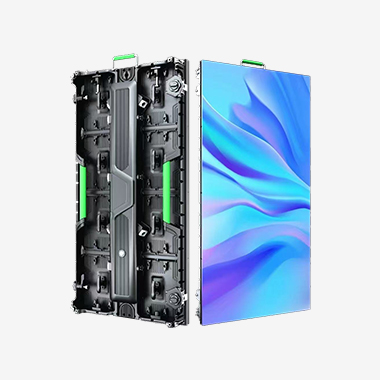
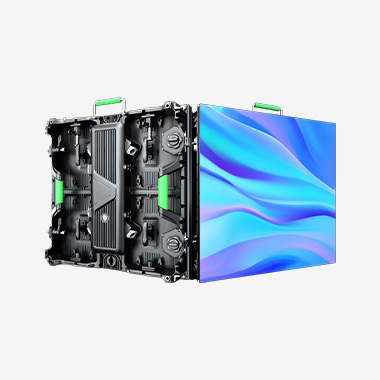
The cabinet design represents the primary waterproof barrier. Constructed from heavy-duty aluminum alloy or sometimes stainless steel for corrosive environments, these cabinets are engineered with multiple sealing systems. Silicon gaskets line all mating surfaces, with compression locking mechanisms that ensure consistent pressure on the seals despite thermal expansion and contraction. The cabinet joints often incorporate labyrinthine sealing paths that provide multiple barriers against water penetration. Access panels for maintenance feature double-sealing systems with moisture drainage channels that redirect any incidental water away from critical components. The overall construction is designed to withstand years of environmental stress without seal degradation.
Thermal management presents unique challenges in waterproof designs. Unlike indoor displays that can use ventilation, waterproof displays must employ completely sealed cooling systems. Most systems use rear-mounted heat sinks that transfer heat through the cabinet walls to external fins, where it is dissipated by natural convection. For higher-brightness displays, active cooling systems using completely sealed air-to-liquid heat exchangers or thermoelectric cooling elements are employed. These systems circulate coolant through sealed pathways, transferring heat to external radiators without compromising the waterproof integrity. Sophisticated thermal monitoring systems track temperatures and can automatically adjust brightness to prevent overheating while maintaining optimal performance.
The electrical systems are designed with waterproofing as a primary consideration. All cables use waterproof connectors meeting IP67 standards, typically featuring multiple sealing rings and corrosion-resistant materials. Power supplies are either potted units or housed in separate waterproof compartments with their own sealing systems. The electrical distribution includes moisture detection systems that can alert operators to any water intrusion before it causes damage. Grounding and lightning protection are integral to the design, with surge protection devices on all incoming power and data lines to protect against electrical storms.
The optical assembly is engineered for outdoor visibility. The front surface typically uses anti-glare treated glass or polycarbonate that provides physical protection while maintaining optical clarity. Some advanced designs incorporate heated front surfaces to prevent snow and ice accumulation in cold climates. The optical stack is calibrated to provide wide viewing angles (typically 140-160 degrees) while maintaining color consistency across the viewing range. Sunlight-readable specifications require not only high brightness but also careful management of reflectivity and contrast ratio.
Manufacturing processes emphasize quality control and testing. Each module undergoes individual testing for waterproofing, typically using pressure testing or immersion testing. Completed cabinets are tested in environmental chambers that simulate years of weather exposure in accelerated cycles. Electrical testing verifies performance across temperature extremes from -40°C to +50°C. The final assembly includes comprehensive calibration that ensures color and brightness uniformity across the entire display, with calibration data stored in each module's memory.
Installation systems are designed for both security and accessibility. Heavy-duty mounting frameworks provide structural support while allowing for precise alignment. Service access is designed to maintain waterproof integrity during maintenance, with quick-disconnect systems that allow module replacement without compromising the overall sealing. The complete system is engineered for long-term reliability, with typical lifespans of 100,000 hours of operation in outdoor conditions.
The resulting product represents the intersection of optical excellence and environmental toughness—a display system that delivers brilliant visual performance while surviving the harshest outdoor conditions year after year.
The operation of waterproof LED display billboard panels involves a sophisticated integration of optical technology, environmental protection systems, and intelligent control mechanisms that work together to ensure reliable performance in challenging outdoor conditions. Understanding these working principles requires examining how these systems overcome the unique challenges of outdoor operation while maintaining visual excellence.
At the core of the display's operation is the electroluminescence principle, where semiconductor materials emit light when electrical current passes through them. However, the implementation in waterproof outdoor displays involves significant enhancements over standard LED technology. The LEDs used are specifically engineered for high brightness output (typically 6,000-10,000 nits) while maintaining efficiency and color accuracy. They incorporate advanced semiconductor materials that are less sensitive to temperature variations and feature enhanced packaging that protects against UV degradation and thermal cycling stress.
The driving electronics employ sophisticated constant-current control systems that maintain consistent brightness despite fluctuations in temperature and power supply voltage. Advanced pulse-width modulation (PWM) techniques operating at high frequencies (typically 3,000-4,000 Hz) ensure smooth grayscale performance and eliminate flicker that could be visible in peripheral vision or when captured by cameras. The driver ICs incorporate temperature compensation algorithms that adjust current levels based on thermal conditions, preventing overheating while maintaining consistent light output.
Waterproofing systems work continuously to protect the sensitive electronics. The complete encapsulation of modules in waterproof epoxy creates a permanent barrier against moisture, while the cabinet sealing systems provide secondary protection. Moisture sensors within the cabinets monitor for any water intrusion, triggering alerts if detected. The sealed design also protects against dust and particulate matter that could affect cooling or electrical connections.
Thermal management systems operate through multiple mechanisms. Passive cooling using external heat sinks dissipates heat through natural convection, with careful engineering of surface area and airflow patterns. In more advanced systems, active cooling using sealed liquid cooling loops or thermoelectric devices provides additional cooling capacity when needed. Temperature sensors throughout the display provide data to the control system, which can automatically reduce brightness if temperatures approach critical levels, ensuring protection against thermal damage.
The optical systems are designed for outdoor visibility. Automatic brightness control systems use ambient light sensors to adjust output levels throughout the day—increasing brightness during sunny conditions and reducing it at night to save energy and reduce light pollution. The optical materials are selected for durability and performance, with anti-reflective coatings that maintain contrast in bright conditions and wide-viewing-angle characteristics that ensure visibility from various perspectives.
Content management and display control involve sophisticated processing systems. The displays typically include onboard media players that can store and schedule content, often with networking capabilities for remote management. Video processing algorithms optimize content for outdoor viewing, enhancing contrast and sharpness to compensate for atmospheric conditions. The control systems can manage multiple content zones, allowing different advertisements to display simultaneously on different parts of the screen.
Power management systems ensure efficient operation while protecting against electrical hazards. Power factor corrected (PFC) supplies maximize energy efficiency while meeting electrical standards. Surge protection devices on all incoming lines protect against lightning strikes and power surges. Power monitoring systems track energy consumption and can provide reports for environmental compliance and operational planning.
Reliability systems include built-in self-test capabilities that monitor LED performance, power supply health, and environmental conditions. Failed components can often be compensated for through software adjustments that maintain image quality until repairs can be made. Remote monitoring capabilities allow operators to track performance and receive alerts for potential issues before they affect operation.
The synchronization systems ensure perfect timing across the entire display, which is particularly important for large billboards where signal transmission distances can be substantial. Fiber optic connections are often used for data transmission to avoid electromagnetic interference and ensure signal integrity over long distances.
Together, these working principles enable waterproof LED billboards to deliver reliable, high-impact visual performance in the most challenging outdoor environments, providing advertisers with a powerful medium that combines the flexibility of digital content with the durability required for permanent outdoor installation.
Waterproof LED display billboard panels offer significant advantages that have made them the preferred choice for modern outdoor advertising, but these benefits come with specific challenges that must be carefully managed throughout the product lifecycle.
Advantages:
The primary advantage of waterproof LED billboards is their ability to operate reliably in harsh outdoor environments. The comprehensive waterproofing and environmental protection ensure year-round operation despite rain, snow, dust, and temperature extremes. This reliability translates to maximum uptime and advertising revenue, as the displays can operate continuously without weather-related interruptions. The robust construction also provides resistance to vandalism and accidental impact, further protecting the investment.
The visual impact of these displays is another significant advantage. High brightness levels (6,000-10,000 nits) ensure visibility even in direct sunlight, while excellent contrast ratios maintain image quality in various lighting conditions. The ability to display dynamic content with motion, video, and animation captures far more attention than static billboards, leading to higher recall rates and advertising effectiveness. The digital nature also enables creative possibilities that are impossible with traditional printed media, including interactive elements and real-time content updates.
Operational flexibility represents a major advantage. Advertisers can change content instantly and remotely, allowing for time-sensitive promotions, dayparting (showing different ads at different times), and rapid response to market conditions. Multiple advertisers can share the same display, increasing revenue potential for media owners. The ability to measure and track performance through various metrics provides valuable data for optimizing advertising campaigns and demonstrating return on investment.
Energy efficiency has improved significantly in modern waterproof LED displays. Advanced LED technology, efficient power supplies, and smart brightness control systems reduce energy consumption compared to earlier generations. Automatic brightness adjustment based on ambient light conditions optimizes visibility while minimizing power usage, particularly valuable for 24/7 operation where energy costs represent a significant operational expense.
The longevity and maintenance advantages are also important. Well-constructed waterproof LED displays typically offer lifespans of 100,000 hours to half-brightness, providing years of service with minimal maintenance. The modular design allows for easy replacement of individual components rather than complete display replacement, reducing repair costs and downtime. Remote monitoring capabilities enable proactive maintenance by identifying potential issues before they cause failures.
Challenges:
The initial investment cost represents the most significant challenge. Waterproof LED billboards require substantial capital expenditure compared to traditional static billboards, including not only the display itself but also structural supports, electrical connections, and content management systems. This high cost requires careful economic analysis and often necessitates multiple advertisers to achieve satisfactory return on investment.
Installation complexity is another challenge. These displays require professional installation including structural engineering, electrical work, and often permitting processes that can be time-consuming and expensive. The weight and size of the displays necessitate specialized equipment and expertise for safe installation, particularly for large formats or elevated locations.
Content creation and management present ongoing challenges. Effective digital billboard content requires specialized design that considers viewing distance, duration, and outdoor lighting conditions. The need for continuous fresh content can strain resources, and the technical aspects of content management systems may require specialized knowledge. Ensuring content compliance with local regulations and community standards adds another layer of complexity.
Technical maintenance requires specialized expertise that may not be locally available in all markets. While modern displays are designed for reliability, when service is needed, it often requires trained technicians with specific knowledge of the systems. The waterproof nature of the displays can make certain repairs more complex, as accessing internal components requires breaking and re-establishing waterproof seals.
Environmental considerations present both regulatory and community relations challenges. Light pollution concerns may lead to regulations limiting nighttime brightness or operating hours. Energy consumption, while improved, still represents significant operational cost and environmental impact. Community acceptance can be an issue in some areas, particularly where digital billboards are seen as visual pollution or distractions for drivers.
Technical limitations also exist. The resolution of outdoor displays is necessarily lower than indoor equivalents due to viewing distance requirements and cost considerations. The sealed design that provides waterproofing also creates thermal management challenges that can limit maximum brightness or require complex cooling systems. Color consistency maintenance over large areas and varying temperatures requires sophisticated calibration systems.
Weather-related risks remain despite waterproof design. While the displays are designed to withstand normal weather conditions, extreme events such as hurricanes, tornadoes, or flooding can still cause damage. Lightning protection systems reduce but cannot eliminate the risk of electrical damage from strikes. Hail or flying debris can damage the front surface despite protective measures.
Despite these challenges, the advantages of waterproof LED billboards make them increasingly popular for outdoor advertising. The key to successful implementation lies in thorough planning that addresses these challenges during the design and installation phases, ensuring that the display delivers maximum value throughout its operational life while minimizing potential issues.
Waterproof LED display billboard panels have found diverse applications across numerous sectors while continuing to evolve toward new capabilities and uses. Their unique combination of weather resistance and visual impact has enabled innovative applications that transform how businesses and organizations communicate outdoors.
Current Applications:
The primary application remains outdoor advertising along highways and urban areas. Large-format digital billboards have become standard along major transportation routes, providing advertisers with high-visibility platforms that can be updated remotely. These displays generate significantly higher revenue than traditional static billboards due to their ability to host multiple advertisers and charge premium rates for specific time slots. The digital nature also enables emergency alert systems, where displays can be taken over for public safety messages when needed.
Retail and entertainment venues represent another major application category. Shopping centers use waterproof LED displays for promotional messaging, wayfinding, and creating vibrant atmospheres that attract shoppers. Sports stadiums and arenas employ them for exterior advertising, event information, and enhancing the fan experience before entry. The durability of these displays ensures they can withstand the high-traffic environments typical of these applications.
Transportation hubs have adopted waterproof LED technology for information displays and advertising. Airports use them for flight information, directions, and advertising in both curbside and parking areas where weather exposure is significant. Train and bus stations employ them for schedule information and revenue-generating advertising. The reliability of waterproof displays is particularly important in these applications where uptime is critical.
Corporate campuses and industrial facilities use waterproof displays for branding, information sharing, and safety messaging. Large exterior displays can showcase company achievements, welcome visitors, and provide emergency information. The ability to withstand industrial environments makes them suitable for manufacturing facilities and other challenging locations.
Public spaces and municipal applications have grown significantly. Cities use waterproof displays for public information, event promotion, and community messaging. Tourist destinations employ them for wayfinding and information about attractions. The durability and visibility make them ideal for these applications where reliability and public access are both important.
Future Trends:
The future of waterproof LED display technology will be characterized by several key trends. First, continued improvements in energy efficiency will address operational costs and environmental concerns. Developments in LED technology, power management, and solar integration will reduce energy consumption while maintaining brightness performance. This will make the displays more sustainable and economically viable for more applications.
Second, integration with smart city infrastructure will transform displays from isolated elements into connected components of urban systems. displays will share data with traffic management systems, public safety networks, and environmental monitoring systems. This connectivity will enable more responsive content that adapts to real-time conditions such as traffic patterns, weather events, or emergency situations.
Third, advancements in transparency and form factors will enable new applications. Transparent LED technology will allow for displays that provide information and advertising while maintaining visibility through windows or architectural features. Flexible and curved displays will enable more creative integration with building designs and unconventional spaces.
Fourth, artificial intelligence integration will revolutionize content management and optimization. AI systems will automatically adjust content based on audience demographics, weather conditions, and performance metrics. Machine learning algorithms will optimize brightness and content strategy based on historical data and real-time conditions, maximizing impact while minimizing energy use.
Fifth, interactive capabilities will enhance engagement. Touchless interaction using gesture recognition or mobile device integration will allow users to engage with displays for more information or personalized content. This will be particularly valuable in retail and public space applications where engagement enhances the user experience.
Sixth, sustainability improvements will address environmental impact. Recyclable materials, longer lifespans, and repairability will reduce the environmental footprint of displays. Solar power integration and energy harvesting technologies will make displays more self-sufficient and reduce grid dependence.
Finally, standardization and modularity will improve accessibility and reduce costs. Industry standards for components and interfaces will make systems more interoperable and easier to maintain. Modular designs will allow for easier upgrades and repairs, extending system lifespans and reducing total cost of ownership.
These trends collectively point toward a future where waterproof LED displays become more integrated, intelligent, and sustainable—functioning not as isolated advertising platforms but as connected elements of smart urban environments that serve multiple purposes from advertising to information to public safety.
Conclusion
Waterproof LED display billboard panels have fundamentally transformed outdoor advertising and communication, creating new possibilities for how businesses, organizations, and communities engage with audiences in outdoor spaces. Their ability to combine dynamic digital content with rugged environmental durability represents a significant advancement over traditional static signage, enabling more effective, flexible, and measurable outdoor communication.
The most significant impact of this technology has been its transformation of the outdoor advertising business model. By enabling multiple advertisers to share the same physical space through time-division, digital billboards have dramatically increased revenue potential while providing advertisers with more targeted opportunities. The ability to change messages instantly has made outdoor advertising responsive to current events, weather conditions, and time of day, increasing relevance and effectiveness. This flexibility has helped outdoor advertising remain competitive in an increasingly digital media landscape.
The reliability and durability of modern waterproof LED displays have redefined expectations for outdoor digital technology. Where early digital signs were temperamental and required frequent maintenance, current generations offer years of trouble-free operation in challenging conditions. This reliability has enabled applications where downtime is not acceptable, such as transportation information displays, emergency alert systems, and revenue-generating advertising displays. The robust construction has also made digital signage practical in environments previously considered too harsh for electronic displays.
The visual impact of these displays has raised the standard for outdoor advertising effectiveness. The combination of high brightness, excellent contrast, and motion capability captures attention more effectively than static signs, leading to higher recall and engagement. This enhanced effectiveness has justified the higher investment required for digital displays, driving adoption across numerous sectors from retail to transportation to public spaces.
Looking forward, waterproof LED display technology continues to evolve toward greater integration, intelligence, and sustainability. The convergence with smart city infrastructure, artificial intelligence, and interactive technologies will create displays that are not merely presentation devices but intelligent nodes in connected environments. These advancements will further enhance the value proposition of digital outdoor displays while addressing concerns about energy consumption, light pollution, and visual clutter.
The environmental aspects of waterproof LED technology deserve particular attention. While the manufacturing and operation of these displays have environmental impacts, their digital nature eliminates the waste associated with printing and transporting traditional billboard materials. The ability to serve multiple advertisers on one structure reduces the need for multiple physical signs. Ongoing improvements in energy efficiency, materials sustainability, and lifespan continue to reduce the environmental footprint of digital outdoor advertising.
In conclusion, waterproof LED display billboard panels have established themselves as essential tools for modern outdoor communication. Their unique combination of visual impact, environmental durability, and operational flexibility makes them uniquely suited to the needs of contemporary advertising and information dissemination. As the technology continues to advance, becoming more integrated, intelligent, and sustainable, it will undoubtedly enable even more innovative applications and experiences. The journey from static printed signs to dynamic digital displays represents not just technological progress, but a fundamental transformation in how we use outdoor spaces for communication and engagement.


Copyright © 2026 Shenzhen Cogo Technology Co.,Ltd.
All Rights Reserved

 Previous article