




 Chat Now
The portable LED rental display signage system has emerged as a revolutionary solution in the dynamic landscape of visual communication, catering to the diverse and ever - changing needs of events, exhibitions, and promotional activities. In an era where mobility, flexibility, and rapid deployment are highly valued, this system offers a game - changing approach to delivering impactful visual content across various settings.
The growth of the portable LED rental display signage system can be attributed to several key factors. Firstly, the nature of modern events often requires a high degree of adaptability. Events such as pop - up stores, mobile exhibitions, outdoor festivals, and corporate roadshows are constantly on the move, necessitating display solutions that can be easily transported, set up, and taken down at different locations. Traditional fixed - installation displays are not suitable for such scenarios, as they lack the mobility and flexibility required. Portable LED rental display signage systems, on the other hand, are designed specifically to meet these demands, allowing event organizers to create engaging visual experiences regardless of the venue.
Secondly, cost - effectiveness is a major driving force behind the popularity of these systems. Purchasing and installing permanent LED displays can be a significant financial investment, especially for businesses and organizations that only require displays for short - term or intermittent use. Renting portable LED display signage systems eliminates the need for a large upfront cost, as users only pay for the rental period. This not only reduces financial risks but also enables more efficient budget allocation, allowing resources to be directed towards other critical aspects of event planning, such as marketing, content creation, and event promotion.
Technological advancements have also played a crucial role in the development of portable LED rental display signage systems. The continuous miniaturization and improvement of LED components have made it possible to create lightweight, compact, and energy - efficient displays without sacrificing visual quality. Innovations in modular design, quick - connect technologies, and intelligent control systems have further enhanced the portability and ease of use of these systems. For instance, the development of lightweight yet durable materials for the display frames and the integration of wireless communication technologies for remote content management have made portable LED displays more user - friendly and convenient than ever before.
Furthermore, the increasing demand for digital and dynamic content in marketing and communication has fueled the growth of portable LED rental display signage systems. These systems can display a wide variety of content, including high - definition videos, animations, live feeds, and interactive graphics, making them an ideal medium for engaging audiences. The ability to update content in real - time allows businesses and event organizers to adapt to changing circumstances, target different audience segments, and deliver personalized messages, enhancing the overall effectiveness of their communication strategies.
The design and construction of portable LED rental display signage systems are centered around the principles of portability, durability, and ease of use, while maintaining high - quality visual performance. The design process begins with a comprehensive understanding of the intended applications and user requirements, taking into account factors such as the typical event duration, transportation methods, installation locations, and the desired visual impact.
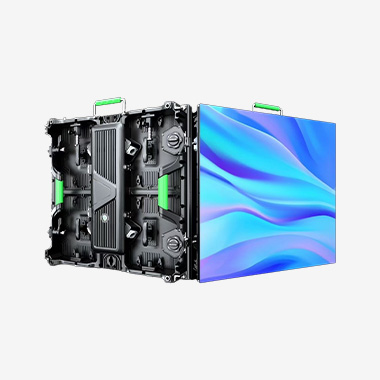
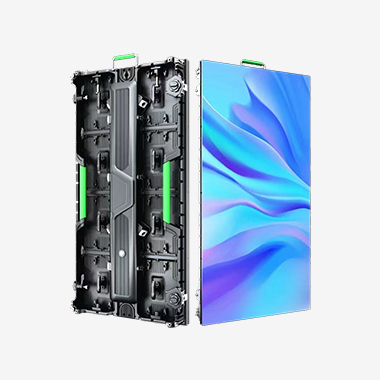
For portability, lightweight materials are extensively used in the construction of these systems. Aluminum is a popular choice for the frame structure due to its high strength - to - weight ratio, corrosion resistance, and ease of machining. The frames are designed to be collapsible or foldable, reducing their size for transportation and storage. Some advanced designs feature quick - release mechanisms that allow the frames to be disassembled into smaller, more manageable components in a matter of minutes.
The LED modules are the core component of the display, and careful selection of high - efficiency LED chips is essential. These chips are chosen for their ability to deliver high - brightness, accurate color reproduction, and long - lasting performance. The pixel pitch of the display is determined based on the viewing distance and the content requirements. For applications where the audience will be relatively close, such as in small - scale indoor events or pop - up stores, a smaller pixel pitch (e.g., 1 - 3 mm) is preferred to provide sharp and detailed visuals. In contrast, for larger outdoor events with greater viewing distances, a slightly larger pixel pitch (e.g., 3 - 6 mm) may be sufficient to balance cost and visibility while still ensuring a clear and engaging display.
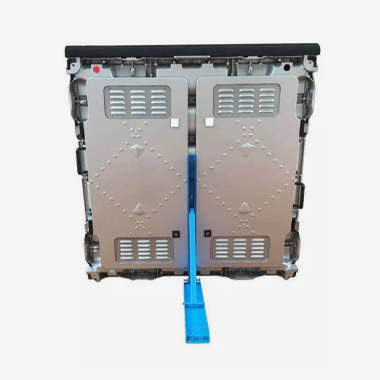
To ensure durability during transportation and handling, the LED modules are encapsulated in rugged, impact - resistant enclosures. These enclosures are designed to protect the delicate LED chips and electronic components from shock, vibration, and dust. Additionally, weatherproofing measures are often incorporated for outdoor - capable systems, allowing them to withstand various weather conditions such as rain, snow, and sunlight.
The connection and assembly systems of portable LED rental display signage are designed to be intuitive and efficient. Modular LED panels are connected using quick - connect cables or connectors, enabling rapid assembly without the need for specialized tools or technical expertise. Some systems feature magnetic or snap - on connections, which further simplify the setup process and reduce the time required for installation. The displays are also designed to be compatible with a variety of mounting options, including stands, tripods, and wall - mount brackets, providing flexibility in installation across different venues.
The control system of the portable LED display signage is a sophisticated yet user - friendly component. It typically includes a media player, a processor, and a communication module. The media player stores and plays digital content, which can be in various formats such as high - definition videos, images, and animations. The processor controls the display of each pixel on the LED panels, adjusting parameters such as brightness, color, and refresh rate to achieve the desired visual effect. Wireless communication technologies, such as Wi - Fi, Bluetooth, or 4G, are commonly integrated into the control system, allowing for remote control and content updates. This enables users to manage the display from a central location, change the content in real - time, and monitor the system's performance, even when they are not physically present at the installation site.
During the construction process, strict quality control measures are implemented at every stage. The LED modules are rigorously tested for their electrical performance, light output uniformity, and color consistency. The structural components are inspected for strength and durability, and the connection systems are tested for reliability. The entire system is also subjected to comprehensive functionality tests, including content playback, brightness adjustment, and wireless connectivity, to ensure that it meets the high standards required for professional use.
The working principles of portable LED rental display signage systems are based on a combination of LED technology, digital signal processing, and wireless communication, all optimized for portability and ease of use. At the heart of the system, LED chips operate on the principle of electroluminescence. When an electric current passes through the semiconductor material of the LED chip, electrons recombine with electron holes, releasing energy in the form of photons, which results in the emission of light.
In an RGB (red, green, blue) LED system, which is commonly used in portable displays, different intensities of red, green, and blue light are combined through additive color mixing to produce a wide spectrum of colors. By precisely controlling the intensity of each of these primary colors, the display can generate millions of colors, enabling the reproduction of vivid and realistic images, videos, and text. The LED driver circuits play a crucial role in this process, as they are responsible for supplying a stable and controlled current to each LED chip, ensuring consistent light output and preventing overheating.
The control system of the portable LED display signage is responsible for managing the flow of digital content and coordinating the operation of the LED panels. It starts by receiving digital media files from various sources, such as a computer, a media server, or a cloud - based content management system. The media player in the control system decodes the received content and sends the video frames or image data to the processor.
The processor then analyzes the content, extracting the color and intensity information for each pixel. It converts the digital signals into a format that can be understood by the LED driver circuits. The driver circuits, in turn, receive these signals and adjust the current flowing through the corresponding LED chips in the panels to display the desired color and brightness for each pixel. This process occurs rapidly, with the display refreshing the image multiple times per second to create a seamless and continuous visual experience for the audience.
Wireless communication technologies are integral to the operation of portable LED rental display signage systems. They enable remote control and content management, providing users with the flexibility to manage the display from a distance. For example, event organizers can use a smartphone or a tablet to connect to the display's control system via Wi - Fi or Bluetooth and upload new content, change the playback sequence, or adjust the display settings. In some cases, 4G or 5G connectivity is used, allowing for real - time content updates and remote monitoring even in locations without a local wireless network.
To optimize the visual performance of the display, many portable LED systems are equipped with ambient light sensors. These sensors detect the level of ambient light in the surrounding environment and send this information to the control system. Based on the ambient light level, the control system can automatically adjust the brightness of the display, ensuring that the content is clearly visible without being too bright or too dim. This not only enhances the viewing experience but also helps to conserve energy, extending the battery life of the portable system when it is operated on battery power.
Advantages
One of the most significant advantages of portable LED rental display signage systems is their unparalleled mobility and flexibility. These systems can be easily transported to different locations, allowing businesses and event organizers to reach a wider audience. Whether it's moving from one city to another for a corporate roadshow or setting up in various parts of a large event venue, portable LED displays can be quickly deployed and adapted to different environments. The modular design also allows for easy customization of the display size and shape, enabling users to create unique visual setups that suit the specific requirements of each event.
Cost - effectiveness is another major benefit of portable LED rental display signage systems. As mentioned earlier, renting these systems eliminates the need for a large upfront investment. This is particularly advantageous for small and medium - sized businesses, startups, and event organizers on a tight budget. Additionally, the rental model often includes maintenance and technical support, reducing the additional costs and responsibilities associated with owning and operating display equipment. This allows users to focus on their core activities, such as content creation and event promotion, without having to worry about the technical aspects of the display system.
The high - quality visual performance of portable LED rental display signage systems is also a key advantage. Modern systems are equipped with advanced LED technology, offering high brightness, excellent color accuracy, and high contrast ratios. They can display high - definition content with sharpness and clarity, ensuring that the audience remains engaged. The ability to display dynamic and interactive content, such as live social media feeds, product demonstrations, and real - time data, further enhances the effectiveness of these systems in communicating messages and promoting products or services.
Ease of use is a significant advantage of portable LED rental display signage systems. The intuitive connection and assembly systems, along with user - friendly control software, make it easy for users with little to no technical knowledge to set up and operate the displays. The remote control and content management capabilities also provide added convenience, allowing users to make real - time adjustments to the display content without having to physically access the display. This is especially useful during events, where quick changes may be required to adapt to different situations or audience responses.
Challenges
Despite their numerous advantages, portable LED rental display signage systems also face several challenges. One of the primary challenges is durability during transportation. The constant movement, vibration, and handling during transit can put stress on the components of the display system, potentially leading to damage. To mitigate this risk, manufacturers need to invest in high - quality materials and robust designs, but this often comes at a higher cost. Additionally, users need to take extra care during transportation and handling to ensure the integrity of the system.
Another challenge is battery life for portable systems that are designed to be operated without a constant power source. While advancements in battery technology have improved the 续航能力 of portable devices, powering large - scale LED displays for extended periods still requires significant battery capacity. This can increase the weight and size of the portable system, which may conflict with the goal of portability. Additionally, the need to recharge or replace batteries during events can be inconvenient and may disrupt the flow of the event if not properly planned.
Technical support can also be a challenge, especially for users who are not familiar with the operation of LED display systems. In the event of technical problems during an event, such as display malfunctions, content playback issues, or connectivity problems, prompt and effective technical support is essential. However, finding qualified technicians who can quickly diagnose and resolve these issues on - site can be difficult, especially in remote locations or during peak event seasons.
Finally, there may be compatibility issues with different content sources and software platforms. Ensuring that the portable LED display signage system can seamlessly integrate with various media players, content management systems, and other digital devices can be a complex task. Compatibility problems can lead to issues with content playback, formatting, and synchronization, which can negatively impact the overall effectiveness of the display system.
Applications
Portable LED rental display signage systems have a wide range of applications across various industries and sectors. In the marketing and advertising industry, these systems are used for outdoor advertising campaigns, pop - up stores, product launches, and brand activations. For example, a fashion brand can use a portable LED display to showcase its latest collection in a busy shopping district, attracting the attention of passersby with high - impact visuals. Retailers can also use these displays in their stores to promote special offers, new products, and loyalty programs, enhancing the in - store shopping experience.
In the event industry, portable LED display signage systems are essential for events such as music festivals, outdoor concerts, sports events, and trade shows. They are used as stage backdrops, scoreboards, information boards, and for displaying advertisements and sponsor logos. The portability of these systems allows event organizers to easily move and set up the displays in different areas of the event venue, creating a cohesive and engaging visual experience for attendees.
The corporate sector also benefits from portable LED rental display signage systems. They are used for corporate roadshows, training sessions, conferences, and internal communication. For instance, a company can use a portable LED display to present its annual report, new business strategies, or training materials during a roadshow in different cities. The ability to update the content in real - time and the portability of the system make it a convenient and effective communication tool for corporate organizations.
In the education and cultural sectors, portable LED display signage systems are used for mobile exhibitions, school events, museums, and galleries. They can be used to display educational content, historical information, artworks, and cultural exhibits, providing an interactive and engaging way for visitors to learn and experience different cultures and knowledge.
Future Trends
The future of portable LED rental display signage systems is filled with exciting possibilities, driven by continuous technological advancements and evolving market demands. One of the major trends is the development of even more lightweight and compact displays. As technology progresses, manufacturers are likely to produce displays with thinner profiles and lighter materials, making them easier to transport and handle. This will further enhance the portability of the systems, allowing for more creative and flexible event setups.
Integration with emerging technologies such as augmented reality (AR), virtual reality (VR), and artificial intelligence (AI) is another significant trend. AR - enabled portable LED displays can overlay virtual elements onto the real - world environment, creating more interactive and immersive experiences for the audience. AI can be used to analyze audience behavior and preferences in real - time, enabling more targeted and personalized content display. VR integration may also open up new possibilities for creating virtual event experiences, allowing remote attendees to feel more engaged and involved.
There will also be a growing focus on energy - efficiency and sustainable design in portable LED rental display signage systems. As environmental awareness increases, manufacturers will strive to develop more energy - efficient displays. The use of low - power LED chips, intelligent power management systems, and renewable energy sources, such as solar - powered displays, may become more common. Additionally, the development of more sustainable manufacturing processes and materials, such as recyclable components and biodegradable packaging, will contribute to a more environmentally friendly industry.
The trend towards more intelligent and interconnected systems will continue. Future portable LED display signage systems will be able to self - diagnose technical issues, perform automatic software updates, and optimize their performance based on real - time data. They will also be able to communicate with other devices and systems, such as sound systems, lighting controls, and audience engagement platforms, creating a more integrated and seamless event experience. This increased intelligence and connectivity will make portable LED display signage systems more reliable, efficient, and user - friendly in the future.
Conclusion
Portable LED rental display signage systems have revolutionized the way visual communication is achieved in various settings, offering a portable, flexible, cost - effective, and high - quality solution. Their wide range of applications across different industries and sectors has made them an indispensable tool for businesses, event organizers, and institutions.
Despite the challenges they face, such as durability during transportation, battery life, technical support, and compatibility issues, the continuous advancements in technology and the increasing demand for innovative visual solutions are driving the growth and evolution of these systems. As technology continues to progress, we can expect portable LED rental display signage systems to become even more advanced, versatile, and sustainable, further enhancing their role in shaping the future of visual communication and event experiences. Whether it's for marketing, events, corporate communication, or education, portable LED rental display signage systems will continue to play a crucial role in delivering impactful and engaging visual content.


Copyright © 2026 Shenzhen Cogo Technology Co.,Ltd.
All Rights Reserved

 Previous article