




 Chat Now
Outdoor advertising LED display walls for highways are specialized digital out-of-home (DOOH) tools, engineered to capture the attention of motorists traveling at 60–120 km/h. Unlike urban or indoor LED displays, they address unique highway challenges: short viewing windows (3–10 seconds for content processing), extreme weather, and the need for long-distance readability (50–200 meters).
These fixed installations range from 10m² (near exits) to 100+m² (major interstates), with pixel pitches (P8–P16) optimized for distant visibility. Unlike static billboards, they enable dynamic updates—video ads, rotating campaigns, or real-time alerts (weather, traffic)—boosting versatility for advertisers.
Key specs include 6,000–12,000 nits brightness (cutting sunlight glare), 120°+ viewing angles (clear across lanes), IP65+ durability (resisting rain/dust), 300Hz+ refresh rates (flicker-free for safety), and 30–50% energy savings via SMD LEDs. Adoption grows due to measurable analytics (view counts, conversion rates), infrastructure integration (offsetting road costs with ad revenue), and tech advancements (cloud-based updates).
Used by fast-food chains, automakers, and travel brands, they target high-traffic zones. Grand View Research projects the global highway DOOH market to hit $15.2B by 2030, with LEDs driving over 60% of growth.
Design prioritizes three goals: high-speed visibility, environmental resilience, and long-term reliability—critical for highway settings where failure risks revenue loss or safety hazards.
Core Principles: Long-distance readability demands P8–P16 pixel pitches (10mm pixels for 100m clarity) and 30–50 pixel font sizes. Environmental resilience targets 7–10-year lifespans, withstanding road salt, 150 km/h winds, and -30°C to 70°C temperatures.
Key Components:
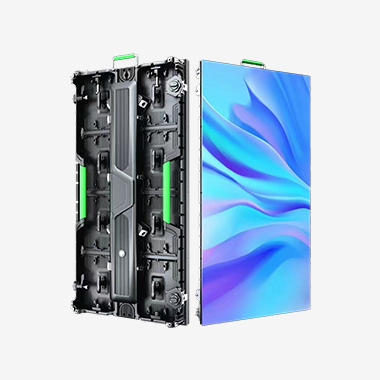
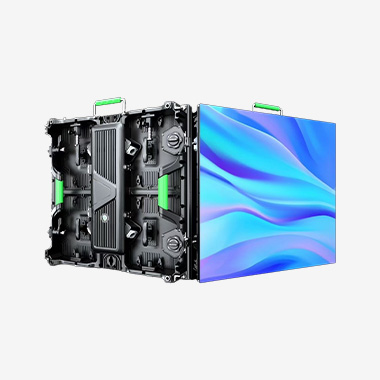
LED Modules: 320x160mm/640x320mm units with high-brightness SMD 2835/3535 LEDs (150–200 lm/W), UV-resistant silicone, and thick-copper FR4 PCBs (corrosion/heat resistance).
Enclosure: Aluminum alloy (lightweight) or stainless steel (coastal areas), IP65+ sealed with EPDM gaskets, sloped tops for drainage, and 5–8mm tempered glass (shatterproof).
Structure: Galvanized steel poles (10–15m) with 1.5–2m concrete foundations, vibration dampeners, and 1.5x weight load capacity.
Cooling: Passive heat sinks (standard) or low-power fans (hot climates, <10W).
Power/Control: 90%+ efficient SMPS with PFC, redundant supplies, and cloud-managed industrial controllers (Novastar/Linsn).
Manufacturing includes salt spray, temperature cycle, and wind tunnel testing, complying with FHWA (U.S.) or EN 12966 (EU) standards.
Functionality relies on four integrated systems, optimized for highway conditions:
1. LED Illumination: SMD RGB LEDs use electroluminescence—red (620–660nm), green (520–560nm), and blue (440–480nm) dies emit light when 5V/12V DC current passes through. Current adjustment creates 16.7M colors. High 150–200 lm/W efficacy enables 6,000–12,000 nits brightness, while matte encapsulants reduce glare and angled dies expand viewing angles. Aluminum heat sinks (plus fans in hot climates) keep dies at 40–60°C, preventing thermal droop.
2. Power Distribution: Dedicated grid circuits feed AC power to 90%+ efficient SMPS, converting to 5V/12V DC. Redundant supplies (1 backup/4–5 primaries) avoid downtime. Low-resistance copper cables minimize energy loss, with underground PVC conduits protecting wiring.
3. Content Processing: Sending cards split content into panel-specific segments; receiving cards translate signals to LED current adjustments. Cloud software (Pixelink/Adomni) enables remote scheduling (e.g., 6–10 AM breakfast ads) and calibration (±5% brightness uniformity).
4. Environmental Adaptation: Light sensors dim brightness at night (saving 70% power), while temperature sensors trigger fans. Vibration dampeners protect connections from highway traffic shocks.
Advantages:
High Engagement: 6,000–12,000 nits brightness and dynamic content (videos, real-time alerts) capture motorists’ attention better than static billboards—studies show 40% higher interaction rates.
Measurable ROI: Analytics track view counts (via traffic data), ad recall, and conversions (e.g., exit-specific fast-food visits), justifying marketing budgets.
Cost Efficiency: 30–50% lower energy use than early LEDs; 7–10-year lifespans reduce replacement costs. Ad revenue offsets highway maintenance for operators.
Safety & Versatility: Flicker-free 300Hz+ refresh rates avoid driver distraction. Displays double as emergency alert tools during accidents.
Challenges:
High Upfront Costs: \(1,500–\)3,000/m² installation (50m² wall = \(75k–\)150k) deters small advertisers.
Regulatory Hurdles: FHWA/EU limits on size/brightness (to prevent distraction) restrict design; permits take 2–6 months.
Maintenance Needs: Quarterly cleaning (\(500–\)1,500) and occasional module replacement (\(100–\)500/unit) add costs. Road salt corrodes components in cold climates.
Content Constraints: Short viewing windows require simple, bold content—complex graphics or small text are unreadable.
Applications:
Exit-Targeted Advertising: Near exits, fast-food chains (McDonald’s), gas stations (Shell), and hotels (Holiday Inn) promote immediate stops—content updates align with peak hours (e.g., 7–9 AM coffee ads).
Long-Haul Branding: Along interstates, automakers (Toyota), consumer goods (Coca-Cola), and travel companies (Hilton) build awareness with video ads, leveraging 50–200m visibility.
Public Safety: Governments use displays for traffic alerts (e.g., “Accident Ahead—Slow Down”) or weather warnings (hurricanes, blizzards), integrating with highway monitoring systems.
Infrastructure Funding: Private operators partner with media firms to install displays, using ad revenue to fund road repairs (common in China and Europe).
Future Trends:
AI-Driven Personalization: AI analyzes traffic data (e.g., commuter vs. vacationer) to deliver tailored ads—e.g., family hotels for SUVs.
Solar Integration: Thin-film solar panels on enclosures reduce grid reliance, ideal for remote highways.
5G-Enabled Updates: 5G cuts content latency, enabling real-time sports scores or live event feeds.
Sustainability: Recyclable aluminum enclosures and 100% efficient SMPS lower carbon footprints; take-back programs reduce e-waste.
Conclusion
Outdoor advertising LED display walls for highways have redefined DOOH media, balancing high visibility, durability, and efficiency to meet the unique needs of high-speed environments. Their ability to deliver dynamic, measurable content—while doubling as public safety tools—makes them invaluable for advertisers, highway operators, and communities.
While upfront costs and regulations pose barriers, advancements like AI personalization, solar integration, and cloud control are lowering hurdles. As highway travel rebounds post-pandemic and brands prioritize OOH reach, these displays will grow as a cornerstone of smart highway infrastructure.
Ultimately, they represent more than just advertising tools: they bridge commerce and public service, generating revenue for road maintenance while keeping motorists informed and safe. With a projected $15.2B market by 2030, their role in connecting brands to on-the-go audiences will only strengthen, solidifying their place in the future of digital advertising


Copyright © 2026 Shenzhen Cogo Technology Co.,Ltd.
All Rights Reserved

 Previous article