




 Chat Now
LED display video wall signage is a high-impact visual solution composed of multiple interconnected LED panels, forming a large, seamless screen for dynamic content delivery. Unlike single standalone displays, video walls excel in creating immersive, large-scale visuals—ranging from compact 2x2 panel setups for retail stores to massive 10x5+ configurations for control rooms or concert stages. Their core appeal lies in delivering uniform brightness, color consistency, and high resolution, making them ideal for scenarios where audience engagement and information clarity are critical.
Key characteristics include customizable sizes (shaped by panel quantity and dimensions), variable pixel pitches (from 0.9mm for close-up viewing to 10mm for large venues), and compatibility with diverse content types—videos, live feeds, animations, and data visualizations. Driven by advancements in LED chip technology and seamless panel design, video walls have expanded beyond traditional uses (like control rooms) into retail, hospitality, entertainment, and corporate spaces. They also prioritize user-friendliness, with intuitive control software enabling real-time content updates and remote management. As a central tool for modern visual communication, LED video walls bridge the gap between small-scale displays and oversized billboards, offering versatility to adapt to both intimate and grand environments.
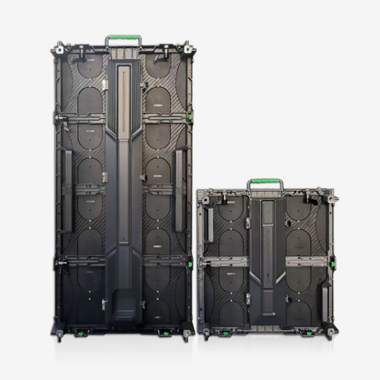
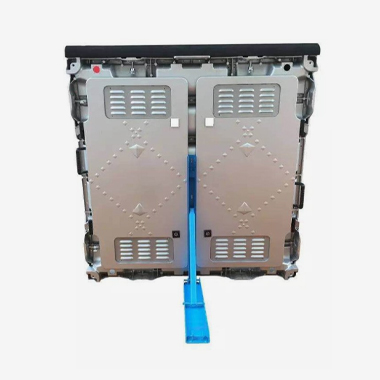
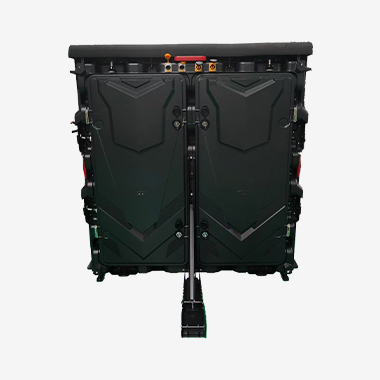
The design and construction of LED display video wall signage focus on seamless integration, durability, and performance optimization. At its core are modular LED panels—the building blocks, typically 500x500mm or 600x600mm, with edge-to-edge design to minimize visible gaps (bezels) between panels (often as narrow as 0.5mm for "seamless" effects). Each panel contains RGB LED diodes, driver ICs, and a lightweight circuit board; panel materials vary by use: indoor models use plastic or thin aluminum frames for slimness, while outdoor versions adopt corrosion-resistant aluminum alloy for weather protection.
Pixel pitch is a critical design factor: smaller pitches (0.9–2.5mm) suit indoor close-viewing (e.g., corporate lobbies), while larger pitches (3–10mm) work for outdoor or long-distance viewing (e.g., stadiums). The support structure depends on installation: wall-mounted video walls use rail systems for precise panel alignment; floor-standing setups use sturdy frames for stability; and curved video walls require flexible panels that bend to specific radii.
Outdoor video walls add protective features: IP65/IP67 waterproof ratings, anti-UV coatings to prevent color fading, and temperature control systems (fans or heat sinks) for extreme climates. The control system includes a sending card (connecting to a content source), receiving cards (per panel/group), and software (e.g., NovaLCT) for calibration—ensuring uniform brightness/color across all panels. Together, these elements create a cohesive, high-performance video wall tailored to specific environment needs.
LED display video wall signage operates through three interconnected processes: content processing, signal distribution, and pixel illumination—all synchronized to deliver seamless visuals. At the start, digital content (videos, images, data) is uploaded to a control computer with specialized software. This software processes the content to match the video wall’s total resolution (calculated by panel count and individual panel resolution) and splits it into segments, each assigned to a specific LED panel.
Next, a sending card (connected to the computer) transmits these content segments to receiving cards—one per panel or group of panels. Receiving cards convert digital signals into analog current, which is sent to driver ICs on each panel. Driver ICs regulate current flow to individual RGB LED diodes: adjusting red, green, and blue intensities to create millions of colors. For example, a white pixel requires full current to all three diodes, while a yellow pixel uses red and green.
Synchronization is key: receiving cards ensure all panels update simultaneously at a high refresh rate (300–1200Hz), eliminating flicker and screen tearing—critical for live feeds or fast-moving content. Indoor video walls may use ambient light sensors to adjust brightness, while outdoor models integrate weather sensors to optimize performance. This coordinated workflow ensures the video wall functions as a single, unified display, delivering clear, consistent visuals.
Key Advantages
Immersive Visual Impact: Large, seamless screens create engaging experiences—ideal for retail (product showcases), entertainment (concert backdrops), and control rooms (data visualization). High brightness (up to 800 nits indoor, 5000+ nits outdoor) ensures visibility in all lighting.
Flexibility and Scalability: Modular panels allow custom sizes/shapes (flat, curved, irregular), adapting to spaces like hotel lobbies or stadium endzones. Adding/removing panels simplifies upgrades or reconfigurations.
Durability and Longevity: LED diodes have a 50,000–100,000-hour lifespan, and indoor panels resist wear; outdoor models with IP ratings withstand rain, dust, and temperature swings (-30°C to 60°C), reducing replacement costs.
Energy Efficiency: LED technology uses 40–60% less power than LCD video walls of the same size, with auto-brightness adjustment cutting energy use further.
Notable Challenges
High Initial Cost: Premium panels (small pixel pitch, seamless design) and installation (alignment, structural support) make upfront investment steep—often a barrier for small businesses.
Calibration Complexity: Ensuring uniform brightness/color across panels requires professional calibration; mismatches cause visible "banding" or color shifts, harming visual quality.
Space and Weight Requirements: Large video walls need sturdy mounting (e.g., reinforced walls for 10+ panels) and sufficient ventilation, limiting installation in small or older buildings.
Content Optimization: Low-resolution content appears pixelated on large video walls; creating high-quality, properly scaled content demands specialized tools and skills, adding to operational costs.
Key Applications
Corporate and Control Rooms: Video walls serve as central hubs for data visualization—used in command centers (security, transportation) to display real-time metrics, or in boardrooms for presentations, with small pixel pitches ensuring clarity for close teams.
Retail and Hospitality: In malls or flagship stores, video walls showcase product videos or interactive campaigns (e.g., virtual try-ons); hotels use them in lobbies for branding or event announcements, enhancing guest experience.
Entertainment and Events: Concert venues and theaters use large video walls as stage backdrops, syncing visuals with performances; sports stadiums integrate them into scoreboards or perimeter displays for replays and ads.
Public Spaces: Airports and train stations use video walls for flight/train updates and wayfinding; museums deploy them for interactive exhibits, blending art with technology.
Future Trends
Micro-LED Technology: Smaller, self-illuminating micro-LEDs will boost resolution and color accuracy while reducing panel thickness, making video walls more versatile for tight spaces.
AI Integration: AI-driven software will automate calibration, detect faulty panels, and optimize content (e.g., adjusting brightness based on foot traffic), reducing manual maintenance.
Interactivity: Touch-enabled or gesture-controlled video walls will become common in retail and education, allowing users to interact with content (e.g., browsing product details via touch).
Sustainability: Solar-powered outdoor video walls and recyclable panel materials will align with eco-friendly goals, reducing carbon footprints for long-term use.
6. Conclusion of LED Display Video Wall Signage
LED display video wall signage has established itself as a transformative visual communication tool, redefining how spaces engage audiences through large-scale, dynamic content. Its core strength lies in versatility—adapting from compact corporate setups to grand entertainment stages—while delivering uniform brightness, durability, and energy efficiency. By replacing fragmented single displays with seamless, customizable walls, it enhances information clarity in control rooms, elevates brand experiences in retail, and creates immersive moments in entertainment.
While challenges like high initial costs and calibration complexity persist, technological advancements—micro-LEDs, AI integration, and sustainability features—are addressing these limitations. These innovations will not only lower barriers to entry but also expand video walls’ capabilities, enabling interactivity and smarter content management.
In the future, LED display video walls will remain a cornerstone of modern visual communication, bridging digital content and physical spaces to create more engaging, informative, and sustainable environments. Their ability to adapt to diverse needs ensures they will continue to shape how we consume information and experience the world around us.


Copyright © 2026 Shenzhen Cogo Technology Co.,Ltd.
All Rights Reserved

 Previous article