




 Chat Now
LED display event signs are specialized digital visual tools designed to enhance communication, engagement, and branding at temporary gatherings—including concerts, festivals, sports tournaments, corporate conferences, trade shows, and community events. Unlike permanent LED displays, these signs prioritize portability, fast deployment, and versatility to adapt to diverse event venues (from outdoor fields to indoor convention halls) and short-term use cycles (hours to weeks).
At their core, LED display event signs leverage LED technology to deliver dynamic content—such as live feeds, event schedules, brand logos, audience polls, and social media hashtags—that static signs (like banners or posters) cannot match. Key features tailored to events include modular designs (for easy assembly and customization of size/shape), lightweight construction (for transport to temporary venues), and flexible connectivity (Wi-Fi, 4G, or USB) for real-time content updates. Brightness levels are adjustable (800–6,000 nits) to suit indoor/outdoor lighting, ensuring visibility whether the event is a daytime outdoor festival or an evening indoor gala.
The demand for these signs has surged as events shift toward immersive, tech-driven experiences. Event organizers rely on them to keep attendees informed (e.g., schedule changes, wayfinding), boost engagement (e.g., interactive polls, live social walls), and reinforce branding (e.g., event themes, sponsor logos). From small info booth displays to large main-stage video walls, LED display event signs have become essential to creating memorable, well-organized events that stand out in a crowded industry.
The design and construction of LED display event signs are engineered to meet three event-specific priorities: portability for temporary setups, durability for short-term use in varied environments, and flexibility to adapt to diverse event needs. Every component is optimized to balance performance with practicality, ensuring the sign can be deployed quickly, operate reliably during the event, and packed up efficiently afterward.
Core Components and Event-Tailored Design
Modular LED Panels
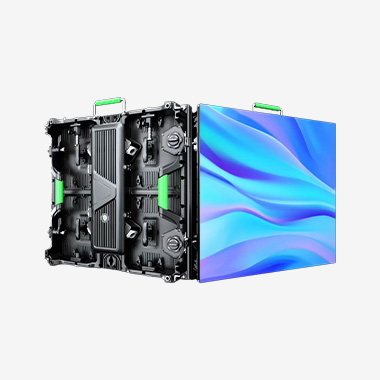
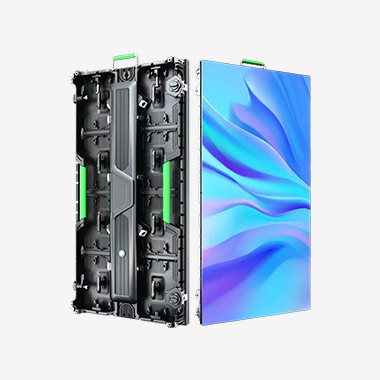
The foundation is lightweight, modular LED panels (typically 500x500mm or 600x600mm), weighing 3–7kg each—far lighter than permanent displays. This allows event teams to assemble the sign manually without heavy equipment, even in remote venues like fields or parking lots. Panels use SMD (Surface-Mounted Device) LED chips for sharp visuals and color accuracy, with pixel pitches ranging from 1.2mm (for indoor close-up viewing, e.g., trade show booths) to 5mm (for outdoor distant viewing, e.g., festival stages). They feature magnetic or quick-lock connectors for tool-free assembly, enabling setup in 1–2 hours and easy replacement of faulty modules mid-event.
Weatherproofing and Protective Features
For outdoor events, panels include basic weatherproofing (IP65 ratings) to withstand light rain, dust, and wind—critical for multi-day festivals or sports tournaments. The front surface uses shatterproof polycarbonate (lighter than glass) to protect LEDs from accidental bumps by attendees or equipment. Indoor-focused signs prioritize slim profiles and minimal wiring to blend with event decor, while outdoor models add reinforced frames to resist wind gusts (up to 50km/h).
Portable Mounting and Power Systems
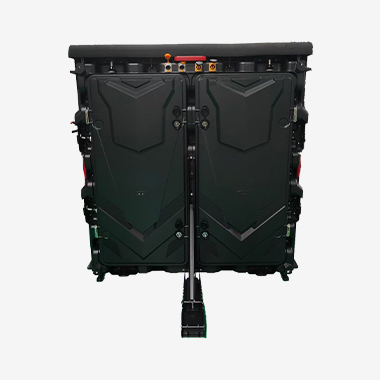
Mounting systems are designed for temporary use: foldable aluminum frames (for freestanding displays at info booths), truss-compatible brackets (for hanging above main stages), or rolling stands (for easy repositioning during events). These frames collapse into compact cases for transport, fitting into standard event trucks. Power systems use portable options: rechargeable lithium-ion batteries (providing 4–6 hours of runtime for small displays) or outdoor-rated extension cords with surge protection (for larger setups connected to venue power or generators).
In summary, the design prioritizes event practicality—lightweight, quick to set up, and durable enough for short-term use—ensuring the sign enhances, not hinders, event operations.
The working principle of LED display event signs revolves around three interconnected systems: the LED light-emitting system, the event-specific content control system, and the portable power management system. Together, these systems convert event content (schedules, live feeds, interactives) into visible, dynamic visuals while adapting to the temporary, fast-paced nature of events.
LED Light-Emitting System: Delivering Clear Visuals
At the core is the LED light-emitting system, which uses electroluminescence to generate light. Each LED chip emits light when an electric current passes through it; full-color signs use RGB (Red, Green, Blue) chips per pixel to create millions of color combinations—essential for event branding (e.g., matching a festival’s theme colors) or live content (e.g., sports team logos).
Brightness is adjustable via a built-in light sensor or manual controls: outdoor signs crank up to 4,000–6,000 nits to combat sunlight, while indoor signs dim to 800–1,500 nits to avoid eye strain. Wide viewing angles (170+ degrees) ensure attendees can see the sign from any spot—whether standing near a trade show booth or at the back of a festival field—critical for maximizing content reach.
Event-Specific Content Control System
The control system is optimized for fast, on-the-go updates—key for events with dynamic schedules. It includes a compact video processor (small enough to fit in an event staff’s backpack) that receives content from multiple sources: laptops (pre-recorded videos), cameras (live stage feeds), or smartphones (last-minute schedule changes). A user-friendly mobile app lets staff update content in real time—e.g., adding a “delay alert” for a rain-delayed sports game or displaying a “thank you” message to performers post-set.
For interactivity, the system integrates wireless tools: Bluetooth for audience polls (attendees vote via phones, results display instantly) or Wi-Fi for social media feeds (the sign pulls photos/tweets tagged with the event’s hashtag, creating a live “social wall”). This turns passive viewing into active engagement, a top priority for modern events.
Portable Power Management System
The power system adapts to temporary venues. Small displays (e.g., info booth signs) use rechargeable batteries with quick-charging capabilities (to last all event day), while large video walls connect to venue power or generators via weatherproof cords. Surge protection is built in to guard against voltage spikes (common with event generators), and low-power modes activate during breaks (e.g., between concert sets) to conserve energy.
In short, the working principles prioritize event flexibility—clear visuals for diverse lighting, quick content updates for dynamic schedules, and portable power for temporary venues—ensuring the sign supports seamless event execution.
LED display event signs offer unique advantages for event organizers, addressing the temporary, engagement-focused nature of gatherings—but they also present challenges related to cost, logistics, and content that must be managed to ensure event success.
Advantages
Dynamic Content and High Engagement: The most significant advantage is their ability to deliver dynamic, interactive content that static signs cannot match. Event organizers can display live feeds (e.g., concert performances, sports replays), real-time schedules, audience polls, or social media walls—all of which boost attendee engagement. Studies show events with LED signs see 40% higher participation in social media and interactive activities compared to events without. For example, a festival’s social wall (displaying attendee photos) encourages sharing, while a conference’s live polls make sessions more interactive.
Portability and Fast Deployment: Designed for temporary use, these signs are lightweight and modular—event teams can set up a 10x6ft video wall in under 2 hours, even in venues with no permanent infrastructure. Collapsible frames and compact transport cases reduce shipping and storage costs, especially for touring events (e.g., music festivals). This portability also allows flexibility: a sign can be moved from the entrance (welcome messages) to the main stage (live feeds) as the event progresses.
Flexibility for Diverse Events: LED display event signs adapt to any event type or venue. Indoor events (e.g., trade shows) use slim, high-resolution panels for booth displays, while outdoor events (e.g., sports tournaments) use weatherproof, bright panels for stage backdrops. They also customize to size: a small community fair might use a 2x3ft sign for info, while a large concert uses a 20x10ft video wall. This versatility eliminates the need for event-specific signage, reducing long-term costs.
Real-Time Updates for Unpredictable Events: Events are often unpredictable—schedules change, weather disrupts plans, or last-minute announcements arise. LED signs let organizers update content in real time via mobile apps: e.g., a rain delay at a soccer tournament can be announced instantly, or a conference’s session time can be adjusted mid-event. This agility keeps attendees informed and reduces confusion, improving overall satisfaction.
Challenges
Higher Cost Than Static Alternatives: LED display event signs are more expensive than traditional event visuals like banners or printed posters. Renting a small 2x3ft sign costs
300–
500 per event, while a large main-stage video wall can cost
2,000–
5,000. For small event organizers (e.g., local community fairs) with limited budgets, this cost can be prohibitive—forcing them to choose cheaper, less engaging options.
Power and Logistics for Off-Grid Events: Events in remote areas (e.g., camping festivals, rural fairs) often lack grid power, requiring generators or rechargeable batteries. Generators add noise and fuel costs, while batteries have limited runtime (4–6 hours) and need frequent recharging—disrupting content display during peak hours. Additionally, transporting the sign, power equipment, and tools to remote venues increases logistics complexity and costs.
Content Creation Burdens: To maximize the sign’s impact, organizers need high-quality, event-specific content (branding videos, live feeds, interactive polls). Creating this content requires time and expertise—e.g., editing a festival’s highlight reel or designing a social media wall. Small organizers without in-house design teams may need to hire freelancers, adding to costs. Poorly designed content (blurry logos, unreadable text) can undermine the sign’s effectiveness, wasting the investment.
Maintenance Risks During Events: While durable for short-term use, LED signs can face issues mid-event—dead pixels from rough transport, water damage from unexpected rain, or power glitches from generator issues. Fixing these requires technical expertise; event teams without trained staff must rely on rental providers for on-site support, which may incur extra fees or delays.
LED display event signs have a wide range of applications across event types, from small community gatherings to large-scale festivals. As event technology evolves, these signs are also integrating new features to enhance engagement, sustainability, and flexibility—aligning with the growing demand for immersive, eco-friendly events.
Applications
Music Festivals and Concerts: The most common application is music festivals and outdoor concerts, where LED signs serve as main-stage backdrops, side-stage displays, and info hubs. Main-stage backdrops show live concert feeds, artist visuals (e.g., music videos), or dynamic color patterns synced to music—creating an immersive atmosphere. Side-stage signs display setlists or artist social media handles, while info hubs show festival maps, schedule updates, and food vendor locations. For example, a pop festival might use a curved LED wall to wrap around the main stage, with colors changing to match each performer’s genre.
Sports Tournaments and Outdoor Games: Sports events (e.g., soccer tournaments, beach volleyball) use LED signs to display live scores, replays, team logos, and audience polls. A soccer tournament’s main field sign might show real-time scores for all games, while a side field sign displays player stats or sponsor ads. During breaks, interactive polls (e.g., “Who will win the next game?”) keep fans engaged. Large events like outdoor basketball tournaments use video walls to broadcast the championship game to attendees who can’t fit near the court.
Corporate and Trade Show Events: Corporations use LED signs for product launches, conferences, and trade show booths. A tech company’s product launch might use a large sign to display the new product’s features in high resolution, while a trade show booth could use a small sign to showcase customer testimonials or demo videos. Conferences use signs to guide attendees to sessions, display speaker bios, or broadcast live Q&As—making large venues more navigable and sessions more interactive.
Community and Local Events: Local events (food fairs, farmers’ markets, holiday parades) use smaller LED signs to enhance engagement. A food fair might display vendor menus and special offers (e.g., “Taco stand: 2 for 1 3–5 PM”), while a holiday parade could broadcast the parade live for attendees who can’t stand near the route. These signs help small events feel more professional, boosting attendance and community support.
Future Trends
AI-Driven Personalized Content: Artificial Intelligence (AI) will enable event signs to deliver personalized content based on attendee behavior. AI algorithms will analyze data like attendee location (via event apps), social media activity, or past attendance to tailor content—e.g., showing a foodie attendee ads for gourmet vendors, or a sports fan replays of their favorite team’s game. AI will also automate content updates, such as adjusting the schedule when an attendee checks in to a delayed session.
AR Integration for Immersive Experiences: Augmented Reality (AR) will merge with LED signs to create interactive experiences. Attendees will scan the sign with their smartphones to unlock AR content—e.g., a music festival sign that lets users “pose” with their favorite artist via AR, or a sports event sign that overlays AR stats (e.g., a player’s speed) on live feeds. This blurs physical and digital worlds, making events more shareable on social media.
Sustainable Power and Materials: As events prioritize sustainability, future LED signs will use eco-friendly power sources (solar panels for off-grid events) and recyclable materials (aluminum frames, recycled plastic components). Manufacturers will design signs for easy disassembly, allowing components to be recycled or reused after the event—reducing electronic waste. Rechargeable batteries will have longer runtimes, cutting reliance on generators.
Modular Flexibility for Custom Shapes: Future signs will offer even more modular flexibility, allowing organizers to create custom shapes (circular, triangular, or event-themed designs like a guitar for music festivals). Magnetic, tool-free connectors will make non-traditional shapes easy to assemble, enabling signs that match the event’s theme—e.g., a Halloween festival using a pumpkin-shaped LED sign.
Conclusion
LED display event signs have become a transformative tool for creating engaging, dynamic, and well-organized events—from small community fairs to large-scale festivals. Throughout this analysis, we’ve explored their event-tailored design, operational mechanics, advantages, challenges, diverse applications, and future potential—all of which highlight their role in elevating how events communicate with attendees and stand out in a competitive industry.
At their core, these signs address a key shift in event expectations: attendees no longer settle for static, one-dimensional visuals—they crave immersive, interactive experiences that connect them to the event and each other. By delivering dynamic content, portable design, and real-time updates, LED display event signs meet this demand, turning temporary spaces into engaging hubs of activity. Whether guiding a concert attendee to the main stage or letting a conference attendee vote in a live poll, they have redefined what’s possible for event visuals.
While challenges like cost and logistics exist, they are being mitigated by industry innovations—rental models make signs accessible to small organizers, solar power solves off-grid issues, and AI simplifies content creation. As events continue to evolve toward sustainability and immersion, these signs will adapt, integrating AR, eco-friendly materials, and personalized content to stay relevant.
In conclusion, LED display event signs are more than just event tools—they are essential to the modern event experience. They empower organizers to create events that are not only visually stunning but also informative, interactive, and adaptable. As the event industry grows, these signs will remain a key investment for organizers looking to deliver memorable experiences that keep attendees coming back. Their future is bright, aligned with the trend toward more tech-driven, immersive, and sustainable events.


Copyright © 2026 Shenzhen Cogo Technology Co.,Ltd.
All Rights Reserved

 Previous article