




 Chat Now
The urban landscape has been fundamentally transformed by the luminous, dynamic glow of LED display billboard walls. These are no longer simple signs; they are sophisticated, large-format digital canvases that have become the dominant medium for outdoor advertising, public information, and entertainment on a grand scale. An LED billboard wall is a self-emissive display technology constructed from modular panels, each containing a dense array of Light Emitting Diodes (LEDs) that work in concert to produce vibrant, high-resolution images and video capable of operating 24/7 in all weather conditions.
The journey of the commercial billboard is a story of technological evolution. It began with hand-painted posters, evolved to printed vinyl sheets that were manually pasted onto structures, and then to rotating prismatic billboards. The advent of Light Emitting Diodes marked the true revolution. Initially used for simple text-based signs, advancements in LED brightness, efficiency, and miniaturization allowed for the creation of full-color, video-capable displays. The shift from analog to digital was seismic. It meant that content could be changed instantly from a remote location, a single billboard could host multiple advertisers, and the impact of motion and light could be harnessed to capture attention in an unprecedented way.
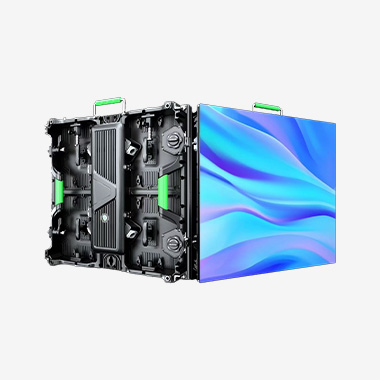
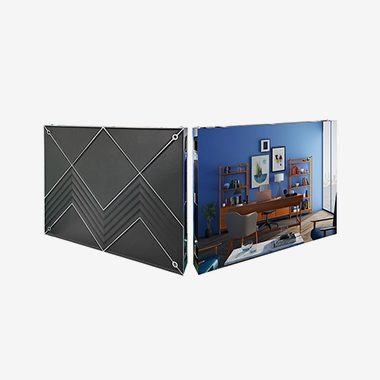
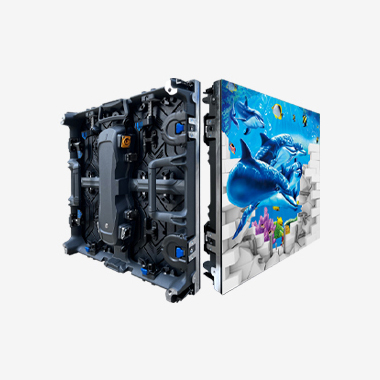
An LED billboard is fundamentally a modular system. Its core building block is the LED module, a small circuit board populated with clusters of red, green, and blue LEDs, along with the necessary driving electronics. These modules are housed within larger, ruggedized cabinets—the structural backbone of the display. These cabinets are engineered for outdoor durability, featuring robust aluminum construction, integrated cooling systems (fans or air conditioning), and advanced weatherproofing to achieve high Ingress Protection (IP) ratings, typically IP65, meaning they are dust-tight and protected against water jets. Multiple cabinets are then meticulously assembled and calibrated on a strong support structure to form a seamless, monolithic video wall of virtually any size.
The applications of these digital giants are vast and critical to modern commerce and communication. They are the kings of out-of-home (OOH) advertising, perched alongside highways, towering over Times Square, and adorning the facades of sports stadiums. Their ability to run targeted, time-sensitive ads (e.g., for breakfast in the morning and a restaurant at night) maximizes revenue for operators. Beyond advertising, they serve as vital public information hubs in city centers, broadcasting news, weather, emergency alerts, and cultural events. In the realm of entertainment, they are indispensable for creating immersive atmospheres in concert tours, live sports broadcasts, and theatrical productions.
The advantages over traditional static billboards are overwhelming. The dynamic nature of video and animation guarantees far greater audience attention and recall. The flexibility of digital content allows for real-time updates, interactive campaigns (via social media integration), and dayparting—showing different ads at different times of the day. For advertisers, this provides measurable engagement and a modern, impactful brand image. For operators, it transforms a single physical asset into a multi-income stream platform.
In essence, the LED billboard wall is a pinnacle of optoelectronic engineering, networking, and creative software. It has redefined the economics of outdoor advertising and become an iconic element of the 21st-century city. It is a testament to how a technology can evolve from a simple electronic component into a dominant force in media and urban aesthetics. The following sections will deconstruct its intricate design, explain the principles behind its dazzling imagery, and explore the challenges and future directions of this transformative technology.
The design and construction of a waterproof LED display billboard wall require meticulous attention to material selection, structural engineering, and waterproofing integration to ensure long-term reliability in outdoor environments. Every component, from the LED modules to the enclosure and wiring, is optimized to prevent water ingress and withstand environmental stressors like temperature fluctuations and UV radiation.
At the component level, the LED modules are the foundation. Each module contains RGB LED chips, a circuit board, and a protective cover. The circuit boards are coated with a waterproof conformal coating—usually a silicone or acrylic layer—that seals gaps and prevents moisture from damaging electronic components. The module covers are made of high-impact polycarbonate or tempered glass, both of which are water-resistant, UV-stabilized, and transparent enough to maintain image clarity. These modules are then assembled into panels, with gaskets (made of EPDM rubber or foam) placed between each panel to create a water-tight seal at the joints.
The enclosure housing the LED panels is another critical design element. Typically constructed from aluminum alloy or stainless steel, the enclosure is lightweight yet sturdy, capable of withstanding wind loads and physical impacts. The enclosure’s edges are sealed with waterproof adhesives or rubber gaskets, and all access points—such as ports for power and data cables—use waterproof connectors (e.g., M12 or IP68-rated USB connectors) to prevent water from seeping in. For added protection, some designs include a drainage system (e.g., small holes or channels) to redirect any accidental water accumulation away from internal components.
The structural support system is tailored to the installation location. For wall-mounted billboards, the support frame is made of corrosion-resistant steel or aluminum, bolted securely to the building’s exterior with waterproof fasteners. For free-standing billboards (common along highways), the frame is anchored to a concrete foundation, ensuring stability against strong winds. The frame also incorporates a tilt or angle adjustment feature to optimize viewing angles for the target audience.
During construction, quality control is paramount. After assembly, each billboard undergoes rigorous testing, including water spray tests (simulating heavy rain) and submersion tests (for IP68-rated models) to verify waterproof performance. Additionally, thermal testing ensures the display can operate within a wide temperature range (-30°C to 60°C), with heat sinks or fans integrated into the design to dissipate heat from the LED modules—preventing overheating and extending component lifespan. Finally, the control system (including the content management server and data transmission hardware) is installed in a separate waterproof cabinet, further safeguarding sensitive electronics from moisture. This comprehensive design and construction process ensures the waterproof LED display billboard wall delivers consistent performance in even the harshest outdoor conditions.
The mesmerizing video playback on an LED billboard is the result of a highly coordinated, real-time process that transforms a standard video signal into precise instructions for millions of individual LEDs. This process is a symphony conducted by sophisticated hardware and software, ensuring perfect color, timing, and synchronization across a vast digital canvas.
The Signal Pathway:
Content Source and Playback: The process begins with a video source. This is typically a dedicated media player—a small computer running specialized software. This player stores and sequences the advertising content, playlists, and schedules. It outputs a standard video signal, usually via HDMI or DisplayPort.
The Video Processor / Controller: This is the true brain of the operation. The raw video signal from the player is not suitable for direct use on the LED wall. The controller performs several critical functions:
Scaling: It scales the input video resolution (e.g., 1920x1080) to match the native resolution of the LED wall, which is a non-standard size determined by its physical pixel layout (e.g., 1600 pixels wide by 900 pixels high).
Color & Gamma Correction: It applies complex algorithms to ensure color uniformity across the entire display. Since LEDs can have slight variations, the controller uses a calibration file to adjust the output to each specific module or even individual LED, guaranteeing that a command for "red" looks identical everywhere.
Data Segmentation and Mapping: The controller divides the complete video frame into smaller segments. Each segment corresponds to the data required for a specific cabinet or group of cabinets. It knows the precise physical and logical layout of the entire wall.
Data Transmission: The processed data is sent from the controller to the display. For the long distances involved in large billboards, fiber optic cables are the preferred medium. Fiber is immune to electromagnetic interference (from power lines, etc.) and can carry massive amounts of data over hundreds of meters with zero signal degradation. At the display end, fiber optic receivers convert the light signals back into electrical data.
Cabinet-Level Processing: The data stream enters the billboard and is distributed to the receiving card inside each cabinet. This card is responsible for a specific section of the display. It takes its portion of the video data and further distributes it to the individual LED modules within its cabinet.
Pixel-Level Control: Scanning and Driving
This is where digital data becomes physical light. The driving ICs on the modules use a technique called multiplexing or scanning to control the LEDs.
Constant Current Drive: LEDs are current-driven devices. The drive ICs provide a constant current to the LEDs, ensuring consistent brightness regardless of minor voltage fluctuations.
Pulse-Width Modulation (PWM): LEDs are turned on and off at an incredibly high speed—thousands of times per second. The ratio of "on" time to "off" time within each cycle determines the perceived brightness. A longer "on" pulse makes the LED appear brighter; a shorter "on" pulse makes it dimmer. This is the primary method for creating grayscale (shades of light and dark).
Scanning: Instead of illuminating all rows of LEDs at once, the display refreshes by sequentially powering rows or groups of rows. For example, in a 1/16 scan design, the electronics only drive 1/16th of the display's pixels at any given nanosecond, cycling through all 16 sections rapidly. This drastically reduces the number of required components and power consumption. A high refresh rate (e.g., >1920Hz) ensures this scanning is imperceptible to the human eye, eliminating flicker and producing smooth motion.
Color Creation:
Each pixel is comprised of a red, a green, and a blue LED sub-pixel. By independently controlling the intensity (via PWM) of each of these three primary colors, the system can mix them to create millions of perceived colors. A command for white light is achieved by fully illuminating all three LEDs at their designated intensity.
Synchronization:
For the image to be perfectly cohesive, every cabinet in the wall must display its section of the frame at the exact same moment. The controller sends synchronization signals along with the video data to ensure that all receiving cards update their LEDs simultaneously, preventing any tearing or misalignment in the image.
In essence, the working principle is a masterclass in parallel processing and precision timing. It involves taking a single video stream, deconstructing it, sending the pieces across a network, and then orchestrating millions of tiny lights to switch on and off in perfect harmony and at blinding speeds to reconstruct the original image for the viewer. It is a seamless blend of data networking, video processing, and electrical engineering.
The ascent of LED billboard walls has been meteoric for a compelling set of reasons. However, their dominance is not without significant hurdles and criticisms. A balanced perspective requires a clear understanding of both their powerful advantages and their inherent challenges.
Advantages:
Unmatched Impact and Attention: Dynamic motion and light are scientifically proven to capture human attention far more effectively than static imagery. The ability to play video ads, animations, and real-time content makes messages more engaging, memorable, and impactful for brands.
Operational Flexibility and Efficiency: The core digital advantage is the ability to change content instantly and remotely. This enables:
Dayparting: Selling different advertising slots to different clients throughout the day (e.g., coffee in the morning, fast food at lunch, movies in the evening).
Real-Time Updates: Broadcasting live news, sports scores, social media feeds, or emergency alerts.
Centralized Management: A network of dozens of billboards across a country can be updated from a single control room, eliminating the cost and logistics of physical installers.
Superior Revenue Potential: A single digital billboard can generate the revenue of multiple static billboards by hosting a rotating portfolio of advertisers. This dramatically improves the return on investment for the operator.
High Brightness and All-Weather Operation: Designed specifically for outdoor use, these displays are dazzlingly bright, readable even in direct sunlight, and built to withstand rain, snow, wind, and extreme temperatures.
Creative Versatility: The canvas is limited only by imagination. Advertisers can create stunning motion graphics, tell short stories, and run interactive campaigns that prompt viewers to engage via their phones. They can also be used for non-advertising purposes like public art displays or community messaging.
Challenges and Criticisms:
High Initial Capital Investment: The upfront cost of a high-quality LED billboard, including the structure, display technology, installation, and permitting, is significantly higher than that of a traditional static billboard. This creates a high barrier to entry.
Significant Operational Costs: Unlike passive static billboards, digital walls consume substantial amounts of electricity to power the LEDs and cooling systems. Maintenance contracts are also essential to ensure uptime, adding to ongoing operational expenses.
Light Pollution and Driver Distraction: This is the most significant societal and regulatory challenge. The intense, bright, and changing displays, particularly at night, contribute to light pollution, obscuring the night sky and affecting nearby residents. More critically, there are ongoing concerns about their potential to distract drivers, raising safety issues. This has led to strict regulations in many municipalities governing brightness levels (especially at night), display timing, transition effects (e.g., banning quick flashes), and permitted locations.
Content Management and Technical Failures: The technology is complex. Failures can occur, from individual pixel outages creating "dead spots" to entire cabinet failures. While redundant systems are used, technical expertise is required for maintenance. Furthermore, the content management system must be robust and secure to prevent hacking or inappropriate content being displayed.
Permitting and Zoning Hurdles: Due to the concerns mentioned above, obtaining permits for new digital billboards can be a lengthy, expensive, and often contentious process. Many cities have outright bans or moratoriums on new digital installations.
Public Perception and Aesthetics: Critics often argue that digital billboards contribute to visual clutter and a "commercialization" of public space, detracting from the natural or architectural beauty of an area. They are sometimes seen as symbols of excessive consumerism.
In conclusion, the advantages of LED billboard walls are primarily economic and technological, offering powerful tools for advertisers and operators. The challenges, however, are environmental, social, and regulatory. The future growth of the industry depends on its ability to proactively address these challenges through technological mitigation (e.g., automatic brightness dimming), responsible practices, and working collaboratively with communities and regulators to find a acceptable balance between commercial appeal and public welfare.
While outdoor advertising remains the primary driver, the application of LED billboard walls has expanded into diverse sectors. Furthermore, the technology is not static; it is rapidly evolving, with clear trends pointing towards a more integrated, interactive, and intelligent future.
Expanding Applications:
Out-of-Home (OOH) Advertising: This is the core application. This includes:
Highway & Roadside: Large-format, high-brightness displays targeting vehicular traffic.
Urban Digital Spectaculars: The massive, iconic walls in places like Times Square, Piccadilly Circus, and Shibuya Crossing, which are tourist attractions in their own right.
Retail & Point-of-Sale (POS): Used on shopping malls, auto dealerships, and big-box stores to promote immediate, localized offers.
Sports and Entertainment Venues: No modern stadium or arena is complete without a massive center-hung scoreboard and ribbon displays encircling the seating bowl. They enhance the fan experience with instant replays, player stats, live feeds, and crowd-engaging animations.
Broadcast and Studio: LED walls have revolutionized television and film production. They are used as virtual backdrops (a technology popularized by The Mandalorian), creating photorealistic, dynamic environments that react to camera movement in real-time, eliminating the need for green screens and physical sets.
Corporate and Public Information: Used in corporate lobbies for branding and communications, in transportation hubs (airports, train stations) for wayfinding and schedules, and in city centers as digital kiosks for news, weather, and public service announcements.
Live Events and Concerts: Touring concerts use massive LED walls as dynamic stage backdrops, creating immersive visual experiences that are integral to the performance.
Future Trends:
Finer Pixel Pitches and Higher Resolution: The relentless march of miniaturization continues. As LED chips get smaller, so does the pixel pitch, enabling "4K" and "8K" resolution on larger outdoor screens. This will allow for closer viewing distances and more detailed, cinematic content.
Integration with Sensors and Interactivity (IoT): Billboards will evolve from broadcast mediums to interactive touchpoints. This involves integrating cameras (for anonymized audience measurement analytics), microphones, and environmental sensors. Future boards could:
Change content based on the demographic of the crowd detected (e.g., showing a car ad to adults and a video game ad to a younger group).
React to weather (showing soup ads on cold days).
Enable direct interaction via smartphones—viewers could "download a coupon" by pointing their phone at the board.
Artificial Intelligence in Content and Operations: AI will play a huge role in:
Content Optimization: AI algorithms can analyze performance data in real-time and automatically serve the most effective ad creative for a given time or audience.
Predictive Maintenance: AI can monitor the performance of each cabinet, predicting failures before they happen by analyzing power consumption, heat output, and LED degradation trends, scheduling maintenance to prevent downtime.
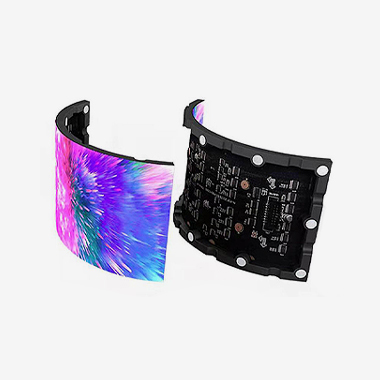
Transparent and Flexible LED Technologies: While currently more niche, the adoption of transparent LED films and flexible mesh panels will grow. This allows for installation on glass-fronted buildings without completely blocking the view, enabling more architecturally sympathetic integrations.
Improved Sustainability: The focus on reducing the massive power consumption will intensify. This will be achieved through more efficient LED chips, better power supplies, and advanced cooling systems. The use of solar panels to offset energy use will become more common.
Programmatic Advertising: The digital OOH industry is moving towards programmatic buying—an automated, auction-based system where ad space is bought and sold in real-time, much like online advertising. This will make it easier for smaller advertisers to access prime digital billboard space.
The future LED billboard wall will be less of a simple display and more of an intelligent, connected urban node. It will be a data-gathering, audience-aware, environmentally responsive platform that seamlessly blends digital information with the physical world, offering unprecedented opportunities for engagement while facing increased scrutiny over its privacy and societal impact.
Conclusion
The LED display billboard wall has irrevocably altered the media and urban landscape. It stands as a powerful testament to technological progress, representing the culmination of advancements in semiconductor physics, networking, and software engineering. It has successfully transitioned the age-old practice of outdoor advertising from a static, analog medium into a dynamic, digital, and data-rich ecosystem.
Its value proposition is undeniable. For advertisers, it offers an unparalleled combination of impact, flexibility, and measurability. The ability to deliver motion-rich, timely, and targeted messages on a grand scale provides a level of engagement that static media simply cannot match. For media operators, it represents a revolutionary business model, transforming a single physical asset into a multi-faceted, high-yield revenue stream through dayparting and programmatic sales. For the public, it serves as a giant canvas for information, entertainment, and, when used thoughtfully, civic art.
However, its journey is a narrative of balance. The very features that make it so effective—its brilliance and dynamism—also source its greatest challenges. Issues of light pollution, driver distraction, and visual clutter are not trivial concerns but legitimate societal considerations that have rightly spurred strict regulatory frameworks. The future of the industry hinges on its continued commitment to responsible innovation. This means not just developing brighter and higher-resolution screens, but also smarter ones: displays that automatically dim to appropriate nighttime levels, that are powered by renewable energy, and that integrate sensitively into the urban fabric.
The technological trajectory is clear. The billboard is evolving from a dumb screen into a perceptive node in the Internet of Things. It will become interactive, responsive, and perhaps even anticipatory. The fusion of AI, computer vision, and real-time data will create experiences that are personalized and contextually relevant, blurring the line between advertisement and service.
In conclusion, the LED billboard wall is more than just a tool for commerce; it is a defining feature of the modern era. It reflects our always-on, media-saturated, and technologically driven world. While it must continue to evolve and adapt to ethical and environmental standards, its presence is assured. It has proven its utility, its profitability, and its potency as a medium. As it becomes more integrated and intelligent, the LED billboard will continue to shine brightly, not just as a beacon of consumerism, but as a significant and enduring platform for communication in the public sphere.


Copyright © 2026 Shenzhen Cogo Technology Co.,Ltd.
All Rights Reserved

 Previous article