





 Chat Now
LED display stage lighting signs have emerged as a revolutionary force in the world of stage production, transforming the way performances are presented and experienced. These signs seamlessly integrate the functions of traditional stage lighting and digital displays, leveraging the advanced technology of light - emitting diodes (LEDs) to create dynamic, versatile, and visually stunning stage environments.
At their core, LED display stage lighting signs combine the ability to project high - quality visual content, such as images, videos, and animations, with the power to illuminate the stage with a wide range of colors, intensities, and lighting effects. Unlike conventional stage lighting systems or static display screens, LED display stage lighting signs offer a high degree of flexibility and control, allowing stage designers and directors to craft immersive and engaging experiences that enhance the narrative and emotional impact of performances.
The applications of LED display stage lighting signs span across various forms of live entertainment, including theater productions, music concerts, dance performances, opera shows, and large - scale events. In a theater play, these signs can be used to set the scene, display backdrops that change according to the act or scene, and project visual elements that complement the dialogue and actions of the actors. For music concerts, they serve as dynamic backdrops that synchronize with the rhythm and mood of the music, displaying artist logos, lyrics, and captivating visual effects that enhance the overall concert experience for the audience.
The rise in popularity of LED display stage lighting signs can be attributed to several factors. Technological advancements in LED technology have made these signs more efficient, reliable, and cost - effective. LEDs offer a longer lifespan compared to traditional lighting sources, reducing the frequency of bulb replacements and maintenance costs. They also consume less energy, which is not only environmentally friendly but also helps to lower production costs. Additionally, the development of high - resolution LED panels and advanced control systems has enabled the creation of more detailed and vibrant visual displays, meeting the growing demands of modern stage productions for more immersive and visually appealing experiences.
Another driving force behind the adoption of LED display stage lighting signs is the increasing creativity and innovation in stage design. Directors and designers are constantly seeking new ways to push the boundaries of traditional stage production and create unique and memorable experiences for the audience. LED display stage lighting signs provide them with a powerful tool to bring their creative visions to life, allowing for greater flexibility in set design, lighting design, and visual storytelling.
The design and construction of LED display stage lighting signs are complex processes that require a multidisciplinary approach, involving expertise in lighting design, electrical engineering, mechanical engineering, and digital media. The design phase begins with a thorough understanding of the performance requirements, including the type of event, the theme of the production, the size of the stage, and the desired visual and lighting effects.
For the structural design, materials are selected based on factors such as durability, weight, and ease of installation. Aluminum is a commonly used material due to its lightweight yet sturdy properties, making it suitable for both permanent and temporary stage installations. It also offers good heat - dissipation capabilities, which are essential for maintaining the optimal operating temperature of the LED components, ensuring their longevity and performance. In some cases, steel may be used for larger and more robust structures, especially when the signs need to support heavy LED panels or withstand harsh stage environments.
The LED panels are the heart of the LED display stage lighting sign. When selecting LED panels, key factors such as resolution, brightness, color accuracy, and viewing angle are carefully considered. Resolution determines the clarity and detail of the visual content displayed on the sign. For stage applications, a relatively high resolution is often required to ensure that the images and videos are sharp and clear, even when viewed from a distance. Brightness is another crucial factor, as the panels need to be visible and impactful in various lighting conditions on the stage. High - quality LED panels with a high color - rendering index (CRI) are preferred to ensure accurate color reproduction, which is essential for creating realistic and visually appealing stage environments.
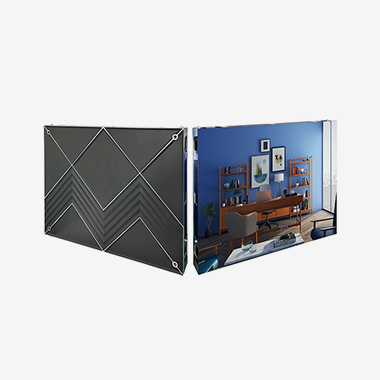
In terms of construction, the LED panels are typically arranged in a modular fashion. Each module contains an array of LED chips, which are individually controlled by a driver circuit. The driver circuit regulates the current flowing through each LED chip, enabling precise control over the color and brightness of each pixel. The modules are interconnected using electrical and data cables, which are designed to transmit power and digital signals with high speed and reliability.
The control system of the LED display stage lighting sign is a sophisticated component that manages both the lighting and display functions. It includes lighting controllers, media players, processors, and specialized software. The lighting controllers are responsible for adjusting the intensity, color, and lighting effects of the LED panels, allowing for the creation of a wide range of lighting scenarios. The media player stores and plays pre - recorded videos, images, and animations, while the processor processes digital signals from various sources, such as computers, media servers, or live event feeds. The software provides users with the ability to create, edit, and schedule content, as well as adjust display settings such as brightness, contrast, and color temperature. Advanced control systems may also offer features like real - time content updating, synchronization with audio and other stage elements, and integration with other stage management systems.
During the construction process, precise assembly and calibration are essential. The LED panels must be installed accurately to ensure a seamless visual surface, and the control system needs to be configured correctly to ensure proper operation. Rigorous testing is conducted after installation to check for any pixel failures, color inconsistencies, or lighting irregularities, ensuring that the LED display stage lighting sign is ready to deliver a high - quality performance.
The operation of LED display stage lighting signs is based on a combination of LED technology, digital signal processing, and lighting control principles. At the fundamental level, the LED chips function by emitting light when an electric current passes through them. In an RGB (red, green, blue) LED system, which is commonly used in these signs, different intensities of red, green, and blue light are combined through the principle of additive color mixing to produce a vast spectrum of colors.
The control system of the LED display stage lighting sign plays a central role in its operation. For the lighting function, the lighting controller receives commands from the stage lighting designer or operator. These commands can be in the form of pre - programmed lighting scenes or real - time adjustments. The lighting controller then sends electrical signals to the LED panels, adjusting the current flowing through the LED chips to control the intensity, color, and lighting effects of the panels. For example, it can create smooth color fades, dynamic strobe effects, or focused spotlights, depending on the requirements of the performance.
For the display function, the control system receives digital content from various sources, such as computers, media servers, or cameras. This content is typically in the form of digital image or video files, encoded in formats such as JPEG, PNG, MP4, or AVI. The media player in the control system decodes the digital media files and sends the video frames or image data to the processor. The processor then processes the content, extracting the color and intensity information for each pixel. It also ensures that the content is properly formatted and scaled to match the resolution of the LED display.
The processed digital signals are then transmitted to the LED panels through a high - speed data transmission interface, such as HDMI, DisplayPort, or SDI (Serial Digital Interface). Each LED panel contains a driver circuit that receives the digital signals. The driver circuit uses these signals to control the current flowing through the individual LED chips in each pixel, adjusting the brightness of the red, green, and blue LEDs to create the desired colors and form the complete image or video on the display.
To ensure a seamless integration of the lighting and display functions, the control system is designed to synchronize the two aspects. This can be achieved through various means, such as time - code synchronization, which allows the lighting and display elements to be precisely coordinated with the audio and other stage elements of the performance. For example, the lighting effects can be programmed to change in sync with the beat of the music, while the visual content on the display sign can be updated to match the mood and theme of the performance.
Advantages
One of the most significant advantages of LED display stage lighting signs is their unparalleled versatility. They can serve multiple functions simultaneously, acting as both a lighting source and a display screen. This eliminates the need for separate lighting and display systems, simplifying the stage setup and reducing the overall cost and complexity of stage production. Moreover, the ability to change the lighting effects and display content in real - time allows for greater creativity and flexibility in stage design, enabling directors and designers to adapt the stage environment to the evolving needs of the performance.
Another major advantage is the high - quality visual and lighting effects they can produce. LED technology offers excellent color accuracy, brightness, and contrast, resulting in vibrant and lifelike visuals. The ability to display high - resolution images and videos, combined with the dynamic lighting effects, creates an immersive and engaging experience for the audience. Whether it's a large - scale concert with elaborate visual displays or a small - scale theater production with subtle lighting cues, LED display stage lighting signs can enhance the overall quality and impact of the performance.
LED display stage lighting signs are also highly energy - efficient. Compared to traditional lighting sources, such as incandescent bulbs or halogen lamps, LEDs consume significantly less power while producing the same or even higher levels of brightness. This not only reduces the energy costs of stage productions but also makes them more environmentally friendly. Additionally, the long lifespan of LEDs means less frequent replacement of components, further reducing maintenance costs and downtime.
In terms of durability, LED display stage lighting signs are designed to withstand the rigors of stage use. They are built with robust materials and advanced manufacturing techniques to ensure they can handle the demands of frequent setup, transportation, and operation. The modular design of the signs allows for easy replacement of faulty components, minimizing downtime and ensuring that the performance can continue without interruption.
Challenges
Despite their numerous advantages, LED display stage lighting signs also face several challenges. One of the primary challenges is the high initial cost. The development and production of these signs require advanced technology and high - quality components, such as high - resolution LED panels, sophisticated control systems, and powerful media players. The cost of purchasing, installing, and setting up a LED display stage lighting sign can be substantial, which may be a barrier for smaller theater companies, community groups, or independent event organizers with limited budgets.
Another challenge is the technical complexity involved in operating and maintaining the signs. The control systems and software require specialized knowledge and skills to operate effectively. Any issues with the LED panels, electrical connections, or control systems can result in display problems, such as pixel failures, color inaccuracies, or lighting malfunctions. Regular maintenance, including software updates, hardware checks, and calibration, is necessary to ensure optimal performance. However, finding qualified technicians with the expertise to handle LED display stage lighting systems can be difficult and costly, especially in areas with a limited pool of technical talent.
The integration of LED display stage lighting signs with other stage elements and systems can also pose challenges. Ensuring compatibility with existing audio systems, stage machinery, and other production equipment requires careful planning and coordination. In some cases, additional hardware or software may be required to achieve seamless integration, which can add to the overall cost and complexity of the stage production.
Finally, the quality and reliability of LED display stage lighting signs can vary significantly depending on the manufacturer and the quality of the components used. Poor - quality signs may suffer from issues such as color fading, brightness degradation, or problems with the control system, which can affect the performance and the overall experience for both the performers and the audience. It is crucial for stage producers to choose reputable manufacturers and suppliers and conduct thorough quality checks before investing in a LED display stage lighting sign.
Applications
LED display stage lighting signs have a wide range of applications in the performing arts and event industries. In theater, they are used to create realistic and dynamic set designs. For example, a historical play can use the LED display stage lighting sign to project backdrops of different historical periods, while the lighting effects can be adjusted to create the appropriate atmosphere, such as a dimly lit dungeon or a bright and sunny marketplace.
In music concerts, these signs are an essential part of the stage production. They can display high - quality videos of the artists, music lyrics, and visually stunning effects that synchronize with the music. For a pop concert, the LED display stage lighting sign can create a vibrant and colorful environment, with constantly changing visuals that match the energetic beats of the songs. For a more intimate acoustic performance, the signs can be used to display soft and subtle visuals that enhance the mood of the music.
In dance performances, LED display stage lighting signs can add an extra layer of visual interest. They can display abstract patterns, colors, and shapes that complement the movements of the dancers, creating a more immersive and engaging experience for the audience. The lighting effects can also be used to highlight the dancers' movements and create different moods and atmospheres throughout the performance.
At large - scale events, such as festivals, award shows, and sporting events, LED display stage lighting signs are used to create a grand and spectacular atmosphere. They can display live event feeds, advertisements, and promotional content, as well as create stunning visual displays that entertain and engage the audience.
Future Trends
The future of LED display stage lighting signs is filled with exciting possibilities, driven by continuous technological advancements and evolving creative demands in the stage production industry. One of the major trends is the development of even higher - resolution displays. As the demand for more detailed and immersive visual experiences increases, manufacturers are likely to produce LED panels with ultra - high - definition (UHD) and 8K resolutions. This will enable stage designers to create more realistic and detailed backdrops, projections, and visual effects, enhancing the overall quality of stage productions.
Integration with emerging technologies such as artificial intelligence (AI), virtual reality (VR), and augmented reality (AR) is another significant trend. AI can be used to analyze the mood and tempo of the performance in real - time and automatically adjust the lighting and display content accordingly, creating a more dynamic and responsive stage environment. VR and AR integration could potentially create immersive stage experiences, allowing the audience to feel more engaged and involved in the performance. For example, AR could be used to overlay virtual elements onto the real - world stage, creating a more magical and interactive experience.
There will also be a growing focus on energy - efficiency and sustainable design. As environmental awareness increases in the event industry, manufacturers are likely to develop more energy - efficient LED display stage lighting signs with longer lifespans. The use of renewable energy sources, such as solar - powered systems, may become more common. Additionally, the development of more sustainable manufacturing processes and materials, such as recyclable LED components and biodegradable packaging, will contribute to a more environmentally friendly stage production industry.
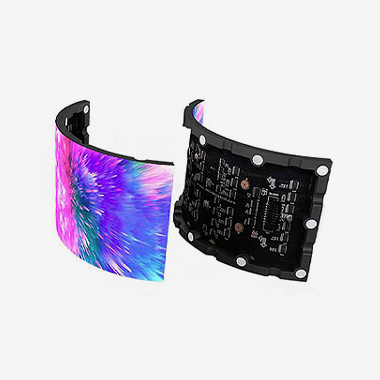
Another trend is the development of more flexible and adaptable LED display stage lighting signs. Flexible LED panels that can be curved, bent, or shaped to fit different stage designs will offer greater design flexibility. Additionally, portable and modular systems that are easy to transport, assemble, and disassemble will become more popular, making it easier for smaller event organizers and touring productions to use these advanced lighting and display solutions.
Conclusion
LED display stage lighting signs have revolutionized the world of stage production, offering a powerful and versatile tool for creating immersive and engaging performances. Their ability to combine high - quality visual displays with dynamic lighting effects has significantly enhanced the overall experience for both performers and audiences, opening up new possibilities for creative expression in the performing arts and event industries.
Despite the challenges they face, such as high costs, technical complexity, and integration issues, the continuous advancements in LED technology and the increasing demand for innovative stage experiences are driving the adoption and evolution of these signs. As technology continues to progress, we can expect LED display stage lighting signs to become even more advanced, intelligent, and sustainable. The integration of emerging technologies, the focus on higher resolutions, and the development of more flexible and energy - efficient solutions will further enhance their capabilities, enabling them to play an even more significant role in shaping the future of stage production and the way we experience live entertainment.


Copyright © 2026 Shenzhen Cogo Technology Co.,Ltd.
All Rights Reserved

 Previous article