




 Chat Now
A full - color LED display sign represents a pinnacle of modern digital display technology, leveraging the power of light - emitting diodes (LEDs) to produce a vast spectrum of colors, enabling the creation of vivid, high - definition visual content. Unlike traditional single - color or limited - color LED displays, full - color LED signs utilize a combination of red, green, and blue (RGB) LEDs as the fundamental color - generating elements. Through precise control of the intensity of these three primary colors, full - color LED signs can reproduce any color within the visible spectrum, offering a level of color accuracy and visual richness that closely mimics real - world scenes.
These signs have revolutionized the way information is communicated and advertisements are presented across various industries. In the advertising realm, full - color LED display signs have become a dominant medium, allowing brands to showcase their products and messages with stunning visuals that can capture and hold the attention of audiences in even the most bustling environments. The ability to display dynamic videos, high - resolution images, and intricate animations in full color makes these signs far more engaging than static or monochromatic displays, significantly increasing the effectiveness of advertising campaigns.
In addition to advertising, full - color LED display signs are widely used in public information dissemination. In transportation hubs such as airports, train stations, and bus terminals, they are employed to display real - time flight schedules, train departures and arrivals, and other important announcements. The clear and colorful display of information ensures that passengers can easily access and understand the content, improving the overall efficiency of the transportation system. In public squares and urban centers, these signs are used to display news, weather forecasts, and cultural event information, serving as a vital source of information for the general public.
The growing popularity of full - color LED display signs can be attributed to several factors. Firstly, continuous advancements in LED technology have made these signs more energy - efficient, reliable, and cost - effective. The development of more efficient LED chips, along with improvements in manufacturing processes, has reduced the overall production cost while enhancing the performance and lifespan of the displays. Secondly, the increasing demand for high - quality visual communication in the digital age has driven the need for more advanced display solutions. Full - color LED display signs meet this demand by providing a flexible and versatile platform for presenting a wide variety of content, from simple text messages to complex multimedia presentations.
The design and construction of full - color LED display signs are intricate processes that demand a harmonious blend of electrical engineering, optical design, and industrial design expertise. The initial design phase commences with a thorough understanding of the sign's intended application, installation location, viewing distance, and budget constraints.
For the structural framework, materials are selected based on their strength, durability, and heat - dissipation properties. Aluminum is a commonly chosen material due to its lightweight yet robust nature, making it suitable for both indoor and outdoor installations. It offers good heat - dissipation capabilities, which are crucial for maintaining the optimal operating temperature of the LED components, ensuring their longevity and stable performance. In outdoor applications where the sign needs to withstand harsh weather conditions, such as strong winds, rain, and extreme temperatures, steel may be used in combination with aluminum to provide additional strength and stability.
The LED panels are the heart of the full - color LED display sign. When selecting LED panels, several key factors are carefully considered. Brightness is a critical parameter, especially for outdoor signs, as they need to be visible in direct sunlight. Panels with a high brightness rating, typically measured in nits, are preferred to ensure that the content remains clear and eye - catching under various lighting conditions. Color accuracy is another vital aspect, and panels with a high color - rendering index (CRI) are sought after to ensure that the displayed colors are true to life, enhancing the overall visual appeal of the sign.
Pixel pitch, which refers to the distance between adjacent pixels on the LED panel, is also a crucial consideration. A smaller pixel pitch results in a higher - resolution display, which is ideal for applications where the sign will be viewed from a close distance, such as in indoor digital signage or small - scale outdoor displays. In contrast, for large - scale outdoor signs where viewers are at a greater distance, a larger pixel pitch may be sufficient, as it can reduce the cost while still providing a clear visual experience.
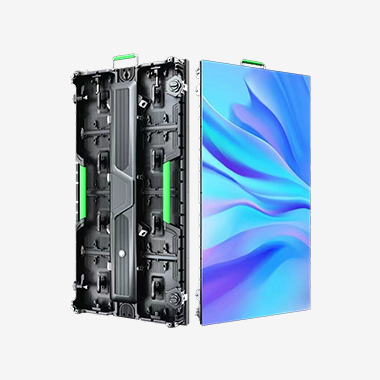
In terms of construction, the LED panels are usually arranged in a modular fashion. Each module contains an array of RGB LED chips, which are individually controlled by a driver circuit. The driver circuit is responsible for adjusting the current flowing through each LED chip, enabling precise control over the color and brightness of each pixel. The modules are interconnected using electrical and data cables, which transmit power and digital signals, ensuring seamless operation and synchronization of the entire display.
The control system of the full - color LED display sign is a sophisticated component that manages the display of content. It typically includes media players, processors, and software. The media player stores and plays pre - recorded videos, images, and animations. The processor processes digital signals from various sources, such as computers, media servers, or cameras, and converts them into signals that can be understood by the LED panels. The software provides users with the ability to create, edit, and schedule content, as well as adjust display settings such as brightness, contrast, and color temperature. For more advanced applications, the control system may also support features like real - time content updating, remote monitoring, and interaction with other digital systems.
During the construction process, precise assembly and calibration are essential. The LED panels must be aligned perfectly to ensure a seamless visual surface, and the control system needs to be configured accurately to ensure proper operation. Rigorous testing is conducted after installation to check for any pixel failures, color inconsistencies, or synchronization errors, guaranteeing that the full - color LED display sign delivers a high - quality visual experience.
The operation of full - color LED display signs is based on the principles of additive color mixing and digital signal processing. At the core of the display, the RGB LEDs work on the principle that when red, green, and blue light are combined in different intensities, they can produce a wide range of colors. Each pixel on the LED panel is composed of individual red, green, and blue LED chips. By adjusting the amount of current flowing through each of these chips, the display can create any color within the visible spectrum.
The control system of the full - color LED display sign plays a central role in its operation. It receives digital content from various sources, which can include computers, media servers, cameras, or other digital devices. This content is typically in the form of digital image or video files, encoded in formats such as JPEG, PNG, MP4, or AVI.
The media player in the control system decodes the digital media files and sends the video frames or image data to the processor. The processor then processes the content, extracting the color and intensity information for each pixel. To support the display of high - quality, dynamic content, the processor must be able to handle data at high speeds and perform complex calculations in real - time.
The processed digital signals are then transmitted to the LED panels through a network of cables or wireless communication technologies, such as Wi - Fi, Ethernet, or Bluetooth. Each LED panel contains a driver circuit that receives the digital signals. The driver circuit uses these signals to control the current flowing through the individual RGB LED chips in each pixel. Based on the received signals, the driver circuit adjusts the brightness of the red, green, and blue LEDs, thereby creating the desired color for each pixel and forming the complete image or video on the display.
To ensure a seamless visual experience across the entire display, the control system also manages the synchronization between the individual LED panels. This synchronization is achieved through precise timing signals, which are generated by the control system and transmitted to each panel. The refresh rate of the LED panels, which determines how often the image is updated, is an important parameter. A higher refresh rate ensures smoother animations and reduces the likelihood of visual artifacts, such as flickering, providing a more comfortable and engaging viewing experience for the audience.
In addition, many full - color LED display signs are equipped with features such as real - time content management. This allows users to update the display content instantly, for example, to display breaking news, real - time event information, or time - sensitive promotions. Remote control functionality is also commonly available, enabling users to manage the sign from a central location, adjust display settings, and troubleshoot issues without the need for physical access to the sign.
Advantages
One of the most significant advantages of full - color LED display signs is their exceptional visual appeal. The ability to display a vast range of vivid colors with high accuracy and brightness makes these signs highly effective in capturing and holding the audience's attention. Whether it's a colorful advertisement, an engaging video, or detailed information display, full - color LED signs can convey messages with clarity and impact, making them an ideal choice for marketing, branding, and communication purposes.
Another major advantage is the flexibility and versatility of content display. Full - color LED display signs can be customized to suit various applications, from small - scale indoor signs to large - scale outdoor billboards. They can display a wide variety of content types, including images, videos, animations, text, and even interactive media. The real - time content update feature enables businesses and organizations to respond quickly to changing circumstances, such as new product launches, promotional events, or 突发新闻,ensuring that the signage remains relevant and up - to - date.
Full - color LED display signs are also highly energy - efficient. Compared to traditional display technologies, such as fluorescent lights or incandescent bulbs, LEDs consume significantly less power while producing the same or even higher levels of brightness. This not only reduces electricity costs but also makes full - color LED signs more environmentally friendly, contributing to a lower carbon footprint. Moreover, LEDs have a long lifespan, typically lasting tens of thousands of hours, which reduces the frequency of component replacements and maintenance requirements, further lowering the overall cost of ownership.
In terms of durability, full - color LED display signs are designed to withstand various environmental conditions. They are resistant to shock, vibration, and temperature changes, making them suitable for both indoor and outdoor applications. The modular design of the signs makes it easy to identify and replace faulty components, minimizing downtime and ensuring continuous operation. Additionally, many full - color LED display signs are equipped with advanced control systems and user - friendly interfaces, making them easy to operate and maintain.
Challenges
Despite their numerous advantages, full - color LED display signs also face several challenges. One of the primary challenges is the high initial cost. The purchase, installation, and setup of a full - color LED display sign, especially for large - scale or high - resolution displays, require a significant investment. This cost includes the LED panels, the structural framework, the control system, and professional installation services. For small businesses or organizations with limited budgets, this high upfront cost can be a barrier to adoption.
Another challenge is the technical complexity involved in operating and maintaining full - color LED display signs. The control systems and software require specialized knowledge and skills to operate effectively. Any issues with the LED panels, electrical connections, or control systems can result in display problems, such as pixel failures, color inconsistencies, or synchronization errors. Regular maintenance, including cleaning the display surface, checking for component wear and tear, and software updates, is necessary to ensure optimal performance. However, finding qualified technicians with the expertise to handle these tasks can be difficult and costly, especially in areas with a limited pool of technical talent.
The quality and reliability of full - color LED display signs can vary significantly depending on the manufacturer and the quality of the components used. Poor - quality LED displays may suffer from issues such as color fading, brightness degradation, or premature failure, which can affect the effectiveness of the sign and lead to additional costs for repairs or replacements. It is crucial for users to choose reputable manufacturers and suppliers and conduct thorough quality checks before purchasing a full - color LED display sign.
Finally, there may be regulatory and environmental considerations associated with the use of full - color LED display signs. In some regions, there are regulations regarding the size, brightness, and location of outdoor signs to address concerns such as light pollution, traffic safety, and visual aesthetics. Additionally, the disposal of LED components at the end of their lifespan requires proper handling to minimize environmental impact, as some components may contain hazardous materials.
Applications
Full - color LED display signs have a wide range of applications across various industries. In the advertising industry, they are used for outdoor billboards, storefront displays, and digital signage in shopping malls. These signs can display eye - catching advertisements, product demonstrations, and promotional offers, attracting customers and increasing brand visibility. For example, a large - scale full - color LED billboard on a busy highway can showcase a car manufacturer's latest model with high - quality images and videos, reaching a large number of potential customers.
In the entertainment industry, full - color LED display signs play a crucial role in enhancing the visual experience of concerts, sports events, and theaters. They are used as stage backdrops, scoreboards, and video walls, creating immersive and engaging environments for the audience. During a concert, a full - color LED video wall can display dynamic visuals that synchronize with the music, enhancing the overall performance and creating a more memorable experience for the viewers.
In the transportation industry, full - color LED display signs are used for airport and train station signage, bus stop displays, and traffic information boards. They provide real - time information to travelers, such as flight schedules, train departures and arrivals, and traffic conditions. The clear and colorful displays make the information easy to read and understand, helping travelers navigate more efficiently.
Full - color LED display signs also have applications in the education, healthcare, and hospitality industries. In education, they can be used for classroom displays, campus signage, and educational presentations. In healthcare, they can be used for patient information displays, wayfinding signage, and medical training simulations. In hospitality, they can be used for hotel lobby displays, restaurant menus, and event promotion, enhancing the guest experience.
Future Trends
The future of full - color LED display signs is filled with exciting possibilities, driven by continuous technological advancements and evolving market demands. One of the major trends is the development of higher - resolution displays. As the demand for more detailed and realistic visual content increases, manufacturers are expected to produce full - color LED displays with ultra - high - definition (UHD) and 8K resolutions. This will enable the display of more intricate details, such as fine textures in images and smooth motion in videos, providing a more immersive visual experience.
Integration with emerging technologies such as artificial intelligence (AI), the Internet of Things (IoT), and 5G is another significant trend. AI can be used to analyze audience behavior and preferences, enabling more targeted and personalized content delivery. IoT integration allows for the remote monitoring and management of multiple LED display signs, improving operational efficiency and reducing maintenance costs. 5G technology will enable faster data transfer speeds, facilitating the seamless streaming of high - definition content and real - time updates on the displays.
There will also be a growing focus on energy - efficiency and sustainable design. As environmental concerns increase, manufacturers are likely to develop full - color LED displays with even lower power consumption and longer lifespans. The use of renewable energy sources, such as solar power, to operate these displays may also become more common. Additionally, the development of more sustainable manufacturing processes and materials, such as recyclable LED components, will contribute to a more environmentally friendly display industry.
Another trend is the development of more interactive and intelligent full - color LED display signs. The integration of touch - screen technology, gesture recognition, voice control, and augmented reality (AR) features will enable more engaging and interactive user experiences. For example, in a shopping mall, a full - color LED display sign could allow customers to interact with virtual products using AR, or use voice commands to search for specific information, transforming the way people interact with digital signage.
Conclusion
Full - color LED display signs have emerged as an essential and powerful tool in modern visual communication, offering a wide range of advantages in terms of visual appeal, flexibility, energy efficiency, and durability. Their applications span across various industries, making them a versatile solution for advertising, information dissemination, and entertainment.
Despite the challenges they face, such as high initial costs, technical complexity, and regulatory considerations, the continuous advancements in LED technology and the increasing demand for high - quality visual solutions are driving the adoption and evolution of full - color LED display signs. As technology continues to progress, we can expect these signs to become even more advanced, intelligent, and sustainable, further transforming the way we communicate, interact, and experience the world around us. The future of full - color LED display signs is bright, and they are set to play an even more significant role in shaping the digital landscape of the 21st century.


Copyright © 2026 Shenzhen Cogo Technology Co.,Ltd.
All Rights Reserved

 Previous article