




 Chat Now
The landscape of advertising is perpetually evolving, and at the forefront of its digital transformation is the LED TV display panel. This technology has become the cornerstone of modern out-of-home (OOH) and retail marketing, offering a dynamic and captivating alternative to traditional static media. Unlike consumer televisions, advertising LED displays are engineered for durability, high-impact visibility, and continuous operation, making them ideal for commercial environments where reliability and performance are paramount.
An advertising LED TV display panel is a self-contained, high-brightness digital signage solution designed for both indoor and outdoor applications. These panels leverage light-emitting diode (LED) technology to deliver vibrant, high-resolution content that can be updated remotely and in real-time. The term "TV" in this context refers to their function as video display devices rather than their construction; they are modular systems that can be scaled to virtually any size or aspect ratio, far beyond the constraints of off-the-shelf televisions.
The evolution of advertising LED displays is marked by significant advancements in pixel pitch, brightness, and energy efficiency. Early digital signs were often cumbersome, low-resolution, and suitable only for limited applications. However, the development of fine-pitch and ultra-fine-pitch LED technology has revolutionized the industry, enabling displays with pixel densities high enough for close-range viewing. This has expanded their use from large-scale billboards to intimate retail settings, where clarity and detail are crucial for engaging consumers.
Key characteristics that define modern advertising LED TV panels include:
High Brightness and Contrast: Capable of producing luminance levels ranging from 500 to 5,000 nits (depending on the environment), these displays maintain visibility even in direct sunlight or brightly lit indoor spaces. High contrast ratios ensure deep blacks and vivid colors, enhancing the overall visual impact.
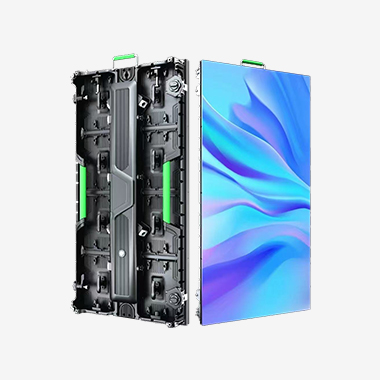
Modularity and Scalability: Constructed from individual panels or cabinets, these displays can be configured to create custom sizes and shapes, accommodating unique architectural features or specific advertising needs.
Durability and Reliability: Built for 24/7 operation, advertising LED panels are designed to withstand continuous use, with components rated for long lifespans and minimal maintenance.
Networked Connectivity: Equipped with Wi-Fi, Ethernet, or cellular connectivity, these displays can be managed remotely, allowing for seamless content updates, scheduling, and performance monitoring.
In essence, the advertising LED TV display panel represents a fusion of technological innovation and marketing strategy. It empowers brands to deliver compelling, timely messages with unparalleled flexibility, transforming passive advertising spaces into interactive engagement points. As the demand for dynamic content grows, these displays are poised to become even more integral to the advertising ecosystem, driving brand awareness and consumer interaction in an increasingly digital world.
The design and construction of an LED TV display panel for advertising are meticulously engineered to balance visual performance, durability, and ease of deployment. Every component is optimized for commercial use, ensuring reliability in diverse environments while delivering stunning image quality that captures and retains viewer attention.
1. LED Technology and Pixel Configuration
At the core of these displays are the LEDs themselves, which are typically configured using Surface-Mounted Device (SMD) technology. SMD LEDs house red, green, and blue diodes within a single package, allowing for compact design and improved color mixing. For advertising applications, pixel pitch—the distance between the centers of adjacent pixels—is a critical factor. Fine-pitch LEDs (e.g., P1.2 to P2.5) are used for close-viewing scenarios like retail stores, while larger pitches (e.g., P3 to P10) are employed for outdoor billboards where viewing distances are greater. The choice of pixel pitch directly influences resolution, with finer pitches enabling higher pixel densities and sharper images.
2. Panel Structure and Enclosure
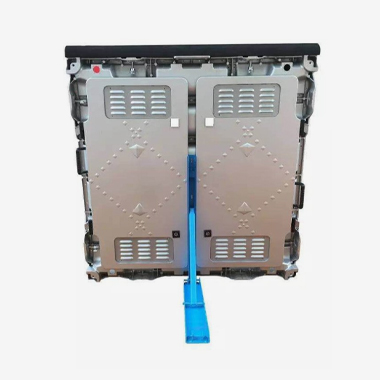
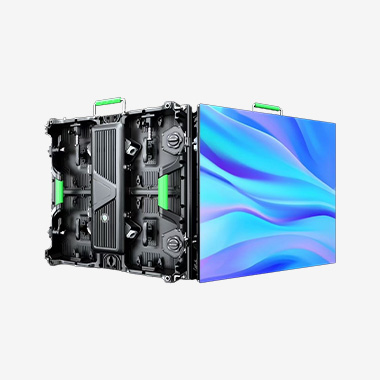
Advertising LED panels are built with robust enclosures designed to protect internal components from environmental factors. Indoor panels often feature slim, lightweight designs with aluminum or sheet metal frames, prioritizing aesthetics and ease of installation. Outdoor panels, however, are constructed with die-cast aluminum cabinets that offer superior weather resistance, typically rated IP65 (dust-tight and protected against water jets). These enclosures include gaskets, sealed connectors, and sometimes laminated glass fronts to safeguard against moisture, dust, and physical impact.
3. Thermal Management Systems
Heat dissipation is a major consideration in LED display design, as excessive heat can reduce lifespan and color accuracy. Advertising panels incorporate advanced thermal management systems, often relying on passive cooling through aluminum heat sinks for indoor use. Outdoor panels may use active cooling with high-flow fans to maintain optimal temperatures under direct sunlight or high ambient heat. Efficient thermal design ensures consistent performance and longevity, even during extended operation.
4. Power Supply and Electronics
The power supply units (PSUs) in advertising LED panels are engineered for high efficiency (often >90%) to minimize energy waste and heat generation. These PSUs convert AC mains power to the low-voltage DC required by the LEDs. Driver integrated circuits (ICs) control current delivery to each pixel, utilizing pulse-width modulation (PWM) to achieve precise brightness and color levels. Modern panels also feature built-in media players and controllers, reducing the need for external hardware and simplifying the overall system architecture.
5. Calibration and Color Consistency
To ensure uniform appearance across the entire display, each LED panel undergoes rigorous factory calibration. Using spectroradiometers, technicians measure color output and brightness levels, generating correction coefficients that are stored onboard. During operation, the display's processor applies these corrections in real-time, eliminating variations between modules and ensuring consistent color reproduction—a critical factor for brand integrity in advertising.
6. Mounting and Integration
Advertising LED panels are designed for flexible installation, with options for wall mounting, ceiling suspension, or integration into custom structures. Many feature front-serviceable components, allowing for maintenance without disassembling the entire display. This user-centric design minimizes downtime and reduces long-term ownership costs.
In summary, the construction of an advertising LED TV panel is a holistic process that prioritizes performance, reliability, and scalability. From the selection of LEDs to the design of enclosures and thermal systems, every aspect is tailored to meet the demands of commercial advertising, ensuring that these displays deliver impactful visuals while enduring the rigors of continuous use.
The operation of an LED TV display panel for advertising is a sophisticated interplay of hardware precision and software intelligence, designed to deliver dynamic content with reliability and efficiency. Understanding these principles reveals how these transforms digital signals into compelling visual experiences.
1. Image Formation through Additive Color Mixing
Each pixel on the display consists of red, green, and blue (RGB) sub-pixels. By varying the intensity of these primary colors, the panel can produce millions of hues through additive color mixing. The intensity of each sub-pixel is controlled via pulse-width modulation (PWM), where driver ICs rapidly switch the LEDs on and off. The duty cycle (the ratio of on-time to off-time) determines the perceived brightness. For example, a 50% duty cycle results in half brightness, while a 100% duty cycle delivers full brightness. This method ensures precise control over color and luminance without compromising LED lifespan.
2. Content Processing and Signal Management
The journey from content creation to display involves several critical steps:
Content Creation: Advertisements are designed as video files, images, or animations, often tailored to the display's native resolution.
Content Management System (CMS): Using cloud-based software, advertisers upload content, schedule playlists, and set display parameters. The CMS communicates with the display via network connections (Wi-Fi, Ethernet, or cellular).
Onboard Processing: The display's integrated media player receives and decodes content, converting it into a format compatible with the LED panel. The video processor then scales the content to match the display's resolution and applies color calibration data to ensure uniformity.
Data Distribution: Processed signals are sent to driver ICs, which translate digital commands into PWM signals for each LED. Data is typically distributed in a daisy-chain fashion across modules, ensuring synchronized performance.
3. Environmental Adaptation
Modern advertising LED panels are equipped with sensors that enable adaptive functionality:
Ambient Light Sensors: These detect surrounding light levels and automatically adjust the display's brightness. This ensures optimal visibility while reducing energy consumption during darker periods.
Temperature Sensors: Monitoring internal temperatures allows the system to modulate cooling fans or reduce brightness if overheating is detected, protecting components from damage.
4. Remote Monitoring and Control
Network connectivity enables real-time management and diagnostics:
Health Monitoring: The system continuously tracks parameters like power usage, temperature, and LED status, alerting operators to potential issues before they affect performance.
Content Updates: Advertisers can push new content to displays instantly, enabling timely campaigns such as flash sales or real-time promotions.
Usage Analytics: Some systems collect data on content performance and viewer engagement, providing insights for optimizing advertising strategies.
5. Energy Efficiency Mechanisms
Energy-efficient operation is achieved through multiple strategies:
High-Efficiency Components: Premium LEDs and drivers convert more electrical power into light, reducing waste heat.
Dynamic Power Management: By dimming the display during low-ambient-light conditions or displaying darker content, power consumption is significantly lowered.
Smart Scheduling: Content can be scheduled to turn off or reduce brightness during off-hours, further conserving energy.
In essence, the working principle of an advertising LED TV panel is a blend of precision engineering and intelligent software control. It ensures that every watt of power is used effectively to deliver vibrant, attention-grabbing content while maintaining reliability and adaptability to changing conditions.
The adoption of LED TV display panels in advertising offers transformative benefits, but it also presents unique challenges that businesses must navigate to maximize their investment. A balanced understanding of both aspects is crucial for successful implementation.
Advantages:
High Impact and Engagement: Dynamic motion and vibrant colors capture attention more effectively than static media. The ability to display video content, animations, and real-time information creates an immersive experience that enhances brand recall and consumer engagement.
Flexibility and Timeliness: Content can be updated instantly and remotely across multiple locations. This enables:
Dayparting: Showing contextually relevant ads (e.g., breakfast menus in the morning).
Real-Time Campaigns: Promoting flash sales or responding to current events.
A/B Testing: Quickly evaluating different creatives to optimize performance.
Durability and Longevity: Designed for continuous operation, high-quality LED panels offer lifespans exceeding 100,000 hours. Their solid-state construction minimizes maintenance needs and reduces long-term costs compared to traditional signage.
Customization and Scalability: Modular designs allow for custom sizes and shapes, enabling unique installations that fit specific spaces or creative concepts. Displays can be scaled from small retail screens to massive outdoor billboards.
Energy Efficiency: Modern panels consume significantly less power than earlier generations. Features like automatic brightness adjustment and high-efficiency components help reduce operational expenses and environmental impact.
Data-Driven Insights: Networked displays can integrate with analytics platforms to measure viewer engagement, dwell time, and content effectiveness, providing valuable data for refining advertising strategies.
Challenges:
High Initial Investment: The upfront cost of purchasing and installing LED displays is substantial. This includes not only the panels themselves but also supporting infrastructure like mounting systems and content management software.
Content Production Demands: Dynamic signage requires a steady stream of high-quality video content, which can be more resource-intensive to produce than static graphics. Maintaining fresh, engaging content is essential to avoid viewer fatigue.
Technical Complexity: Operating and maintaining these systems requires specialized knowledge. Issues such as software glitches, connectivity problems, or component failures may necessitate expert troubleshooting, potentially leading to downtime.
Environmental Considerations: Outdoor installations must withstand weather extremes, requiring robust enclosures and climate control systems. Even with these protections, harsh conditions can accelerate wear and increase maintenance needs.
Power Dependency and Consumption: While efficient, large displays still consume significant electricity. Ensuring reliable power supply and managing energy costs are ongoing concerns, especially for 24/7 operations.
Regulatory Compliance: Depending on the location, digital signage may be subject to regulations regarding brightness, content, and placement. Navigating these requirements can be complex and time-consuming.
Viewing Distance Limitations: Choosing the wrong pixel pitch for the intended viewing distance can result in poor image quality. For example, a coarse pitch used in a close-range setting will appear pixelated, undermining the visual impact.
In conclusion, the advantages of LED TV display panels—particularly their ability to deliver engaging, adaptable advertising—make them a powerful tool for modern marketers. However, the challenges of cost, content, and technical management require careful planning and partnership with experienced providers. Businesses that address these challenges effectively can leverage LED technology to create compelling advertising campaigns that drive brand growth and customer engagement.
The versatility of LED TV display panels has led to their adoption across a wide range of advertising applications. Simultaneously, technological advancements are continuously expanding their capabilities, paving the way for innovative uses and greater integration into the consumer journey.
Applications:
Retail Advertising: Used in stores and shopping malls to promote products, highlight offers, and enhance the customer experience. Digital shelves and end-cap displays provide dynamic pricing and product information, reducing the need for physical labels.
Outdoor Billboards and Spectaculars: Large-format displays in high-traffic areas offer unmatched visibility for brand campaigns. Their ability to rotate multiple ads increases revenue potential for media owners.
Corporate Communications: Installed in lobbies and offices to showcase brand messaging, company news, and performance metrics. They reinforce corporate identity and engage employees and visitors.
Transportation Hubs: Airports, train stations, and bus shelters use digital signs for advertising, wayfinding, and displaying real-time schedule information. They reach captive audiences with high dwell times.
Sports and Entertainment Venues: Stadiums and arenas deploy LED panels for advertising, scores, replays, and fan engagement. They enhance the live experience and provide valuable sponsorship opportunities.
Restaurants and Hospitality: Digital menu boards streamline ordering, promote specials, and allow for easy updates. Hotels use them for event promotions and guest information.
Future Trends:
Hyper-Personalization with AI: Artificial intelligence will enable displays to show tailored content based on audience demographics (e.g., age, gender) or behavior, captured via anonymous sensors. For example, a display might show a car ad to someone who recently visited an automotive website.
Interactivity and Immersion: Touch screens, gesture control, and augmented reality (AR) integration will transform passive viewing into active experiences. Shoppers might use a display to visualize products in their home or access additional information.
Transparent LED Technology: Transparent panels will become more common, allowing for digital content overlays on store windows without obstructing the view inside. This creates engaging "magic window" effects.
Programmatic Advertising: Automated, real-time ad buying will extend to digital OOH displays. Advertisers will target specific audiences at specific times, optimizing ad spend and relevance.
Sustainability Focus: Energy efficiency will improve through better LEDs, solar integration, and smart power management. Displays will also use more recyclable materials and modular designs for easier repair and reduced e-waste.
5G and Edge Computing: Faster connectivity will enable higher-resolution content and real-time data processing. Displays will respond instantly to external triggers like weather or social media trends.
Holographic and 3D Displays: Advances in optics will make glasses-free 3D effects more practical, creating eye-catching illusions that draw attention and enhance memorability.
The future of advertising LED panels lies in their evolution from simple display devices to intelligent, connected platforms. They will become integral components of smart cities and retail environments, delivering context-aware content that blends seamlessly with the physical world. As technology advances, these displays will offer even greater opportunities for creativity and engagement, reshaping how brands connect with consumers.
Conclusion
The LED TV display panel has fundamentally reshaped the advertising industry, establishing itself as a dynamic and indispensable medium for brand communication. Its ability to combine the impact of large-format visuals with the flexibility of digital content has created new possibilities for engagement, allowing advertisers to connect with audiences in more meaningful and memorable ways.
The value proposition of these panels is clear: they offer unparalleled versatility, enabling real-time updates, targeted messaging, and immersive experiences that static signage cannot match. By transforming advertising spaces into interactive touchpoints, they bridge the gap between physical and digital marketing, providing a platform for creativity and innovation. The advantages of durability, energy efficiency, and scalability further enhance their appeal, making them a sound long-term investment for businesses seeking to maximize their advertising ROI.
However, realizing this potential requires careful consideration of the associated challenges. The initial investment, content demands, and technical complexities necessitate strategic planning and partnership with experienced providers. Businesses must approach LED advertising as a holistic system, considering not only the hardware but also the content strategy, maintenance, and integration with broader marketing efforts.
Looking ahead, the future of LED TV display panels is bright and filled with potential. Emerging trends like AI-driven personalization, interactive features, and sustainable design will continue to elevate their capabilities, making them even more effective and accessible. As these technologies mature, we can expect to see deeper integration into everyday environments, from smart retail stores to connected urban spaces.
In conclusion, the LED TV display panel is more than just a tool for showing ads; it is a catalyst for transformation in the advertising industry. It empowers brands to tell their stories with greater impact, adapt to changing market conditions with agility, and build stronger connections with their audiences. As technology continues to advance, these displays will undoubtedly play an increasingly central role in shaping the future of advertising, driving growth and innovation for years to come.


Copyright © 2026 Shenzhen Cogo Technology Co.,Ltd.
All Rights Reserved

 Previous article