




 Chat Now
LED mesh display walls have emerged as a revolutionary solution in the field of visual display technology, combining high - performance lighting and innovative design. These display walls are composed of a network of lightweight, flexible LED modules arranged in a mesh - like structure, which offers unique advantages over traditional LED displays.
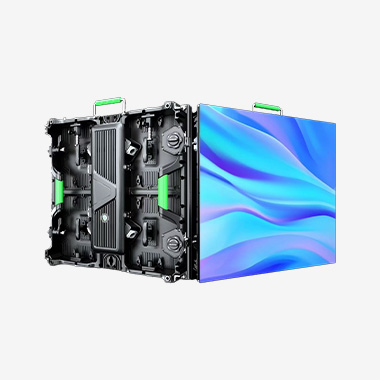
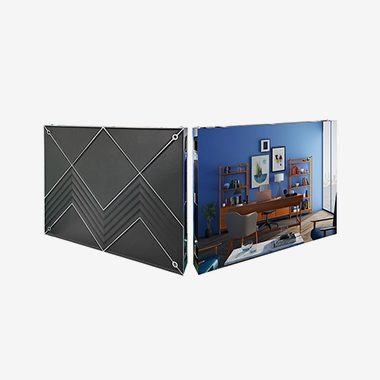
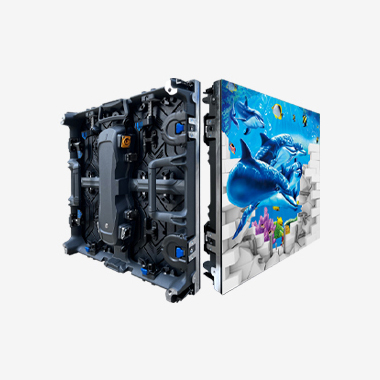
The concept of LED mesh displays originated from the need for more versatile and energy - efficient display solutions. Traditional LED displays, while effective, often come with limitations such as heavy weight, high power consumption, and limited flexibility in installation. LED mesh display walls address these issues by utilizing a modular design. Each module in the mesh is relatively small and lightweight, making it easier to handle during installation and transportation. This modularity also allows for easy maintenance, as individual modules can be replaced without affecting the entire display.
One of the most notable features of LED mesh display walls is their transparency. Depending on the design, these displays can achieve a transparency rate of up to 80%, which is a significant improvement compared to traditional LED displays. This transparency makes them ideal for a wide range of applications, especially in architectural facades, where they can blend seamlessly with the building structure while still providing a high - quality visual display.
In addition, LED mesh display walls offer high - definition visuals. With advancements in LED technology, these displays can produce vivid colors, high contrast ratios, and excellent brightness levels. They are capable of displaying various types of content, including videos, images, and real - time data, making them suitable for both indoor and outdoor use.
LED mesh display walls also have a relatively long lifespan, typically ranging from 50,000 to 100,000 hours of continuous operation. This long lifespan, combined with their energy - efficient nature, makes them a cost - effective solution in the long run, despite the potentially higher initial investment compared to some traditional display options.
The design and construction of LED mesh display walls are crucial processes that determine the overall performance, functionality, and aesthetic appeal of the final product. The design phase begins with a thorough understanding of the intended application and the specific requirements of the client.
Design Considerations
Transparency: As mentioned earlier, transparency is a key feature of LED mesh displays. Designers need to balance the level of transparency with the visual quality of the display. A higher transparency rate may be desirable for architectural applications, but it may require more advanced LED technology and a more complex design to ensure that the display still offers clear and sharp visuals.
Resolution and Pixel Pitch: The resolution and pixel pitch of the LED mesh display are important factors that affect the image quality. A smaller pixel pitch results in a higher - resolution display, which is suitable for applications where the audience will be viewing the display from a close distance. For outdoor applications or large - scale displays, a larger pixel pitch may be sufficient and more cost - effective.
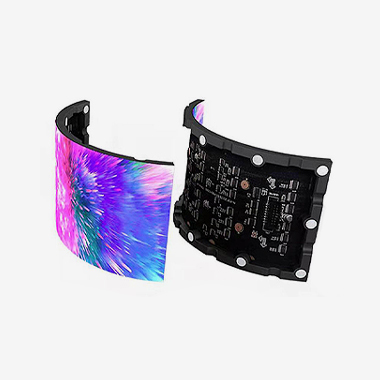
Flexibility and Curvature: Some applications may require the LED mesh display to be curved or flexible. Designers need to consider the mechanical properties of the materials used in the display, such as the flexibility of the circuit boards and the durability of the LED modules, to ensure that the display can conform to the desired shape without affecting its performance.
Environmental Resistance: For outdoor LED mesh display walls, the design must take into account environmental factors such as weather conditions (rain, wind, sunlight), temperature variations, and humidity. Special materials and coatings are often used to protect the LED modules and other components from damage caused by these environmental factors.
Construction Process
Module Fabrication: The construction of LED mesh display walls starts with the fabrication of individual LED modules. These modules typically consist of LED chips, a printed circuit board (PCB), and a protective cover. The LED chips are soldered onto the PCB, which provides the electrical connections and controls the operation of the LEDs. The protective cover is then added to shield the LED chips from dust, moisture, and physical damage.
Mesh Assembly: Once the LED modules are fabricated, they are assembled into a mesh - like structure. This is usually done by connecting the modules together using a series of cables or connectors. The mesh structure can be customized according to the design requirements, such as the size, shape, and aspect ratio of the display.
Installation: The installation of LED mesh display walls can be a complex process, especially for large - scale or high - rise installations. Specialized equipment and trained professionals are often required to ensure the safe and proper installation of the display. The display may be mounted on the facade of a building, inside a stadium, or in other public spaces, depending on the application.
Testing and Calibration: After the installation is complete, the LED mesh display wall needs to be thoroughly tested and calibrated. This includes checking the electrical connections, testing the functionality of each LED module, and calibrating the color and brightness of the display to ensure a consistent and high - quality visual experience.
The working principles of LED mesh display walls are based on the fundamental properties of light - emitting diodes (LEDs) and digital signal processing.
LED Technology
LEDs are semiconductor devices that emit light when an electric current passes through them. The color of the light emitted by an LED depends on the type of semiconductor material used and the energy bandgap of the material. In LED mesh display walls, a combination of red, green, and blue (RGB) LEDs is commonly used to produce a wide range of colors. By varying the intensity of the red, green, and blue LEDs, any color within the visible spectrum can be created.
The basic operation of an LED involves the injection of electrons and holes into the semiconductor material. When an electron and a hole recombine, energy is released in the form of photons, which results in the emission of light. The efficiency of this process, known as electroluminescence, has been continuously improved over the years, making LEDs more energy - efficient and brighter.
Digital Signal Processing
To display images and videos on an LED mesh display wall, digital signal processing techniques are employed. The input signal, which can be in the form of a video file, live video feed, or data stream, is first converted into a digital format if it is not already in one. This digital signal is then processed by a controller, which divides the image or video into individual pixels.
The controller sends signals to each LED module in the mesh, specifying the intensity of the red, green, and blue LEDs for each pixel. These signals are transmitted through a network of cables or wireless communication protocols, depending on the design of the display. The LED modules receive the signals and adjust the brightness of their respective LEDs accordingly, resulting in the formation of the desired image or video on the display wall.
In addition, modern LED mesh display walls often incorporate advanced features such as real - time data processing and dynamic content management. This allows the display to update its content in real - time, for example, showing live sports scores, traffic information, or news updates.
Advantages
High Transparency: The transparency of LED mesh display walls is one of their most significant advantages. This feature allows light to pass through the display, making it suitable for applications where maintaining the view through the display is important, such as in storefronts, glass facades of buildings, and airport terminals. It also gives the display a more aesthetically pleasing and less obtrusive appearance.
Lightweight and Flexible: Compared to traditional LED displays, LED mesh display walls are much lighter and more flexible. The lightweight design reduces the structural load on the installation surface, making it easier to install on various structures, including curved surfaces and large - scale architectural facades. The flexibility also allows for more creative and unique display designs.
Energy Efficiency: LEDs are known for their energy - efficient nature, and LED mesh display walls are no exception. They consume significantly less power than traditional display technologies such as LCDs or CRTs. This not only reduces the operating costs but also makes them more environmentally friendly.
Easy Maintenance: The modular design of LED mesh display walls makes maintenance relatively easy. If a particular LED module fails, it can be quickly and easily replaced without having to shut down the entire display. This reduces the downtime of the display and minimizes the cost of maintenance.
Versatility: LED mesh display walls can be used in a wide variety of applications, both indoors and outdoors. They can display static images, videos, animations, and real - time data, making them suitable for advertising, entertainment, information dissemination, and architectural enhancement.
Challenges
Cost: One of the main challenges associated with LED mesh display walls is the relatively high cost. The initial investment required to purchase and install an LED mesh display can be significant, especially for large - scale or high - resolution displays. This cost includes the price of the LED modules, the control system, the installation labor, and any additional accessories.
Image Quality: Achieving high - quality images on an LED mesh display wall can be challenging, especially when it comes to maintaining a high level of contrast and color accuracy. The transparency of the display can also affect the visibility of the content, especially in bright sunlight or when the background is complex.
Environmental Factors: Outdoor LED mesh display walls are exposed to various environmental factors such as rain, dust, and extreme temperatures. These factors can cause damage to the LED modules and other components over time, reducing the lifespan and performance of the display. Special protection measures need to be taken to ensure the durability of the display in harsh environments.
Complex Installation: The installation of LED mesh display walls, especially for large - scale or high - rise installations, can be a complex and time - consuming process. It requires specialized skills and equipment, and any mistakes during the installation can lead to performance issues or safety hazards.
Applications
Architectural Facades: LED mesh display walls have become increasingly popular for enhancing the aesthetic appeal of building facades. They can be used to create dynamic and eye - catching visual effects, such as displaying art installations, advertising, or real - time information. The transparency of the display allows it to blend seamlessly with the building structure, while still providing a high - impact visual display.
Advertising and Marketing: In the advertising industry, LED mesh display walls offer a unique and effective way to reach consumers. They can be installed in high - traffic areas such as shopping malls, city centers, and transportation hubs. The ability to display high - definition videos and real - time content makes them more engaging than traditional static billboards.
Entertainment Venues: LED mesh display walls are widely used in entertainment venues such as stadiums, concert halls, and theaters. They can be used to display live event coverage, advertisements, and special effects, enhancing the overall entertainment experience for the audience. The flexibility of the display allows it to be customized to fit the unique requirements of each venue.
Retail Displays: In retail stores, LED mesh display walls can be used to create attractive window displays and in - store promotions. The transparency of the display allows customers to see the products on display while still being able to view the digital content. This combination of physical and digital display can increase customer engagement and drive sales.
Future Trends
Higher Resolution and Image Quality: As technology continues to advance, we can expect LED mesh display walls to achieve even higher resolutions and better image quality. This will make them more suitable for applications that require detailed visuals, such as virtual reality and augmented reality experiences.
Integration with Smart Technologies: The future of LED mesh display walls lies in their integration with smart technologies such as the Internet of Things (IoT), artificial intelligence (AI), and 5G networks. This integration will enable real - time data analysis, personalized content delivery, and remote control of the display, making it more intelligent and interactive.
Energy - Saving and Sustainable Design: With the growing focus on environmental sustainability, there will be a greater emphasis on developing more energy - efficient LED mesh display walls. This may involve the use of new materials, more efficient LED chips, and innovative power management systems.
Enhanced Flexibility and Customization: Future LED mesh display walls are likely to offer even greater flexibility in terms of shape, size, and installation. This will allow for more creative and unique display designs, enabling architects, designers, and advertisers to push the boundaries of visual communication.
Conclusion
LED mesh display walls represent a significant advancement in visual display technology. Their unique features, such as high transparency, lightweight and flexible design, energy efficiency, and versatility, have made them a popular choice for a wide range of applications. From enhancing the aesthetic appeal of architectural facades to revolutionizing the advertising and entertainment industries, LED mesh display walls have demonstrated their potential to transform the way we communicate and experience visual content.
However, like any emerging technology, LED mesh display walls also face several challenges, including high cost, image quality issues, environmental factors, and complex installation. Addressing these challenges will be crucial for the continued growth and widespread adoption of this technology.
Looking to the future, the integration of LED mesh display walls with smart technologies, the pursuit of higher resolution and better image quality, and the focus on energy - saving and sustainable design are likely to drive further innovation in this field. As these trends continue to develop, LED mesh display walls are expected to play an even more important role in our digital - driven world, offering new opportunities for creativity, communication, and engagement.


Copyright © 2026 Shenzhen Cogo Technology Co.,Ltd.
All Rights Reserved

 Previous article