




 Chat Now
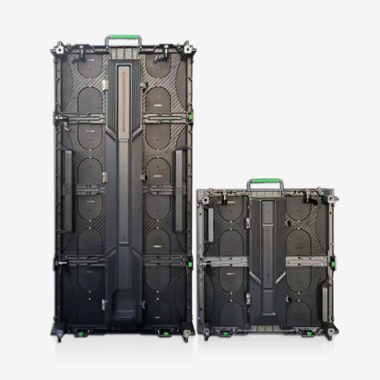
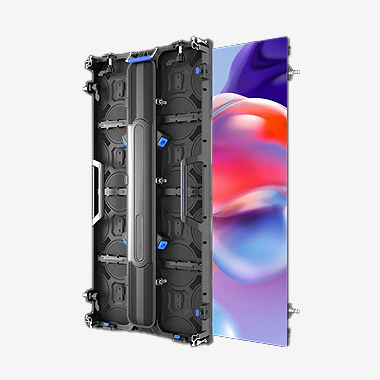
An exterior LED display screen is a large-scale, flat-panel display technology composed of a grid of Light Emitting Diodes (LEDs) designed for outdoor installation and visibility. Unlike their indoor counterparts, these screens are engineered to withstand harsh environmental conditions while delivering bright, vibrant, and dynamic visual content to a wide audience. They have revolutionized outdoor advertising, public information dissemination, and architectural aesthetics, becoming an integral part of the modern urban landscape, from Times Square in New York to the Piccadilly Circus in London.
The fundamental building block of any LED display is the LED itself—a semiconductor device that emits light when an electric current passes through it. For full-color displays, clusters of red, green, and blue (RGB) LEDs are grouped to form a single full-color pixel. By varying the intensity of these three primary colors, millions of possible color combinations can be achieved, a principle known as additive color mixing.
The scale and resolution of these displays can vary dramatically. They range from relatively small screens at drive-thrus or gas stations to colossal, building-sized canvases that wrap around skyscrapers. Their primary purpose is to capture attention. In a world saturated with visual stimuli, the ability to broadcast high-definition video, animations, and real-time information 24/7 makes them an incredibly powerful medium for communication.
The development of exterior LED technology has been a journey of overcoming significant challenges. Early versions were low-resolution, consumed vast amounts of power, and were prone to failure due to weather exposure. Today, advancements in LED chip efficiency, manufacturing precision, and protective engineering have resulted in displays that are not only stunningly bright and clear but also remarkably durable and energy-efficient.
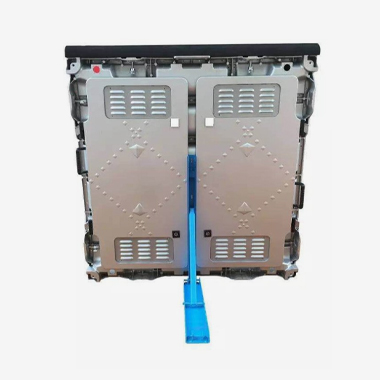
Modern exterior LED displays are complex systems, not just a collection of lights. They integrate sophisticated control systems, robust structural engineering, and advanced thermal management. They are designed to operate in direct sunlight, requiring high brightness levels measured in nits (cd/m²) to remain visible. Simultaneously, they must be sealed against moisture (often with an IP65, IP66, or higher rating), built to resist wind loads, and engineered to dissipate the considerable heat generated by their components to ensure longevity.
In essence, an exterior LED display is a fusion of optoelectronics, software, and heavy-duty industrial design. It serves as a dynamic window for brands to tell their stories, for cities to share vital information, and for venues to enhance the spectator experience, transforming static environments into engaging, ever-changing visual spectacles.
The design and construction of indoor transparent LED display screens for shop windows are engineered to balance three critical factors: transparency, visual performance, and compatibility with retail environments. Every component, from the LED chips to the frame structure, is carefully selected and integrated to ensure the display meets the unique demands of shop window applications—where visibility, durability, and minimal intrusion into the store’s interior are paramount.
At the heart of the display’s design is the LED panel structure. Unlike traditional LED displays that use dense arrays of LED chips mounted on opaque circuit boards, transparent LED screens employ a “sparse” design, where LED chips are placed on ultra-thin, transparent substrates (typically made of glass or high-strength plastic). This sparse arrangement reduces light obstruction, allowing natural light to pass through while maintaining sufficient pixel density for clear, vibrant content. The pixel pitch—the distance between adjacent LED chips—varies depending on the intended viewing distance: for shop windows, which are typically viewed from 1 to 10 meters away, pixel pitches ranging from P2.5 to P10 are common. Smaller pixel pitches (e.g., P2.5) deliver higher resolution for close-up viewing, while larger pitches (e.g., P10) are more cost-effective for longer viewing distances, such as street-level windows.
Another key design element is the transparency substrate. Most high-quality indoor transparent LED screens use tempered glass substrates, which offer excellent clarity (transparency levels of 70% to 90%), scratch resistance, and durability—essential for withstanding daily wear and tear in retail environments. Some models also use flexible transparent substrates, which are ideal for curved or irregularly shaped shop windows, providing greater design flexibility. The substrate is coated with a thin, conductive layer (usually indium tin oxide, ITO) that connects the LED chips without compromising transparency, ensuring the circuit lines are nearly invisible to the naked eye.
The frame and mounting system are designed to be lightweight and unobtrusive, minimizing the display’s impact on the shop’s interior aesthetics. Frames are typically made of aluminum alloy, which is both strong and lightweight, and can be painted or anodized to match the store’s decor. Mounting options include wall-mounted, ceiling-suspended, or magnetic systems, allowing installers to attach the display to the interior side of the window without damaging the glass or the store’s structure. For larger displays, modular designs are used, where individual panels (usually 500x500mm or 500x1000mm) are connected together to form the desired size. This modularity not only simplifies installation but also makes maintenance easier—if one panel malfunctions, it can be replaced without taking down the entire display.
Heat dissipation is a critical consideration in the design, as LED chips generate heat during operation, which can affect performance and lifespan if not managed properly. Indoor transparent LED screens address this through passive heat dissipation systems, such as heat-dissipating aluminum backplates integrated into the panel design. Unlike outdoor displays that require active cooling (e.g., fans), indoor models rely on the natural airflow within the store to dissipate heat, eliminating the need for noisy, bulky cooling components that could disrupt the retail environment.
Finally, the control system is integrated into the display’s design to ensure ease of use for retailers. Most models come with a user-friendly software platform that allows users to update content remotely via Wi-Fi or Ethernet, schedule playlists, and adjust brightness and contrast to match ambient light conditions. The control system also includes features like “day/night mode,” which automatically reduces brightness at night to avoid glare and save energy. Additionally, some advanced models support touch interaction, enabling customers to engage with the display by tapping or swiping—though this requires the addition of a transparent touch overlay, which is carefully integrated to maintain the display’s transparency.
In summary, the design and construction of indoor transparent LED display screens for shop windows are a meticulous blend of technology and practicality. Every component—from the LED chips and transparent substrate to the frame and control system—is optimized to deliver high visual performance, maximum transparency, and seamless integration into retail environments, ensuring that the display enhances the store’s appeal without compromising its functionality.
To understand why indoor transparent LED display screens are so effective for shop windows, it is essential to explore their underlying working principles. These displays operate on a combination of LED technology, transparent circuit design, and content control systems—all working together to deliver clear, vibrant visuals while maintaining the transparency needed to preserve the shop’s interior visibility. Unlike traditional displays that block light, indoor transparent LED screens leverage unique engineering to balance light emission (for content) and light transmission (for transparency), making them ideal for window applications.
At the most basic level, the LED chip operation is the foundation of the display’s functionality. Each LED (light-emitting diode) chip is a semiconductor device that emits light when an electric current passes through it. Indoor transparent LED screens use surface-mount device (SMD) LEDs, which are small, lightweight, and designed to emit light in a specific direction (typically 120° to 160° viewing angles—wide enough to ensure visibility from the street). These LEDs are available in red, green, and blue (RGB) colors; by adjusting the intensity of each color, the display can produce millions of different hues, enabling full-color, high-quality content.
The key difference between transparent and opaque LED screens lies in the circuit design. In traditional displays, LED chips are mounted on opaque printed circuit boards (PCBs), which block light and prevent transparency. Transparent LED screens, however, use transparent circuit boards—usually made of glass or flexible transparent polymers coated with a thin, conductive material like indium tin oxide (ITO). The conductive layer forms narrow circuit lines that connect the LED chips, but because the lines are extremely thin (often less than 10 micrometers) and the substrate is transparent, the overall transparency of the panel is preserved. This design ensures that most of the light passing through the window (both natural light from outside and artificial light from inside) is not blocked, maintaining the open feel of the retail space.
Another critical principle is pixel arrangement and density. To achieve transparency, the LED chips are spaced more widely apart than in traditional displays—a design known as “sparse pixel array.” The spacing between pixels (pixel pitch) is carefully calibrated based on the intended viewing distance. For shop windows, where viewers are typically several meters away, a larger pixel pitch (e.g., P5 to P8) is sufficient to create the illusion of a continuous image, as the human eye cannot distinguish individual pixels from a distance. This sparse arrangement reduces the number of LED chips and circuit lines, further enhancing transparency. However, for windows viewed from closer distances (e.g., small boutique windows), smaller pixel pitches (e.g., P2.5 to P4) are used to maintain image clarity, though this may slightly reduce transparency (to around 60% to 70%).
The backlighting and brightness control system is another vital component of the working principle. Unlike LCD displays, which require a backlight, LED displays are self-illuminating—each LED chip emits its own light. This self-illumination eliminates the need for a backlight, which would otherwise block light and reduce transparency. To ensure visibility in varying light conditions (e.g., bright sunlight during the day or dim streetlights at night), indoor transparent LED screens are equipped with ambient light sensors that automatically adjust the display’s brightness. During the day, the brightness is increased to overcome sunlight glare, ensuring the content remains visible; at night, the brightness is reduced to avoid eye strain and save energy. Most models offer brightness levels ranging from 500 nits (for indoor use) to 2000 nits (for windows exposed to direct sunlight), providing versatility for different retail environments.
The content control and signal processing system ties all these components together. The display is connected to a controller (either a dedicated hardware controller or a software-based system) that receives content from a computer, smartphone, or cloud-based platform. The controller processes the content, converting it into signals that control the intensity of each RGB LED chip. This processing ensures that the content is displayed correctly across the sparse pixel array—compensating for the wider pixel spacing to maintain image continuity. Advanced control systems also support features like real-time content updates (via Wi-Fi or Ethernet), split-screen display (allowing multiple content streams to run simultaneously), and synchronization with other store systems (e.g., POS systems, so the display can show real-time promotions based on sales data).
Finally, power management is an integral part of the working principle. Indoor transparent LED screens are designed to be energy-efficient, with most models consuming between 50 and 150 watts per square meter—significantly less than traditional LCD or plasma displays. This energy efficiency is achieved through the use of low-power LED chips, efficient power supplies, and brightness adjustment systems that reduce power consumption when less brightness is needed. Some models also include power-saving modes that automatically turn off the display during non-business hours, further reducing energy costs for retailers.
In conclusion, the working principles of indoor transparent LED display screens for shop windows are a synergy of LED technology, transparent circuit design, and intelligent control systems. By optimizing pixel arrangement, leveraging self-illumination, and integrating adaptive brightness and power management, these displays deliver the perfect balance of visual performance and transparency—making them a powerful tool for retail marketing.
Indoor transparent LED display screens for shop windows have emerged as a game-changing tool for retailers, offering a host of advantages that address key pain points in retail marketing. However, like any technology, they also present certain challenges that retailers must consider before adoption. Understanding both the benefits and limitations is crucial for making informed decisions about integrating these displays into a retail strategy.
Advantages
1. Enhanced Visual Appeal and Customer Engagement
The most significant advantage of indoor transparent LED screens is their ability to create eye-catching, dynamic content that stands out in a crowded retail landscape. Unlike static posters or mannequins, which quickly become invisible to passersby, these displays can show high-definition videos, animations, and interactive content that captures attention and encourages pedestrians to stop and engage. For example, a cosmetics store might use the display to show makeup tutorials, while a sports store could feature action footage of athletes using its products. This dynamic content not only increases foot traffic but also helps brands tell their story more effectively, fostering a deeper emotional connection with consumers.
2. Preservation of Store Ambiance and Natural Light
Unlike opaque displays that block light and make the store interior feel dark or cramped, indoor transparent LED screens maintain high levels of transparency (50% to 90%), allowing natural light to filter into the shop. This preserves the open, inviting atmosphere that is critical for creating a positive in-store experience. Additionally, the transparent design ensures that customers inside the store can still see outside, avoiding the “closed-off” feeling that often comes with traditional window displays. For retailers that prioritize aesthetics—such as luxury boutiques or high-end cafes—this preservation of ambiance is a key selling point.
3. Flexibility and Customization
Indoor transparent LED screens are highly flexible, both in terms of size and content. Most models are modular, allowing retailers to customize the display’s dimensions to fit any window size—from small kiosk windows to large department store facades. This modularity also makes it easy to expand or modify the display as the store’s needs change. Content customization is equally flexible: retailers can update content in real time via Wi-Fi or Ethernet, allowing them to respond quickly to trends, promotions, or events. For instance, a clothing store can switch from showcasing winter collections to spring lines overnight, or a restaurant can display daily specials as they change. This flexibility ensures that the display remains relevant and engaging year-round.
4. Energy Efficiency and Cost Savings
Compared to traditional advertising methods (such as printed posters, which require regular replacement) and other display technologies (like LCD or plasma screens), indoor transparent LED screens are highly energy-efficient. LED chips consume less power than other light sources, and most models include brightness adjustment systems that reduce power usage in low-light conditions. Over time, this energy efficiency translates to lower utility bills. Additionally, the long lifespan of LED chips (typically 50,000 to 100,000 hours) means that the displays require minimal maintenance and replacement, further reducing long-term costs. For retailers looking to cut marketing and operational expenses, this is a significant advantage.
5. Versatility Across Retail Segments
Indoor transparent LED screens are not limited to a single type of retail store. They are equally effective for fashion boutiques, electronics stores, supermarkets, cafes, jewelry shops, and more. Each industry can tailor the content to its specific audience: a toy store might use animated content to attract children, while a luxury watch store could showcase close-up footage of its products’ craftsmanship. This versatility makes the technology accessible to retailers of all sizes and niches, from small local businesses to large international chains.
Challenges
1. Initial Cost Barrier
One of the primary challenges of indoor transparent LED screens is their high initial cost. The technology is more expensive than traditional displays or printed materials, with prices ranging from \(500 to \)2,000 per square meter (depending on pixel pitch and quality). For small retailers with limited budgets, this upfront investment can be prohibitive. While the long-term cost savings (from reduced maintenance and energy use) help offset this, the initial expense remains a barrier to adoption for many businesses.
2. Visibility in Extreme Light Conditions
While indoor transparent LED screens are designed to adjust to ambient light, they can still struggle in extreme conditions. In direct sunlight (e.g., south-facing windows during midday), even high-brightness models (2000 nits) may suffer from glare, making the content difficult to see. Conversely, in very dark environments (e.g., windows in poorly lit streets at night), the display’s brightness may need to be reduced to avoid overwhelming viewers, which can dim the content. Retailers in areas with extreme light conditions may need to invest in additional accessories (such as anti-glare coatings or external lighting) to improve visibility—adding to the overall cost.
3. Installation and Maintenance Complexity
While modular designs simplify installation, setting up an indoor transparent LED screen still requires professional expertise. The display must be mounted securely to the window without damaging the glass or the store’s structure, and the control system must be integrated with the retailer’s existing technology (e.g., Wi-Fi, POS systems). Additionally, maintenance—while less frequent than with other displays—can be complex. If a panel or LED chip malfunctions, it requires trained technicians to replace it, as improper handling can damage the transparent substrate or circuit lines. For retailers in remote areas, accessing these technicians may be difficult, leading to longer downtime.
4. Content Creation Requirements
To maximize the effectiveness of an indoor transparent LED screen, retailers need high-quality, dynamic content. Creating this content—such as professional videos, animations, or interactive elements—requires time, resources, and creative expertise. Small retailers that lack in-house marketing teams may need to outsource content creation, adding to the ongoing costs. Additionally, the sparse pixel array of transparent screens means that content must be designed to account for wider pixel spacing; low-resolution or poorly formatted content can appear blurry or disjointed, reducing the display’s impact.
In summary, indoor transparent LED display screens for shop windows offer substantial advantages in terms of engagement, flexibility, and energy efficiency, but they also come with challenges related to cost, visibility, installation, and content. For retailers willing to invest in the technology and address these challenges, the benefits—includingincreased foot traffic, stronger brand loyalty, and higher sales—far outweigh the drawbacks.
Indoor transparent LED display screens for shop windows have already found widespread application across the retail sector, but their potential extends far beyond traditional advertising. As technology advances, new use cases are emerging, and future trends promise to make these displays even more versatile, interactive, and integral to the retail experience. Understanding current applications and upcoming trends is key for retailers looking to stay ahead of the curve and leverage the full potential of this technology.
Current Applications
1. Fashion and Apparel Retail
Fashion stores are among the most active adopters of indoor transparent LED screens, as these displays excel at showcasing clothing, accessories, and footwear in dynamic ways. For example, a high-end fashion boutique might use the screen to play runway shows of its latest collection, allowing passersby to see how garments move and fit on models—something static mannequins cannot convey. Some stores also use the displays to highlight styling tips, such as pairing a dress with a specific bag or shoe, creating a more comprehensive shopping guide. During sales events, the screens can display real-time updates on discounted items, encouraging impromptu purchases from pedestrians.
2. Electronics and Tech Retail
Electronics stores use indoor transparent LED screens to demonstrate product features and functionality. A smartphone retailer, for instance, might show videos of a new phone’s camera capabilities, battery life, or software features—helping consumers understand the product’s value before entering the store. Similarly, a laptop store could display comparisons between different models, highlighting differences in performance, design, and price. The transparent design is particularly beneficial here, as it allows the actual products (e.g., phones, laptops) to be displayed behind the screen, creating a seamless connection between the digital demonstration and the physical item.
3. Food and Beverage Retail
Cafes, restaurants, and supermarkets use indoor transparent LED screens to showcase menu items, promotions, and food preparation processes. A cafe might display close-up footage of freshly baked pastries or specialty coffee being made, enticing pedestrians with the sight of delicious food. Supermarkets can use the screens to highlight seasonal produce, such as fresh berries in summer or pumpkins in fall, or to promote limited-time offers (e.g., “20% off all dairy products today”). Some fast-food restaurants even use interactive screens that allow customers to place orders directly from the window, reducing wait times and enhancing convenience.
4. Luxury and Specialty Retail
Luxury stores—such as jewelry, watch, or high-end cosmetic retailers—rely on indoor transparent LED screens to convey exclusivity and craftsmanship. A jewelry store might display close-up videos of a diamond necklace being crafted, highlighting the precision and artistry involved in creating the piece. A luxury watch store could showcase the intricate mechanics of a watch’s movement, emphasizing the product’s quality and value. The transparent design ensures that the actual products remain visible behind the screen, allowing customers to compare the digital content with the physical item and reinforcing the brand’s commitment to authenticity.
Future Trends
1. Enhanced Interactivity with AI and IoT Integration
The future of indoor transparent LED screens will see greater integration with artificial intelligence (AI) and the Internet of Things (IoT), enabling more personalized and interactive experiences. AI-powered cameras mounted near the display will be able to detect demographic information (e.g., age, gender) of passersby and adjust content accordingly. For example, if the camera detects a group of teenagers, the screen might display content related to trendy clothing or youth-focused electronics; if it detects a family with young children, it could show promotions for toys or family-friendly meals. IoT integration will allow the display to sync with other store systems, such as inventory management: if a product featured on the screen is out of stock, the display can automatically update to show alternative items or notify customers when the product will be restocked.
2. Holographic and 3D Visuals
Advancements in display technology will soon enable indoor transparent LED screens to show holographic and 3D content, creating even more immersive experiences. Imagine a shoe store where a holographic image of a running shoe appears to “float” in the window, allowing customers to view the shoe from all angles without touching a physical product. 3D content will also make product demonstrations more engaging—for example, a furniture store could show a 3D video of a sofa being assembled or transformed into a bed, helping customers visualize how the product would fit in their home. These technologies will blur the line between the digital and physical worlds, making the shopping experience more memorable and interactive.
3. Energy Efficiency and Sustainability
As sustainability becomes a top priority for retailers and consumers alike, future indoor transparent LED screens will focus on even greater energy efficiency and eco-friendly materials. Manufacturers will develop LED chips that consume less power while delivering higher brightness, and displays will be made from recycled or biodegradable materials to reduce their environmental impact. Some models may even integrate solar panels into the frame, allowing the display to generate its own power and further reduce energy costs. Retailers that adopt these sustainable displays will not only save money but also enhance their brand image by demonstrating a commitment to environmental responsibility.
4. Flexible and Foldable Designs
Future indoor transparent LED screens will feature more flexible and foldable designs, allowing retailers to adapt the display to different window shapes and sizes. Foldable screens can be easily stored when not in use, making them ideal for small stores or pop-up shops that have limited space. Flexible screens can be curved around pillars or mounted on irregularly shaped windows, opening up new design possibilities for retail spaces. These designs will also be more durable, as they can withstand minor impacts without breaking—reducing maintenance costs and extending the display’s lifespan.
5. Integration with Virtual and Augmented Reality (VR/AR)
Virtual and augmented reality (VR/AR) will play a larger role in indoor transparent LED screen technology, enabling customers to “try on” products virtually before purchasing. For example, a cosmetic store could offer an AR feature where customers use their smartphone cameras to “try on” lipstick shades displayed on the screen; a clothing store could allow customers to see how a dress would look on their body type using a VR headset synced with the display. This integration will bridge the gap between online and offline shopping, giving customers the convenience of virtual try-ons while still enjoying the tactile experience of visiting a physical store.
Conclusion
Indoor transparent LED display screens for shop windows have revolutionized retail marketing, offering a unique combination of visual appeal, transparency, and flexibility that traditional display methods cannot match. From their ability to capture customer attention with dynamic content to their role in preserving a store’s interior ambiance, these displays have become an essential tool for retailers looking to thrive in a competitive marketplace. As we have explored in this series, their design and construction are engineered to balance performance and practicality, their working principles leverage cutting-edge LED and circuit technology, and their advantages—from enhanced engagement to energy efficiency—far outweigh the challenges of initial cost and maintenance.
The current applications of indoor transparent LED screens span across all retail segments, from fashion and electronics to food and luxury goods, demonstrating their versatility and adaptability. Fashion stores use them to showcase runway collections, electronics stores to demonstrate product features, and cafes to entice customers with delicious food visuals. Each application is tailored to the specific needs of the retailer, proving that these displays are not a one-size-fits-all solution but a flexible tool that can be customized to any brand’s identity and goals.
Looking to the future, the potential of indoor transparent LED screens is even more exciting. With advancements in AI, IoT, holography, and VR/AR, these displays will become more interactive, personalized, and immersive than ever before. Imagine a world where a store’s window display recognizes you, shows you content tailored to your preferences, and allows you to try on products virtually—all while maintaining the transparency that makes the store feel open and inviting. These innovations will not only enhance the customer experience but also help retailers operate more efficiently, with better inventory management, lower energy costs, and reduced environmental impact.
Of course, challenges remain. Small retailers may still struggle with the initial cost of adoption, and extreme light conditions can affect visibility. However, as technology advances and production costs continue to decline, these barriers will become less significant. The growing demand for immersive retail experiences—driven by consumers who crave interactivity and personalization—will also push more retailers to invest in indoor transparent LED screens, making them a standard feature in retail spaces around the world.
In conclusion, indoor transparent LED display screens for shop windows are more than just a marketing tool—they are a catalyst for change in the retail industry. They represent the convergence of technology and creativity, enabling brands to connect with consumers in ways that were once impossible. As retailers continue to adapt to changing consumer expectations and technological advancements, indoor transparent LED screens will play an increasingly important role in shaping the future of retail. Whether you are a large chain or a small local business, investing in this technology is not just a way to stay competitive—it is a way to reimagine the shopping experience and build lasting relationships with your customers. The future of retail is transparent, dynamic, and engaging—and indoor transparent LED screens are leading the way.


Copyright © 2026 Shenzhen Cogo Technology Co.,Ltd.
All Rights Reserved

 Previous article