




 Chat Now
Indoor LED wall display walls for exhibitions are specialized digital signage solutions engineered to elevate booth engagement, showcase products, and enhance brand storytelling in trade shows, conventions, and exhibition halls. Unlike permanent indoor LED installations (e.g., mall lobbies) or outdoor displays, they prioritize rapid deployment, modular flexibility, and adaptability to exhibition spaces—typically ranging from 2m² (small booths) to 20m² (large brand pavilions)—with viewing distances of 2–10 meters.
Defined by pixel pitches of P1.5–P6 (enabling 1080p to 8K resolution), these walls deliver 800–1500 nits brightness—optimized for indoor exhibition lighting (500–1000 lux) to avoid glare while ensuring vivid visuals. Key traits include lightweight modular panels (2–4kg per panel), tool-less assembly (30–60 minutes for a 5m² wall), and compatibility with exhibition AV setups (e.g., laptops, live cameras, audio systems).
Adoption is driven by the exhibition industry’s shift to “experiential marketing”: 78% of exhibitors report that dynamic LED walls increase booth traffic by 30%+ compared to static backdrops. Brands use them to display product demos, live customer testimonials, or interactive content (e.g., 360° product views), creating memorable experiences. Market data shows the exhibition LED wall segment growing at 25% annually, with North America and Europe leading—fueled by post-pandemic exhibition recovery. These walls are more than display tools; they’re strategic assets that help brands stand out in crowded exhibition halls.
Design centers on three exhibition-specific goals: fast assembly/disassembly, space efficiency, and compatibility with exhibition infrastructure—critical for booths with limited setup time (often 1–2 hours) and variable space constraints.
Core Design for Exhibition Use:
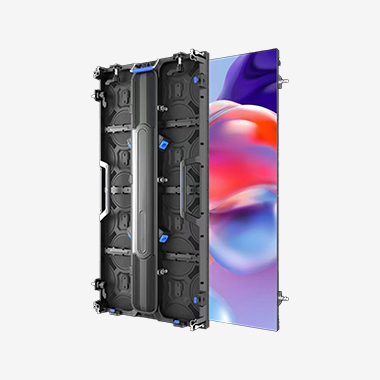
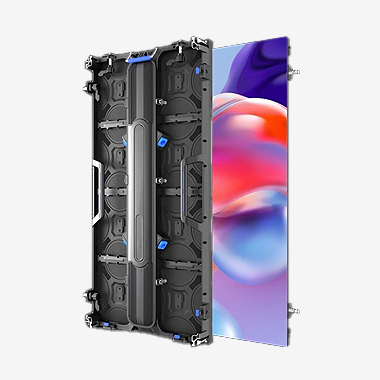
Modular Panel Design: Panels (standard sizes: 250x250mm, 500x500mm) are lightweight (2–4kg) with interlocking mechanical latches—no screws or tools needed. This allows 2–3 staff to assemble a 5m² wall in 30 minutes, avoiding costly professional installers. Pixel pitches (P1.5–P6) are chosen by viewing distance: P1.5–P2.5 for close-range booth interactions (2–3 meters), P3–P6 for larger pavilions (5–10 meters).
LED Technology: SMD RGB LEDs (2835 or 3535 models) with 160–200 lm/W efficacy balance brightness (800–1500 nits) and energy efficiency—critical for exhibitions with limited power access (booths often have 10–20A power outlets).
Portability & Durability:
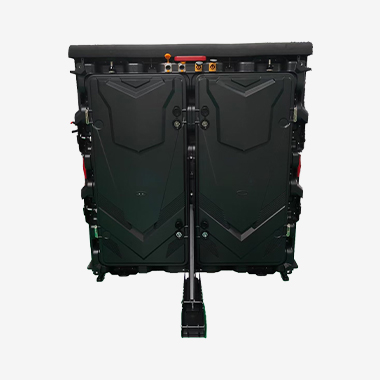
Enclosures: Ultra-slim aluminum frames (3–5cm thick) reduce storage/transport bulk—panels stack in compact flight cases (10–12 panels per case), lowering shipping costs. Front panels use scratch-resistant polycarbonate (2mm thick) to withstand accidental bumps in crowded exhibition halls.
Structural Support: Lightweight aluminum trussing or foldable stands (5–8kg) replace heavy permanent mounts. Stands feature adjustable height/width to fit booth spaces (e.g., 3x2m, 4x3m) and lockable casters for easy repositioning during setup.
AV Integration:
Panels include universal ports (HDMI, USB, Ethernet) and support DMX512/ArtNet protocols—compatible with exhibition AV tools (live cameras, microphones, projectors). Some models have built-in media players to avoid relying on external laptops, reducing setup complexity. Manufacturing includes 300-hour vibration tests (simulating transport) and brightness uniformity checks (variation <4%) to ensure consistent performance across exhibition runs.
Functionality relies on four systems optimized for exhibition scenarios—fast setup, dynamic content, and seamless AV integration:
1. LED Illumination: SMD RGB LEDs generate light via electroluminescence—red (620–660nm), green (520–560nm), blue (440–480nm) dies emit light when 5V DC current passes through. Pulse-width modulation (PWM) at 600Hz+ adjusts current intensity to create 16.7 million colors, ideal for vibrant product demos or brand videos. 800–1500 nits brightness is calibrated to cut through exhibition hall lighting (500–1000 lux) without causing glare for attendees 2–10 meters away.
2. Power Distribution: Compact switch-mode power supplies (SMPS) with 85%+ efficiency convert 110V/220V AC to 5V DC. Daisy-chained power cables (24AWG copper) minimize voltage drop (<2%) across modular panels, and power splitters let multiple panels share a single booth outlet—critical for exhibitions with limited power. Low power consumption (20–50W per square meter) avoids tripping circuit breakers.
3. Content Processing:
Control System: A portable mini-controller (size of a tablet) replaces complex setups—connects to panels via Ethernet, splitting content (videos, live feeds, images) into panel-specific segments. It supports plug-and-play operation: users plug in a USB or connect via Wi-Fi to upload content, no technical training needed.
Software Integration: User-friendly apps (e.g., Novastar NovaLCT, Linsn LED Studio) enable real-time content updates—exhibitors can switch from product demos to live Q&A feeds in seconds. Some software includes pre-built exhibition templates (e.g., “booth welcome,” “product specs”) to speed up content creation.
4. AV Synchronization:
The wall syncs with exhibition AV tools via HDMI or NDI protocols—live cameras capture booth activity (e.g., product demos) and display it on the wall, while audio systems align sound with visuals (e.g., brand jingles, product explainers). Latency is kept <100ms to ensure smooth, real-time engagement—critical for interactive exhibits (e.g., live polls, audience Q&As).
Advantages:
Boosts Booth Engagement & Traffic: Dynamic visuals (videos, live feeds) attract 30%+ more booth visitors than static backdrops (per Exhibition Industry Report). Interactive content (e.g., 360° product views) increases attendee dwell time by 50%, giving sales teams more opportunities to connect. For example, a tech brand’s 4K LED wall showcasing a new smartphone’s features drove 40% higher lead generation than its previous static booth.
Fast Setup & Flexibility: Tool-less assembly (30–60 minutes for 5m²) fits exhibition time constraints (booths often have 1–2 hours of setup). Modular panels adapt to any booth size—exhibitors can expand from 3x2m to 4x3m for larger shows without buying new hardware. Post-exhibition, panels pack into compact cases for easy storage/transport, lowering logistics costs.
Cost-Effective for Frequent Exhibitors: While upfront costs ((1,500–)3,000 per square meter) are higher than static backdrops ((200–)500), LED walls eliminate recurring costs (printing, shipping, storing static graphics—(500–)1,500 per show). A brand exhibiting 6 times yearly saves ~$6,000 over 3 years vs. static backdrops.
Seamless AV Integration: Compatibility with live cameras, microphones, and interactive tools lets exhibitors create immersive experiences—e.g., a fashion brand streaming a runway show to its booth wall, or a software company hosting live product demos with audience feedback displayed in real time.
Challenges:
Upfront Investment Barrier: Small exhibitors (e.g., startups) may struggle with the (3,000–)15,000 cost for a 2–5m² wall—though rental options ((200–)500 per square meter per show) are increasingly available.
Power & Space Limitations: Small booths (≤10m²) often have limited power (10A outlets) or space—larger LED walls (10+m²) may require additional power drops ((100–)300 per show) or crowd smaller booth areas.
Content Preparation Burden: High-quality 1080p/4K content requires design expertise ((300–)1,000 per video)—exhibitors with limited resources may use low-resolution content, which looks unprofessional on LED walls.
Transport & Handling Risks: While durable, panels can be damaged during shipping (e.g., cracked polycarbonate, loose latches)—repairing a single panel costs (100–)300, and replacement parts may not arrive in time for back-to-back shows.
Applications:
Product Showcase Booths: Tech, automotive, and consumer goods brands use 3–5m² walls (P2.5–P3) to display high-def product demos—e.g., a laptop brand showing screen clarity, or a furniture brand showcasing fabric textures. Interactive features (e.g., “tap to zoom” on product details) let attendees engage with products without physical samples, saving booth space.
Brand Pavilion Experiences: Large brands (e.g., Coca-Cola, Samsung) use 10–20m² walls (P3–P6) to create immersive brand worlds—e.g., a beverage brand’s wall projecting a virtual “summer beach” to promote its products, or a tech brand using multiple linked walls to create a 360° demo space. These pavilions attract media attention and become exhibition landmarks.
Live Event & Seminar Booths: Exhibitors hosting workshops or Q&As use 2–3m² walls (P1.8–P2.5) to display speaker slides, live audience questions (submitted via app), or real-time social media feeds (e.g., tweets tagged with the brand’s hashtag). This keeps attendees engaged and extends the booth’s reach beyond physical visitors.
Pop-Up & Temporary Exhibits: Trade shows with short runs (1–3 days) use rental LED walls—e.g., a startup testing a new product at a tech expo, or a local business showcasing at a regional trade show. Rentals avoid long-term storage and upfront costs, making LED walls accessible to small exhibitors.
Future Trends:
AI-Driven Content Personalization: AI will analyze attendee data (e.g., badge scans, interaction history) to deliver tailored content—e.g., showing a software demo to IT professionals, or a consumer-focused video to general attendees. AI will also auto-generate content (e.g., product specs, FAQs) to reduce design burdens.
Holographic & AR Integration: Transparent LED walls will enable holographic-like displays—e.g., a car brand projecting a 3D model of a new vehicle onto its booth wall, with attendees using AR glasses to “interact” with the model. This blurs physical and digital boundaries, creating next-level immersion.
Wireless & Battery-Powered Models: Wireless panels (using Wi-Fi 6 or 5G) will eliminate cable clutter, and battery-powered options (lasting 4–6 hours) will suit booths with no power access—ideal for pop-up exhibits or outdoor-adjacent exhibition spaces.
Sustainability Innovations: Manufacturers will use recycled aluminum for frames, low-power micro-LEDs (200+ lm/W), and biodegradable packaging—aligning with exhibitors’ sustainability goals (72% of brands prioritize eco-friendly exhibition materials, per a 2024 survey). Rental platforms will also offer “carbon-neutral” options, offsetting shipping and energy use.
Conclusion
Indoor LED wall display walls for exhibitions have become indispensable tools for modern exhibitors, transforming static booths into dynamic, engaging spaces that drive traffic, leads, and brand recall. Their modular design, fast setup, and seamless AV integration address the unique challenges of exhibition environments—limited time, variable space, and the need to stand out in crowded halls.
While upfront costs and content preparation pose challenges, these barriers are easing: rental options make LED walls accessible to small exhibitors, AI simplifies content creation, and wireless/battery-powered models overcome power limitations. As the exhibition industry continues to prioritize experiential marketing and sustainability, LED walls are no longer a luxury but a necessity for brands aiming to make a lasting impression.
Looking ahead, AI personalization, AR integration, and sustainability innovations will take exhibition LED walls to new heights—turning booths into immersive, data-driven hubs that connect brands with attendees in meaningful ways. For exhibitors, these walls represent a strategic investment: they don’t just display content—they create experiences that resonate long after the exhibition ends, solidifying their role as a cornerstone of successful exhibition marketing.


Copyright © 2026 Shenzhen Cogo Technology Co.,Ltd.
All Rights Reserved

 Previous article