




 Chat Now
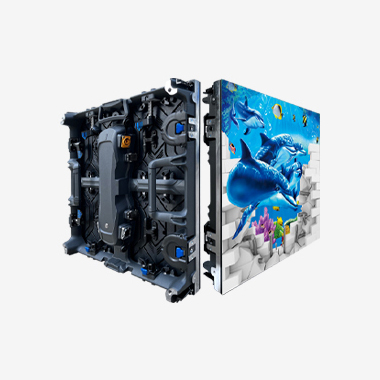
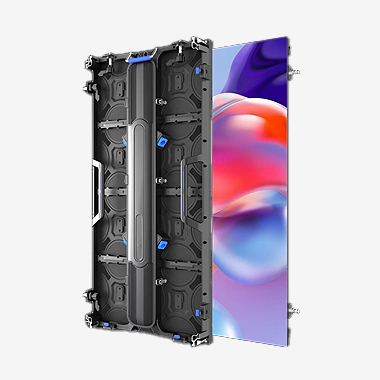
In the realm of exhibitions, where the presentation of information and the creation of immersive experiences are paramount, indoor LED display video wall signage has emerged as a revolutionary and highly effective solution. These video walls, composed of multiple LED display panels seamlessly integrated, offer a visually stunning and dynamic platform that significantly enhances the exhibition - going experience for both exhibitors and visitors.
The defining characteristic of indoor LED display video walls for exhibitions is their ability to deliver high - resolution, large - format visuals with exceptional clarity and color accuracy. Unlike traditional static signage or smaller digital displays, video walls can cover vast areas of exhibition spaces, from the entrance lobbies to individual exhibition booths, creating a captivating focal point that immediately draws the attention of visitors. The large - scale display surface allows for the presentation of detailed images, high - definition videos, and complex animations, enabling exhibitors to showcase their products, services, and brand stories in a more engaging and impactful manner.
One of the key advantages of indoor LED display video walls is their flexibility in content presentation. Exhibitors can easily update and customize the content displayed on the video walls according to the theme of the exhibition, the target audience, and the specific message they want to convey. Whether it's a product launch, a corporate showcase, or an art exhibition, the video walls can display a wide variety of multimedia content, including product demonstrations, 3D models, historical footage, and interactive graphics. This flexibility allows for a more personalized and dynamic exhibition experience, as exhibitors can adapt the content in real - time to respond to visitor feedback or changing exhibition requirements.
Another significant benefit is the seamless integration of the LED panels. Advanced technology enables the creation of video walls with extremely narrow bezel widths, minimizing the visual gaps between the panels and creating a near - continuous display surface. This seamless appearance enhances the overall visual impact of the video wall, making the content appear more fluid and immersive. It also allows for the creation of large - scale, high - resolution images and videos that can be viewed from various angles and distances within the exhibition space, ensuring that every visitor has a clear and unobstructed view of the displayed content.
Indoor LED display video walls also offer excellent energy - efficiency compared to some traditional display technologies. LED technology consumes less power while still delivering bright and vivid visuals, which not only helps exhibitors reduce their electricity costs during the exhibition but also aligns with the growing focus on sustainability in the event industry. Additionally, the long lifespan of LED components reduces the need for frequent replacements, minimizing maintenance costs and ensuring the reliable operation of the video walls throughout the exhibition period.
In summary, indoor LED display video wall signage has become an essential tool in modern exhibitions, combining high - quality visuals, content flexibility, seamless integration, and energy - efficiency to create immersive and engaging exhibition experiences that leave a lasting impression on visitors.
The design and construction of indoor LED display video wall signage for exhibitions involve a series of meticulous processes, each crucial for achieving optimal performance, visual quality, and seamless integration within the exhibition space.
Component Selection
At the core of indoor LED display video walls are the LED display panels. High - quality LED panels are selected based on several key criteria. First and foremost is the pixel pitch, which determines the resolution and clarity of the display. For indoor exhibition applications, where visitors may view the video wall from relatively close distances, a smaller pixel pitch is often preferred to ensure sharp and detailed visuals. LED panels with pixel pitches ranging from 0.9mm to 3mm are commonly used, depending on the size of the video wall and the viewing requirements.
The quality of the LED chips within the panels is also of utmost importance. High - brightness, energy - efficient LED chips are chosen to ensure vibrant colors, high contrast ratios, and wide viewing angles. These chips are typically made from advanced semiconductor materials, such as gallium nitride (GaN) and aluminum gallium indium phosphide (AlGaInP), which offer excellent color - rendering capabilities and long - term reliability.
The video wall's control system is another critical component. It includes a video processor, a controller, and signal transmission devices. The video processor is responsible for receiving the input content (such as videos, images, or data streams) and processing it to ensure compatibility with the LED panels. It can perform functions such as scaling, cropping, and color correction to optimize the visual quality of the displayed content. The controller manages the communication between the video processor and the LED panels, sending the appropriate control signals to adjust the brightness, color, and refresh rate of each individual LED. High - speed signal transmission cables, such as HDMI or DisplayPort cables, are used to transmit the video and control signals from the source devices to the video wall, ensuring a stable and seamless connection.
Assembly and Integration
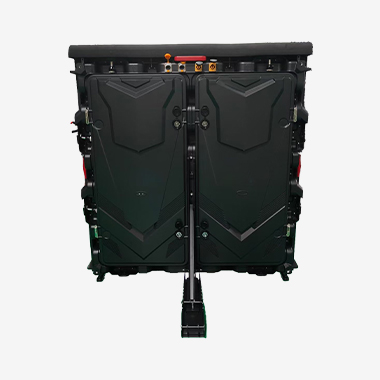
The assembly process of indoor LED display video walls begins with the installation of the individual LED panels. These panels are typically designed for easy installation and can be mounted on a variety of structures, such as wall - mounted frames, floor - standing racks, or suspended ceilings. Specialized mounting brackets and fixtures are used to ensure a secure and stable installation, while also allowing for precise alignment of the panels to create a seamless display surface.
Once the LED panels are installed, the control system is integrated. The video processor and controller are usually placed in a separate equipment rack or enclosure, which is located near the video wall for easy access and maintenance. The signal transmission cables are carefully connected between the source devices (such as computers, media servers, or cameras), the control system, and the LED panels. Thorough testing is conducted at this stage to ensure that all connections are secure and that the video wall can display the input content without any signal loss, distortion, or synchronization issues.
In addition to the LED panels and control system, indoor LED display video walls may also incorporate other components, such as audio systems, interactive touch - screen overlays, or environmental sensors. Integration of these additional components requires careful planning and coordination to ensure seamless operation and a cohesive user experience. For example, if an interactive touch - screen overlay is added, it needs to be calibrated accurately to ensure responsive touch interactions with the displayed content.
Customization
Indoor LED display video wall signage can be highly customized to meet the specific requirements of different exhibitions. Customization options include the size and shape of the video wall. Video walls can be designed in various shapes, such as rectangular, square, circular, or irregular shapes, to fit the layout and aesthetic of the exhibition space. The size of the video wall can range from a small, single - panel display to a massive, multi - panel installation that covers an entire wall or even multiple walls of the exhibition hall.
The content displayed on the video wall can also be fully customized. Exhibitors can work with graphic designers, video producers, and content management specialists to create unique and engaging content that showcases their products, services, or brand identity. Custom features such as multi - screen video playback, picture - in - picture displays, and real - time data visualization can be added to enhance the interactivity and informativeness of the video wall. Additionally, the video wall can be integrated with other exhibition elements, such as lighting systems, projection mapping, or augmented reality (AR) technologies, to create a more immersive and interactive exhibition experience.
The operation of indoor LED display video wall signage is based on a combination of electrical, optical, and digital signal processing principles, which work in harmony to deliver high - quality, dynamic visual content.
LED Operation and Light Emission
Indoor LED display video walls operate on the principle of electroluminescence, similar to other LED - based display technologies. When an electric current is applied to the LED chips within the display panels, electrons and holes in the semiconductor material of the LED recombine. This recombination process releases energy in the form of photons, resulting in the emission of light.
For full - color displays, each pixel in the LED panel typically consists of multiple LED chips, usually red, green, and blue (RGB) LEDs. By precisely controlling the intensity of each color LED, a wide range of colors and shades can be created. The color of the emitted light depends on the energy bandgap of the semiconductor material used in the LED chip. Different semiconductor materials produce different colors, and through careful calibration and control of the LED driver circuits, the video wall can achieve accurate color reproduction and a wide color gamut, ensuring that the displayed content looks vivid and lifelike.
Image Generation and Display
To generate an image on an indoor LED display video wall, digital video or data signals are first received by the video wall's control system. These signals can come from various sources, such as pre - recorded video files stored on a media server, live video feeds from cameras, or real - time data streams from external databases. The video processor within the control system decodes and processes these signals.
The video processor converts the input signals into a format that can be understood by the LED driver circuits of the individual panels. It divides the image or video into individual pixels and determines the intensity values for each color LED in each pixel. The LED driver circuits then control the current flowing through each LED chip in the display panels. By precisely adjusting the current, the brightness of each LED can be regulated, and the desired image or video is displayed on the video wall.
The LED panels in the video wall are arranged in a matrix pattern. The control system scans through each row and column of this matrix at high speeds to update the state of each LED in real - time. This rapid scanning, combined with the fast - switching capabilities of the LEDs, enables the display of smooth videos and dynamic animations without any noticeable flicker or lag. The high refresh rate of the LED panels ensures that the images remain sharp and stable, even when displaying fast - moving content.
Signal Transmission and Control
The control system of the indoor LED display video wall also manages the signal transmission between the input source and the LED panels. High - speed data cables are used to transmit the digital signals from the source devices to the video processor and then to the LED panels. These cables are designed to minimize signal loss and interference, ensuring that the video and control signals are transmitted accurately and in real - time.
Standard communication protocols, such as HDMI, DisplayPort, or specialized LED control protocols, are used to ensure accurate and synchronized display of the content. These protocols define the format and timing of the data transmission, allowing the control system to precisely control the state of each LED in the video wall, including its brightness, color, and switching frequency.
In addition, modern indoor LED display video walls often incorporate wireless control capabilities. This allows exhibition organizers and exhibitors to remotely manage and update the display content, adjust the display settings (such as brightness, contrast, and color temperature), and monitor the performance of the video wall from a central location. Wireless control technologies, such as Wi - Fi or Bluetooth, provide a convenient and efficient way to manage the video wall, especially during large - scale exhibitions where multiple video walls may be in use.
Advantages
One of the most significant advantages of indoor LED display video wall signage for exhibitions is its ability to create a visually stunning and immersive experience. The large - scale, high - resolution displays with vibrant colors and sharp visuals immediately capture the attention of visitors, making the exhibition booth or space more attractive and memorable. The seamless integration of the LED panels and the ability to display dynamic content, such as videos and animations, enhance the overall atmosphere of the exhibition, drawing visitors in and encouraging them to explore further.
The flexibility in content management is another major benefit. Exhibitors can easily change the content displayed on the video wall in real - time, allowing for targeted messaging based on different times of the day, visitor demographics, or specific exhibition events. For example, during a product demonstration session, the video wall can display detailed product information and live demonstrations, while during a break, it can show promotional videos or interactive games to engage the visitors. This adaptability enables exhibitors to maximize the impact of their exhibitions and effectively communicate their brand messages.
Indoor LED display video walls also offer excellent durability and reliability. LED technology has a long lifespan, and the components are designed to withstand continuous operation over extended periods. This means that the video walls can operate smoothly throughout the entire exhibition without the need for frequent repairs or replacements, ensuring a hassle - free experience for exhibitors. Additionally, the energy - efficiency of LED displays reduces the operational costs associated with running the video walls, making them a cost - effective choice for exhibition organizers.
From an interactive perspective, indoor LED display video walls can be integrated with various interactive technologies, such as touch - screens, motion sensors, or augmented reality devices. This interactivity allows visitors to engage with the displayed content in a more hands - on way, increasing their level of involvement and interest in the exhibition. For example, a touch - screen - enabled video wall can allow visitors to explore product details, view 3D models, or provide feedback, creating a more personalized and engaging experience.
Challenges
Despite their many advantages, indoor LED display video wall signage also faces several challenges in exhibition applications. One of the primary challenges is the high initial cost. The purchase of high - quality LED panels, control systems, and installation equipment, along with the cost of professional installation services, can be quite expensive. This cost barrier can be a significant deterrent for smaller exhibitors or those with limited budgets, making it difficult for them to invest in this advanced display technology.
Technical complexity is another issue. Installing and maintaining indoor LED display video walls requires a high level of technical expertise. Ensuring proper electrical connections, signal transmission, and calibration of the LED panels is crucial for achieving optimal visual quality. Any technical issues, such as pixel failures, signal dropouts, or color calibration problems, need to be addressed promptly by trained technicians, which can be time - consuming and costly. Additionally, keeping up with the latest advancements in LED display technology and software for content management can be challenging for exhibition organizers and exhibitors.
Another challenge is the space requirements. Indoor LED display video walls, especially large - scale installations, require a significant amount of physical space for installation. This may not be feasible in smaller exhibition booths or venues with limited space. Moreover, the installation process may require structural modifications to the exhibition space, such as reinforcing walls or ceilings to support the weight of the video wall, which can add to the complexity and cost of the installation.
Finally, content creation and management can be a challenge. Creating high - quality, engaging content that makes the most of the video wall's capabilities requires specialized skills in graphic design, video production, and digital content management. Exhibitors may need to invest in hiring professional content creators or training their staff to produce effective content. Additionally, managing and updating the content in real - time during the exhibition can be a complex task, especially if multiple video walls are in use across different exhibition areas.
Applications
Indoor LED display video wall signage has a wide range of applications in exhibitions. In corporate exhibitions, video walls are commonly used to showcase company products, services, and achievements. They can display product demonstrations, customer testimonials, company history, and future plans, providing a comprehensive overview of the brand to potential customers, partners, and investors. The large - scale, high - resolution displays help to create a professional and impressive corporate image, enhancing brand visibility and credibility.
In art exhibitions, video walls offer a new and innovative way to display artworks. Artists can use video walls to showcase digital art, video installations, or interactive art pieces. The dynamic and immersive nature of the video wall allows for a more engaging and interactive art - viewing experience, enabling visitors to explore the artworks from different perspectives and interact with them in new ways. Video walls can also be used to display information about the artists, the exhibition theme, and the creative process, providing additional context and depth to the artworks.
In trade shows, indoor LED display video walls are highly effective in attracting visitors to exhibition booths. They can display eye - catching product promotions, live product demonstrations, and special offers, drawing in potential customers and increasing footfall. The ability to update the content in real - time allows exhibitors to respond quickly to market trends, competitor activities, and customer feedback, ensuring that their booth remains relevant and engaging throughout the trade show.
In museum exhibitions, video walls can be used to display historical footage, cultural artifacts, and educational content. They can bring history and culture to life, providing visitors with a more immersive and interactive learning experience. For example, a museum can use a video wall to display 3D reconstructions of ancient civilizations, or to show interviews with experts and historians, enhancing the educational value of the exhibition.
Future Trends
The future of indoor LED display video wall signage for exhibitions looks promising, with several emerging trends likely to shape its development. One of the major trends is the continuous improvement in image quality. As technology advances, we can expect to see even higher pixel densities, better contrast ratios, and more accurate color reproduction in LED display panels. This will enable the display of ultra - high - definition (UHD) and 8K content, providing an even more immersive and detailed visual experience for exhibition visitors.
The integration of artificial intelligence (AI) and machine learning (ML) technologies is another significant trend. AI and ML can be used to analyze visitor behavior, preferences, and interactions with the video wall content. Based on this analysis, the video wall can automatically adjust the displayed content, such as showing more relevant products or information to specific visitors, or changing the display layout and style to optimize engagement. AI - powered content management systems can also generate personalized content recommendations for visitors, enhancing the overall exhibition experience.
The development of more interactive and immersive technologies, such as augmented reality (AR) and virtual reality (VR), will also have a major impact on indoor LED display video walls. AR and VR can be integrated with video walls to create truly immersive exhibition experiences, allowing visitors to interact with virtual objects, explore 3D environments, and engage with the content in new and exciting ways. For example, an exhibition booth could use AR - enabled video walls to allow visitors to virtually try on products or experience a virtual tour of a new facility.
In addition, there is a growing trend towards more sustainable and eco - friendly LED display technologies. Manufacturers are developing LED panels that use less power, are made from recyclable materials, and have a longer lifespan. This not only reduces the environmental impact of exhibitions but also makes the video walls more cost - effective in the long run, as they require less energy and maintenance.
Conclusion
Indoor LED display video wall signage has become an essential and transformative element in modern exhibitions. Its ability to deliver high - quality, dynamic, and immersive visual experiences, combined with content flexibility and interactivity, has significantly enhanced the way exhibitors present their products, services, and ideas to visitors. Despite the challenges associated with high cost, technical complexity, space requirements, and content management, the numerous advantages of indoor LED display video walls make them a valuable investment for exhibition organizers and exhibitors.
As technology continues to evolve, the future of indoor LED display video wall signage is filled with exciting possibilities. Advancements in image quality, the integration of emerging technologies like AI, AR and VR, and the pursuit of sustainability will further redefine the role of these video walls in exhibitions.
For instance, the integration of AI - powered analytics with video walls can lead to more data - driven exhibition strategies. Exhibitors will be able to gain in - depth insights into visitor engagement patterns, such as which sections of the video wall content attract the most attention, how long visitors interact with certain displays, and even predict visitor preferences based on historical data. This information can then be used to fine - tune the exhibition layout, optimize the content schedule, and improve the overall visitor experience.
In terms of AR and VR integration, the potential for creating interactive and immersive exhibition experiences is boundless. Imagine a historical exhibition where visitors can use AR - enabled devices to overlay virtual reconstructions of ancient scenes onto the video wall, or a product launch exhibition where VR technology allows customers to have a virtual test - drive of a new vehicle model presented on the video wall. These technologies will not only make the exhibitions more engaging but also extend the reach of the exhibitions beyond the physical space, as virtual tours and experiences can be accessed remotely.
The trend towards sustainability will also drive innovation in the manufacturing and operation of indoor LED display video walls. Newer materials with lower environmental impact, such as bio - based polymers for panel casings, may become more prevalent. Additionally, smart energy - management systems will be developed to further reduce the power consumption of video walls, perhaps by automatically adjusting brightness levels based on the ambient light in the exhibition hall or the number of visitors present.
In conclusion, indoor LED display video wall signage will continue to evolve as a central component in the exhibition industry. By embracing technological advancements and sustainability goals, it will not only meet but exceed the ever - changing expectations of exhibitors and visitors alike, shaping the future of exhibitions into more engaging, intelligent, and environmentally friendly experiences.


Copyright © 2026 Shenzhen Cogo Technology Co.,Ltd.
All Rights Reserved

 Previous article