




 Chat Now
High definition transparent LED display signage represents a cutting - edge convergence of clarity, transparency, and digital display innovation. In an era where visual communication demands both high - quality content and aesthetic appeal, these displays have emerged as a revolutionary solution, redefining the boundaries of traditional signage. Unlike standard LED displays, high definition transparent LED signage combines the ability to showcase sharp, detailed visuals with the unique feature of transparency, allowing light to pass through while presenting vivid digital content. This dual - functionality makes it an ideal choice for a wide range of applications, from retail showcases and architectural installations to corporate branding and event displays.
At its core, the technology of high definition transparent LED display signage is based on the precise arrangement of high - performance LED components. By leveraging advanced semiconductor technology and sophisticated manufacturing processes, these displays can achieve a high pixel density, resulting in clear and crisp images with excellent color accuracy. The transparency aspect is achieved through strategic spacing and design of the LED elements, ensuring that the display does not obstruct the view behind it, while still providing a high - quality visual experience for the content being shown.
The growing popularity of high definition transparent LED display signage can be attributed to several factors. Firstly, the increasing sophistication of consumers' visual expectations has led to a higher demand for displays that offer both clarity and innovation. In today's digital - saturated world, people are accustomed to high - definition content on their personal devices, and they expect the same level of quality in public displays. High definition transparent LED signage meets this demand by providing a visually stunning experience that stands out in any environment.
Secondly, advancements in LED technology have made it possible to produce high - definition displays with enhanced transparency at a more reasonable cost. Continuous research and development efforts have focused on improving the efficiency of LED chips, reducing their size, and optimizing their light - emitting properties. These technological breakthroughs have not only made high definition transparent LED signage more accessible but also more energy - efficient and reliable, further fueling its adoption across various industries.
Moreover, the unique aesthetic and functional benefits of high definition transparent LED display signage offer businesses and organizations a competitive edge. The transparency feature allows for creative and immersive visual installations, while the high - definition display capabilities enable the effective communication of detailed information, making it a powerful tool for branding, marketing, and information dissemination.
The design and construction of high definition transparent LED display signage are intricate processes that require a meticulous balance of technical expertise and creative vision. The design phase begins with a comprehensive understanding of the intended application, the viewing distance, and the environmental conditions in which the display will be installed.
One of the primary design considerations is the pixel pitch. For high definition displays, a relatively small pixel pitch is essential to achieve sharp and detailed visuals. Pixel pitches for high definition transparent LED signage typically range from 1mm to 3mm, depending on the specific requirements of the project. A smaller pixel pitch allows for higher resolution images but also increases the complexity and cost of the display. Designers must carefully evaluate the viewing distance and the level of detail required for the content to determine the most suitable pixel pitch.
The transparency ratio is another crucial design element. Achieving a high level of transparency while maintaining high - definition visual quality is a delicate balance. The layout of the LED modules, the spacing between individual LEDs, and the use of specialized optical materials all play a role in determining the transparency ratio. Specialized optical designs, such as using clear or semi - transparent substrates and optimizing the shape and size of the LED components, are employed to minimize light obstruction and maximize transparency.
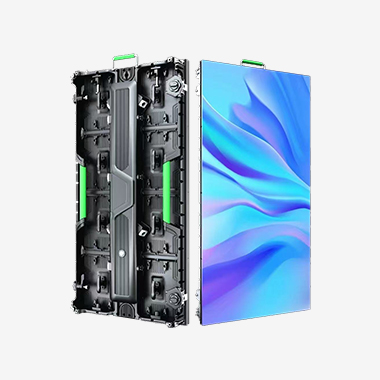
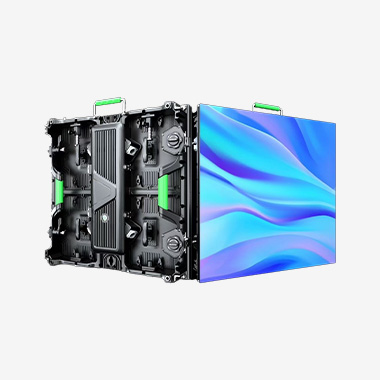
In terms of construction, high definition transparent LED display signage often utilizes a modular design. This modular approach allows for easy installation, maintenance, and scalability. The display modules are typically composed of thin, flexible LED strips or panels that are carefully assembled to form the larger display. These modules are made from high - quality materials, such as lightweight aluminum frames and durable polymers, to ensure both structural integrity and transparency.
The electrical and data connections within the display are also carefully engineered. To maintain the transparency and aesthetic appeal, wiring and cabling are often hidden or routed in a way that minimizes visibility. Advanced control systems are integrated into the design to manage the display's content, brightness, and color, enabling seamless operation and real - time updates. Additionally, heat dissipation is a critical consideration, as high - density LED arrays can generate significant heat. Specialized cooling mechanisms, such as heat sinks and fans, are incorporated to ensure the long - term reliability of the display.
The working principles of high definition transparent LED display signage are based on the fundamental operation of LED technology, combined with advanced digital signal processing techniques. Similar to other LED displays, high definition transparent LED signage uses light - emitting diodes that emit light when an electric current passes through them. The combination of red, green, and blue (RGB) LEDs enables the generation of a wide spectrum of colors, allowing for the display of vivid and realistic digital content.
The process begins with the input of digital content, which can be sourced from various devices such as computers, media servers, or live - streaming cameras. This content is first processed and formatted using specialized software to ensure compatibility with the display's control system. The control system, which typically consists of control cards and software algorithms, receives the processed data and converts it into electrical signals.
These electrical signals are then transmitted to the individual LED modules within the display. Each LED is addressed separately, and the control cards regulate the current flowing through each LED, precisely controlling its brightness and color. To display an image or video, the control system employs pulse - width modulation (PWM) technology. PWM rapidly switches the LEDs on and off at a high frequency, adjusting the duration for which each LED is on to control its brightness. By precisely controlling the PWM signals for each LED, the control system can create smooth and seamless visual transitions, resulting in high - definition images and videos with excellent clarity and detail.
In high definition transparent LED displays, the key to achieving both transparency and high - definition visuals lies in the precise arrangement and control of the LED components. The LEDs are strategically spaced to allow light to pass through while still being able to display detailed content. Specialized optical diffusers and reflectors may be used to optimize light distribution and minimize light scattering, ensuring that the transparency of the display is maintained while providing a sharp and clear visual experience for the audience.
High definition transparent LED display signage offers a plethora of advantages that make it a highly sought - after solution in the field of visual communication. One of the most significant advantages is its superior visual quality. The high - definition capabilities of these displays allow for the presentation of detailed images, videos, and text with exceptional clarity and color accuracy. This makes it ideal for applications where precise and engaging visual content is crucial, such as product showcases, art installations, and corporate presentations.
The transparency feature is another major advantage. It enables unique and creative visual installations, as the display can be integrated into various environments without obstructing the view behind it. For example, in retail storefronts, high definition transparent LED signage can be used to display products while still allowing customers to see the interior of the store, creating an inviting and immersive shopping experience. In architectural applications, the transparency of the display can enhance the aesthetic appeal of buildings, blending digital content seamlessly with the physical structure.
In terms of energy efficiency, high definition transparent LED displays are relatively low - power compared to traditional display technologies. LEDs consume less energy while producing bright and vivid visuals, reducing the overall operating costs and environmental impact. Additionally, the long lifespan of LED components means that these displays require less frequent replacement and maintenance, further contributing to cost savings.
However, high definition transparent LED display signage also faces several challenges. One of the main challenges is the high cost. The advanced technology, specialized manufacturing processes, and high - quality components required to produce high - definition and transparent displays make them significantly more expensive than standard LED displays. The initial investment for purchasing, installing, and setting up these displays can be a substantial barrier for many businesses and organizations, especially those with limited budgets.
Another challenge is the technical complexity. Installing and operating high definition transparent LED displays require specialized knowledge and skills. The integration of the display with the surrounding environment, the management of the control system, and the troubleshooting of any technical issues all demand trained professionals. This can add to the overall cost and complexity of using these displays, as well as limit their accessibility in some cases.
The outdoor environment also poses challenges to the durability of high definition transparent LED displays. Exposure to sunlight, rain, dust, and temperature fluctuations can affect the performance and lifespan of the LED components and the display's optical materials. Special protective measures, such as using UV - resistant coatings, waterproof enclosures, and temperature - control systems, need to be taken, which can further increase the cost and complexity of the installation and maintenance.
High definition transparent LED display signage has a diverse range of applications across various industries. In the retail sector, it is used to create eye - catching storefront displays, showcase products in a unique way, and provide interactive shopping experiences. For example, luxury brands can use high definition transparent LED signage to display their products in a more immersive and elegant manner, attracting customers and enhancing the brand image.
In the architectural field, these displays are used to enhance the aesthetic appeal of buildings. They can be integrated into glass facades, creating dynamic and visually stunning digital artworks that blend seamlessly with the architecture. In corporate settings, high definition transparent LED signage is used for branding, information dissemination, and wayfinding, providing a modern and professional look to office spaces.
For events and exhibitions, high definition transparent LED displays are used to create immersive experiences for attendees. They can be used as stage backdrops, interactive displays, and information kiosks, adding a touch of innovation and technology to the event.
Looking to the future, several trends are expected to shape the development of high definition transparent LED display signage. One trend is the continuous improvement of transparency and visual quality. Researchers are working on developing new materials and manufacturing techniques to achieve even higher transparency ratios without sacrificing high - definition visual performance. This will enable more seamless integration of the displays into various environments, creating more immersive and engaging visual experiences.
Another trend is the integration of smart technologies. The use of the Internet of Things (IoT), artificial intelligence (AI), and machine learning (ML) will enable more intelligent and automated operation of high definition transparent LED displays. For example, AI - powered systems could analyze the behavior and preferences of the audience and adjust the displayed content in real - time, optimizing the effectiveness of the communication.
The development of flexible and rollable high definition transparent LED displays is also on the horizon. These displays will offer even more design flexibility, allowing for the creation of unique and customized visual installations. Additionally, the miniaturization of LED components will lead to higher pixel densities and even more detailed visuals, further enhancing the visual impact of these displays.
Conclusion
High definition transparent LED display signage represents a significant leap forward in the field of digital display technology. Its combination of high - definition visuals and transparency offers a unique set of advantages that make it a valuable asset for various industries. Despite the challenges of high cost, technical complexity, and environmental factors, the continuous advancements in technology and the growing demand for innovative visual communication solutions are driving the widespread adoption and evolution of this technology.
As we move forward, the future of high definition transparent LED display signage looks promising. The integration of new technologies, the improvement of visual quality, and the expansion of application areas will likely lead to more immersive, interactive, and intelligent display solutions. These displays will continue to play an increasingly important role in shaping the way we communicate, market, and experience the world around us, offering endless possibilities for creativity and innovation in visual communication.


Copyright © 2026 Shenzhen Cogo Technology Co.,Ltd.
All Rights Reserved

 Previous article