




 Chat Now
In the ever - evolving landscape of the performing arts, creative LED visual panels for stage backgrounds have emerged as a revolutionary force, reshaping the way stage performances are presented and experienced. These panels transcend the traditional boundaries of stage design, offering a dynamic and versatile canvas that enables directors, designers, and performers to bring their creative visions to life in ways previously unimaginable.
The advent of creative LED visual panels can be attributed to the growing demand for more immersive and visually stunning stage experiences. Traditional stage backdrops, such as painted canvases and static scenery, while effective in their own right, often struggled to keep pace with the evolving expectations of audiences. As the entertainment industry became more competitive and audiences sought more engaging and innovative forms of entertainment, there was a pressing need for a backdrop solution that could adapt to different performance styles, enhance the storytelling, and create a more immersive atmosphere.
LED technology, known for its flexibility, high - resolution display capabilities, and vivid color reproduction, provided the ideal foundation for this innovation. Early LED panels used in stage backgrounds were relatively basic, primarily serving as a substitute for traditional backdrops with the ability to display simple images and colors. However, with continuous advancements in semiconductor technology, digital control systems, and panel design, creative LED visual panels have evolved into highly sophisticated tools. These modern panels can display intricate animations, real - time video feeds, and interactive content, allowing for seamless integration with the performance and enhancing the overall stage production value.
The growth of the market for creative LED visual panels for stage backgrounds has been significant, driven by multiple factors. The increasing popularity of live performances, including concerts, theatrical plays, dance shows, and musicals, has created a substantial demand for innovative stage design elements. Producers and directors are constantly on the lookout for ways to differentiate their shows and attract larger audiences, and creative LED visual panels offer a powerful means to achieve this. By providing a visually captivating backdrop, these panels can enhance the mood of the performance, highlight key moments, and add an extra layer of depth to the storytelling.
Moreover, the decreasing cost of LED technology has made these panels more accessible to a wider range of production teams, from large - scale professional theaters to community - based performing groups. As the manufacturing processes have become more efficient, the quality - to - cost ratio of creative LED visual panels has improved significantly, making them a more viable option for various types of stage productions.
The market for creative LED visual panels is highly competitive, with numerous manufacturers offering a diverse range of products. These products vary in terms of size, resolution, flexibility, interactivity features, and additional functionalities. Some panels are designed for large - scale outdoor concerts, emphasizing high - brightness and durability, while others are tailored for indoor theater productions, focusing on high - resolution visuals and seamless integration with the stage architecture. However, the market also faces challenges. Keeping up with rapid technological advancements, ensuring the reliability of the panels during live performances, and meeting the diverse and often complex creative requirements of stage productions are ongoing concerns for both manufacturers and users.
The design and construction of creative LED visual panels for stage backgrounds are intricate processes that blend technical expertise with artistic creativity. The design phase commences with a deep understanding of the specific requirements of the stage production, including the genre of the performance, the overall creative concept, the size and layout of the stage, and the desired visual impact.
Size and shape are among the primary design considerations. Creative LED visual panels come in a wide variety of sizes, ranging from small, modular units that can be combined to form custom - sized backdrops to large - format panels that can cover an entire stage wall. The size is determined by the available stage space and the creative vision of the production. For grand musicals or large - scale concerts, expansive LED backdrops can create a sense of grandeur and immerse the audience in the performance. In contrast, smaller panels may be more suitable for intimate theater productions or experimental performances, where a more focused visual display is desired.
Shape also plays a crucial role in creative stage design. While rectangular panels are the most common, custom - shaped panels have become increasingly popular. Circular, curved, triangular, or irregularly shaped panels can add a unique and artistic touch to the stage, breaking away from the conventional rectangular format. These custom shapes require specialized design and manufacturing techniques to ensure that the LED modules are properly integrated and that the panel functions seamlessly. For example, curved panels can be used to create a sense of depth or to mimic natural forms, enhancing the overall aesthetic of the stage.
Resolution and pixel pitch are critical design elements that directly impact the visual quality of the stage backdrop. Higher resolutions, such as 4K and 8K, are becoming more prevalent as they enable the display of highly detailed images and videos, which is essential for creating a realistic and immersive visual experience. The pixel pitch, which refers to the distance between the centers of two adjacent pixels, determines the clarity of the image. For stages where the audience is relatively close, a smaller pixel pitch is preferred to ensure that the visuals appear sharp and clear. On the other hand, for large - scale outdoor stages with a greater viewing distance, a slightly larger pixel pitch may be acceptable while still providing a visually impactful display.
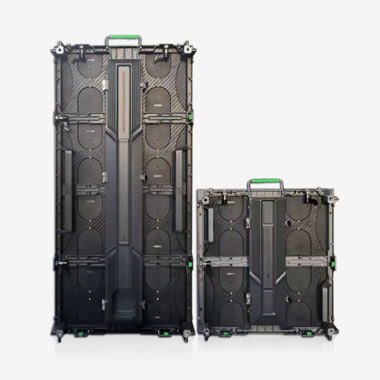
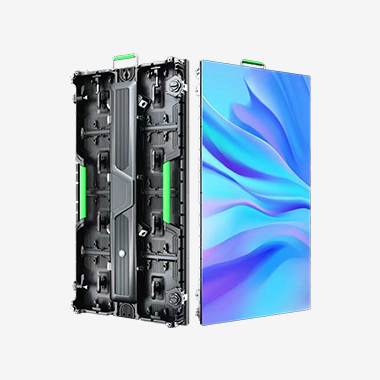
In terms of construction, creative LED visual panels are typically composed of several key components. The LED modules, which are the core of the panel, consist of individual LED chips mounted on a printed circuit board (PCB). These chips are carefully selected for their brightness, color accuracy, and lifespan. Advanced manufacturing techniques are employed to ensure precise placement and soldering of the chips to the PCB, minimizing the risk of electrical failures and ensuring consistent performance.
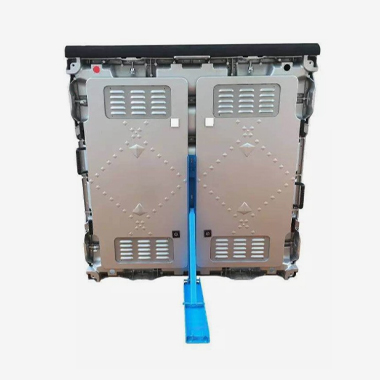
The frame of the panel provides structural support and protection for the LED modules. It is usually made of lightweight yet durable materials, such as aluminum alloy or high - strength plastics. These materials not only reduce the overall weight of the panel, making it easier to install and move, but also offer protection against physical damage. The frame also houses the electrical connections, power supply components, and control circuitry, which are crucial for the proper functioning of the panel.
For stage applications, ease of installation and flexibility are key considerations. Many creative LED visual panels are designed with modular systems, allowing for quick and easy assembly and disassembly. Specialized mounting systems, such as frames, brackets, and rigging equipment, are used to securely attach the panels to the stage structure. Some panels are also designed to be flexible, enabling them to be bent or curved to fit different stage shapes and designs. This flexibility provides stage designers with greater creative freedom to bring their visions to life.
The control system of the LED visual panel is a complex and sophisticated component. It receives digital video or graphic data from various sources, such as media servers, computers, or video cameras. This data is then processed and converted into electrical signals that control the operation of the LED modules. Modern control systems offer a wide range of features, including real - time content management, remote control capabilities, and the ability to synchronize multiple panels for seamless operation. Some panels also come with software that allows for the creation and editing of custom visual effects, enabling stage designers to add unique and creative elements to the backdrop.
The working principles of creative LED visual panels for stage backgrounds are based on the fundamental operation of light - emitting diodes (LEDs) and the precise control of electrical signals, adapted to meet the creative requirements of stage performances. At the core of each LED is a semiconductor material that emits light when an electric current passes through it, a phenomenon known as electroluminescence. This occurs when electrons in the semiconductor material recombine with electron holes, releasing energy in the form of photons, which results in the emission of light.
For generating a wide spectrum of colors, red, green, and blue (RGB) LEDs are commonly used in these panels. By precisely adjusting the intensity of these three primary colors, an almost infinite variety of colors can be created through the principle of additive color mixing. For instance, when all three RGB LEDs are at full intensity, white light is produced. Different combinations of lower intensities of these primary colors enable the display of vivid and realistic images, videos, and graphics on the stage backdrop, allowing for the creation of diverse visual atmospheres to match the mood of the performance.
When the creative LED visual panel is powered on, an electrical current is supplied to the LED modules through a power supply unit. The power supply unit converts the incoming alternating current (AC) from the electrical grid into direct current (DC) with the appropriate voltage and current levels required by the LEDs. This conversion is essential as LEDs can only function properly with a DC power source.
The control system of the panel plays a pivotal role in determining the display content. It receives digital video or graphic data in various formats, such as HDMI, DisplayPort, or digital media files, from external sources like media servers, computers used for stage production, or live - streaming devices capturing the performance. The control system processes this data, breaking it down into individual pixel - level instructions.
These instructions are then converted into electrical signals that are sent to the individual LED modules in the panel. Each LED within the module can be independently controlled to emit light at a specific intensity and color, corresponding to the pixel information in the received digital data. By precisely controlling the operation of millions of LEDs across the entire panel, complex images, dynamic videos, and engaging animations can be displayed with high fidelity, enhancing the storytelling on the stage.
To ensure smooth and seamless motion in the displayed content, a high refresh rate is maintained. A refresh rate of 60Hz or higher is typically used in creative LED visual panels for stage backgrounds to reduce motion blur and provide a fluid visual experience, which is crucial for live performances where fast - paced action and dynamic visuals are common. Higher refresh rates, such as 120Hz or 240Hz, are also becoming more prevalent, especially for high - end productions that demand the highest level of visual quality.
In addition to basic display functionality, many creative LED visual panels for stage backgrounds are equipped with advanced features tailored for stage use. Some panels are integrated with sensors that can detect the movements of performers on the stage. Based on the sensor data, the control system can trigger changes in the backdrop display, creating interactive visual effects that respond to the performance in real - time. For example, as a dancer moves across the stage, the LED backdrop could display a trail of light or change colors in sync with the dancer's movements.
Wireless communication technologies, such as Wi - Fi, Bluetooth, and 4G/5G, are increasingly being incorporated into these panels. This enables remote control and real - time content updates, allowing stage technicians to make quick adjustments to the backdrop display, change settings, or troubleshoot issues from the control booth. Some panels also support integration with stage lighting control systems, enabling seamless coordination between the LED backdrop and the stage lighting, further enhancing the overall visual impact of the performance.
Creative LED visual panels for stage backgrounds offer a plethora of advantages that have transformed the landscape of stage design and performance. One of the most significant advantages is their unparalleled creative flexibility. These panels provide stage designers with an almost limitless canvas to express their artistic visions. They can display a wide variety of content, from static images and videos to complex animations and interactive visual effects. This flexibility allows for the creation of unique and customized stage backdrops that are tailored to the specific needs of each production, enhancing the overall aesthetic and atmosphere of the performance.
Another major advantage is the ability to enhance the storytelling. By displaying relevant visuals, such as historical scenes, fantastical landscapes, or abstract representations, creative LED visual panels can help the audience better understand and engage with the narrative of the performance. For example, in a historical play, the LED backdrop can display images of the era, transporting the audience back in time and immersing them in the story. The dynamic nature of the panels also enables seamless transitions between different scenes, improving the flow of the performance.
The high - quality visual display of these panels is also a key benefit. With high brightness, vivid color reproduction, and high - resolution capabilities, creative LED visual panels can deliver stunning visuals that capture the audience's attention. Whether it's a large - scale concert with bright and colorful graphics or a theater production with detailed and realistic images, these panels can ensure that the stage backdrop stands out and enhances the overall visual experience of the performance.
Energy efficiency is another notable advantage. Compared to traditional stage lighting and backdrop systems, such as large - scale projection systems or elaborate painted scenery that may require extensive lighting to be visible, LED visual panels consume significantly less power. This not only reduces the energy costs associated with running the stage production but also has a positive environmental impact. Additionally, the long lifespan of LEDs means that the panels require less frequent replacement, reducing maintenance costs and downtime.
However, creative LED visual panels for stage backgrounds also face several challenges. One of the main challenges is the high initial investment cost. Purchasing and installing a high - quality creative LED visual panel system, including the panels, control systems, power supplies, mounting equipment, and any additional interactive components, can be a substantial financial outlay. This cost can be a significant barrier for smaller theater companies, community groups, or independent producers with limited budgets.
Technical complexity is another hurdle. Operating and maintaining creative LED visual panels require specialized knowledge and skills. Setting up the panels, programming the control system, integrating interactive features, and troubleshooting any technical issues during a live performance can be challenging and time - consuming. This often requires the presence of experienced technicians, which can add to the overall cost of the production. Moreover, as technology continues to evolve, keeping the panels up - to - date with the latest software and hardware upgrades can be a continuous and costly process.
The logistics of transporting and installing these panels can also be complex. Creative LED visual panels, especially large - format or custom - shaped ones, are often delicate and require careful handling during transportation to avoid damage. The installation process can be time - consuming and may require specialized rigging equipment and a team of experienced installers. Coordinating the installation to fit within the tight schedule of stage rehearsals and performances can be a significant challenge. Additionally, ensuring the compatibility of the panels with other stage equipment, such as sound systems and lighting rigs, can also pose difficulties.
Creative LED visual panels for stage backgrounds have a wide range of applications across different forms of stage performances. In theatrical productions, they are used to create dynamic and realistic scenery. Instead of relying on traditional painted backdrops and mechanical scenery changes, these panels can display changing landscapes, historical settings, or abstract visuals that adapt to the storyline of the play. This not only reduces the need for physical scenery changes but also allows for more creative and flexible stage designs, enhancing the overall quality of the production.
For concerts and music shows, creative LED visual panels play a crucial role in enhancing the visual experience for the audience. They can display live video feeds of the performers, music videos, visual effects synchronized with the music, and artist branding. The ability to create a visually stunning backdrop that complements the music can significantly enhance the atmosphere of the concert and engage the audience on a deeper level.
In dance performances, these panels can be used to create immersive visual environments that enhance the choreography. The dynamic visuals can interact with the movements of the dancers, creating a harmonious blend of dance and visual art. For example, the LED backdrop could display patterns or colors that change in response to the rhythm and flow of the dance, adding an extra layer of creativity to the performance.
Looking towards the future, several trends are likely to shape the development of creative LED visual panels for stage backgrounds. One of the key trends is the continued improvement in resolution and visual quality. As technology advances, we can expect to see the widespread adoption of even higher resolutions, such as 16K and beyond, providing incredibly detailed and lifelike visuals. This will enable stage designers to create more immersive and realistic stage environments, blurring the line between the real and the virtual.
The integration of virtual reality (VR) and augmented reality (AR) technologies with creative LED visual panels is another emerging trend. VR and AR can be used to create more immersive and interactive stage experiences, allowing the audience to feel more connected to the performance. For example, AR could be used to overlay digital elements onto the real - world stage backdrop, creating a hybrid virtual - real environment that engages the audience in new and exciting ways.
Sustainability will also be a major focus in the future. Manufacturers are likely to develop more energy - efficient LED technologies and explore the use of recyclable and environmentally friendly materials in the construction of the panels. This will not only reduce the environmental impact of stage productions but also appeal to a growing number of environmentally conscious producers and audiences.
The development of more flexible and transparent LED visual panels is another area of active research. Flexible panels can be curved or bent to fit different stage shapes and designs, providing greater creative freedom for stage designers. Transparent panels, on the other hand, can be used to create unique and visually stunning effects, such as see - through backdrops that add an element of mystery and intrigue to the stage.
Conclusion
Creative LED visual panels for stage backgrounds have emerged as a game - changing element in the world of stage performances, offering a powerful and versatile solution for enhancing the visual appeal and creative expression of stage productions. Their unique combination of creative flexibility, high - quality visuals, and energy efficiency has revolutionized the way stage designers approach their work and has elevated the overall experience for both performers and audiences.
Despite the challenges associated with high costs, technical complexity, and logistical issues, the numerous advantages of these panels continue to drive their widespread adoption and growth in the performing arts industry. As technology continues to evolve, we can expect creative LED visual panels for stage backgrounds to become even more advanced, with improvements in resolution, integration of new technologies like VR and AR, a greater focus on sustainability, and the development of more innovative and flexible designs.
In the future, these panels will likely play an even more significant role in shaping the future of stage performances, pushing the boundaries of creativity and innovation in stage design. They will continue to be at the forefront of creating memorable and immersive stage experiences, making them an indispensable part of the modern performing arts landscape.


Copyright © 2026 Shenzhen Cogo Technology Co.,Ltd.
All Rights Reserved

 Previous article