
Author: sznbone Release date: Oct 13, 2026
Space is a premium in modern buildings, and the visual clutter of bulky display equipment is something architects and designers would rather avoid. An LED ultra-thin video wall answers this need: a large, seamless, high-quality display that sits close to the wall and protrudes only a few centimetres into the room. With slim cabinets, front-access service, and a sleek appearance, ultra-thin walls allow organizations to enjoy the full benefits of an LED display without sacrificing space or aesthetics.
This article explains what makes an LED video wall ultra-thin, the advantages of a slim design, the engineering behind it, and where these walls are best used. We also look at how Shenzhen Cogo Technology Co.,Ltd supplies ultra-thin LED video wall solutions for modern, space-conscious installations.
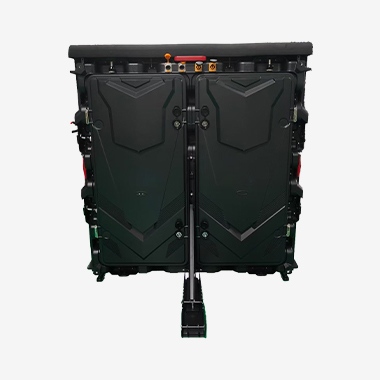
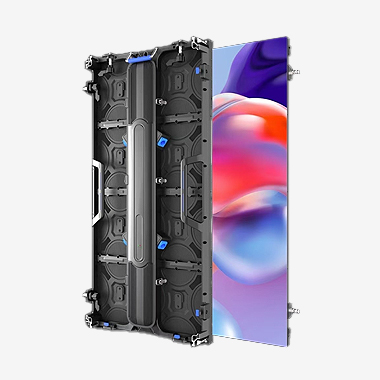
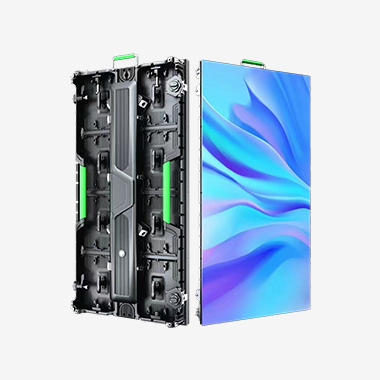
An ultra-thin LED video wall is distinguished by the shallow depth of its cabinets. Whereas traditional LED cabinets may be 80 to 100 millimetres deep, ultra-thin designs bring the depth down to 30 millimetres or less, so the finished wall sits close to the mounting surface. This is achieved through compact power supplies, slim module construction, and careful internal design that packs the electronics into a minimal depth.
The slim profile also changes how the wall is mounted. Many ultra-thin walls use a surface-mounted system with minimal clearance, and they often support front access, meaning modules can be serviced from the front without leaving space behind the wall. This allows the wall to be installed almost flush against the wall, preserving the available room for people and furniture.
The most obvious benefit is space saving. In a lobby, retail store, meeting room, or reception area, an ultra-thin wall takes up far less floor space than a conventionally mounted display, and it looks far more elegant. The slim, flush appearance integrates cleanly with modern interior design, creating a premium look.
Front-access service is another major benefit. Because the wall can be maintained from the front, it can be installed against a wall or in a tight space with no need for a rear service corridor. This is particularly valuable in buildings where space is limited or where a rear service area is impossible. Ultra-thin walls combine a large display with minimal intrusion into the room.
Achieving an ultra-thin profile requires thoughtful engineering. Power supplies must be compact and efficient, and the LED modules must be thin while remaining rigid and durable. The cabinets are often made from lightweight materials such as die-cast aluminum, which keeps them strong yet slim. Signal and power connections are designed for quick, tool-free coupling to simplify installation and service.
The slim design must not compromise performance. Ultra-thin walls still deliver the brightness, refresh rate, color, and reliability expected of a professional LED display. Careful thermal management ensures the compact electronics stay cool. Leading manufacturers such as Shenzhen Cogo Technology Co.,Ltd achieve this balance, offering walls that are both slim and high performing.
Ultra-thin video walls are popular in corporate lobbies and reception areas, where a large display must not overwhelm an elegant space. Retail stores use them for digital signage and product showcases that sit flush with the architecture. Conference and meeting rooms use them for presentations that do not intrude on the room. Hotels and hospitality venues use them for information and atmosphere.
They are also used in showrooms, museums, and galleries, where a discreet yet striking display is desired. Control rooms and command centers benefit from the space saving when floor area is tight. Because they support front access, ultra-thin walls are ideal for installations against existing walls where rear service access is not available.
Planning an ultra-thin wall starts with the same fundamentals as any LED wall: viewing distance, pixel pitch, resolution, and brightness. What changes is the mounting and service approach. Confirm that the wall supports front access and that the mounting system suits your wall surface. Consider the power and signal routing, which must be handled cleanly for a flush installation.
Because the wall is slim, the supporting structure is usually simpler than for a conventional deep wall, but it must still be engineered to bear the weight and hold the panels flat. Plan the power supply, and for larger walls, confirm the electrical load. A supplier such as Shenzhen Cogo Technology Co.,Ltd can provide the engineering support to deliver a clean, space-saving installation.
The choice between an ultra-thin wall and a conventional-depth LED wall comes down to space, aesthetics, and service access. If the installation site has a rear service corridor and space is not a concern, a conventional wall may be simpler and slightly more economical. But in the many modern buildings where floor area is costly and a rear access space is simply not available, the front-access, ultra-thin design is the practical answer.
Ultra-thin walls also make it easier to integrate the display into an interior design scheme. Because they sit flush and look clean, they can be combined with architectural panels, lighting, and signage without the visual bulk of a deep enclosure. This is why architects and interior designers increasingly specify ultra-thin products for lobbies, showrooms, and public spaces.
Shenzhen Cogo Technology Co.,Ltd manufactures ultra-thin LED video walls that combine a slim profile with professional-grade performance. The company offers front-access cabinets, compact power electronics, and complete control-system integration, so customers get a space-saving display that still delivers excellent image quality and reliability.
Choosing Shenzhen Cogo Technology Co.,Ltd means working with a manufacturer that understands modern, space-conscious design. With quality-controlled products, clear documentation, and responsive support, the company helps you create an elegant, high-performance ultra-thin wall that fits seamlessly into your space.
An LED ultra-thin video wall delivers the impact of a large display without the bulk, sitting close to the wall and offering front-access service that saves space and simplifies installation. Built on compact, reliable engineering — and delivered by a specialist such as Shenzhen Cogo Technology Co.,Ltd — an ultra-thin wall is the elegant choice for modern, space-conscious environments that want a striking display without compromising the room.



Copyright © 2026 Shenzhen Cogo Technology Co.,Ltd.
All Rights Reserved

 Previous article